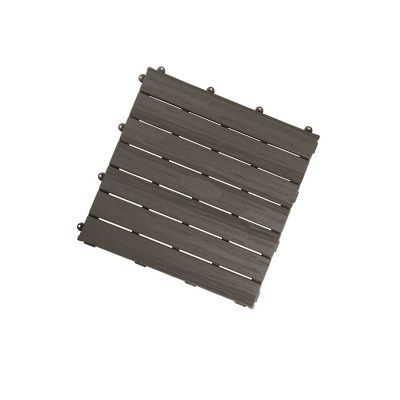
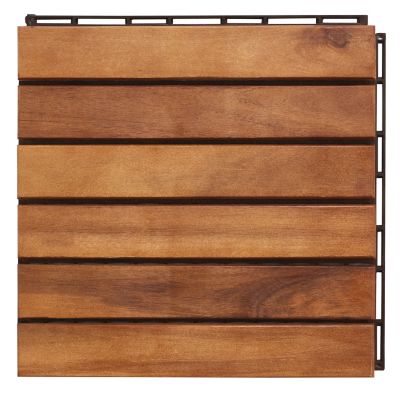
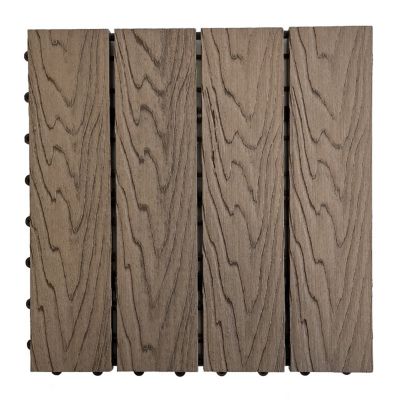
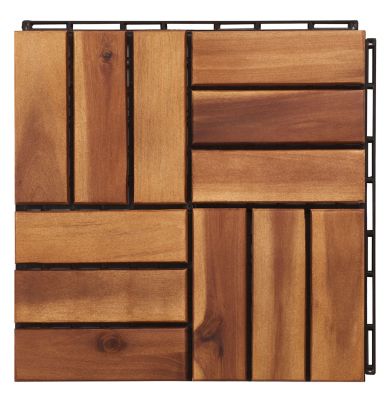
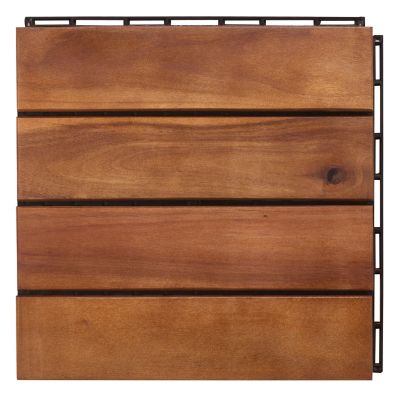
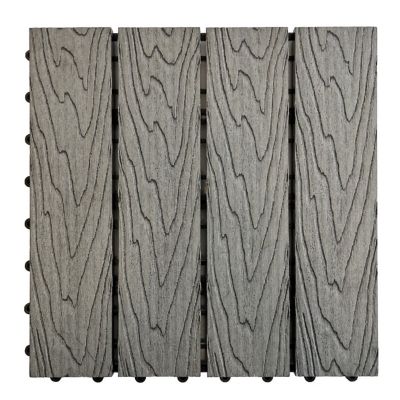
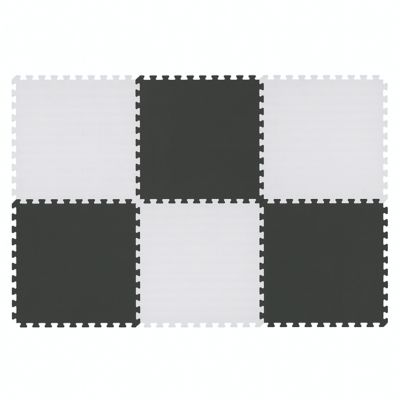
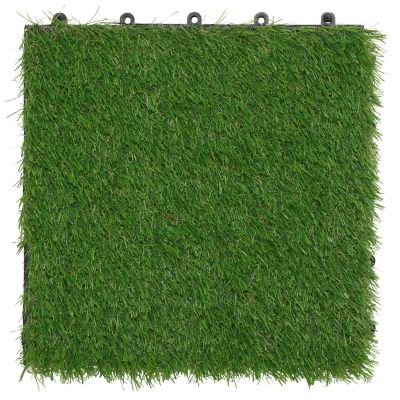
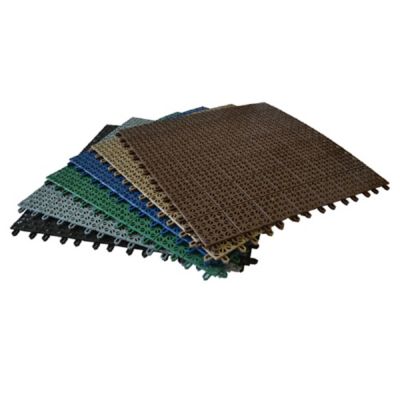
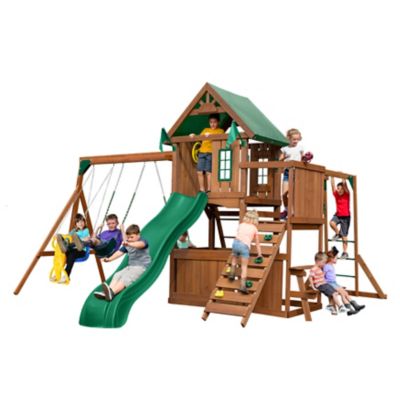
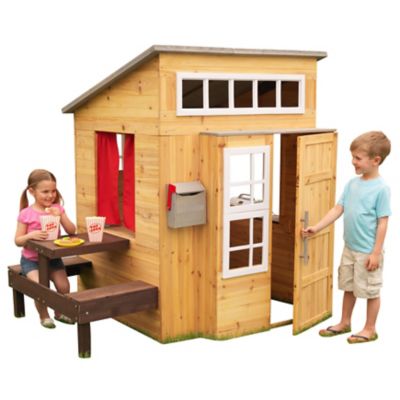
Outdoor play area tiles create a defined surface for backyard playgrounds, swing sets, climbing structures and other spaces where kids get moving. Depending on their construction and tested performance, these tiles can provide impact absorption, traction and drainage while helping keep the play area separate from surrounding grass, gravel or walkways. Playground-rated rubber tiles are a common choice for cushioning beneath elevated equipment, while interlocking plastic tiles often focus on drainage and a firm surface for ground-level activities. Foam tiles vary widely in construction, and indoor play mats are not a substitute for flooring rated for outdoor playground use. The material matters, but so does the complete flooring system: tile thickness, connecting hardware, edge pieces and the base underneath all affect how the surface performs. Rubber tiles may contain recycled rubber, new rubber or layered materials, with different textures and densities that influence cushioning, firmness and resistance to wear. Some have textured tops for grip and channels underneath that let water move toward an appropriate outlet. Those features serve different purposes, so a drainage pattern alone does not establish slip resistance or fall protection. For areas beneath climbing equipment or slides, documented impact testing is especially important. ASTM F1292 addresses impact attenuation for playground surfacing, and a tile system’s tested critical fall height needs to meet or exceed the fall height specified for the equipment. Thickness alone cannot establish that rating, and a thicker tile is not automatically suitable for every playground. The manufacturer’s stated application, testing documentation and installation requirements give a clearer picture than appearance alone. A low-profile tile intended for a patio activity corner serves a different job from a playground tile beneath a raised platform. That distinction matters whether the space sits beside a farmhouse, behind a neighborhood child care center or near a community gathering spot. Even a cushioned surface cannot prevent every injury, but flooring matched to the equipment and setting can support a thoughtfully arranged play space.
Fit starts with the whole play area, not just the patch directly beneath a ladder or slide. Playground equipment requires surrounding use zones, and moving equipment such as swings can need substantially more clearance than its footprint suggests. A tile layout should account for those spaces, along with gates, fence lines, benches and the paths children take between activities. Pairing outdoor play area tiles with
equipment for outdoor play means considering the surfacing requirements of each activity rather than treating the entire yard as one uniform space. A spot for chalk drawings or toy trucks may call for a firm, even surface, while an elevated play structure requires documented impact protection. Tile dimensions affect both coverage and the number of seams across the area. Larger squares can create longer uninterrupted sections, while smaller modular pieces may offer more flexibility around corners and posts. Neither approach eliminates the need for proper connections and perimeter support. Interlocking tabs, pins or adhesive systems have different installation requirements, and not every tile can go directly over bare soil. Some systems require concrete or asphalt; others allow a specified, compacted aggregate base. Following those requirements helps limit settling, shifting and uneven joints. Drainage deserves equal attention because water needs somewhere to go after it passes through or beneath the tiles. A solid base, suitable slope and clear drainage route work together to help prevent standing water. At the perimeter, compatible beveled edges or transition pieces can ease the change between the play surface and an adjoining walkway. Those transitions are helpful for little feet, strollers and mobility devices, though a smooth-looking surface does not by itself establish accessibility. In settings where accessible routes are required, documented testing such as ASTM F1951 can help identify surfacing systems evaluated for wheelchair mobility. The finished layout should also leave room to reach equipment fasteners and inspect support posts without tearing apart the entire surface. A well-planned fit keeps the practical details from getting in the way of play.
Day-to-day care is another part of choosing outdoor play area tiles, especially around a busy backyard where grass clippings, muddy shoes and spilled snacks come with the territory. A surface with closely fitted seams can make sweeping simpler, while open-grid designs allow some debris to fall through and may need attention beneath the tiles. Rubber textures can vary from relatively smooth to deeply patterned, affecting both traction and how easily dirt brushes away. Cleaning methods should match the material and the manufacturer’s directions; a mild cleaner and water may be appropriate for some systems, while harsh solvents or aggressive pressure washing can damage others. Drain openings and perimeter channels need to stay clear so the flooring can function as intended. Regular checks also help spot lifted corners, gaps, worn areas or connections that have worked loose. Those small changes can affect footing and deserve attention before the area returns to play. The option to replace an individual tile can be useful where wear concentrates at the bottom of a slide or near a frequently traveled entrance, provided the replacement matches the original system and its performance requirements. Outdoor-rated materials may also carry specifications for sunlight exposure, color retention and resistance to cracking or crumbling. Those details help explain how a surface is expected to hold up, but they do not replace routine inspection or proper installation. Color has a practical side, too: contrasting borders can make the play area easier to recognize, and a consistent surface can help caregivers notice loose objects. For families, grandparents, schools and child care operators, the best fit balances the activities taking place with upkeep, access and the demands of the site. A backyard corner for ground-level play will not need the same surfacing system as a shared playground with climbing platforms. Outdoor play area tiles make the most sense when their intended use, tested performance and care requirements line up with the space, leaving kids room to scramble, scoot and settle in for another round of play.