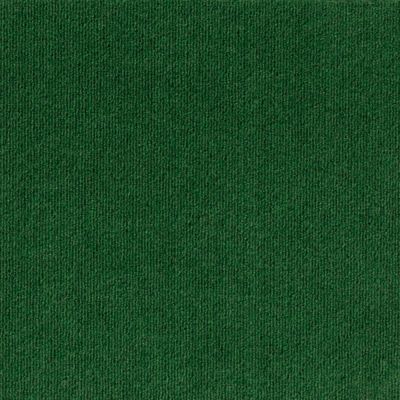
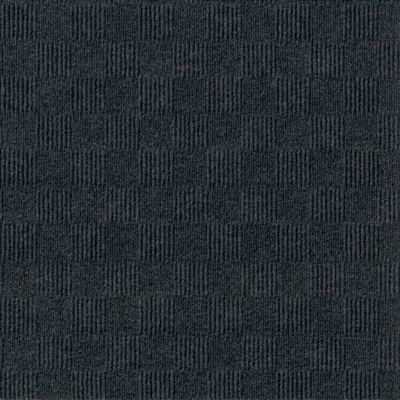
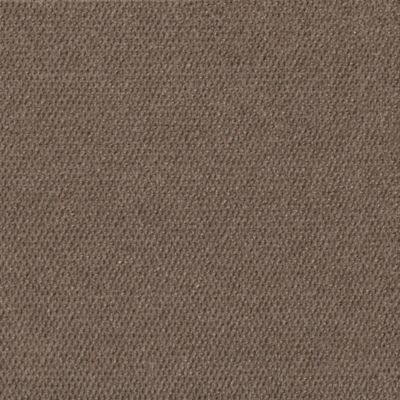
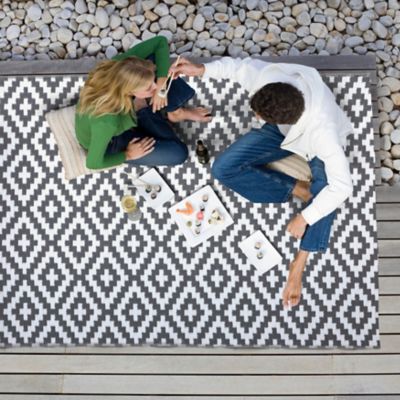
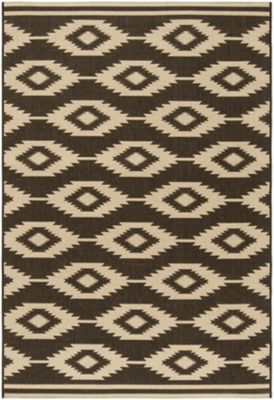
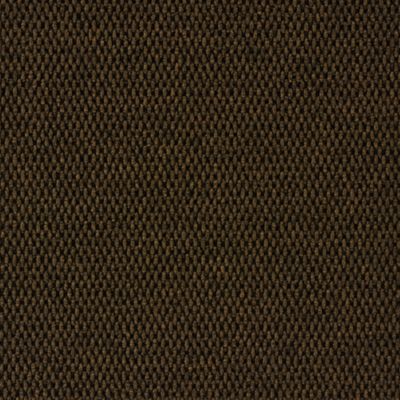
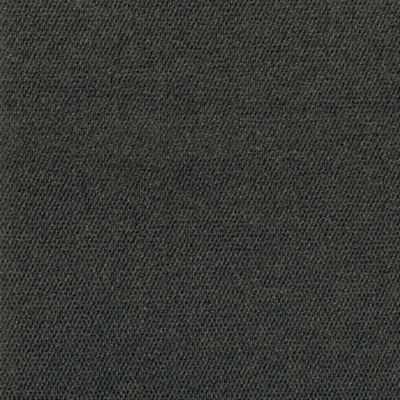
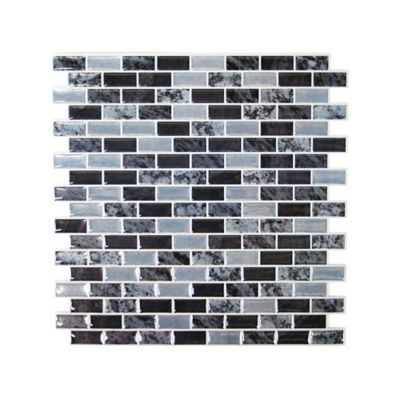
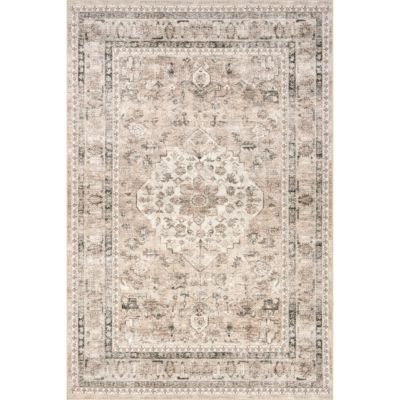
Indoor outdoor carpet tiles are a practical way to bring a softer feel underfoot to spaces that see plenty of traffic, tracked-in dirt, changing temperatures, or occasional moisture. They fit naturally in screened porches, covered patios, mudrooms, basements, garages, workshops, laundry areas, and hunting cabins, giving bare concrete or worn flooring a warmer place to walk without taking on a full-room flooring project. Carpet tiles are often made in manageable square formats, including common 18-inch and 24-inch sizes, so they can be arranged across a small landing or a larger open area with less lifting and cutting than a rolled carpet. Many indoor outdoor styles are made with fibers suited to busy spaces and backings that help resist moisture, stains, and everyday scuffs. That makes them handy around entry doors where boots shed grit, beneath a workbench where tools and sawdust gather, or beside a patio table where a little spilled drink should not become a lasting headache. Before placing an order, measure the floor from several points, since older porches, slabs, and outbuildings are not always perfectly square. Add a little extra for trimming and keep a few spare tiles for future spot replacement. Unlike one-piece flooring, tile construction lets you lift out a marked section and address that area without pulling up the whole floor. For a home with pets, farm boots, or young children coming in from outside, that simple maintenance option can make a noticeable difference during the cooler months, when wet leaves, mud, and road grit tend to follow everyone indoors.
The installation style is one of the first details to check. Peel-and-stick carpet tiles have an adhesive backing that can make placement fairly quick when the floor is clean, dry, smooth, and free of dust or grease. Interlocking options fit together without separate adhesive and can be a good choice when you want a floor covering that is easier to lift, shift, or take along to another space. In either case, preparation matters more than rushing the first row. Sweep and vacuum thoroughly, fill cracks or low spots where needed, and let a damp surface dry completely. On concrete, check the manufacturer’s instructions for moisture limits and any recommended primer or underlayment. Let the tiles sit in the room before installation so they can adjust to the surrounding temperature, especially if they have been stored in a cold shed or delivered during chilly weather. Begin along the most visible straight wall, dry-lay a few rows to see how the seams will fall, and avoid ending with narrow slivers along a doorway or prominent edge. A utility knife with a fresh blade and a straightedge can help make clean cuts; work slowly and protect the surface beneath. For an outdoor setting, select a covered location unless the product is specifically rated for open exposure, and allow room for drainage where rain or melting snow may reach the floor. Check the backing, pile height, cleaning directions, and warranty details before buying. Low-pile surfaces are often easier to sweep and less likely to catch on doors, while textured fibers can help hide the marks that come with a busy mudroom or shop. Some carpet tiles include recycled fiber content, which may appeal to shoppers looking for a flooring option that makes practical use of recovered materials.
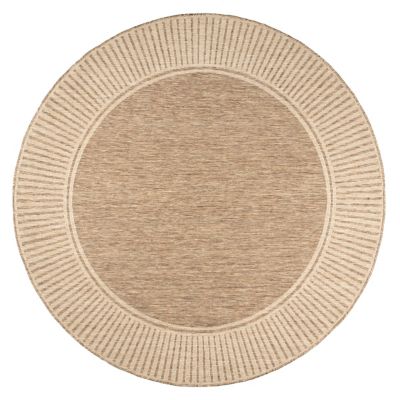
These tiles can serve a wide range of households and work areas. A family may place them by the back door to soften the daily path between the yard and the kitchen. Someone setting up a home workshop may want a more comfortable surface near a vise or tool chest, where standing for long stretches can leave concrete feeling hard and cold. A camper, cabin owner, or landlord may appreciate a flooring format that can be carried in small stacks and replaced section by section when a room gets heavy traffic. They can also make a thoughtful housewarming gift for someone settling into a garage apartment, porch room, craft space, or rural home office, particularly when you know the recipient’s floor size and preferred color. For a finished look, keep the layout simple and align the seams carefully; turning alternate tiles can create a subtle shift in texture without making the floor feel busy. In a smaller area, a border of bare flooring can frame the carpeted section, while wall-to-wall placement may help a basement or enclosed porch feel more settled. Pair a practical floor covering with a boot tray, entry bench, or storage rack to create a landing zone that helps keep outdoor mess contained. Routine care is straightforward: vacuum or sweep loose grit, blot spills promptly, and follow the care instructions for deeper cleaning. Avoid soaking the floor unless the manufacturer permits it, and give damp areas plenty of airflow. For another way to add a soft, easygoing layer to a porch, sunroom, or covered seating area, browse
Indoor Outdoor Round Rugs. With the right size, backing, and placement, indoor outdoor carpet tiles can help turn a hard-working part of the home into a cleaner, more comfortable place for chores, boots, pets, and everyday living.