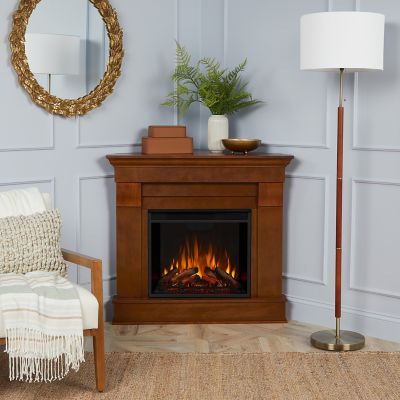
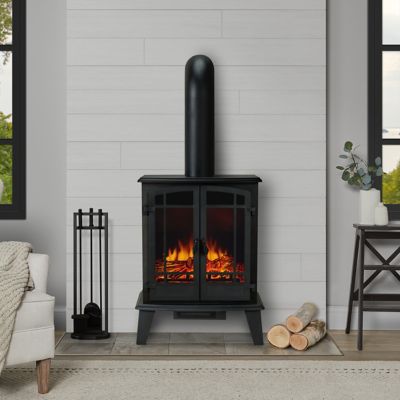
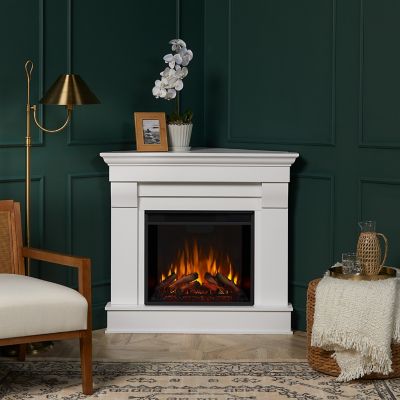
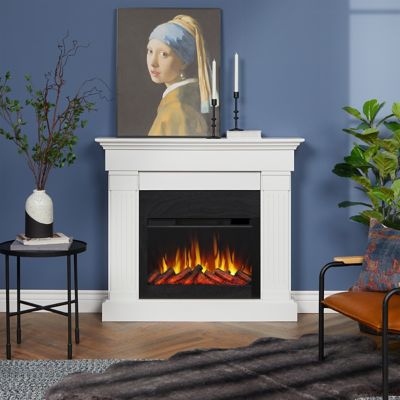
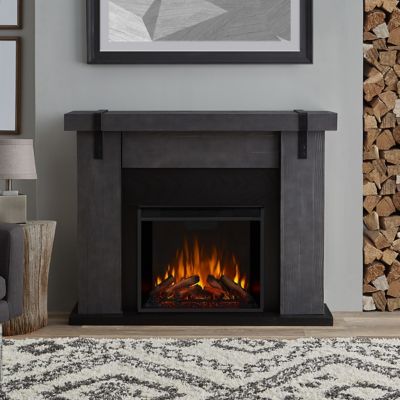
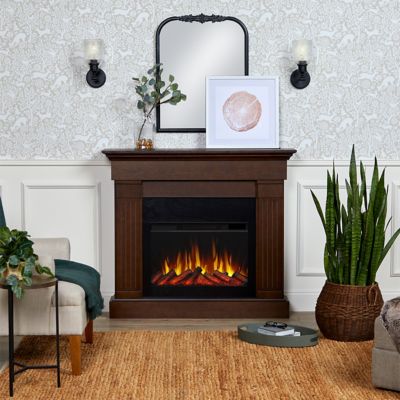
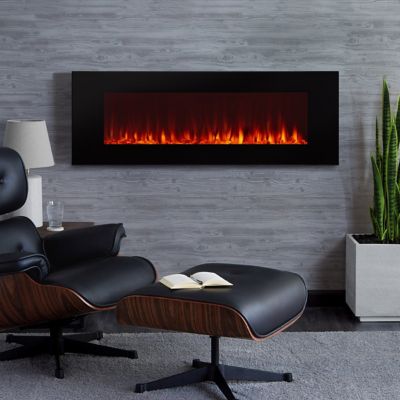
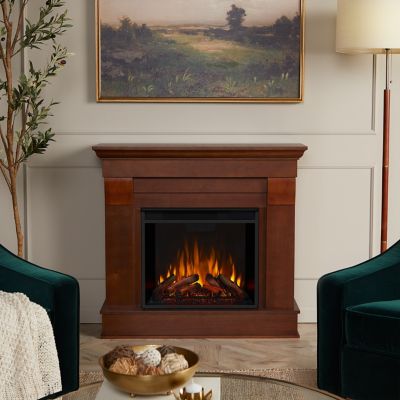
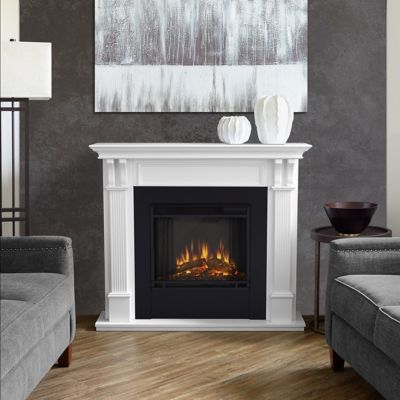
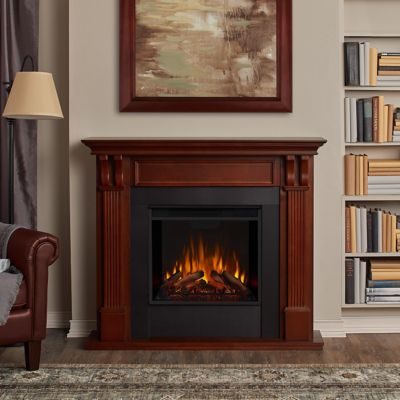
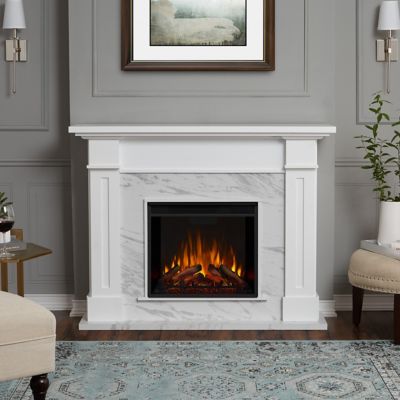
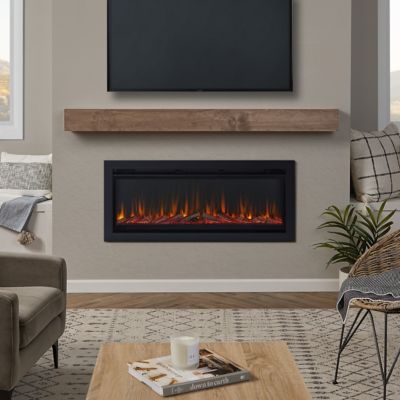
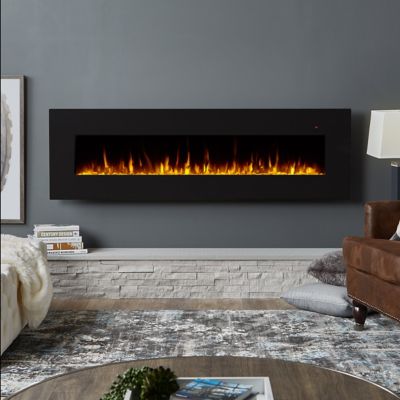
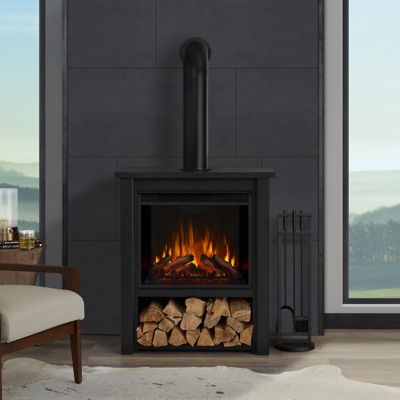
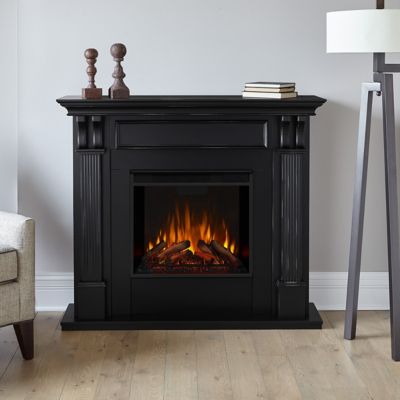
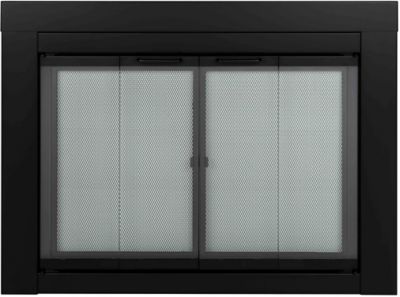
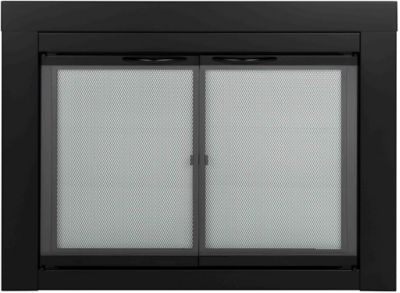
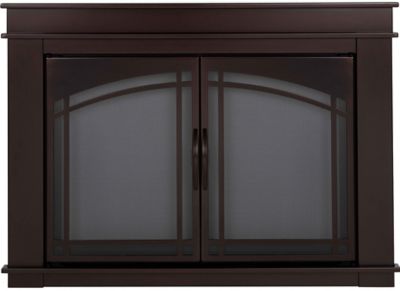
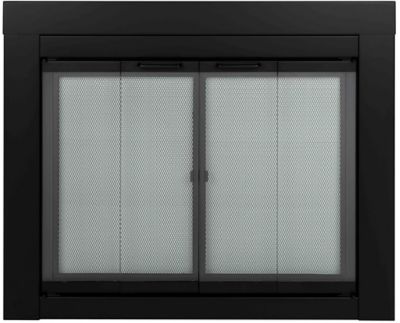
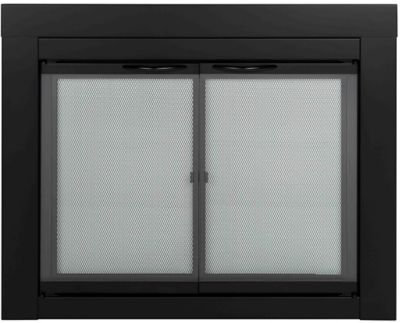
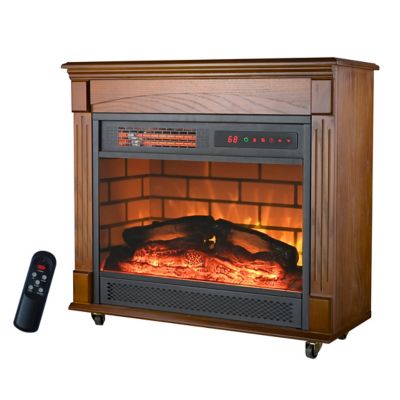
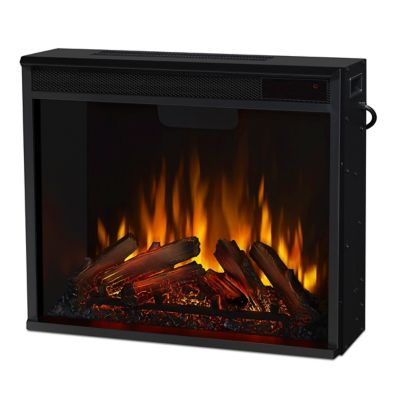
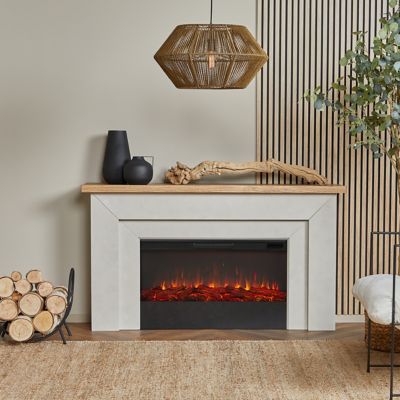
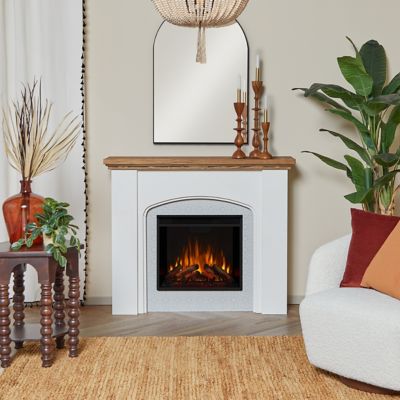
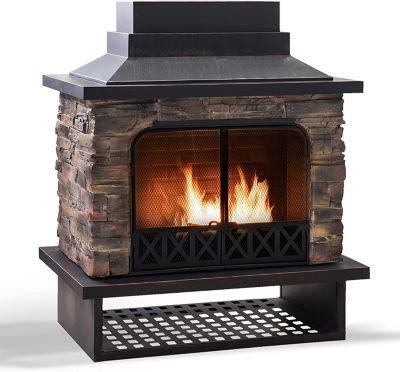
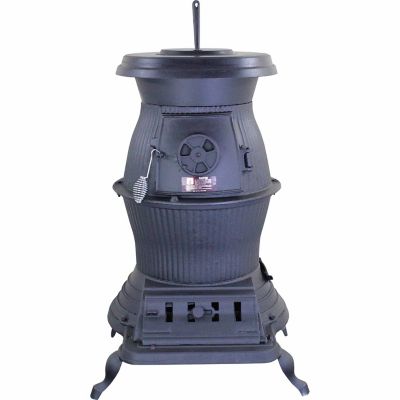
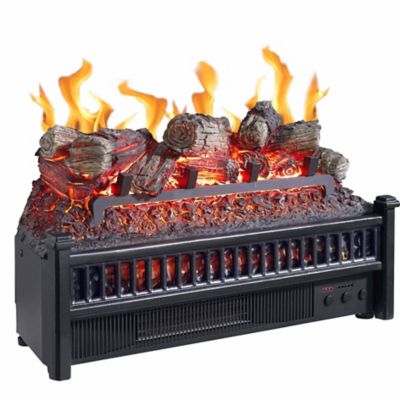
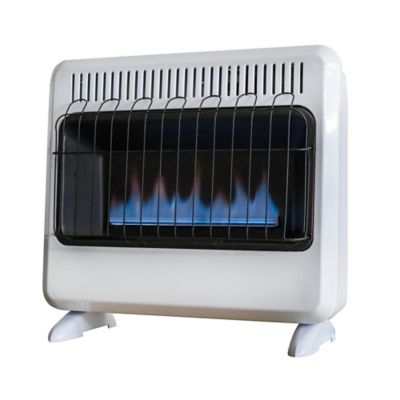
Indoor fireplaces bring a steady focal point to a room, whether that means a flame beside a pair of reading chairs or a broad hearth where the family gathers after chores. The main types include electric, gas, wood-burning, and ethanol fireplaces, each with different fuel, ventilation, installation, and upkeep needs. Some serve mainly as a place to enjoy the look of a fire, while others contribute substantial room heat. Heat output, room size, ceiling height, insulation, and the home's layout all affect how much warmth reaches the people sitting nearby. An open living area with a tall ceiling has different heating needs than a small den with a door that closes. Fireplace styles range from freestanding designs and mantel surrounds to wall-mounted units, recessed installations, and inserts that fit compatible existing fireboxes. A freestanding fireplace can make sense where wall space is limited, while a recessed design keeps more of the floor clear for everyday foot traffic. Inserts require careful measurements and confirmation that the existing fireplace, chimney, and proposed appliance work together; an opening that looks close enough is not the same as a verified fit. Materials help shape both appearance and performance. Steel offers clean lines, cast iron brings a substantial look and holds warmth, and brick or stone can give a hearth the feel of a farmhouse gathering spot. Glass panels provide a view of the flame, although glass on operating combustion fireplaces can become hot enough to cause burns. Wood and engineered-wood surrounds appear on some electric fireplace furniture, where specified clearances remain important despite the absence of a burning log. For a room with timber beams, leather seating, or a simple plank floor, finish and proportion often matter more than extra ornament. A fireplace should feel settled into the room rather than crowding the furniture or narrowing the path from the kitchen to the couch. Controls within easy reach and a clear view from the seats people actually use add everyday value.
The fuel source determines much of the ownership experience.
Electric fireplaces create a flame effect without burning fuel, so they do not need a chimney or combustion vent. Many offer flame-only operation separate from the heater, making them a practical choice when the room needs atmosphere rather than additional warmth. Plug-in designs require a suitable wall outlet and electrical capacity, while some built-in installations call for hardwiring by a qualified electrician. Heater-equipped units should connect as the manufacturer directs, not through an extension cord or power strip. Adjustable brightness, flame settings, timers, and remote controls can make everyday operation simpler, but electrical requirements and heating capacity deserve attention before those extras. Gas fireplaces offer a real flame without carrying logs or tending a coal bed, though they need the correct natural gas or propane connection and professional installation. Direct-vent gas fireplaces draw combustion air from outdoors and exhaust outdoors through a sealed venting system. Vent-free gas appliances release combustion byproducts and moisture into the room, carry restrictions in some locations, and require careful attention to approved room size, ventilation, and operating limits. An oxygen-depletion sensor is not a substitute for following those requirements or maintaining working carbon monoxide alarms. Wood-burning fireplaces bring the crackle, shifting flame, and hands-on routine many folks associate with a hearth. They also require a suitable chimney or flue, properly seasoned firewood, ash handling, and regular inspection. Heating performance varies considerably between an open masonry fireplace and an enclosed, rated heating appliance, so flame size alone does not tell the whole story. Ethanol fireplaces provide a real flame with liquid fuel, but the lack of a chimney does not mean they have no ventilation needs or combustion emissions. Approved fuel, room requirements, local rules, and safe refilling procedures all matter; fuel must never be added to a burning or hot appliance. Across these types, the best match depends on whether the priority is supplemental heat, the flame itself, or the familiar routine of building and tending a fire.
A good fit also accounts for everything around the fireplace, from the rug underfoot to the shelf above the mantel. Overall width and height are only part of the picture: firebox depth, vent routing, hearth requirements, service access, and clearances to combustible materials can determine where an installation belongs. Curtains, upholstered chairs, baskets, stacked firewood, and other household belongings need to remain outside the manufacturer's stated clearance area. A level, approved supporting surface matters for freestanding designs, while wall-mounted and recessed units need framing and fasteners suited to their weight and installation method. Television placement deserves particular care because rising heat can affect electronics, and neither a mantel nor an empty stretch of wall automatically provides enough protection. Fireplace instructions, television requirements, and applicable building codes should govern that arrangement. In homes with children or pets, a suitable safety barrier helps limit access to hot glass and surfaces without blocking required airflow. Everyday care varies by fireplace type, but clear air openings, sound components, and attention to changing performance support a longer service life. Electric fireplaces generally need dust removal from accessible surfaces and vents after power is disconnected and the unit has cooled. Gas burners, venting, seals, and controls need inspection and service at the intervals specified by the manufacturer. Wood-burning systems need regular chimney inspections, with cleaning as needed to remove creosote and other obstructions. Ash belongs in a covered metal container on a noncombustible surface outdoors, away from buildings and combustible materials, because embers can remain hot long after the visible fire is gone. Glass cleaners and cleaning methods must suit the appliance; household cleaning products are not always appropriate for fireplace glass or finished metal. Working smoke alarms and carbon monoxide alarms are important companions to fuel-burning heat. For a farmhouse living room, a compact sitting area, or a cabin gathering space, the right indoor fireplace balances the look of the flame with practical room heat, manageable care, and an installation that fits the home. Those details make the hearth a comfortable part of daily life, not just something nice to look at.