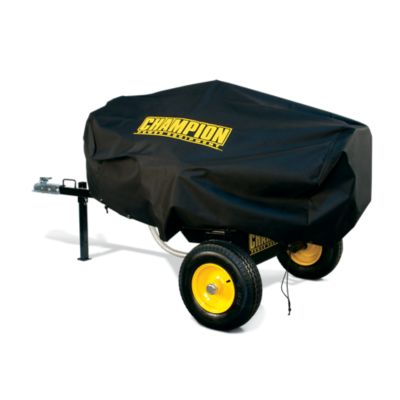
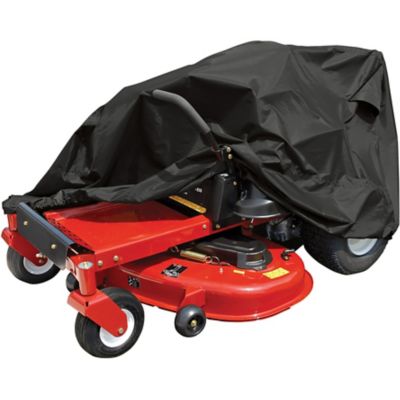
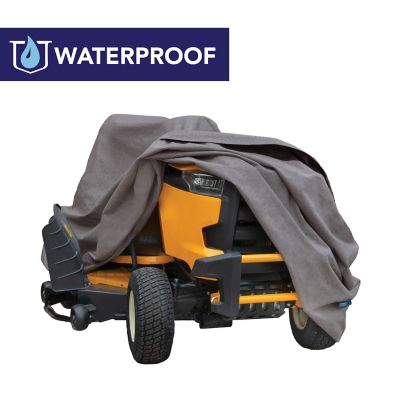
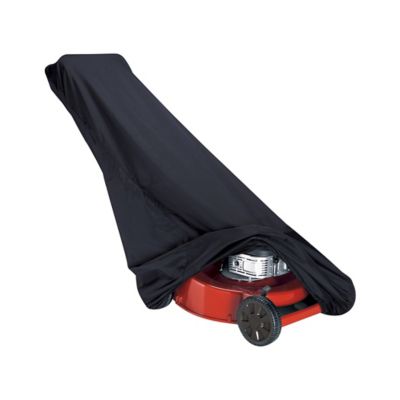
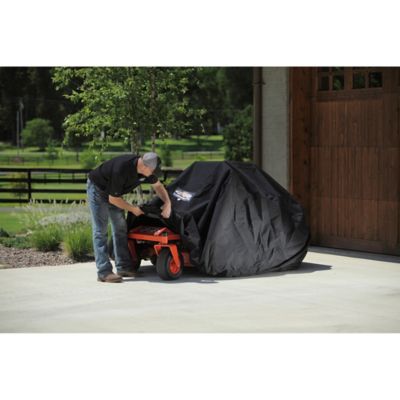
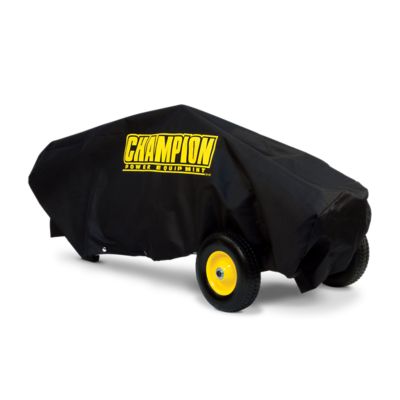
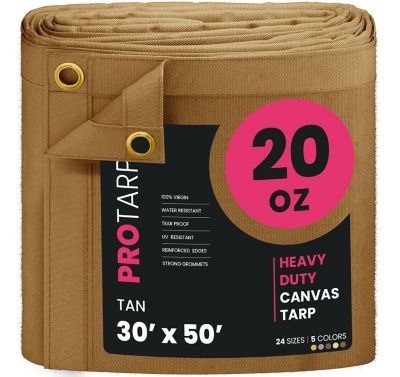
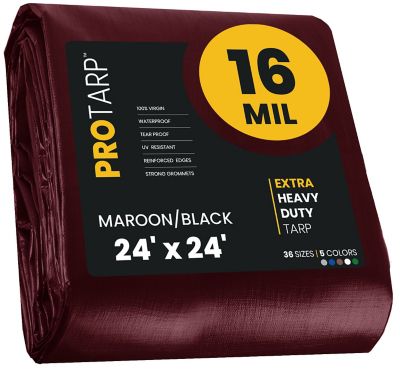
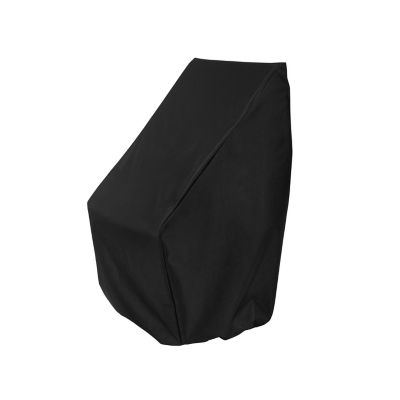
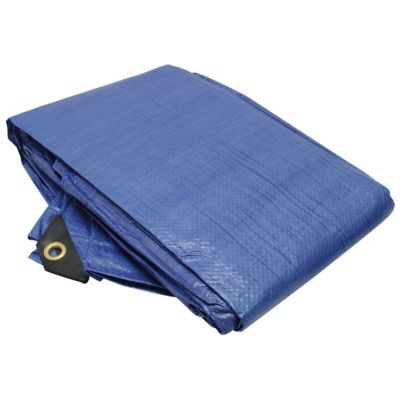
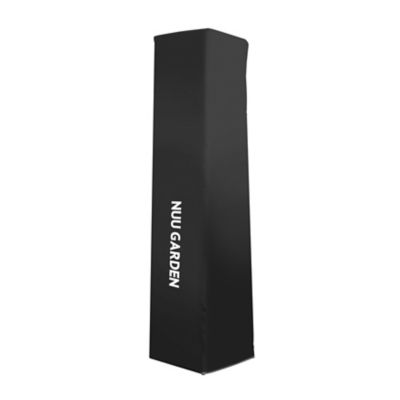
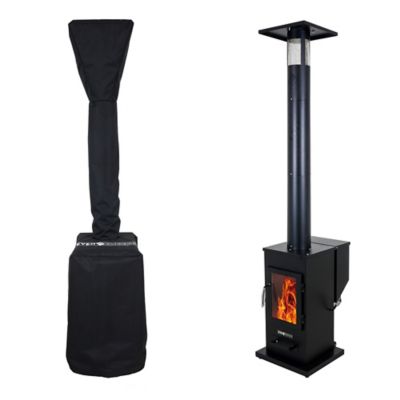
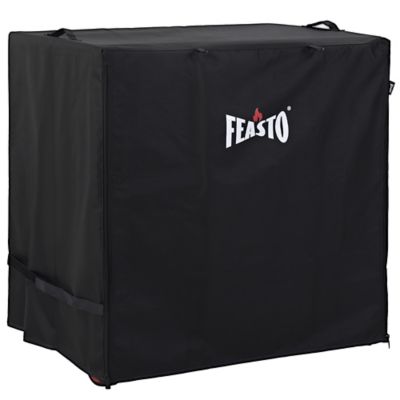
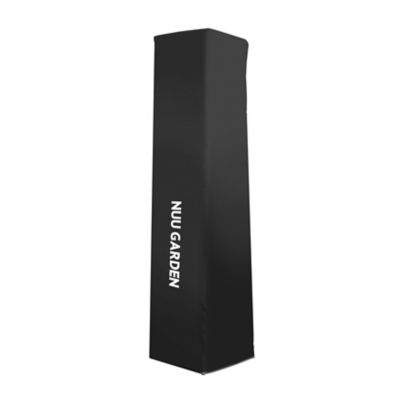
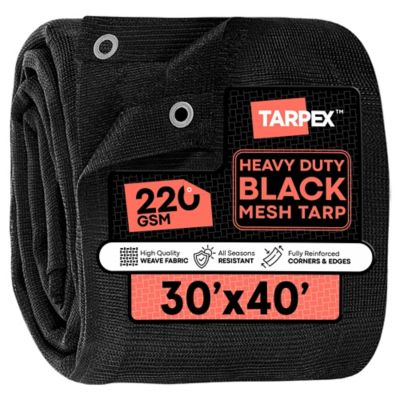
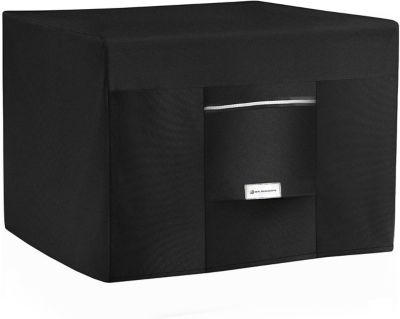
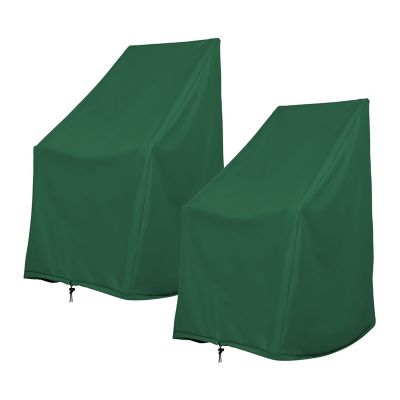
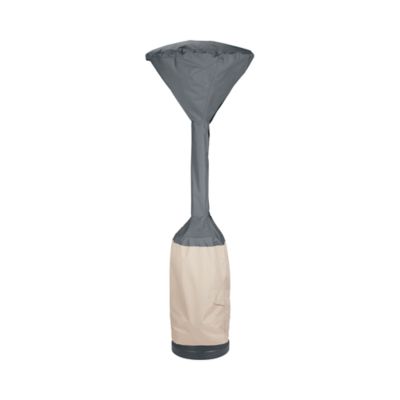
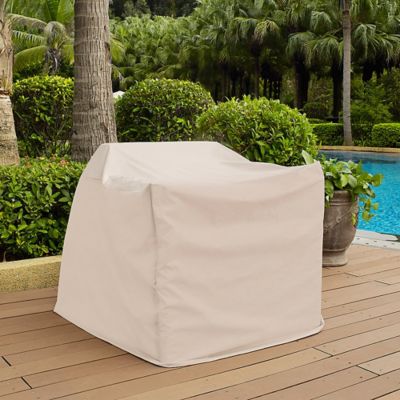
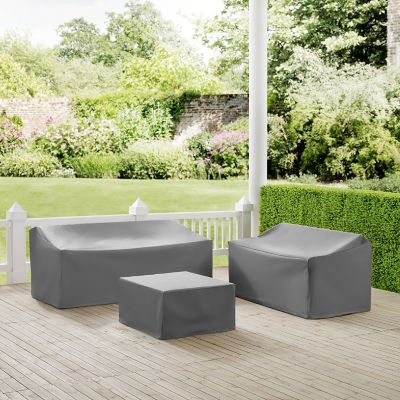
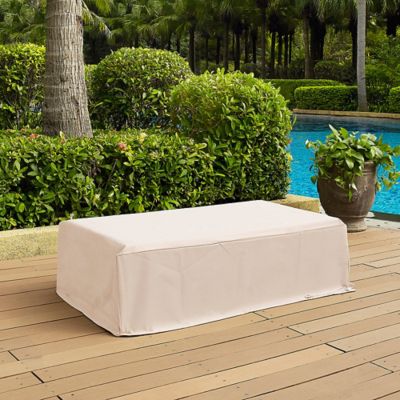
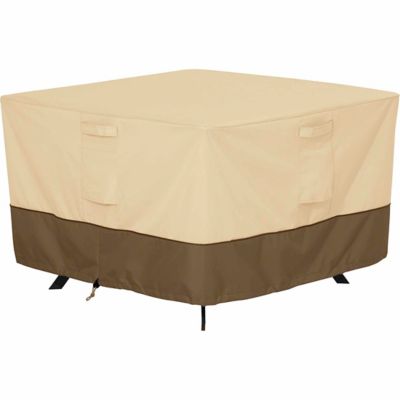
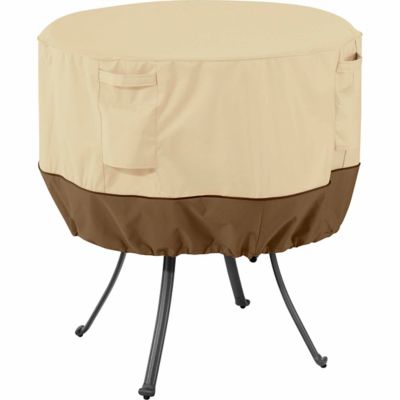
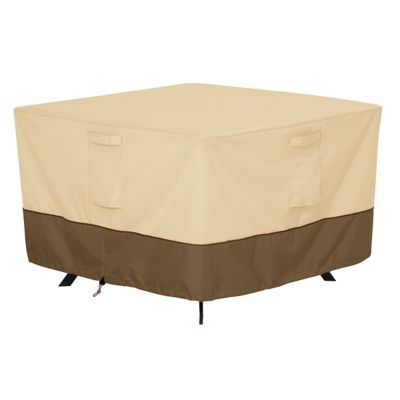
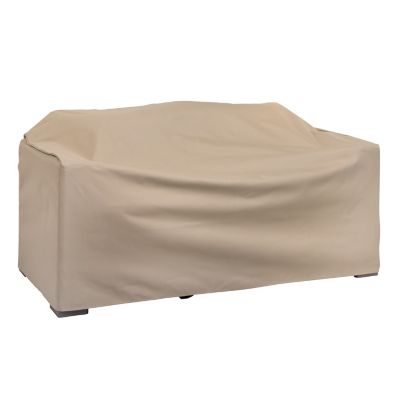
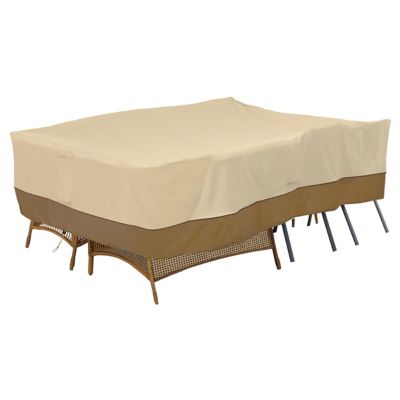
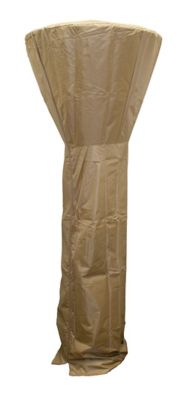
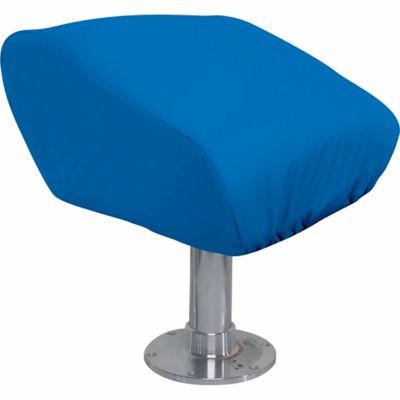
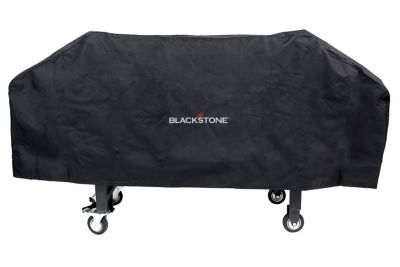
Outdoor equipment covers help keep hardworking gear ready for the next job, whether it rests beside the barn, under a carport, on a back patio or at the edge of the shed. A good cover shields lawn mowers, riding mowers, compact tractors, generators, pressure washers, snow equipment, utility carts and other outdoor tools from rain, snow, sun, dust, leaves and bird droppings. That protection can make a real difference during the cooler months, when damp weather and falling debris settle into every seam and moving part. It can also help limit fading, cracking and drying caused by long hours in direct sunlight as the seasons change. When choosing a cover, start with the equipment’s length, width and height rather than guessing by appearance. A cover that is too small may leave the deck, controls or hitch exposed, while one that is too large can collect water or catch wind like a sail. Measure around mirrors, handles, attachments and other parts that add to the overall shape, then compare those measurements with the cover’s listed dimensions. Universal styles can be a practical choice for equipment with a common shape, while fitted styles generally provide a neater fit around a particular type of machine. Leave enough room for easy removal, but avoid excessive loose fabric that can flap against painted surfaces. For outdoor furniture and similar patio items, browse
Polyester Outdoor Furniture Covers for another option when protecting cushions, tables and seating from the elements.
Material is one of the biggest differences between outdoor equipment covers, and the right choice depends on where the equipment is stored and what kind of weather it faces. Weather-resistant polyester is often lightweight, easy to handle and suitable for everyday protection from dust, light rain and sun. Heavier polyester or marine-grade vinyl can offer a more substantial barrier for equipment kept outside through wet, windy or snowy conditions. Look for fabric described as waterproof or water resistant, along with UV-resistant construction that helps slow fading and material breakdown. Seams matter, too. Reinforced stitching and covered seams can improve durability in places that take repeated stress, especially around corners, handles and attachment points. Air vents are another useful feature because they allow air to move beneath the cover, helping reduce trapped condensation, mildew and musty odors. Venting is especially helpful when equipment goes under cover while still holding a little warmth from use, though it is still best to let a machine cool completely before covering it. Secure fasteners help keep protection in place when the wind picks up across an open lot or driveway. Elastic hems, drawstrings, buckle straps, click-close straps and hook-and-loop closures each have their place; the best setup is one that can be tightened firmly without being difficult to remove. A soft inner surface or smooth lining may help reduce rubbing on finished surfaces, while handles make a cover easier to pull on and take off. Before covering any machine, clear away loose dirt, let wet equipment dry when possible, and check that exhaust areas and hot components have cooled. Avoid trapping mud, grass clippings or moisture underneath for long stretches, since a cover protects best when it goes over clean, dry equipment.
Outdoor equipment covers are useful for homeowners, acreage owners, gardeners, contractors, grounds crews and anyone who depends on outdoor machinery to keep property in shape. A mower parked at the edge of a lawn can stay cleaner between cuts, while a compact tractor under a fitted cover is better prepared for chores around a gravel drive, pasture or woodpile. A generator can benefit from a cover while stored between uses, but the cover should always be removed before the unit is started and should never block ventilation during operation. Covers also make thoughtful gifts for a new homeowner, a family member caring for a country property, a gardener building a tool collection or a neighbor who takes pride in keeping equipment in good order. They are practical for seasonal transitions, too. As leaves begin to fall, a cover can keep a machine from gathering a thick layer of debris; when wet weather settles in, it can help reduce exposure to water; and when cold conditions arrive, it gives stored equipment an added layer of defense against the elements. Even with a durable cover, inspect the equipment from time to time, brush off accumulated snow or leaves, and check straps, seams and vents for wear. Store the cover dry when it is not in use, and follow the care instructions for washing and drying so the fabric continues to shed moisture properly. With the right size, sturdy material, dependable fasteners and a little routine care, an outdoor equipment cover is a simple way to protect an investment and make the next chore easier to start.