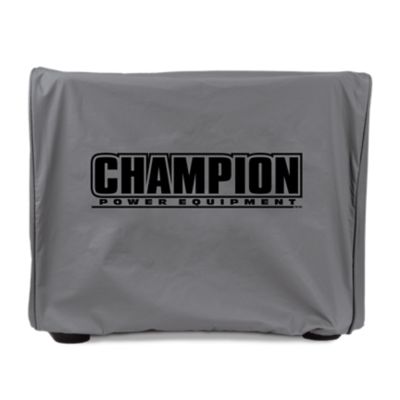
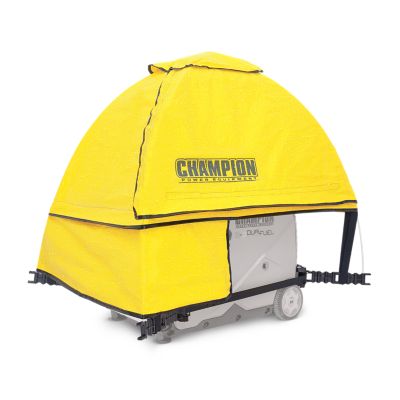
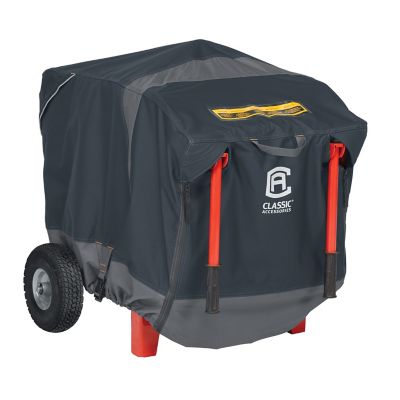
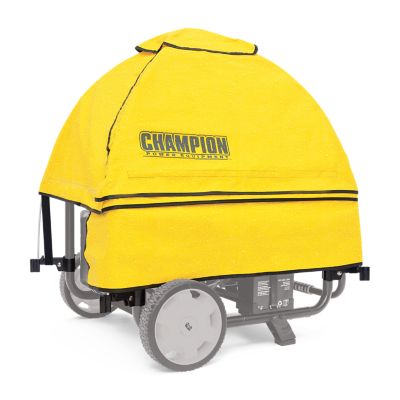
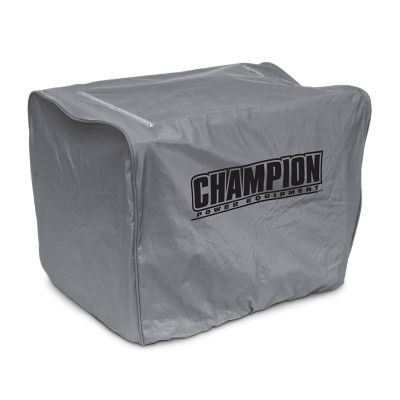
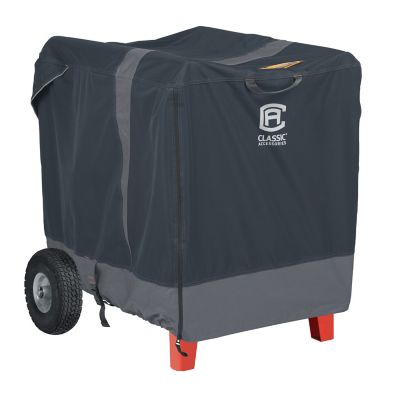
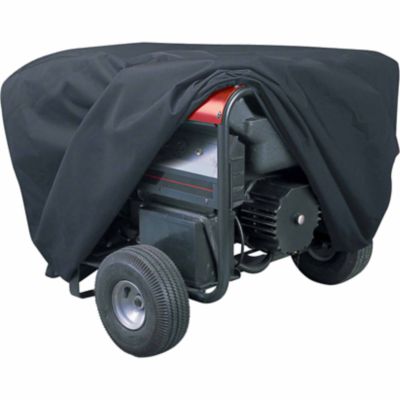
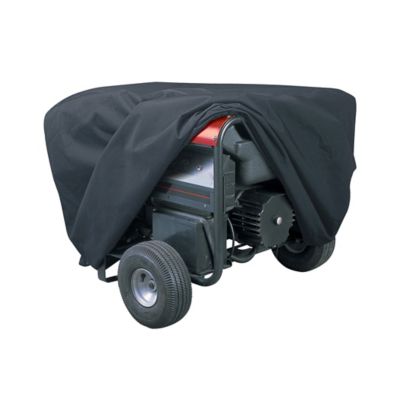
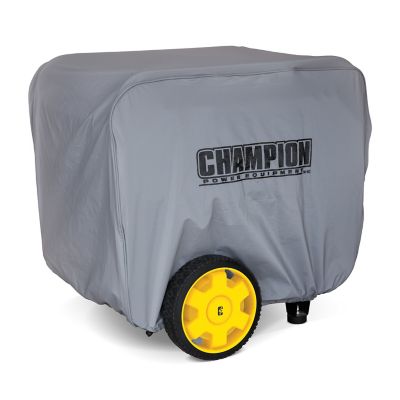
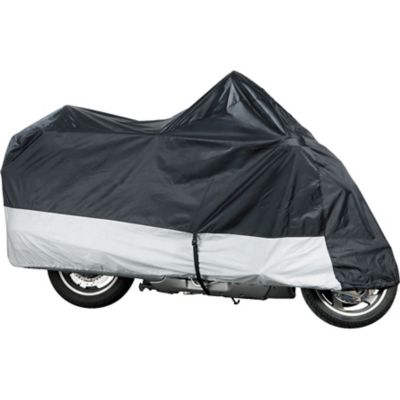
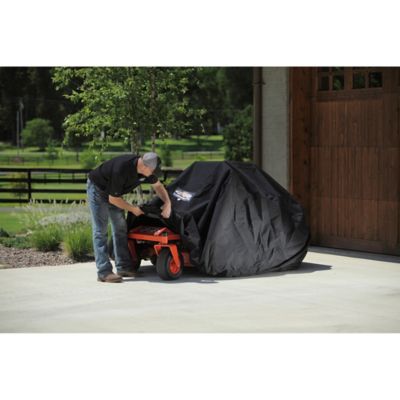
Waterproof generator covers help keep portable power equipment ready for the next storm, job, or stretch of off-grid living. A cover can help block rain, sleet, snow, dust, mud splatter, fallen leaves, and strong sunlight from reaching the generator while it sits in a shed, garage, barn, trailer, or sheltered spot outdoors. That protection matters because moisture around outlets, switches, wiring, and control panels can lead to trouble when power is needed most. During the cooler months, a properly fitted cover also helps keep frost and blowing debris off the machine, while a breathable fabric can help limit trapped condensation. Look for a cover made to fit the general shape and size of your generator, then compare the listed dimensions with the unit’s length, width, and height. A loose cover may flap in the wind or let water collect underneath, while one that is too tight can strain seams, zippers, handles, and corners. Features such as water-resistant fabric, sealed or reinforced seams, UV protection, vents, elastic hems, drawcords, buckles, and tie-down points can make setup easier around a farm, campsite, workshop, or rural home. Access openings are handy when the generator needs to be moved without taking the cover all the way off, and a vented design can help air move around the machine while it is in storage. Keep in mind that “waterproof generator cover” can describe two very different types of protection: a full storage cover that slips over the entire generator and a running cover or canopy made specifically for wet-weather operation. Knowing which job the cover must handle is the first step toward a safe choice.
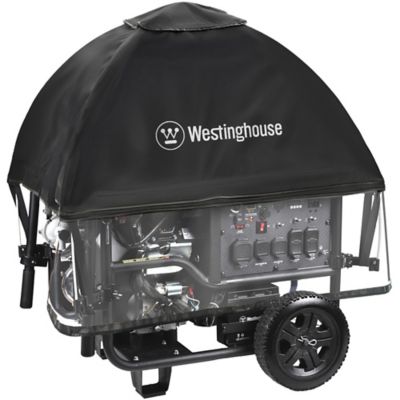
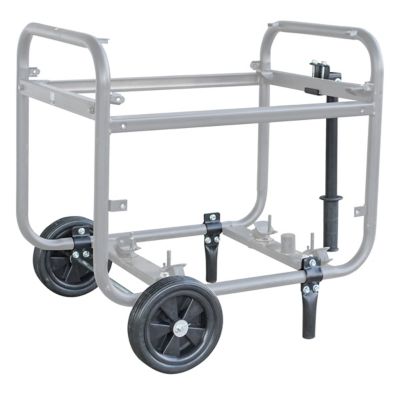
A full storage cover is meant for a generator that is shut down, cool to the touch, and being stored between jobs or after an outage. Never place a storage cover over a running generator. A closed slip-on cover can trap hot exhaust, hold in heat, melt against hot components, and create a serious fire and carbon monoxide hazard. Before covering the unit, turn it off, let the engine and muffler cool completely, and move the generator to a dry, well-ventilated storage area when possible. Brush away leaves and dirt, wipe off moisture, and check that the fuel system and electrical connections are in suitable condition for storage. A running tent or canopy is a different piece of equipment. These covers attach around the generator frame and shield the engine, outlets, and control panel from rain or snow while leaving required openings for cooling airflow and exhaust clearance. Only a cover specifically designed and labeled for operation while the generator is running should be considered for wet-weather power. Follow the cover maker’s directions for placement, clamps, straps, ventilation, and clearance, and keep the generator outdoors and away from doors, windows, vents, porches, and other areas where exhaust could enter. A running canopy does not replace safe generator placement, and it should never block the muffler, air intake, control panel, or cooling openings. Before relying on any waterproof generator cover, check the generator’s frame style, enclosure shape, wattage class, outlet location, fuel access, and exhaust position. Open-frame portable generators and enclosed inverter models often need different dimensions and attachment points. A cover may fit the body yet still interfere with a handle, wheel kit, grounding point, fuel cap, or extension cord, so those details deserve a close look before purchase.
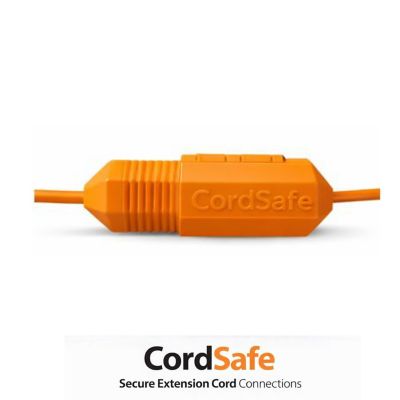
Waterproof generator covers can be helpful for homeowners preparing for wind, heavy rain, ice, or a power interruption; landowners keeping equipment ready near a barn or shop; campers who bring portable power to a dry campsite; contractors working around outdoor tools; and anyone who stores a generator in a trailer, shed, or covered work area. They can also make a practical gift for a new homeowner, someone building an emergency power kit, a family with a rural property, or a friend who spends weekends at a hunting cabin or campsite. A cover is especially useful when the generator is not run often, since dust and sun can settle on the housing even during long stretches of clear weather. For cord connections exposed to damp ground or spray, pair safe generator placement with suitable protection for the connection point, such as
Weatherproof Extension Cord Covers, while following all electrical safety instructions. When shopping this product category, consider the fabric weight, water resistance, airflow, attachment method, storage bag, warranty terms, and whether the cover is intended for storage only or for operation in wet weather. Measure with accessories installed if the cover needs to fit over wheels, handles, or a frame, and leave enough room for the cover to sit without pressing against hot surfaces. Keep the covered generator off bare soil when possible, since standing water and mud can work their way underneath even when the top fabric sheds rain. Check the cover after strong wind, clear heavy snow from the top, and inspect seams, straps, and vents before each season of use. With the right fit and safe handling, a waterproof generator cover helps keep portable power equipment cleaner, drier, and ready for the next job, outage, trip, or storm.