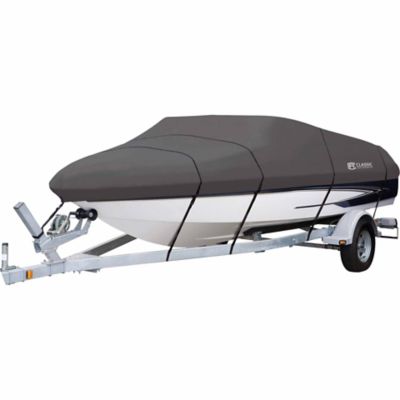
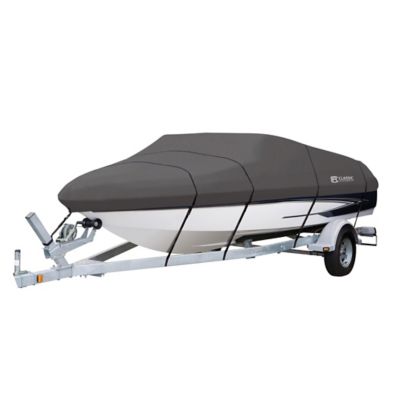
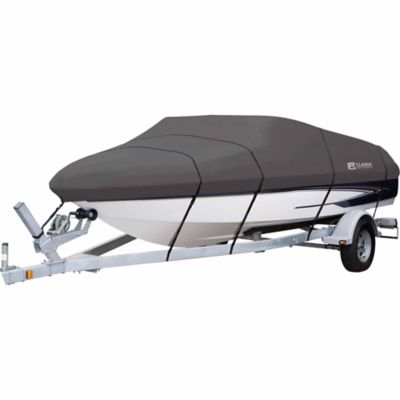
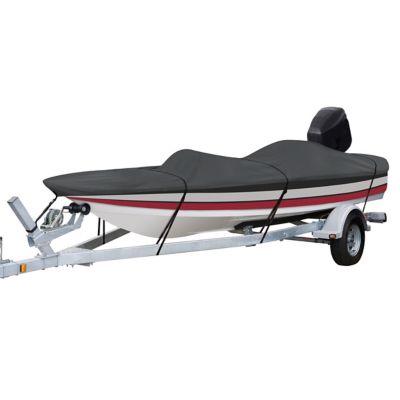
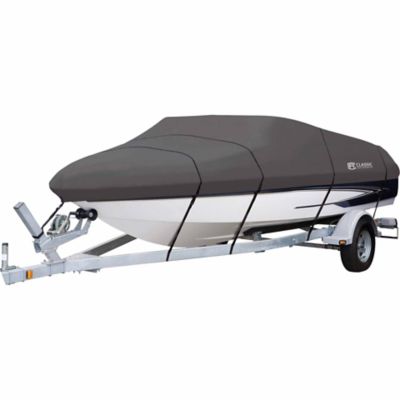
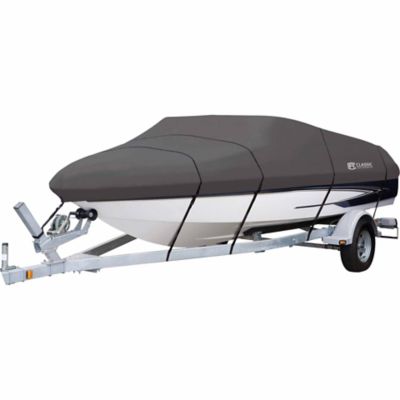
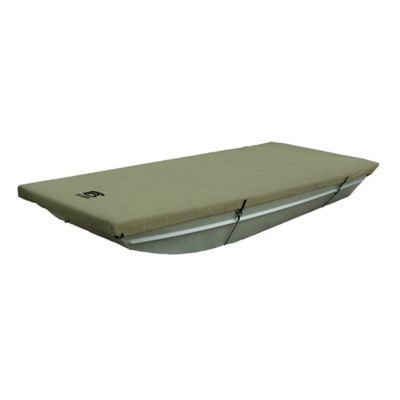
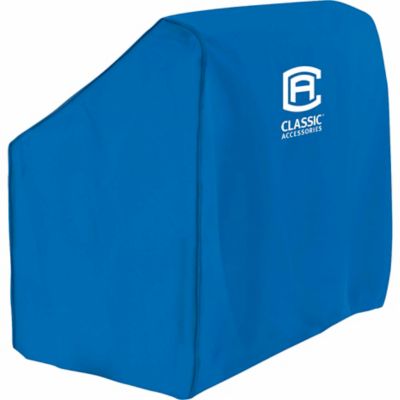
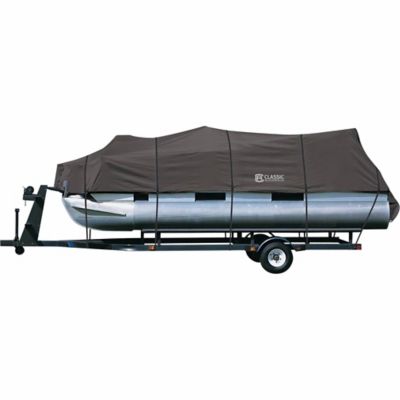
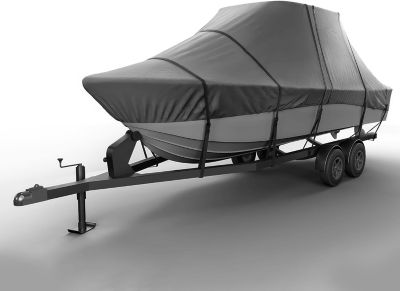
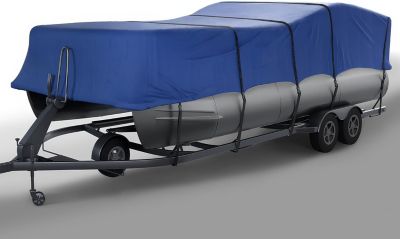
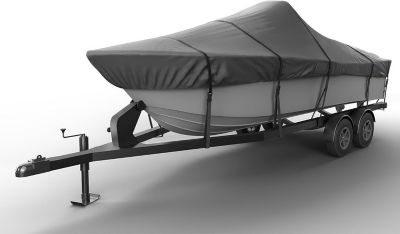
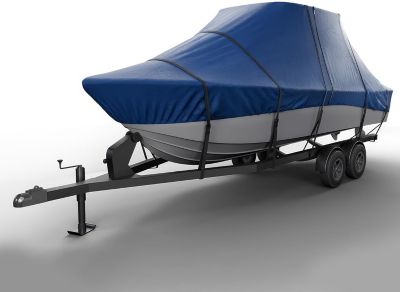
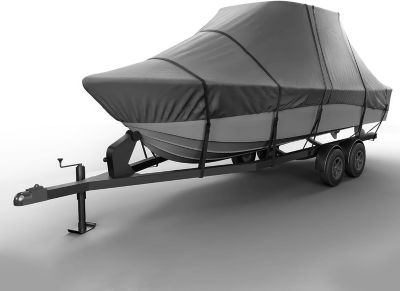
Boat covers help keep a watercraft’s interior protected between trips, whether it sits beside the barn, under a carport, at a dock, or on a trailer. A well-fitting cover creates a barrier against dirt, leaves, bird droppings, sunlight, and rain, helping keep seats, flooring, and storage areas ready for the next outing. That matters on a fishing boat with tackle tucked beneath the seats just as much as on a family runabout with upholstered cushions. The right fit depends on more than the boat’s length. Hull shape, beam width, windshield height, seating layout, and raised equipment all affect how the fabric rests and where it needs extra room. Covers for V-hull boats, flat-bottom jon boats, bass boats, center console boats, and pontoons accommodate different profiles, so matching the boat style is an important starting point. Length generally means the straight-line distance along the centerline from bow to stern, rather than a measurement following the hull’s curves. Beam is the widest straight-across measurement of the boat. An outboard motor usually falls outside that hull-length measurement unless the cover’s sizing directions include it. The sizing chart and coverage description also help clarify whether a cover reaches over the motor, allows room for bow rails, or accommodates a windshield. Tall consoles, trolling motors, towers, and other raised features deserve particular attention because they can pull fabric tight or leave areas exposed when the shape is wrong. A universal-fit boat cover offers flexibility across a stated size range, while a style-specific cover follows a narrower group of boat shapes. Neither should be selected on length alone. Elastic hems, adjustable straps, and reinforced attachment points can help hold the cover around the boat’s perimeter, but they cannot make up for a mismatched profile. A fishing rig with a low deck and a boat with a tall windshield may share the same length while needing very different coverage. A close fit with enough room for the boat’s features supports better protection without excessive loose fabric.
Boat cover materials need to stand up to repeated handling, outdoor exposure, and contact with the boat beneath them. Polyester is a common choice because it offers strength, holds its shape well, and can be treated or coated to resist water and sunlight. Acrylic fabrics are another option in marine applications, with performance depending on the fabric construction and finish. Fabric weight and denier can offer clues about the material, but neither number tells the whole story. Denier describes the size of the individual fibers, not a complete measure of how long a cover will last. Stitching, reinforcement, coating, and resistance to ultraviolet exposure also matter. Reinforced sections around stress points can help where fabric meets windshield corners, rail ends, or other areas that see repeated friction. Seams and fastening points deserve attention because a strong fabric still depends on those connections to stay together under tension. Water-resistant and waterproof descriptions are not interchangeable. A water-resistant cover can shed moisture, while waterproof performance depends on the material and construction, including how seams handle water. Even a cover designed to block rain needs a fit that encourages runoff instead of letting water collect in a sagging pocket. Support poles or a compatible support system can help raise low areas and reduce pooling when the cover’s design allows them. Ventilation matters, too. Moisture can remain inside a covered boat after a fishing trip or washdown, and airflow helps reduce trapped dampness that can contribute to mildew. No cover replaces drying the interior before storage. Sun protection is another consideration for boats that spend much of their time outside, since prolonged ultraviolet exposure can fade upholstery and affect exposed surfaces. Intended use helps narrow the choice: indoor storage calls for protection from dust and incidental debris, outdoor storage adds rain and sun exposure, and mooring requires a design suited to access and fastening while the boat is in the water. Trailering brings a different demand, with moving air pulling at fabric and straps. A storage cover should never be assumed suitable for highway travel unless its stated use includes trailering.
Everyday handling can make a noticeable difference in how well a boat cover holds up. A cover that fits without dragging across gravel is easier to keep free of grit, which can rub against gelcoat, painted surfaces, or upholstery. Smooth contact points and suitable padding at sharp corners help limit abrasion, especially around windshield frames and projecting hardware. For a trailerable boat cover, the specified tie-down arrangement matters as much as the fabric itself. Straps need secure attachment, loose ends need restraint, and any travel limitations in the cover’s directions still apply. A cover flapping against a hull mile after mile can wear both the fabric and the surface underneath it. At home, removing fallen leaves and clearing standing water keeps unnecessary weight from sitting on the material. A boat cover is not a substitute for a structure capable of carrying heavy snow loads, and it should not be treated as one. Routine care usually means gentle cleaning with products allowed by the fabric’s care directions, thorough rinsing when appropriate, and complete drying before the cover is folded away. Harsh cleaners, stiff scrubbing, or machine washing can harm some coatings and seams, so care requirements are worth checking before cleaning. Keeping straps untangled and storing the dry cover away from sharp tools makes the next setup less of a chore. These practical details matter to anglers who launch before daylight, families hauling a boat to the lake, and landowners keeping a small fishing boat near a farm pond. A boat cover can also make a useful gift for a boat owner when the vessel’s dimensions, layout, and storage routine are known; guessing at fit can leave important areas uncovered. For properties where watercraft share space with work equipment,
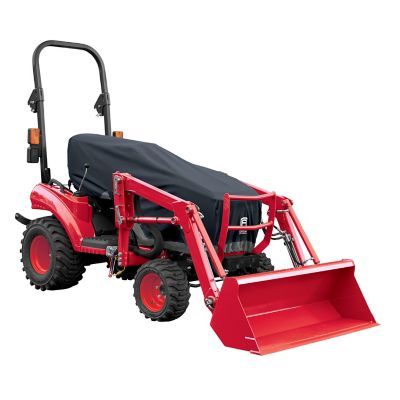
Tractor Covers offer a separate category of protection shaped for tractors rather than boats. Matching each cover to the equipment and its intended setting helps keep the job straightforward, whether that means protecting a fishing boat between launches or covering equipment parked near the shed.