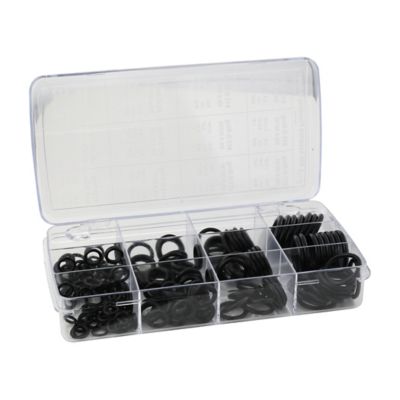
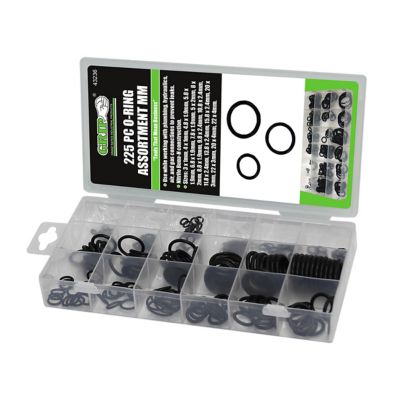
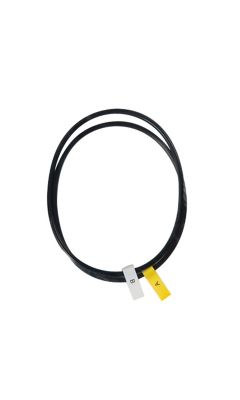
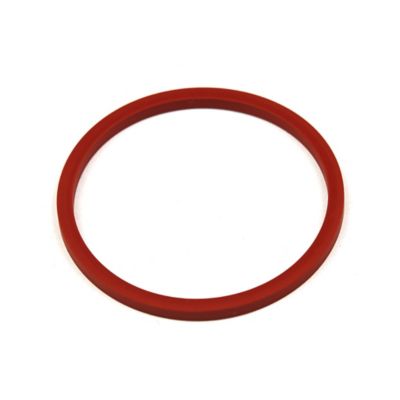
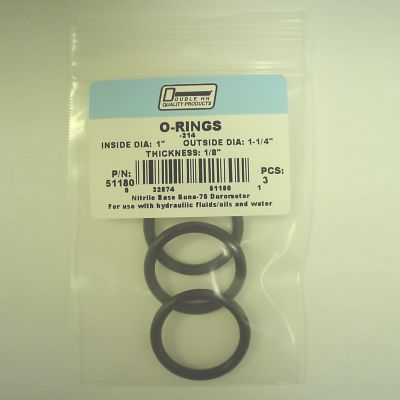
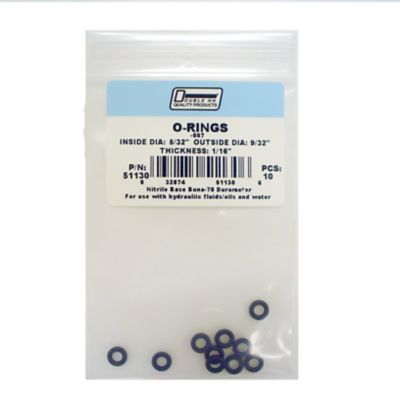
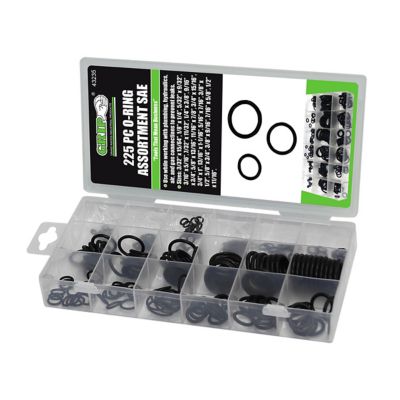
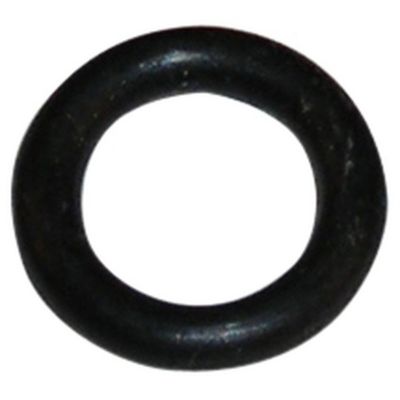
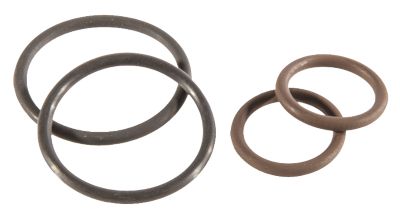
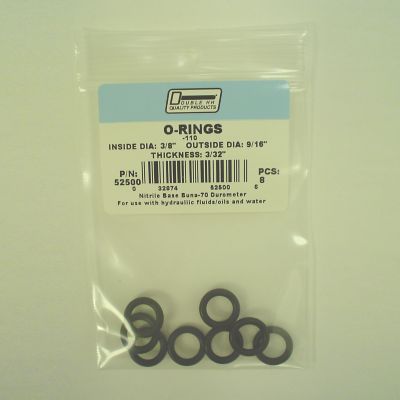
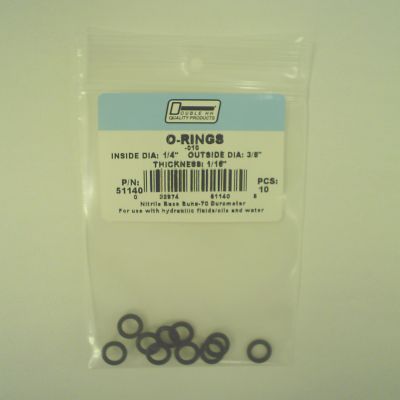
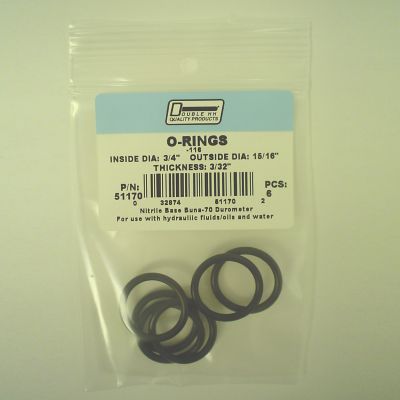
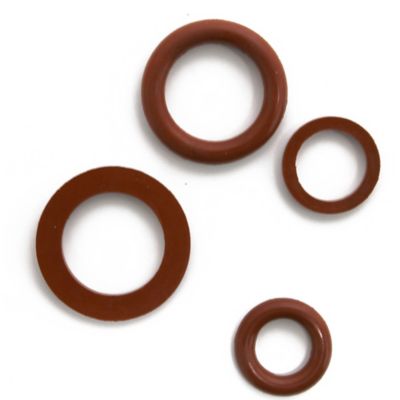
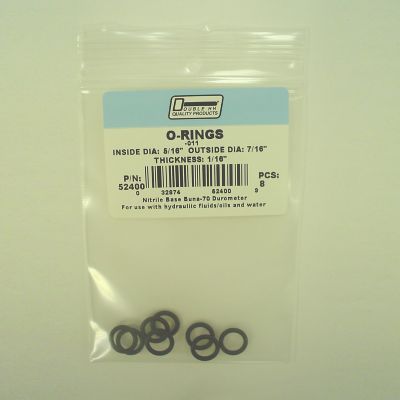
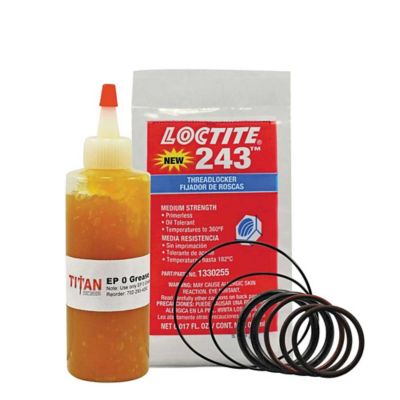
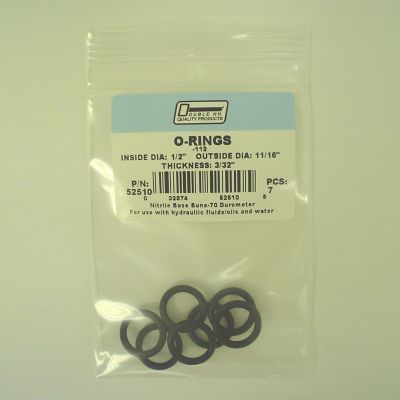
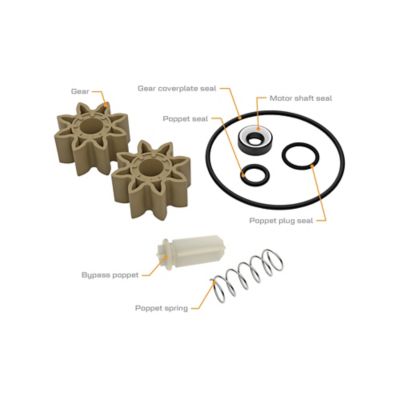
O-rings are small sealing rings with a round cross-section, yet they handle an important job in farm equipment, trucks, trailers, plumbing, irrigation, air tools, hydraulic systems, engines, and plenty of projects around the shop. When an O-ring sits in a machined groove, also called a gland, the surrounding parts compress it and form a barrier that helps keep fluids or gases from escaping. That can mean containing water in a hose connection, hydraulic fluid in a cylinder, oil inside an engine assembly, fuel in a fitting, or air in a pneumatic line. O-rings can work in static applications, where the joined parts stay still, or dynamic applications, where a shaft, piston, or other component moves against the seal. Their simple shape allows the elastomer to press against small surface irregularities, but the right fit and material still matter. When selecting O-rings, start with the equipment and the sealing job rather than choosing by appearance alone. Identify the inside diameter and cross-section needed for the groove, then check whether the size follows an inch-based or metric standard. An old ring can help with identification, though stretching, flattening, swelling, or wear may have changed its dimensions. A groove drawing, equipment manual, or parts reference is often the better source when available. Pay attention to the fluid or gas being sealed, the temperature range, the pressure, and whether the ring will stay in place or move during operation. A ring intended for water service may not be suited to petroleum products, fuel, solvents, or certain cleaning chemicals. Likewise, a ring that performs well in a cool, sheltered connection may not be the right choice near an engine, exhaust system, hydraulic power unit, or other high-heat area.
The elastomer makes a major difference. Nitrile, also known as Buna-N, is a common choice for many petroleum-based oils, hydraulic fluids, and water applications, making it a practical fit for many shop, vehicle, and equipment repairs. Silicone handles a wide range of hot and cold temperatures and is often selected for stationary seals, though it may not be the first choice where abrasion, tearing, or constant movement is involved. Fluorocarbon rubber, often recognized by the name Viton in the sealing industry, offers strong resistance to heat, oils, fuels, and many chemicals. Other materials may be suited to brake fluid, refrigerants, steam, food-contact equipment, or specialized industrial service, so the fluid manufacturer’s guidance deserves a close look. Temperature and pressure work together, too. A seal exposed to high heat, rapid pressure changes, or a moving shaft may need a material and hardness suited to those conditions. Before installation, shut down and depressurize the equipment, drain fluid when needed, and clean the groove and mating surfaces. A tiny metal shaving, grain of sand, or bit of old seal can create a leak path. Look for nicks, scratches, pitting, sharp edges, or burrs that could cut the new ring. Lightly coat the O-ring with a compatible lubricant to help it slide into place without pinching; never assume that every grease or oil is safe for every elastomer. Stretching the ring over threads or splines can damage it, so cover sharp edges with a protective sleeve or smooth wrap when possible. Set the ring evenly in its groove, keeping it flat and free of twists. During assembly, bring the parts together straight instead of forcing them at an angle. A ring that rolls, bulges, gets pinched, or slips out of its gland may leak even when its dimensions appear correct. For moving seals, inspect the shaft or bore for scoring and check that the ring is not exposed to a gap large enough to cause extrusion under pressure.
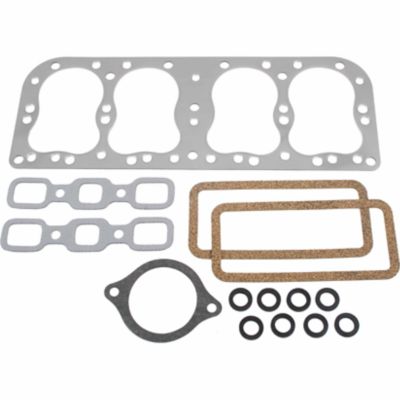
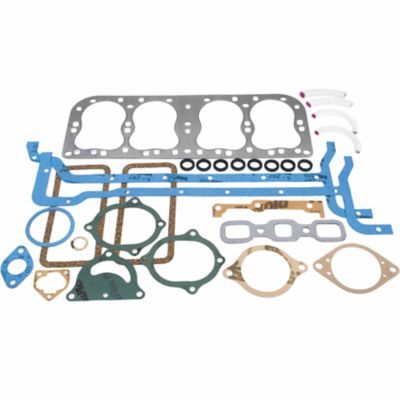
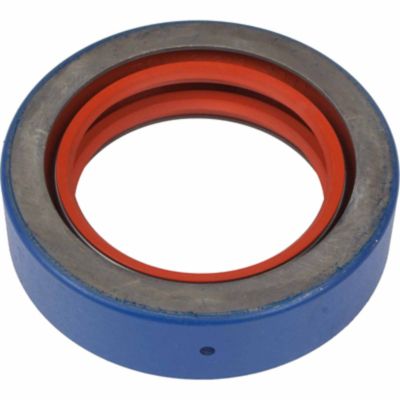
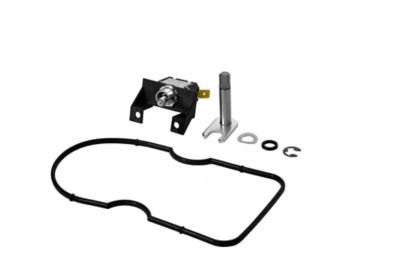
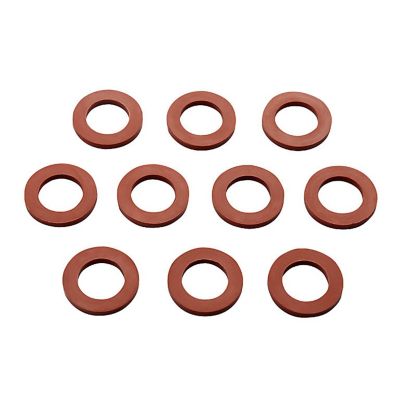
Keeping a small selection of properly identified O-rings on hand can save a trip to town when a loader, pressure washer, stock-tank valve, sprayer, or hydraulic attachment starts seeping during a busy stretch of work. Store rings in a cool, dry place away from direct sunlight, ozone sources, welding areas, and fuels or solvents. Keep them in their labeled packaging or in separate bags so sizes and materials do not get mixed together. Avoid hanging them on nails or stretching them around tools, since long-term tension can affect their fit. During the cooler months, cold temperatures can make elastomers less flexible until they warm to shop temperature; give the ring time to return to normal before fitting it. Seasonal equipment that sits through winter also deserves a quick inspection before it goes back into service, especially around hydraulic couplers, water pumps, sprayers, and fuel connections. For a leak that keeps returning, replacing the ring alone may not solve the problem. The groove may be worn, the mating surface may be scratched, the wrong material may be reacting with the fluid, or excessive pressure and heat may be pushing the seal beyond its intended range. In those cases, compare the old part with the groove dimensions, review the equipment service information, and consider whether a different sealing arrangement is needed. O-rings are one part of a broader sealing system, alongside flat gaskets, shaft seals, washers, and other components. For related sealing needs around machinery, plumbing, engines, and equipment connections, explore
Gasket Seals. With the right size, material, lubrication, and installation, a small ring can help keep a long day in the field or shop from turning into a messy repair.