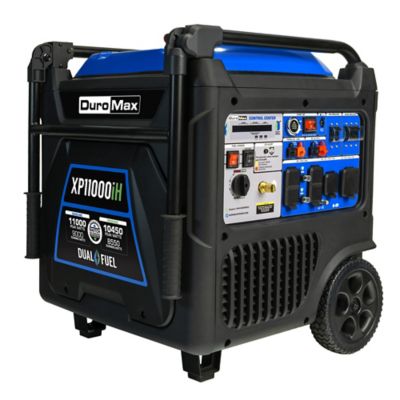
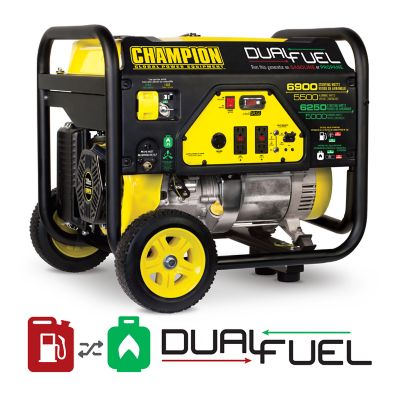
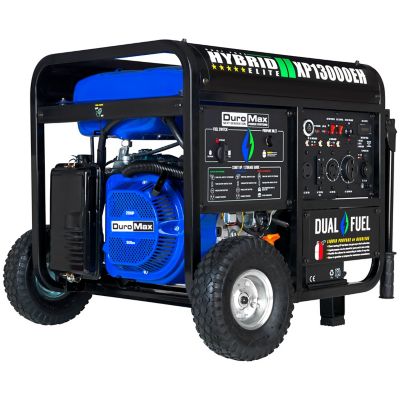
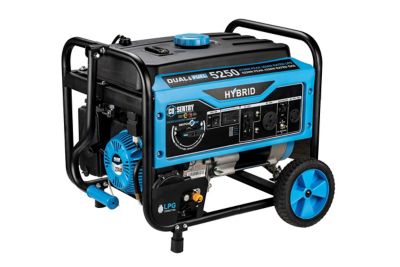
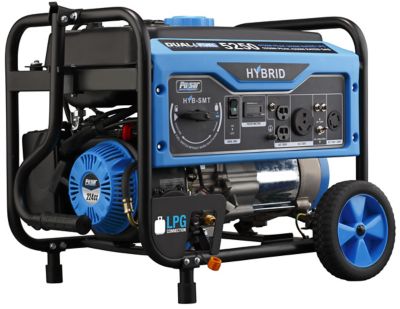
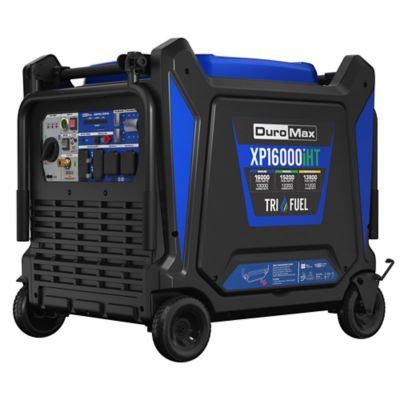
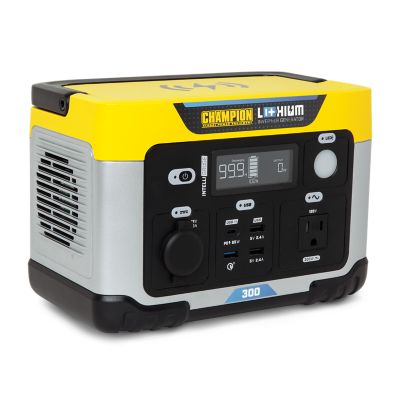
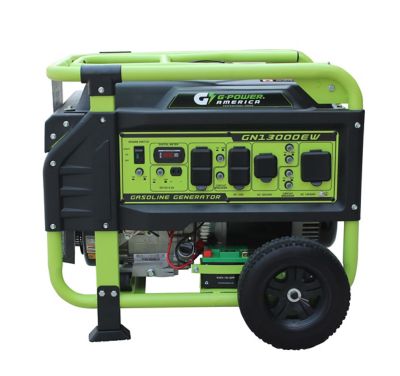
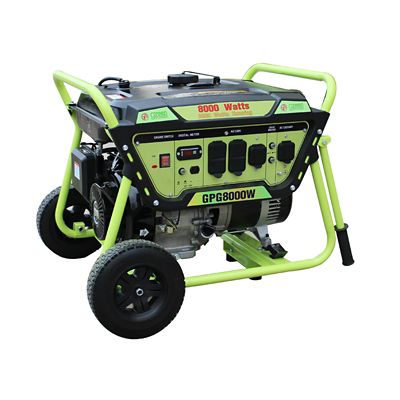
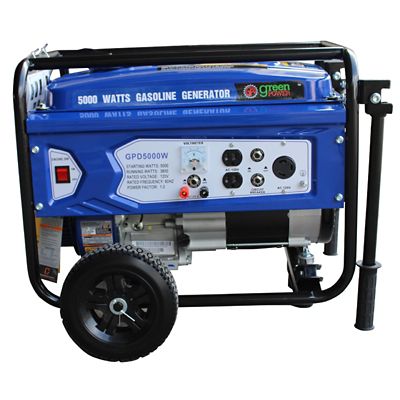
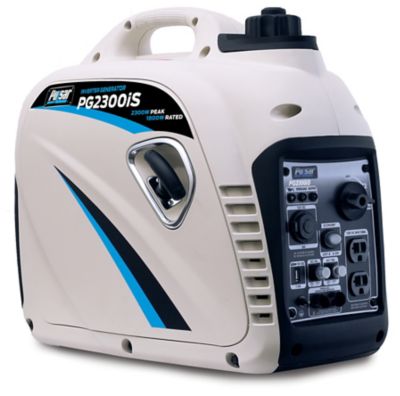
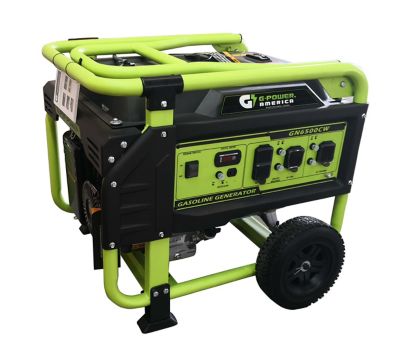
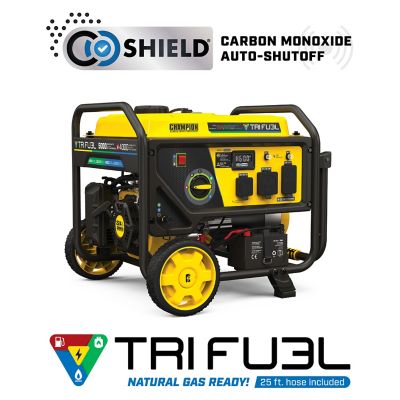
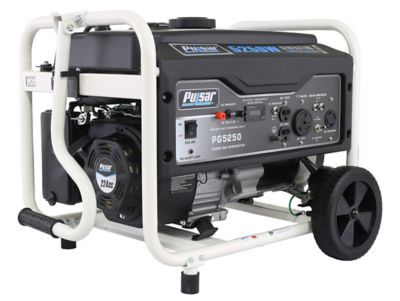
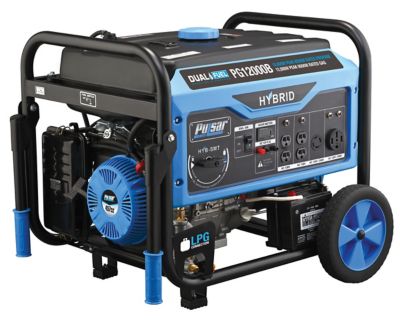
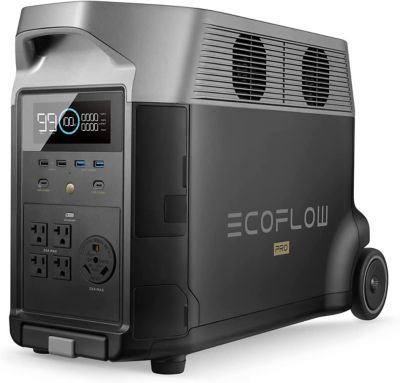
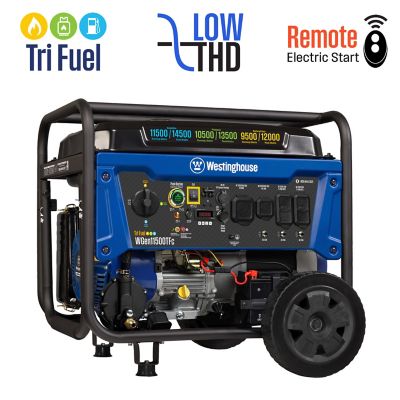
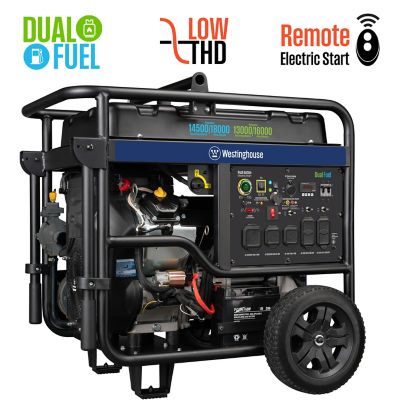
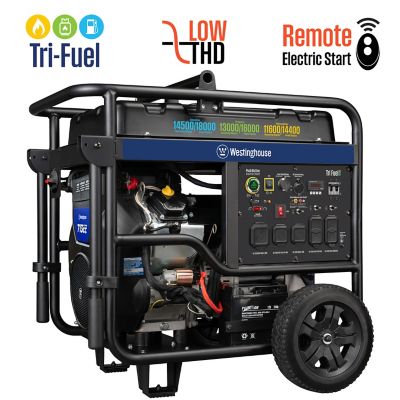
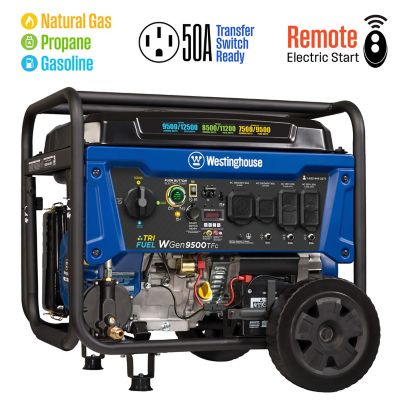
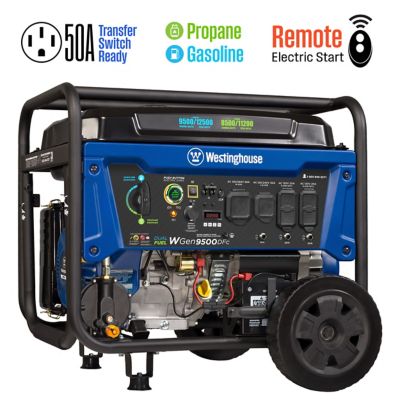
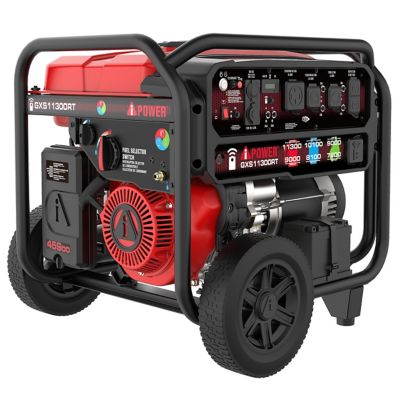
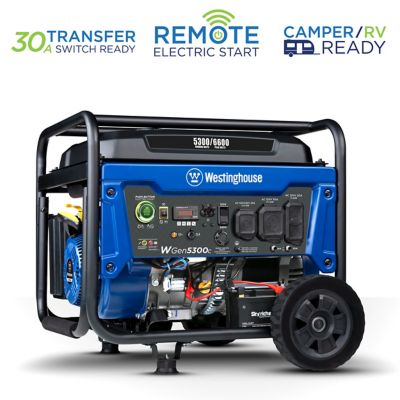
Office generators help keep a workspace steady when the power goes out, whether you run a small business from a spare room, manage a shop on the farm, or oversee a busy office with computers, phones and equipment that cannot simply be shut down. A short outage can mean more than a dark room. It may interrupt internet service, stop payment systems, leave files unsaved, silence security cameras and make it tough for employees or customers to move around safely. The right backup power setup can keep essential office equipment running until utility service is restored. When comparing office generators, start by making a list of everything that needs power and note each item’s running watts and starting watts. Computers, monitors, printers, routers, modems, lights, phone chargers and small appliances all add to the total load, while equipment with motors or compressors may need extra power when it starts. Decide whether you need to support one desk, a home office, a server room, a retail counter or an entire building. A compact portable generator may be a practical choice for a few essential circuits and can be moved where it is needed, while a larger standby system may be better suited to a commercial property that needs automatic backup across multiple rooms. For smaller electronics, an indoor battery power station can offer quiet, stored energy without fuel fumes or engine noise. It may be handy beside a desk for a laptop, monitor, router and phone, especially in a work area where a running engine would be distracting.
Portable generators are useful for offices that need flexible backup power during storms, equipment work or unexpected utility interruptions. Models with wheels and sturdy handles are easier to position, but they still need a dry, well-ventilated outdoor location away from doors, windows and vents. Never operate a fuel-powered generator inside an office, garage, shed or other enclosed space. Carbon monoxide can build up quickly, even when a door is open. Use heavy-duty outdoor-rated extension cords sized for the load, or have a qualified electrician install a proper transfer switch or inlet connection. A transfer switch helps prevent electricity from feeding back into utility lines, which protects utility workers and your own equipment. If the generator will support computers, networking equipment or other sensitive electronics, look for clean, stable power and consider using an uninterruptible power supply for orderly shutdowns and extra protection. Fuel storage matters, too. Keep approved fuel containers in a cool, ventilated area away from sparks and ignition sources, and follow the generator’s instructions for fuel type, refueling and maintenance. Propane may be convenient for some operations, while gasoline can be easy to find during a widespread outage; the best fit depends on how long you expect to run the unit and what fuel is available at your location. Test the setup before an emergency, let the generator run under load, check the cords and connections, and keep maintenance supplies close at hand. For a simpler backup routine, explore
Generators For Easy Operation to find options designed with straightforward controls and everyday use in mind.
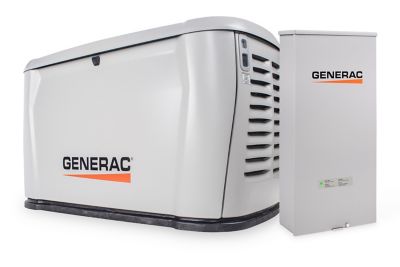
A permanent standby generator is worth considering when an office depends on dependable power for longer stretches or when someone may not be on-site to start a portable unit. These systems are installed outside and can switch on automatically after detecting an outage, helping maintain lights, computers, security systems, refrigeration, climate control or other priority equipment. Installation and sizing should be handled with the help of a qualified professional, especially when the system will connect to a building’s electrical panel or support multiple circuits. Offices with servers, medical records, access controls or important communication equipment may also benefit from layered backup: a standby generator for extended operation, battery backup for brief interruptions and surge protection for sensitive devices. Make a simple priority list before choosing a capacity. Keeping a router, a few workstations, emergency lighting and a phone system running takes less power than maintaining every outlet, heating and cooling system or large appliance in the building. During warmer weather, reliable ventilation and cooling can protect people and electronics from uncomfortable heat. During the cooler months, backup power may help maintain safe indoor temperatures, lighting and security while staff wait for service to return. Office generators can also be a thoughtful gift for a family member who works from home, a contractor who handles paperwork from a jobsite, or a small-business owner who cannot afford to lose a full day of orders and appointments. Keep a written shutdown plan near the equipment, label the circuits that receive backup power and make sure everyone who may use the generator understands the basics. With the right size, safe placement and a little practice, backup power can turn a stressful outage into a manageable pause instead of a full stop.