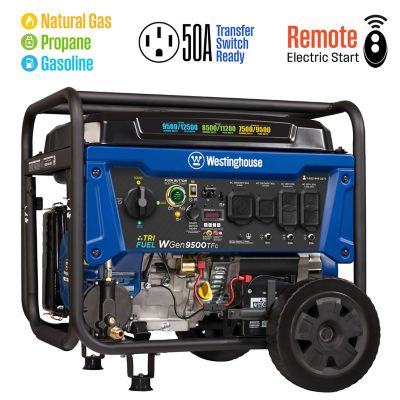
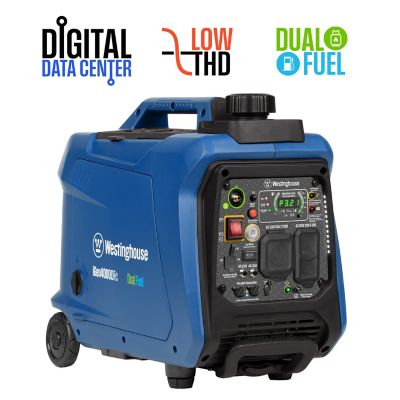
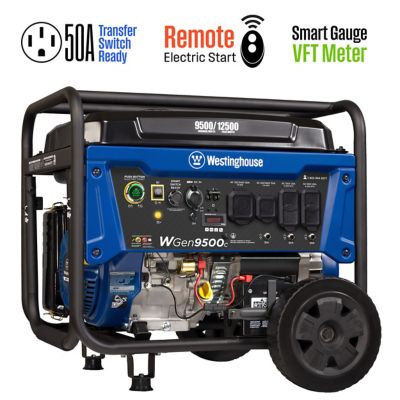
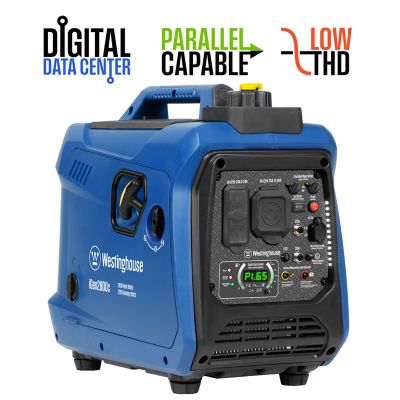
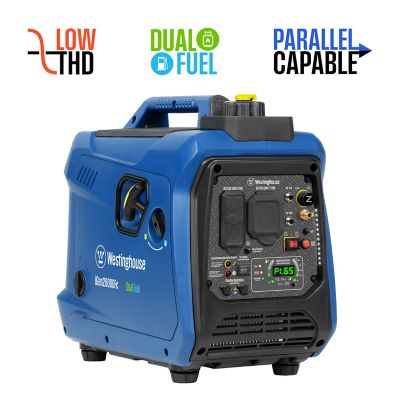
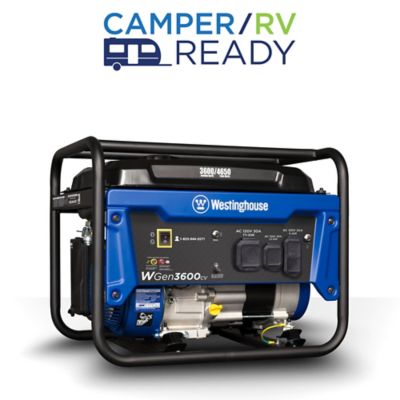
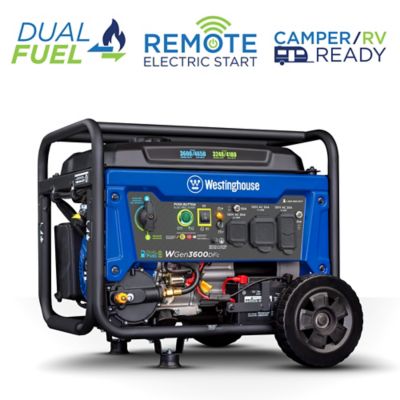
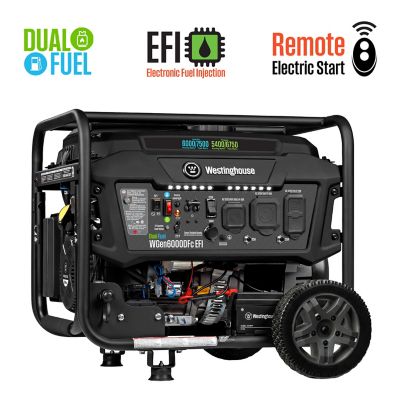
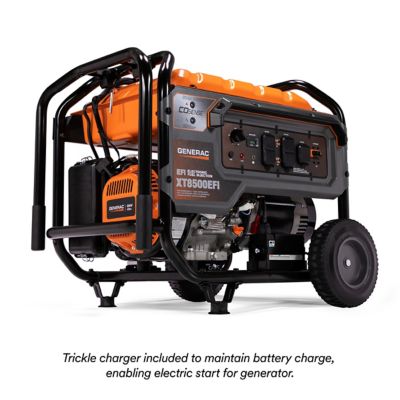
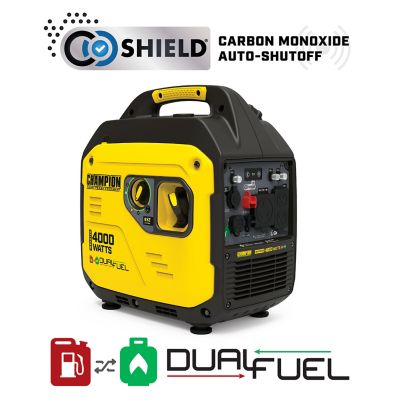
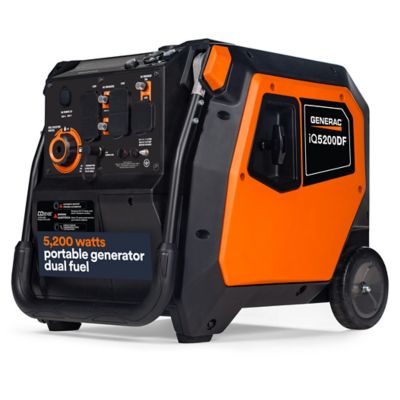
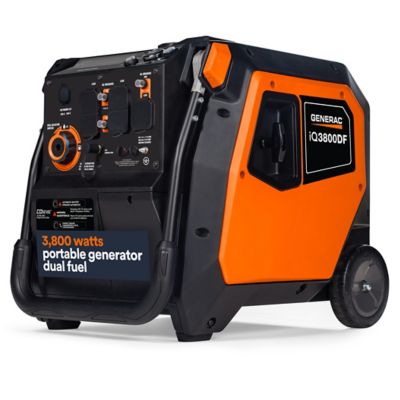
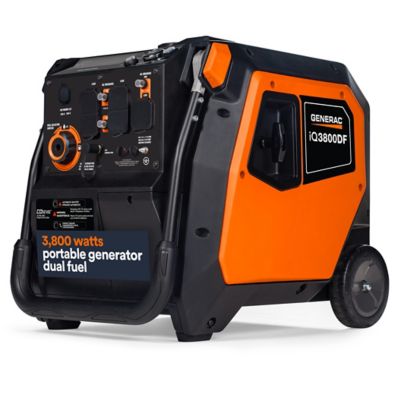
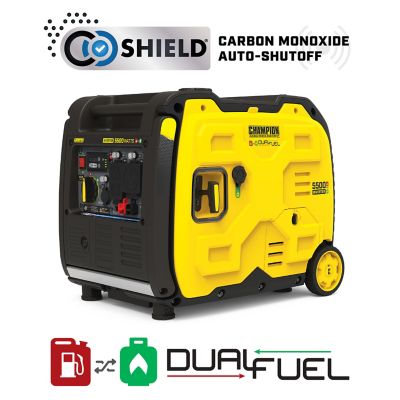
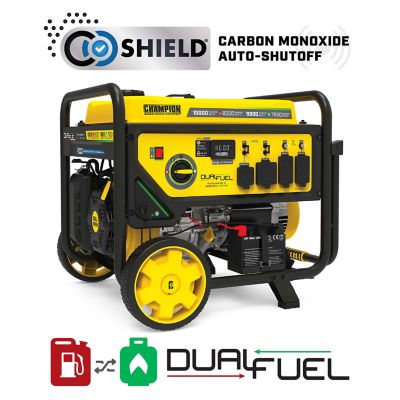
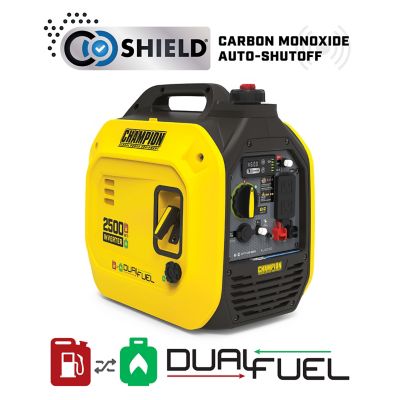
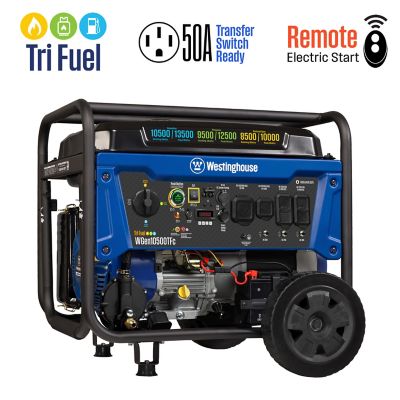
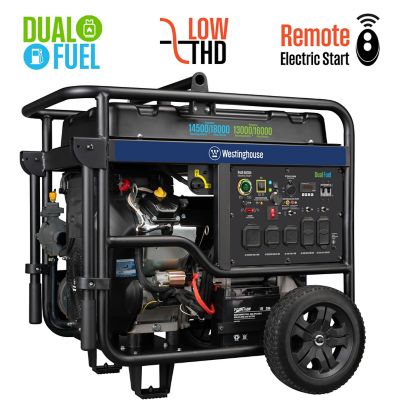
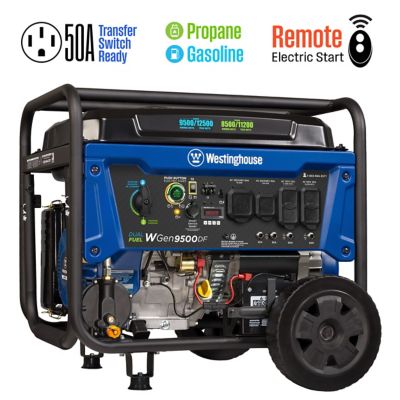
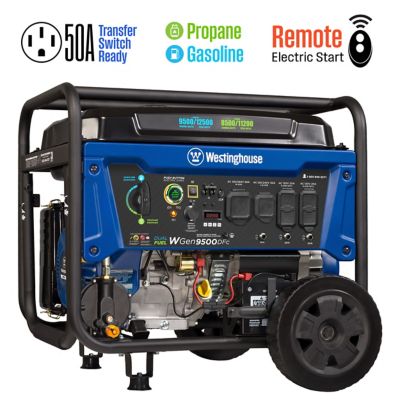
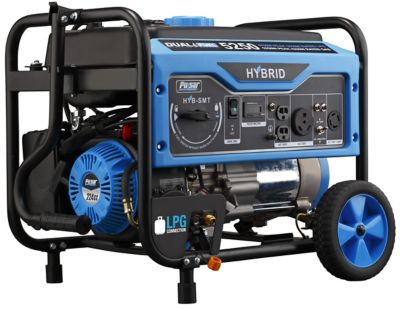
Generators for easy operation put straightforward starting, readable controls, and manageable upkeep at the center of the design. Depending on the model, helpful features include push-button ignition, remote-start controls, an easy-to-read control panel, and built-in maintenance tracking. Those details can mean less fuss when powering tools around the property, supplying electricity at a campsite, or keeping essential appliances running during an outage. Electric starting takes the repeated pulling out of startup, though it also means keeping the starting battery charged according to the manufacturer’s directions. Some designs pair electric starting with a recoil backup, giving the operator another starting method when needed. Remote starting can save a walk back to the generator, provided the unit is positioned safely and operated within its stated range. Clearly marked switches, accessible outlets, and a display showing output or operating hours make it easier to understand what the machine is doing without hunting through a crowded panel. Just as important, an easy-running setup needs enough power for the job. Running watts describe the power a generator can supply continuously, while starting watts account for the brief extra demand that some motors draw at startup. A refrigerator, well pump, or air compressor may need substantially more power to start than to keep running. Matching those demands to the generator’s rated capacity helps prevent overloads and interruptions. For a fence repair project, that might mean allowing for a compressor to cycle while another tool is connected. For home backup, it means accounting for the essential appliances expected to run together rather than judging by the largest wattage number on the label. Inverter designs are worth considering for electronics when their electrical output specifications meet the equipment’s requirements. Outlet types, voltage, and amperage matter, too; the right wattage alone does not make every connection suitable. The most convenient generator is one whose starting system, controls, and electrical capacity fit the work it will actually handle.
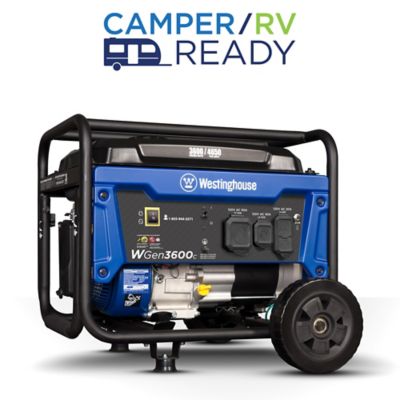
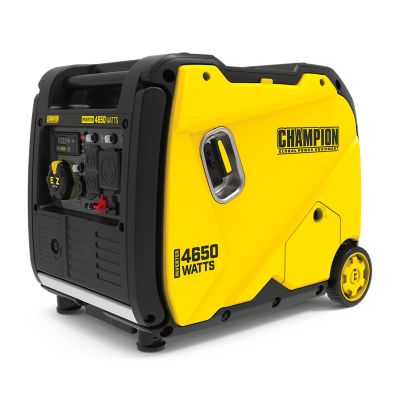
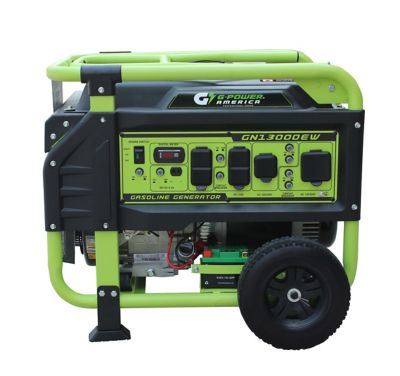
Getting a generator from the storage area to its operating spot is another big part of everyday ease. Overall weight, handle placement, wheel size, and frame shape all affect how manageable a portable unit feels around a driveway, campsite, or work area. Larger wheels can help with uneven ground, while folding handles can reduce the space needed between outings. Carry handles should provide a secure grip without putting hands near engine or exhaust components. For jobs that call for frequent loading and unloading,
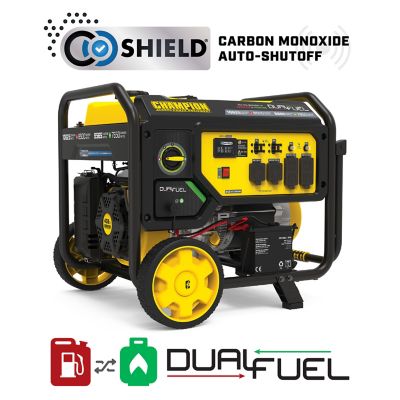
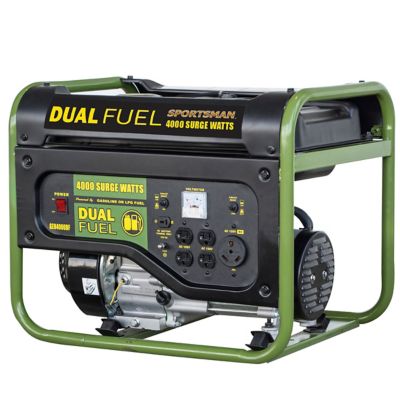
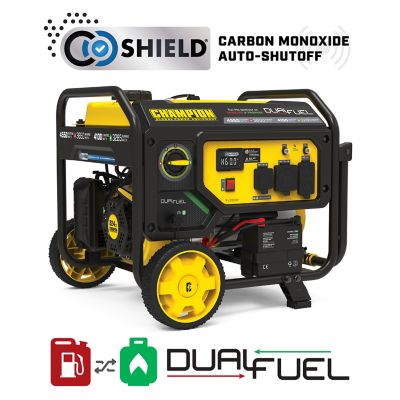
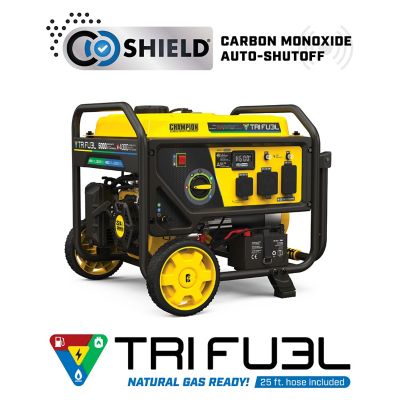
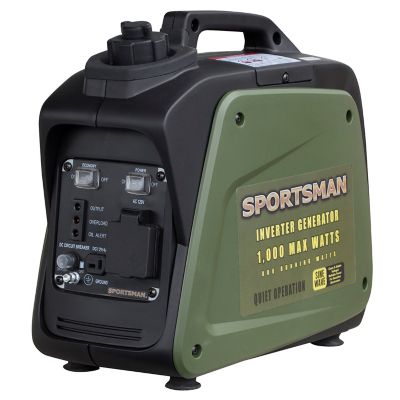
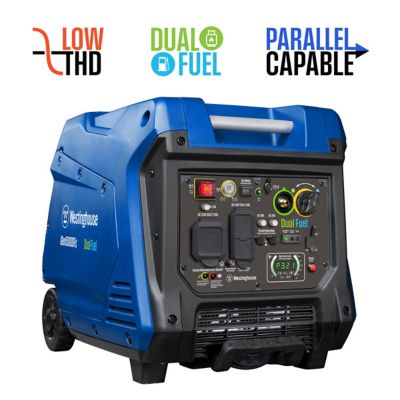
Lightweight Generators offer another category to consider alongside output needs and lifting limits. Weight comparisons should account for fuel and any accessories that travel with the generator, not just the listed dry weight. Steel frames can help shield working components, protective housings can keep controls organized, and vibration-isolating mounts can reduce movement during operation. The fit still comes down to the setting: a compact footprint may suit a crowded transport vehicle, while a larger wheeled frame may make more sense for equipment that stays close to the property. Fuel arrangements also shape convenience. Gasoline operation calls for approved fuel containers and proper storage, while a dual-fuel design can offer gasoline or propane operation according to its specifications. Output and run time may differ by fuel, so the rating for the intended fuel matters. Tank capacity and run-time estimates are most helpful when read alongside the stated electrical load; a long run-time figure at a light load does not describe every job. Accessible oil-fill points, readable oil-level checks, reachable air filters, and practical drain locations make routine care less awkward. Hour meters and service reminders help keep maintenance tied to engine hours rather than guesswork. Low-oil shutdown can help protect an engine, but it does not replace checking the oil as directed. Attention to air filters, fuel condition, battery care, and storage procedures helps keep a generator ready for its next stretch of work.
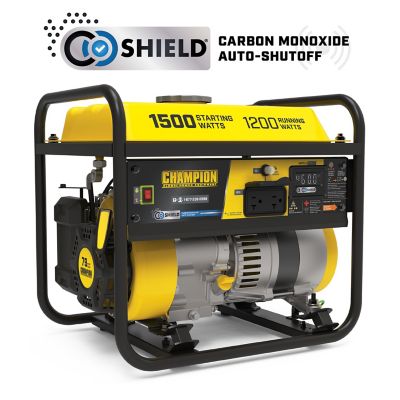
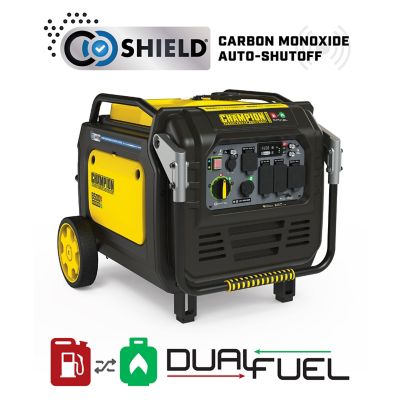
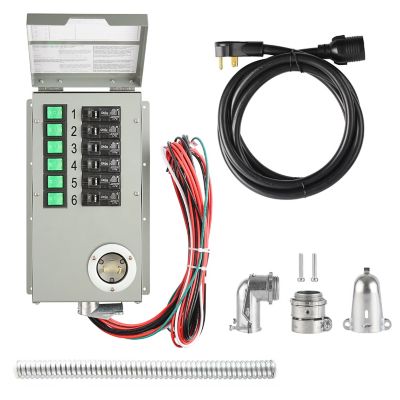
Simple operation also depends on a setup that keeps safety from becoming an afterthought. Portable fuel-burning generators belong outdoors, at least 20 feet from the home and other occupied buildings, with exhaust directed away from doors, windows, vents, people, and animals. They must never run inside a garage, barn, shed, or other enclosed or partly enclosed space, even with doors open. Carbon monoxide shutoff features provide an added safeguard on equipped models, not permission to shorten those distances or run a generator indoors. Working carbon monoxide alarms inside the home remain important. A firm, level operating surface and the clearances specified in the owner’s manual help support safe operation and access to the controls. Refueling requires shutting the engine down and allowing it to cool, with fuel kept away from ignition sources. Electrical connections deserve the same attention. Properly rated cords, compatible plugs, and the required grounding and ground-fault protection help match the setup to the task. Cords need enough capacity for both the connected load and their length, without damage or makeshift repairs. Supplying household circuits requires approved transfer equipment installed by a qualified electrician in accordance with local requirements; plugging a generator into a household wall outlet can send power onto utility lines and endanger others. At a campsite, the generator outlet and the RV connection must match the electrical requirements, with properly rated equipment for the connection. Noise is another consideration, especially when people are talking nearby or neighboring campsites are close. Sound ratings are best compared under similar load and measurement conditions rather than taken as a promise of the same sound level everywhere. For a small acreage, a mobile work setup, or essential backup power, convenience comes from these practical details working together: a manageable frame, understandable controls, suitable connections, and maintenance points that are easy to reach. That combination makes routine operation more straightforward without overlooking the care that any engine-powered machine needs.