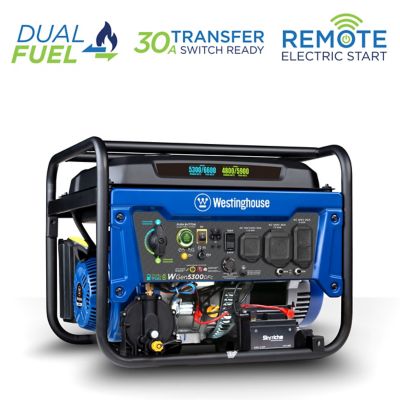
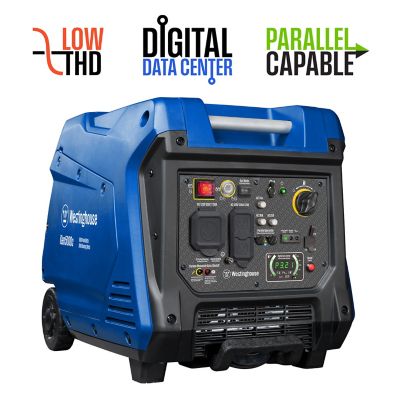
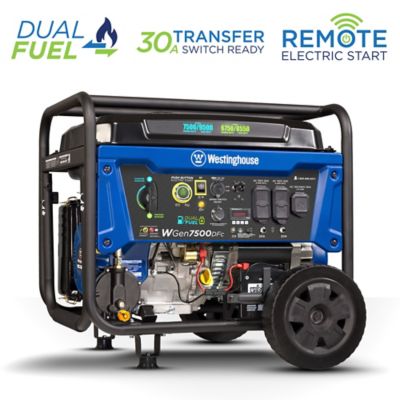
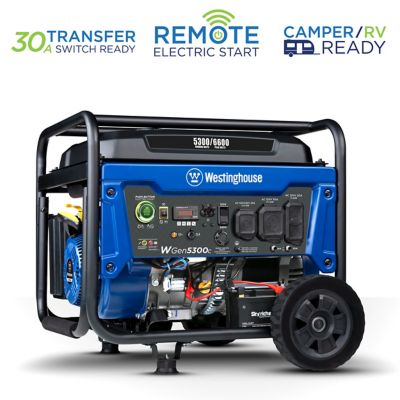
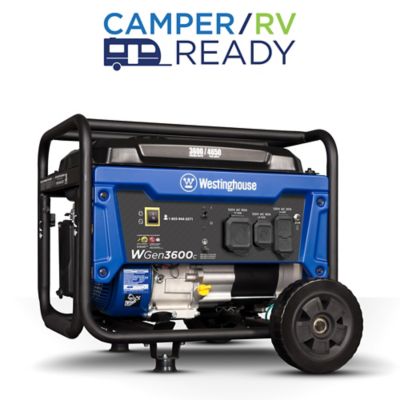
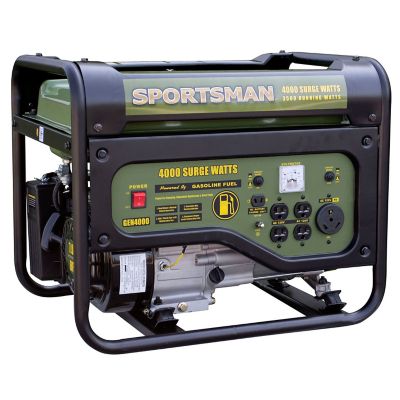
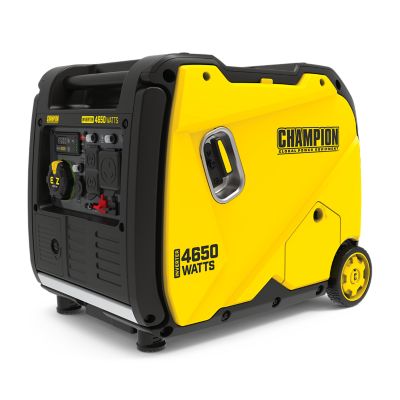
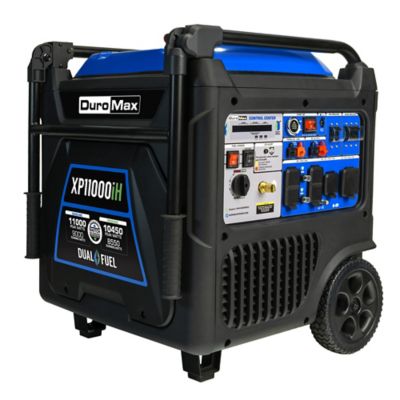
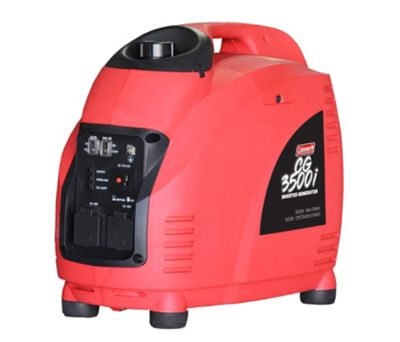
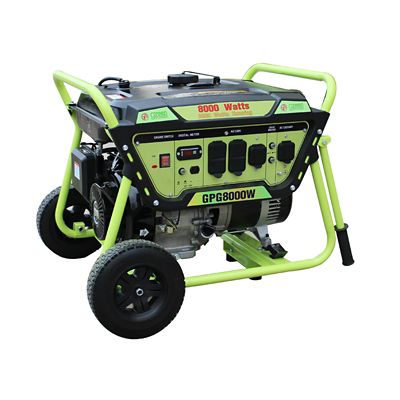
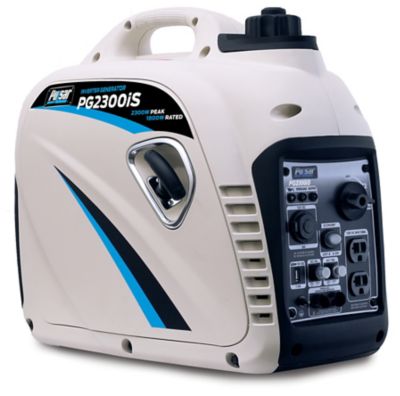
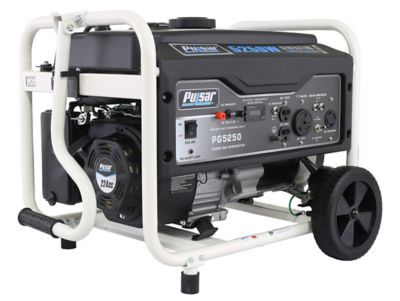
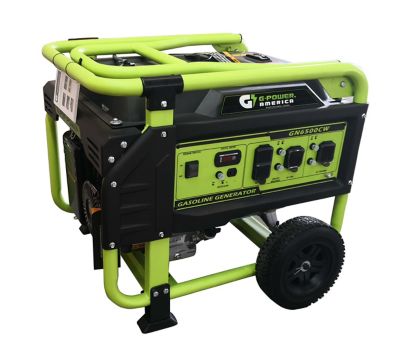
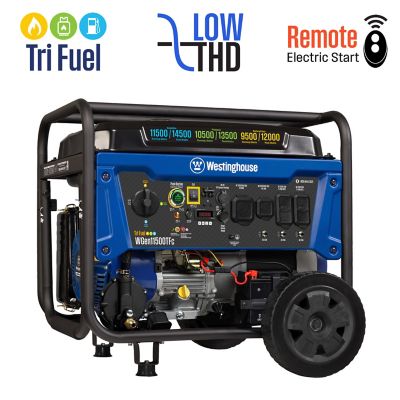
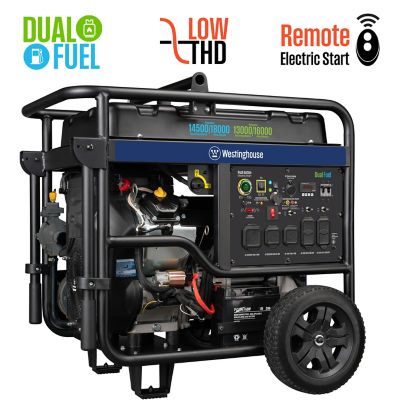
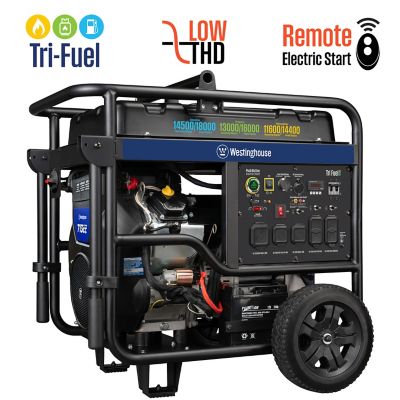
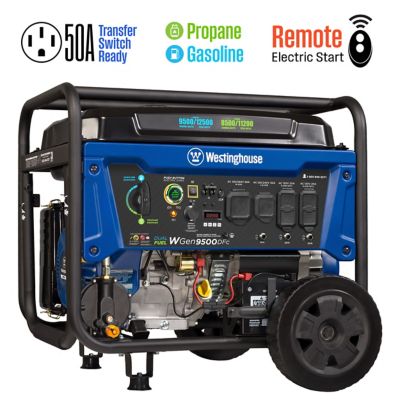
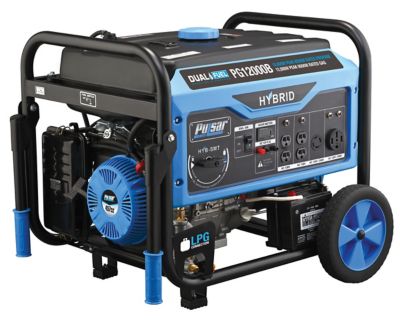
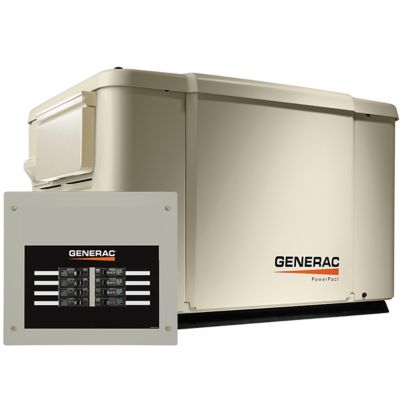
Black generators bring dependable backup power in a dark, low-key finish that fits right in beside a barn, workshop, garage, camper, or home. In most product searches, “black generators” refers to portable or standby generators with a black body design, rather than a separate kind of fuel or engine. They may be used to keep important appliances running during a utility outage, power tools at a remote worksite, provide electricity for camping and tailgating, or support farm chores away from a convenient outlet. A portable generator can be moved where power is needed, whether that means lighting a shed, running a sump pump, charging phones, or keeping a refrigerator cold while the lines are down. A standby generator is installed in place and is intended to provide more automatic home or building backup. The right choice depends on what you need to run, how long you expect to run it, and how much moving and setup you want to handle. Someone needing power for a few lights and small appliances will have different needs from a household protecting a well pump, freezer, furnace blower, or medical equipment. Make a list of the items that matter most, then check each appliance’s starting watts and running watts. Motors found in refrigerators, pumps, air compressors, and power tools often need an extra burst of electricity when they start, so sizing by running watts alone can leave a generator struggling. Adding the starting demand of the largest motor loads, along with the running watts of other equipment you plan to use at the same time, gives you a more useful target.
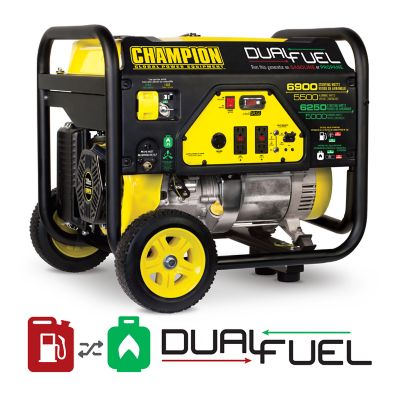
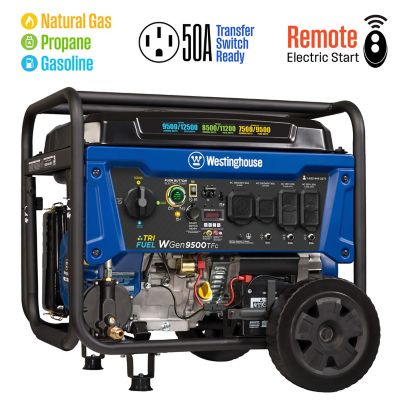
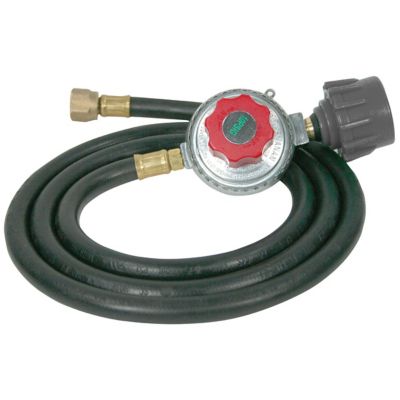
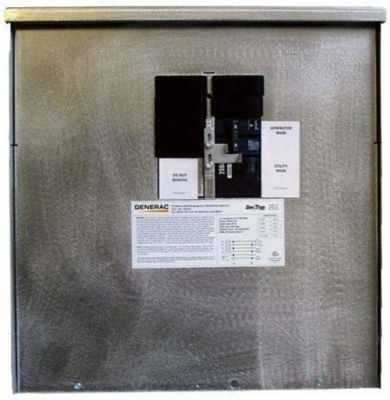
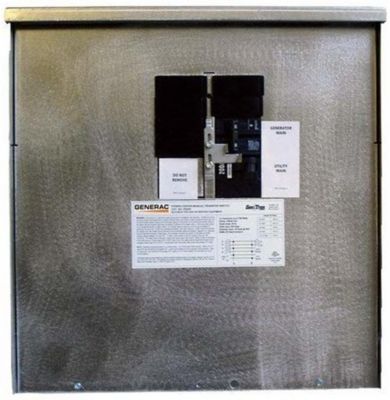
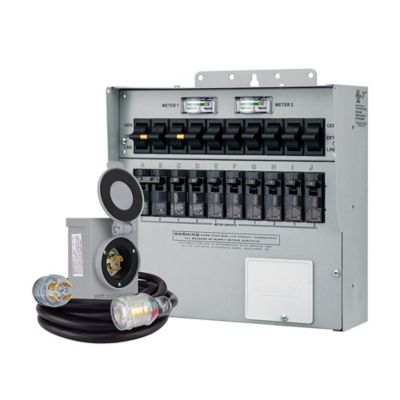
Fuel type is another practical part of the decision. Gasoline-powered generators are widely available and familiar to many homeowners, while dual-fuel models can offer added flexibility by running on gasoline or propane. Propane stores for long periods when kept in an approved container, which can be helpful for emergency preparedness, though cold weather and fuel availability still deserve consideration. Diesel generators are commonly chosen for demanding, extended-duty applications and heavier equipment. Always follow the owner’s manual for approved fuel, storage, oil checks, maintenance intervals, and load limits. Features such as electric start can save a stiff pull on a cold morning, while a recoil start offers a straightforward backup if a battery is low. Look for automatic low-oil shutdown, overload protection, fuel gauges, sturdy handles, wheels, and outlets that match the cords and equipment you use. Carbon monoxide monitoring and automatic shutoff add an important layer of protection, but they do not replace safe placement. Run a portable generator outdoors, far from doors, windows, crawl spaces, and vents, with the exhaust pointed away from the home. Never operate one in a garage, barn, shed, basement, or enclosed porch, even if the door is open. Keep it dry and protected from rain, snow, and standing water, and use properly rated outdoor extension cords. A transfer switch installed by a qualified electrician is the safe way to connect a generator to household wiring; plugging a generator into a wall outlet can send power back through the lines and seriously injure utility workers or neighbors. For larger properties, shops, agricultural buildings, or commercial demands, explore
Professional Generators for equipment suited to more involved power needs.
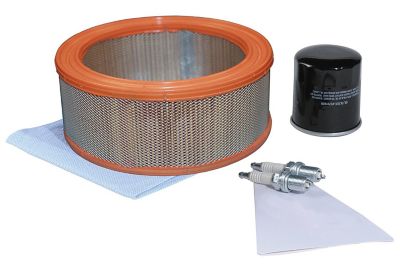
A black generator can make a useful gift for a new homeowner, camper, hunter, livestock owner, do-it-yourselfer, or anyone who spends time working where utility power does not reach. It is the sort of present that may sit quietly for months, then prove its worth when a windstorm knocks out the lines, a winter freeze threatens the pipes, or a late-night repair calls for light in the driveway. On a farm or rural property, backup power can help preserve food in a freezer, keep a well system operating, maintain ventilation, and provide light for checking animals after dark. At a campsite, it may run a small refrigerator, lights, chargers, or selected cooking equipment, provided the noise and fuel use suit the setting. Before giving one as a gift, consider the recipient’s storage space, physical ability, preferred fuel, and likely wattage needs. A compact portable unit may be easier to store in a truck or utility room, while a larger model may be a better fit for a fixed location and heavier loads. It also helps to plan for the basics that make a generator useful when the power goes out: fresh fuel or a properly filled propane cylinder, heavy-duty outdoor cords, a weather-safe operating spot, and a simple maintenance schedule. Run the generator periodically according to the manual, inspect cords for damage, keep vents clear, and store fuel safely away from heat and ignition sources. During the cooler months, check that the battery is charged and the starting system works before rough weather arrives. With thoughtful sizing, safe operation, and regular care, a black generator can provide steady peace of mind without taking up more attention than the job requires.