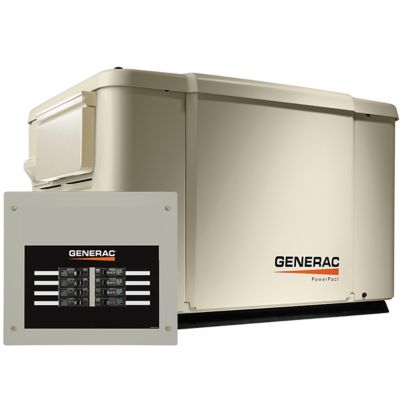
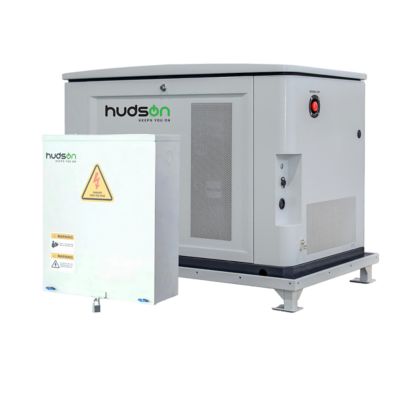
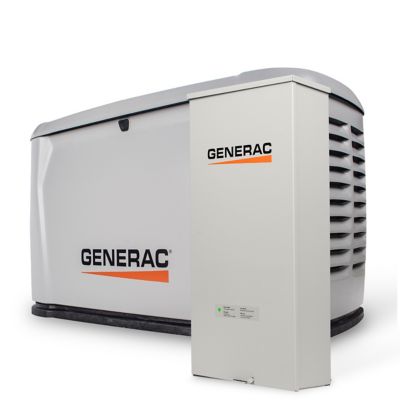
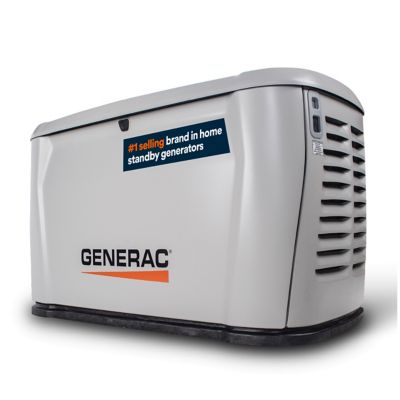
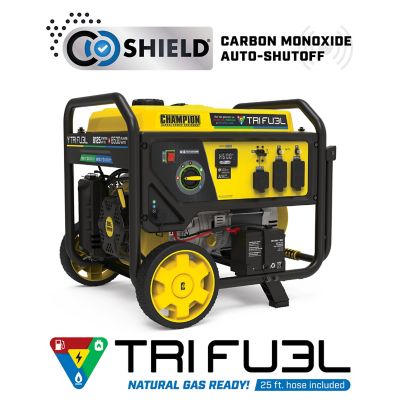
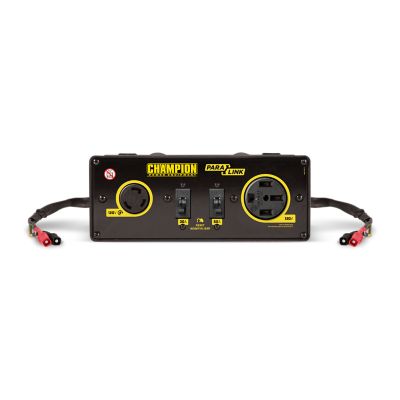
Automatic generators help keep power available when the electric service drops, when a remote job needs dependable electricity, or when a vehicle-mounted setup has to run tools and equipment away from the shop. Depending on the application, “automatic generator” can describe several kinds of equipment. A standby generator can monitor incoming utility power and start on its own during an outage, while a portable gas, propane, diesel, dual-fuel, or tri-fuel generator can provide backup power when it is placed and started according to the manufacturer’s instructions. Vehicle-mounted units and power take-off, or PTO, generators use an engine or truck drivetrain to make electricity at a worksite, farm, campground, or roadside location. An automotive alternator is another related type of charging equipment, converting mechanical energy from a vehicle engine into electrical power for the battery and the vehicle’s electronics. Looking through automatic generators, it helps to first pin down the job: whole-home backup, refrigeration and well pumps, livestock care, emergency lighting, mobile repairs, construction work, or occasional power for an RV or outdoor gathering. A homeowner in the country may rely on backup power to keep a freezer cold, maintain a well pump, and leave a barn’s automatic watering system running when a storm takes down the line. A contractor may need steady electricity for saws, chargers, lights, and compressors where no utility connection is available. For larger jobsite needs, explore
Construction Site Generators for equipment suited to demanding work environments.
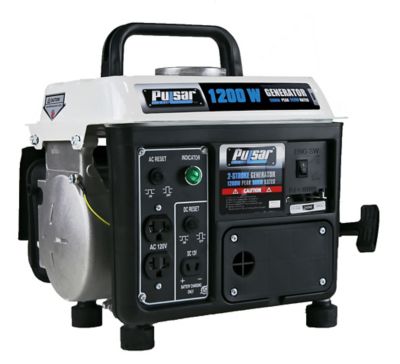
Start by adding up the running watts for everything you expect to operate at the same time, then account for starting or surge watts from equipment with motors. A refrigerator, chest freezer, furnace blower, well pump, air compressor, pressure washer, or shop tool can draw considerably more power for a few seconds when its motor kicks on. Choosing a generator based only on the normal running load may leave it struggling at startup, so a little breathing room is worthwhile. Portable units often make sense for occasional outages, hunting cabins, farm chores, and jobsite work, while a permanently installed standby unit may be a better fit for a home or business where automatic operation matters. If several fuel options are available, think about what can be stored safely and replenished easily in your area. Gasoline is common and convenient, propane stores for long periods when handled properly, and natural gas can offer a steady supply where a suitable service line is available. Dual-fuel and tri-fuel models provide flexibility when one fuel source is hard to get, but each option has its own storage, connection, ventilation, and maintenance needs. Inverter generators are designed to produce clean, stable power that is well suited to sensitive electronics, diagnostic computers, chargers, and communications equipment. Standard generator designs may be a practical choice for larger tools and appliances, especially when total output and run time take priority. Check both the rated running wattage and the surge rating, along with outlet types, cord requirements, fuel tank size, noise level, run time, wheel and handle design, and the space required for safe operation. A quieter unit can make a big difference near a house, campsite, or livestock area, while a rugged frame and easy-to-reach controls are useful when equipment is hauled across gravel, pasture, or an unfinished building site.
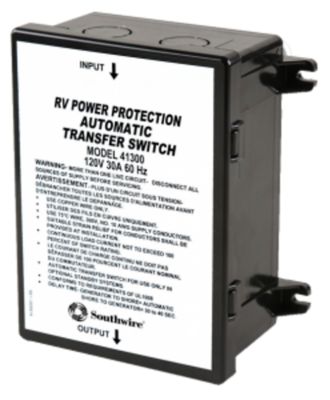
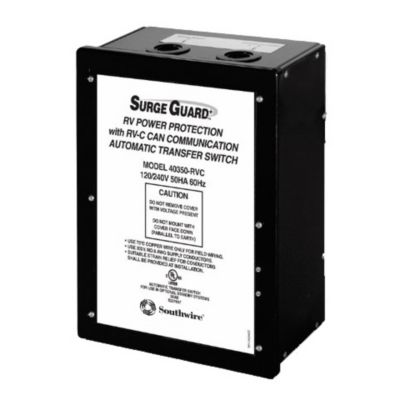
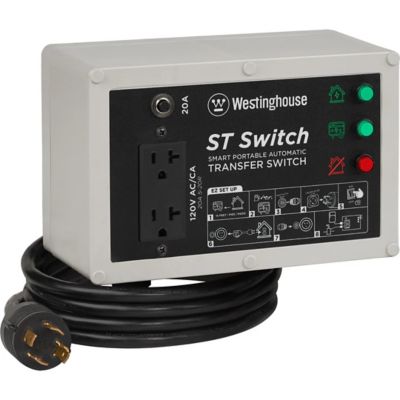
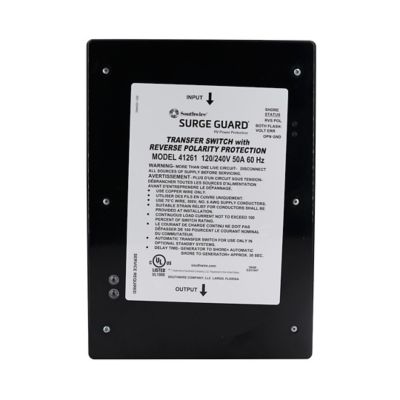
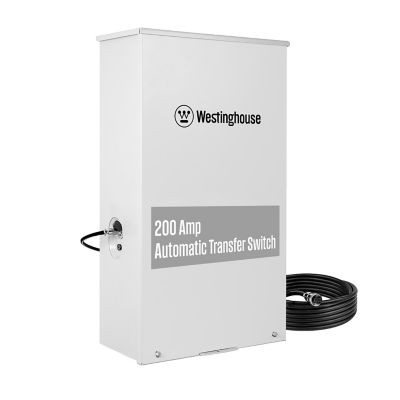
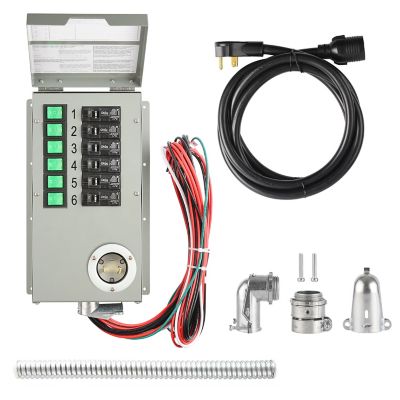
Safety and installation deserve just as much attention as power output. Never run a fuel-burning generator inside a home, garage, barn, shed, basement, crawlspace, or enclosed trailer, even if doors or windows are open. Exhaust contains carbon monoxide, an odorless and deadly gas, so operate the unit outdoors in a dry, well-ventilated area away from doors, windows, and air intakes. Many newer generators include carbon monoxide detection and an automatic shutoff feature, which adds an important layer of protection but does not replace careful placement, working alarms, and good ventilation. Keep the generator protected from rain and standing water without blocking airflow, and allow the engine and muffler to cool before refueling. A transfer switch installed by a qualified electrician is the proper way to connect a generator to household circuits; plugging a generator into a wall outlet can backfeed electricity onto utility lines and seriously injure or kill someone working on the grid. For a vehicle-mounted or PTO unit, confirm that the truck, tractor, or service vehicle has the right mounting points, engine capacity, wiring, grounding, and connection hardware. Before an outage or busy work season, run the generator as recommended, inspect cords and fuel lines, check oil and filters, charge the starting battery, and keep spare service items on hand. Store fuel only in approved containers and follow local rules. Automatic generators can make a thoughtful gift for a new homeowner, rural property owner, small-farm operator, camper, or handy family member, especially when chosen around a real need rather than appearance. The best match is one that fits the available fuel, expected load, storage space, weather conditions, and the person’s comfort with setup and maintenance. With the right size, safe placement, and regular care, a generator can bring a welcome hum of reassurance when the lights go out, the wind picks up, or a long stretch of work takes you well beyond the nearest outlet.