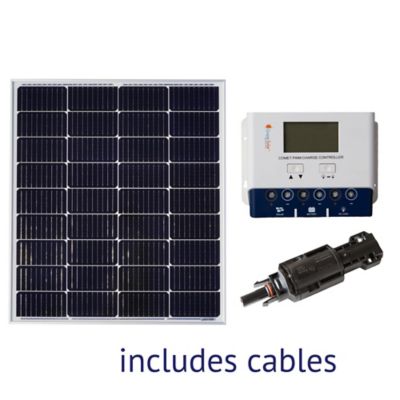
Off-the-grid gear includes equipment for independent power, water storage and treatment, lighting, cooking, and everyday work where utility connections are limited or absent. That can mean a cabin beyond the power lines, a hunting camp down a gravel road, or a homestead with systems that handle daily needs without municipal service. The right equipment depends on how the place operates: a weekend camp has different demands than a full-time home, and gear carried on foot needs a different balance of weight and capacity than equipment hauled in a truck. Power equipment is often the starting point because it supports communication, lighting, refrigeration, and other essential tasks. Solar panels generate electricity, batteries store it, and compatible charging equipment manages energy moving into storage. For battery-based systems,
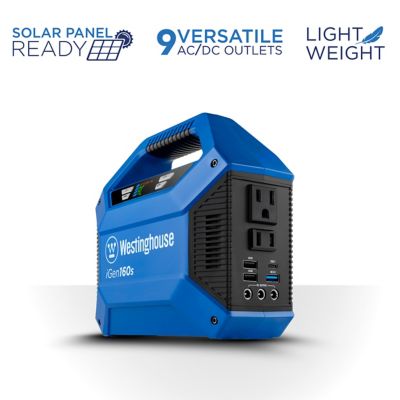
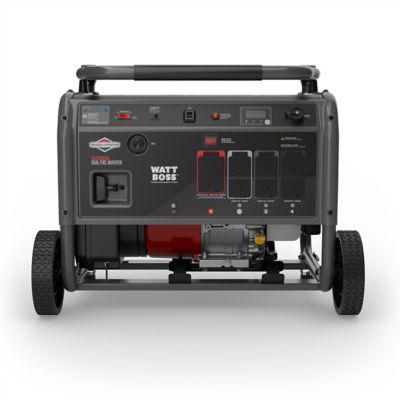
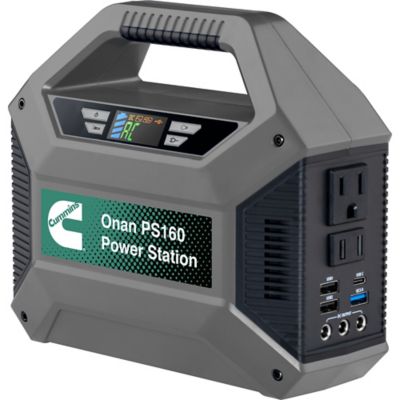
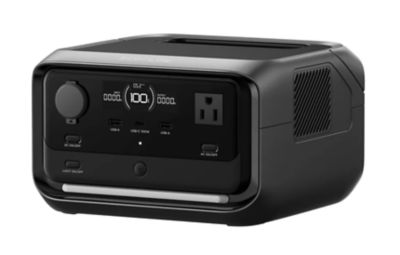
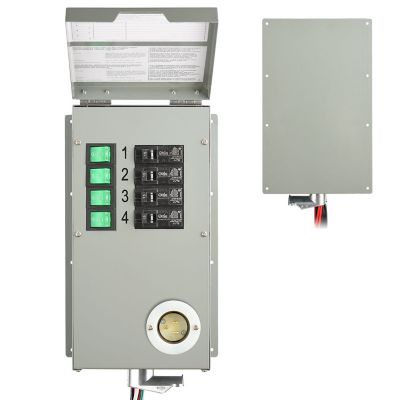
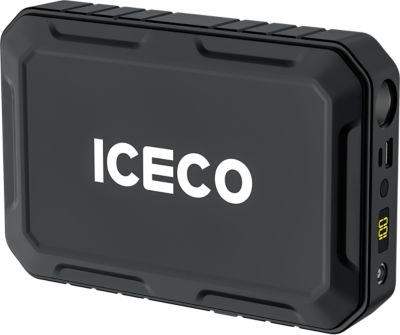
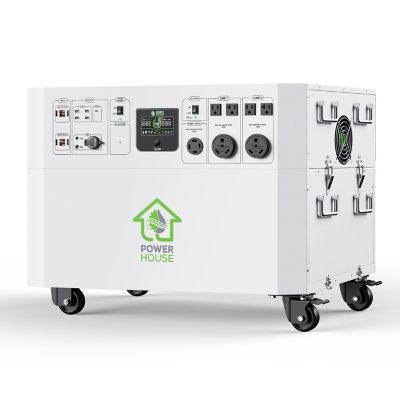
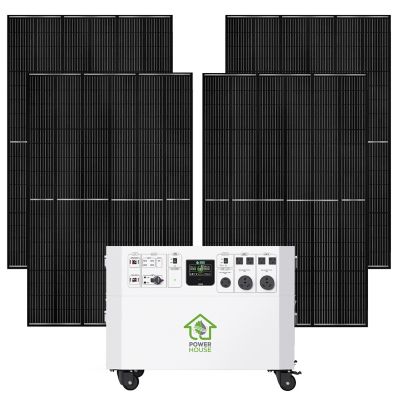
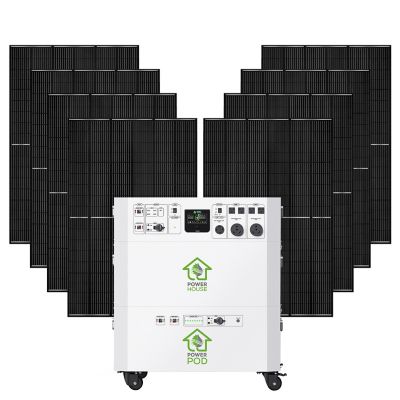
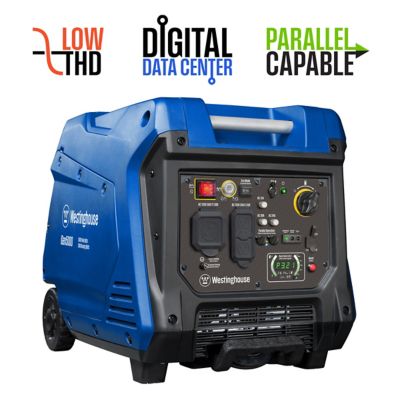
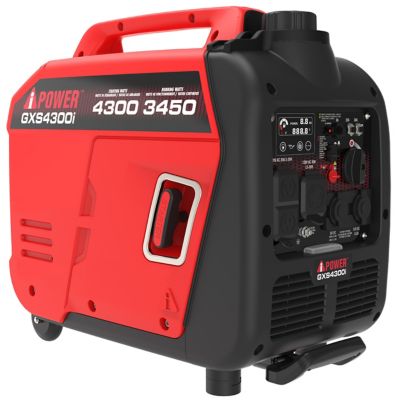
Off Grid Inverters convert stored DC electricity into AC power for compatible equipment. An inverter does not generate energy, so its output rating needs to match both the connected load and the battery system supporting it. Continuous wattage, startup surge requirements, battery capacity, and expected operating time all affect how a setup performs. A pump starting up can demand more power than its running rating suggests, while several smaller loads operating together can add up across an evening. Watt-hours describe stored energy, while watts describe the rate at which equipment draws power; both matter when comparing systems. Connection types, charging options, cable requirements, and space for installation also deserve attention, especially when equipment must work together rather than stand alone. Portable equipment suits people moving between home, camp, and outbuildings, while fixed systems make more sense for an established site. Fuel-powered generators serve a different role and require strict attention to exhaust safety. Portable generators belong outdoors, at least 20 feet from buildings, with exhaust directed away from doors, windows, and vents. Garages, sheds, and cabins are not safe operating spaces, even with doors open. Clear operating instructions and accessible service information matter just as much as a power rating.
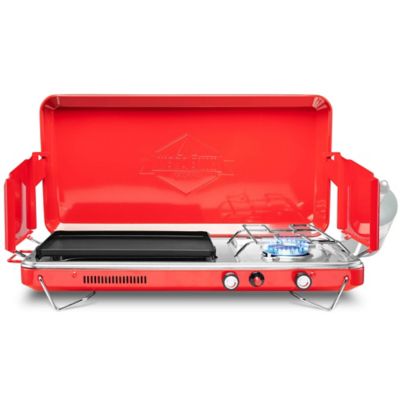
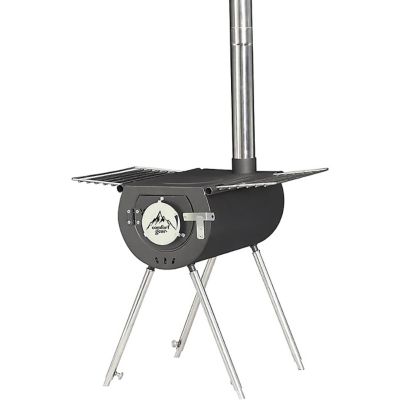
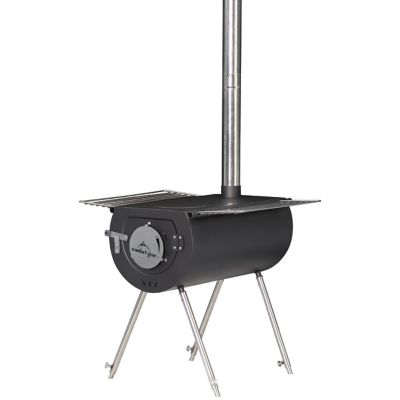
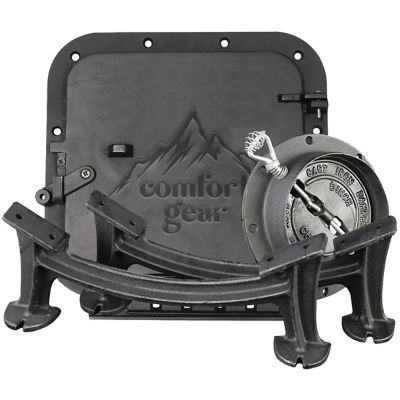
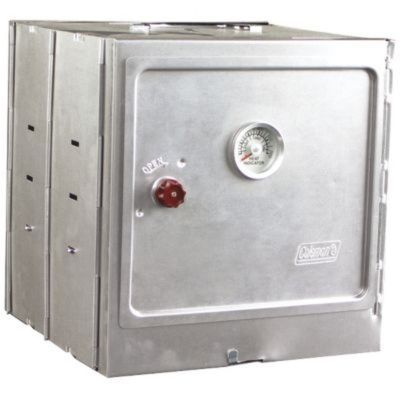
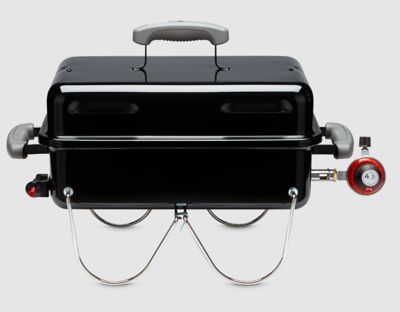
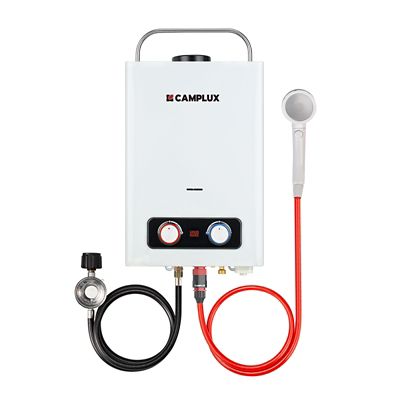
Water equipment earns its place quickly when the nearest faucet is miles away. Off-grid water needs can include drinking, food preparation, washing, and cleaning up after a day of chores, and each use places different demands on storage and delivery equipment. Containers intended for drinking water should have suitable food-contact materials, secure closures, and openings that allow thorough cleaning. Capacity matters, but so does the weight of a full container: a gallon of water weighs about 8.3 pounds before the container itself enters the picture. A larger reservoir may suit a stationary cabin, while smaller containers can be easier to lift from a truck bed or carry along a narrow path. Handles, spouts, hose connections, and the position of a drain all affect daily handling. Water filtration and purification equipment should match the source and the contaminants it is rated to address. A sediment filter does not automatically make water safe to drink, and different treatment systems address different hazards. Flow rate, replacement components, power requirements, and cleaning procedures help distinguish equipment intended for occasional camp use from systems supporting regular household needs. Pumps bring another set of considerations, including lift, pressure, electrical demand, and compatibility with the water supply. Around the cooking area, off-grid gear centers on manageable fuel needs, stable setups, washable surfaces, and equipment suited to the available space. Stainless steel offers straightforward cleanup, while cast iron brings substantial weight and requires thorough drying and ongoing seasoning. Aluminum can reduce carrying weight, though finishes and care requirements vary. Fuel connections must match the cooking equipment, and equipment intended only for outdoor cooking belongs outside, away from enclosed living and sleeping spaces. Food storage, handwashing, and waste handling are part of the same working setup. At a cabin with no running water, an easy-to-clean wash station and well-sealed storage can make daily routines much less of a chore.
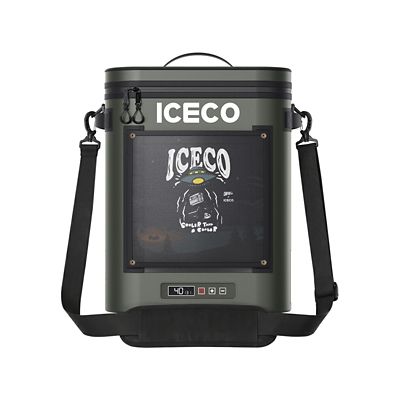
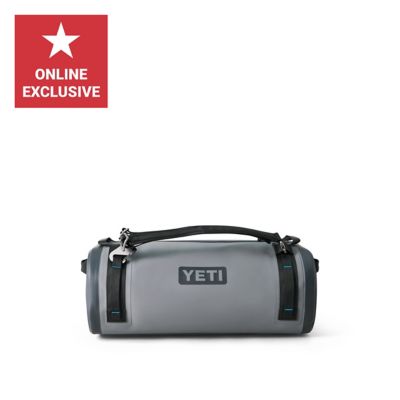
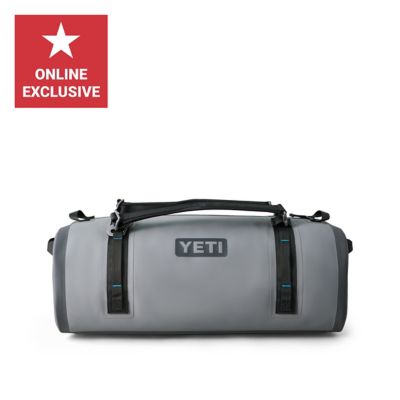
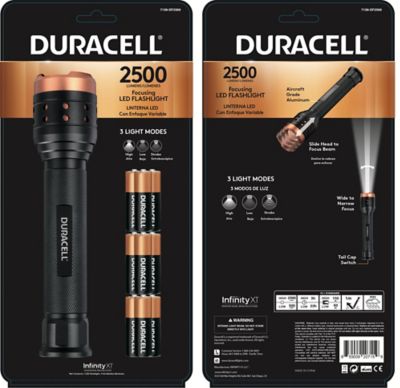
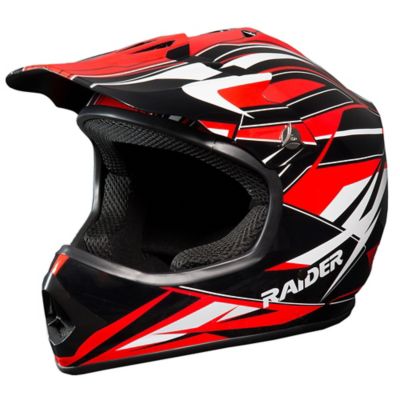
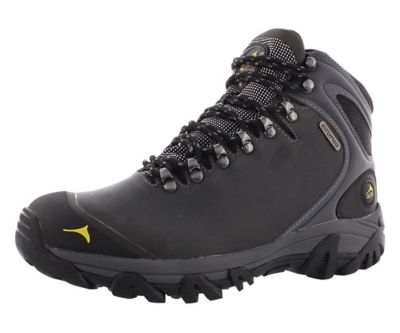
Beyond power and water, off-the-grid gear supports the hands-on work that keeps a remote place running. Lighting, carrying equipment, hand tools, protective wear, and organized storage all have a role when a trip back to town takes time. Task lighting helps with close work at a bench or sink, while broader lighting suits a shared camp area. Mounting options, controls that are easy to operate, and compatible power sources matter more in daily use than a long list of features. Carrying gear should fit both the load and the person hauling it. Adjustable straps, balanced compartments, and secure closures help keep supplies manageable between the truck and the cabin; smooth handles and sensible lifting points matter when moving equipment around a property. Material choices involve trade-offs. Steel provides strength but can add considerable weight, aluminum keeps many frames and housings lighter, and molded plastics vary in their resistance to impact and chemical exposure. Reinforced fabric panels, protected seams, and hardware that can be serviced are useful details on gear that sees frequent handling. Gloves and other wearable equipment need enough room for movement without loose material interfering with a grip or control. Care requirements also shape long-term value: clean storage, dry surfaces, appropriate lubrication, and replacement of worn components help keep equipment ready for the next job. Removable parts and accessible service points can make routine upkeep simpler at a remote property. Hunters, campers, landowners, and families building a more self-sufficient setup may each need a different mix of equipment, even when they share the same stretch of back road. For a gift, compatibility with an existing setup and ease of handling often matter more than extra capacity or features. A good addition fills a real gap, whether that means better organization for camp chores, another way to keep essential equipment powered, or an easier means of moving water. Off-grid equipment works best as a coordinated collection built around the place, the people, and the work ahead.