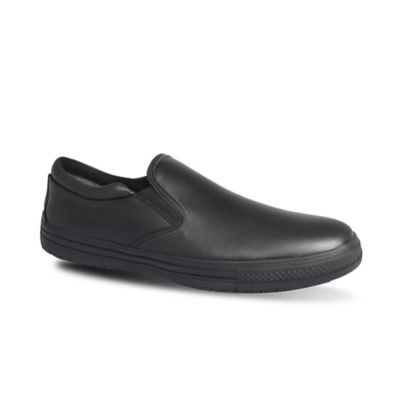
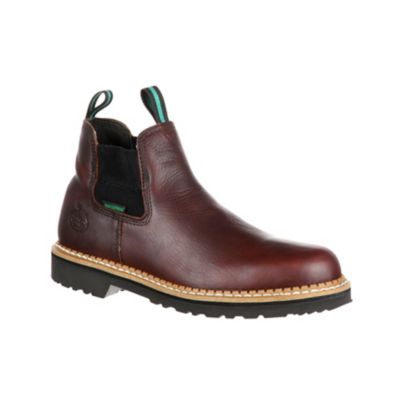
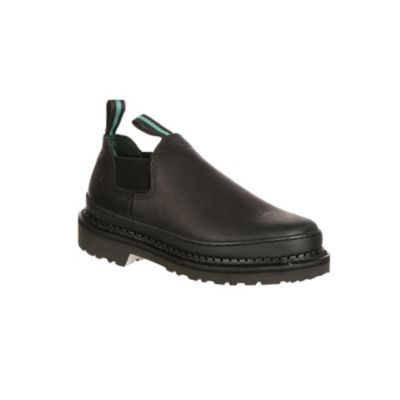
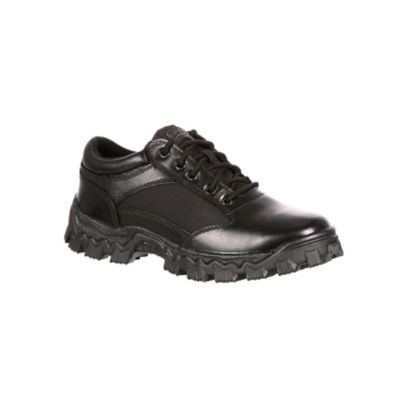
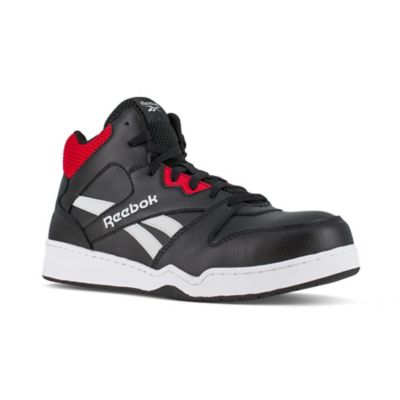
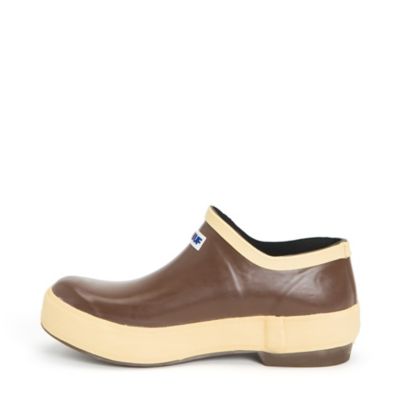
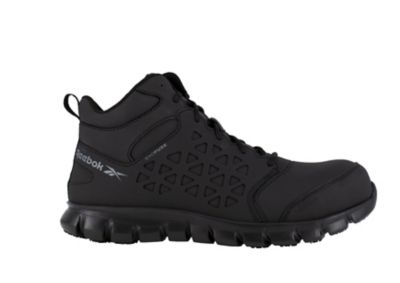
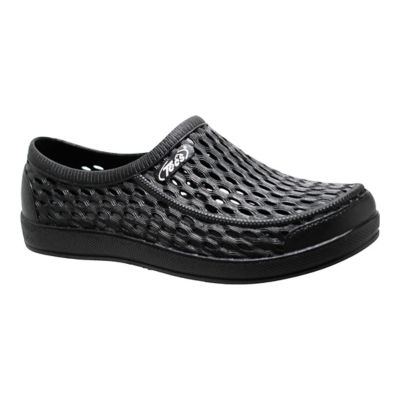
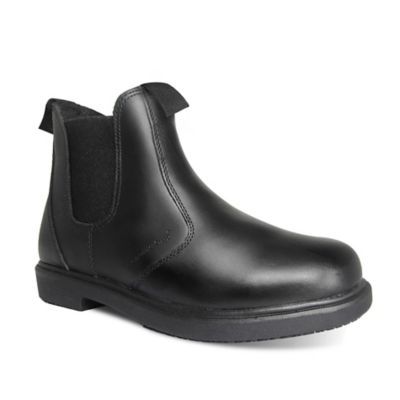
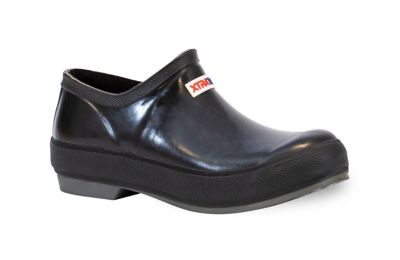
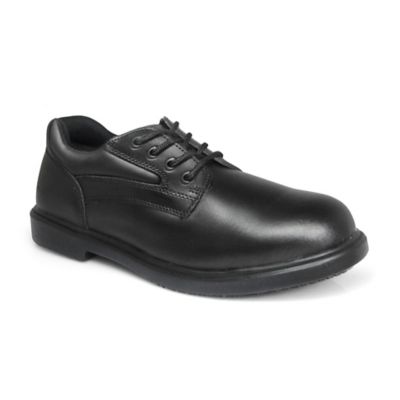
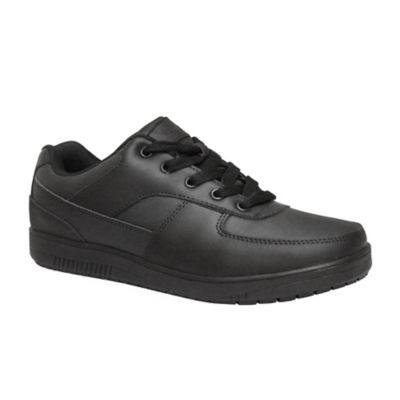
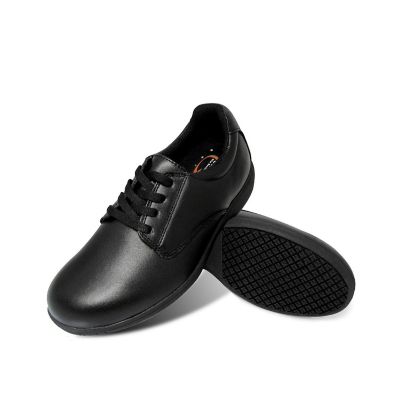
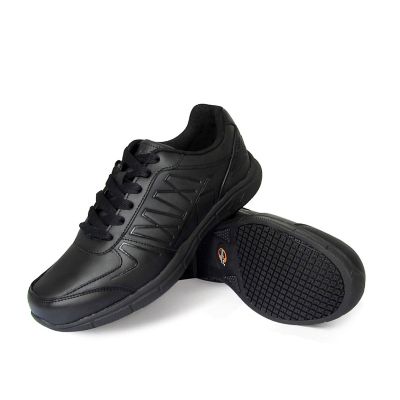
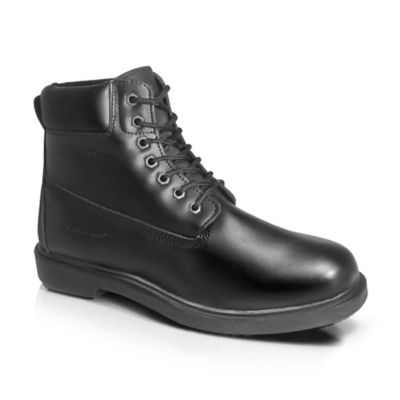
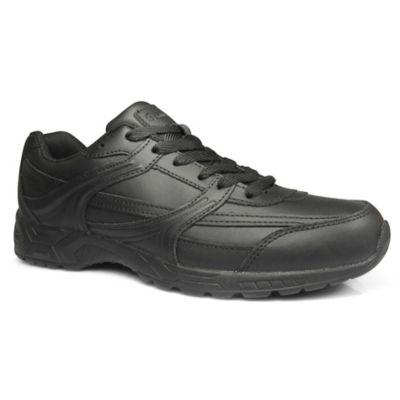
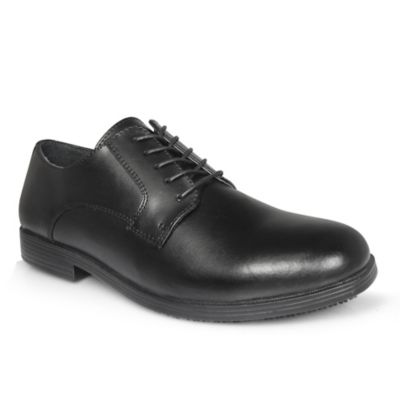
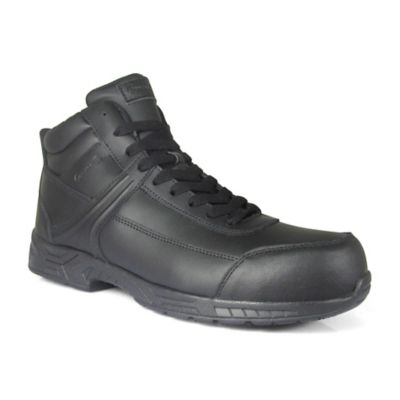
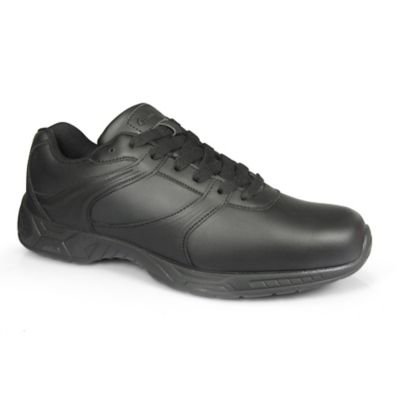
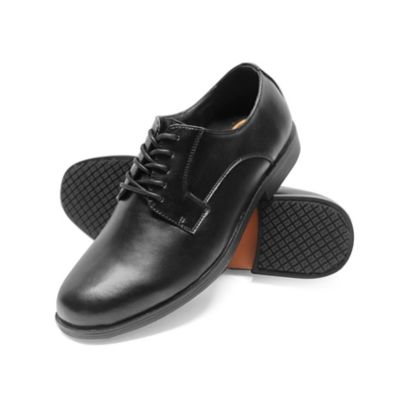
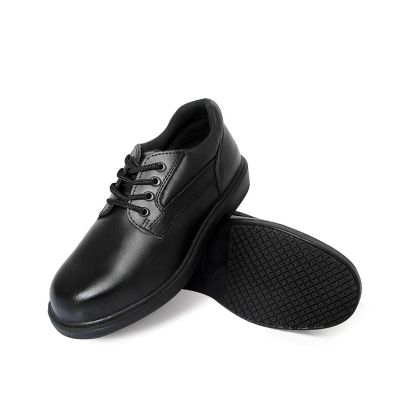
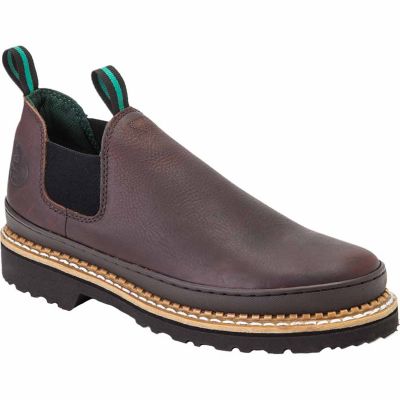
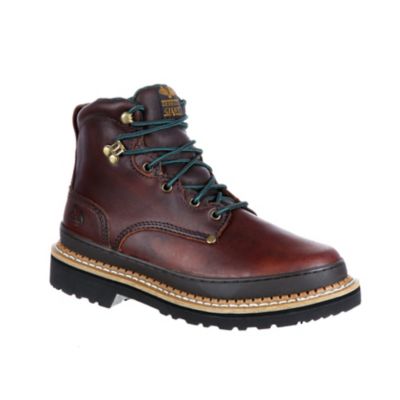
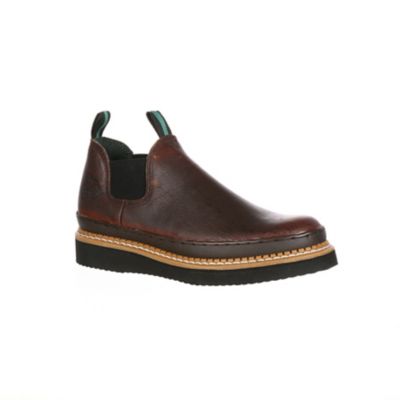
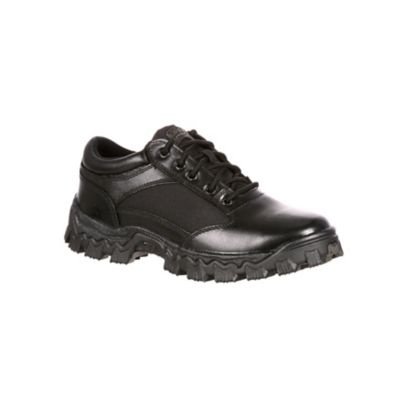
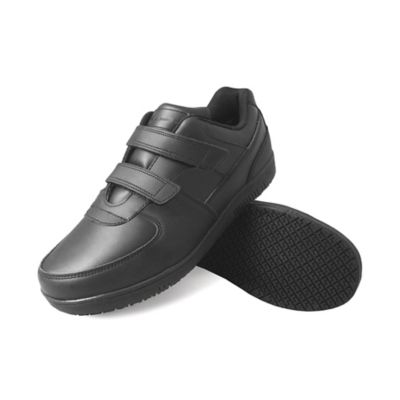
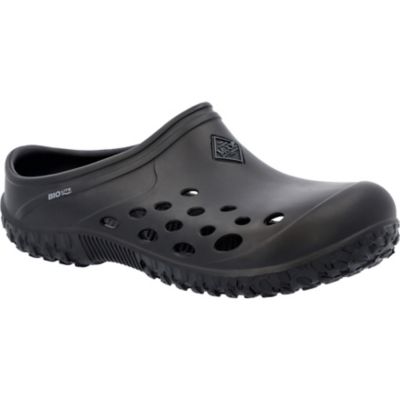
For waiters, servers, bartenders, hosts, and other restaurant workers, the right pair of non slip shoes can make a long shift feel a whole lot more manageable. Restaurant floors see plenty of action: water near the ice machine, grease by the fryer, dropped sauces, polished tile, and tracked-in moisture by the front door. A good work shoe helps you move with steadier footing while carrying trays, clearing tables, or hurrying between the kitchen and dining room. Look for outsoles made with slip-resistant rubber and tread patterns designed to grip wet or greasy surfaces. Certified slip-resistant construction, including testing based on recognized standards such as ASTM methods, can offer useful reassurance, but the tread still needs to fit the conditions where you work. Deep, well-spaced grooves may help channel away liquid, while a broad outsole can provide a more stable feel when you turn or stop. Enclosed toes are also worth considering in a busy food-service setting, where spills, dropped utensils, and rolling equipment are part of the everyday routine. For more options suited to front-of-house and restaurant work, explore
Shoes For Servers and compare practical styles for your schedule and workplace.
Comfort matters just as much as traction when you spend six, eight, or even twelve hours on hard flooring. A shoe that feels fine for a quick errand may leave your heels, arches, knees, and lower back worn out by the end of a dinner rush. Look for cushioning in the insole and midsole, along with enough arch support to keep your feet from collapsing inward as fatigue sets in. Removable footbeds can be handy if you prefer to use your own inserts or need a little extra room inside the shoe. A stable heel counter, supportive upper, and secure fit can help reduce sliding inside the shoe as you walk. At the same time, your toes should have enough room to spread naturally without rubbing against the front or sides. Athletic-inspired work shoes may suit servers who like a lighter, flexible feel, while clogs and slip-on styles offer easy entry and a roomy fit for workers who are on their feet most of the day. Consider the weight of the shoe, too. A few extra ounces on each foot can add up over hundreds of trips across a dining room. Breathable panels may help during warm kitchen shifts, while a water-resistant upper can be useful when you are working around sinks, dish stations, and outdoor walkways during the cooler months. Features such as shock-absorbing midsoles and cushioned collars may also help take some of the sting out of hard concrete or tile.
Ease of care is another practical part of choosing non slip shoes for waiters. Busy work shoes collect dust, food splashes, and spills, so smooth leather, synthetic materials, or molded washable uppers can be easier to wipe clean than open mesh. Always follow the care directions for the specific material, and let shoes dry fully between shifts so moisture and odors do not build up. If your schedule includes back-to-back workdays, rotating between two pairs gives each pair more time to air out and recover. Socks make a difference as well; moisture-managing work socks can help reduce hot spots and keep feet more comfortable during a long evening. Before buying, check the dress code at your restaurant, including requirements for color, toe coverage, heel height, and overall appearance. A slip-on can save time in a locker room, while laces, elastic panels, or adjustable closures may provide a more secure fit for fast-moving shifts. These shoes can make a thoughtful gift for a new server, culinary student, college student working part time, or family member starting a job in food service. They are also useful for banquet staff, hotel employees, catering crews, grocery deli workers, healthcare dining teams, and anyone who spends the day walking across smooth floors. Choosing dependable traction, supportive cushioning, a comfortable fit, and easy-clean materials gives hardworking feet a better chance to finish the shift feeling ready for the trip home.