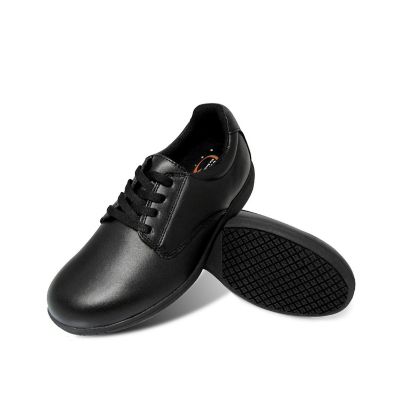
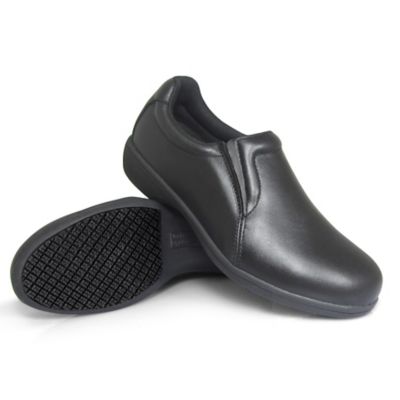
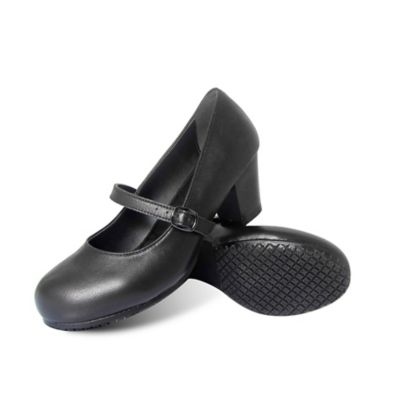
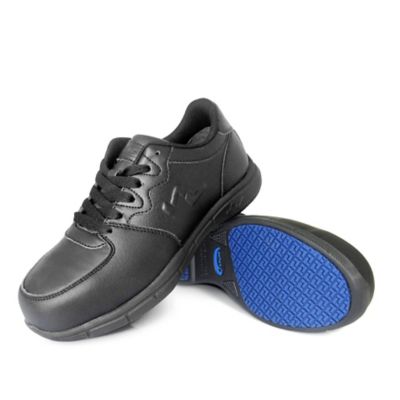
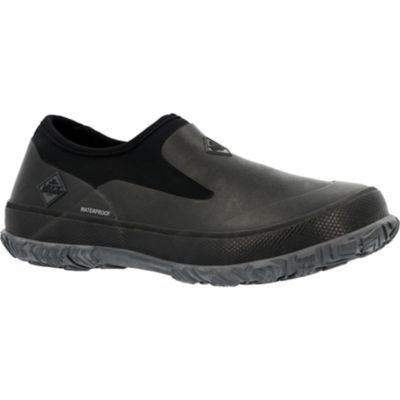
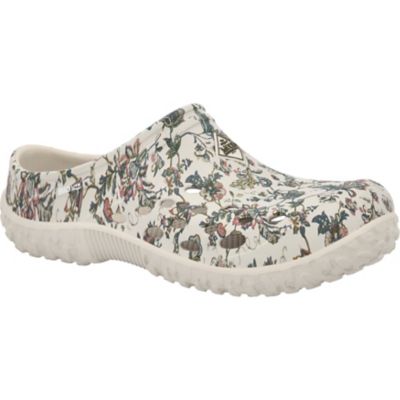
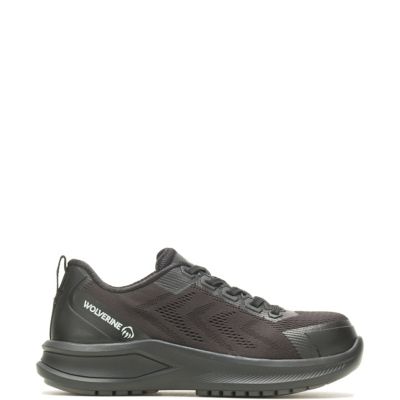
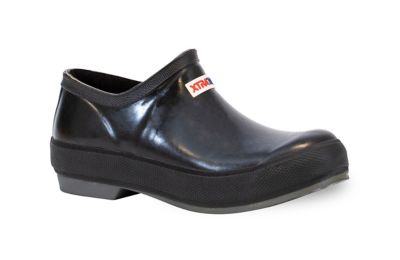
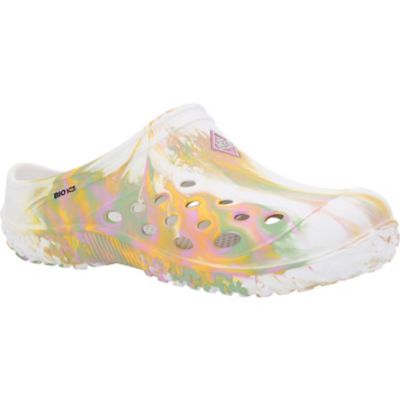
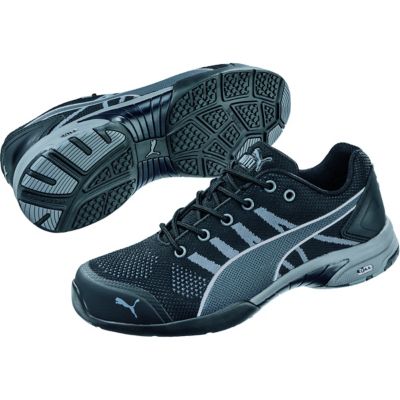
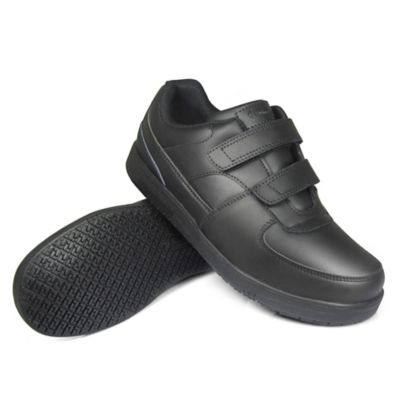
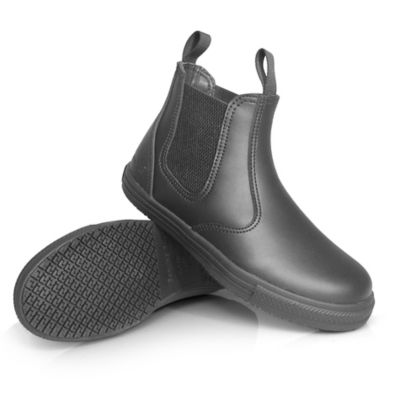
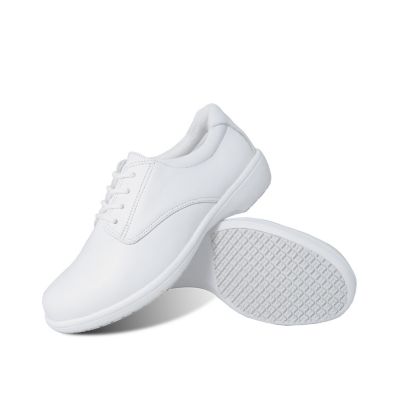
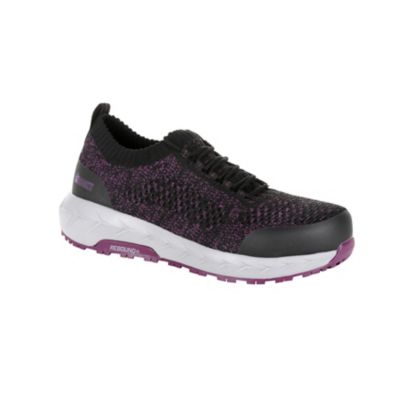
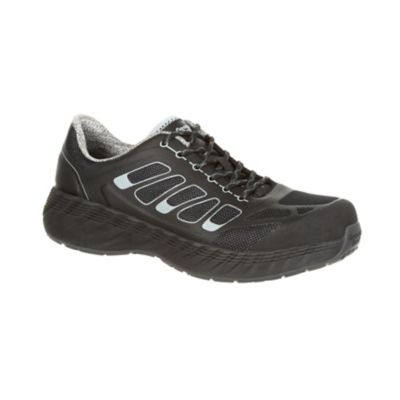
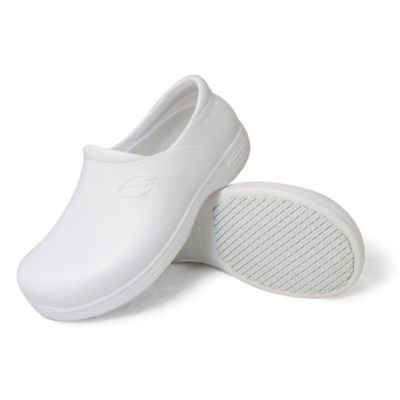
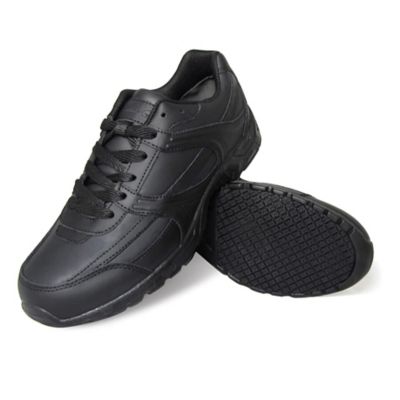
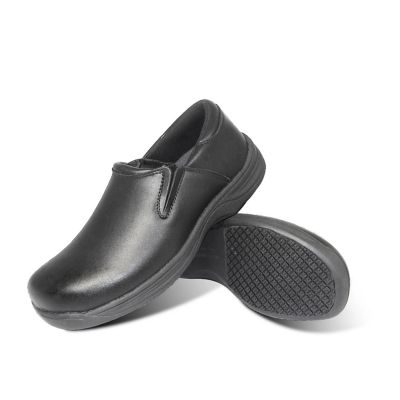
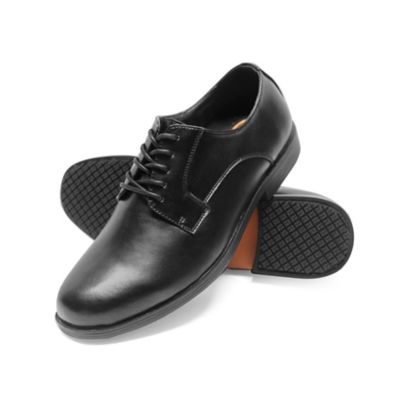
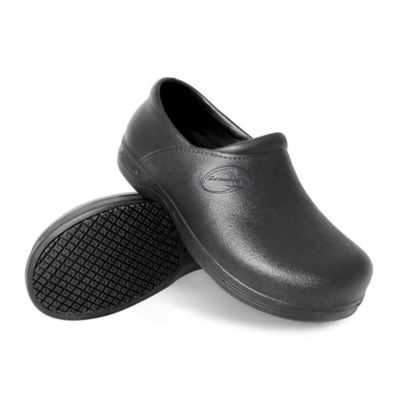
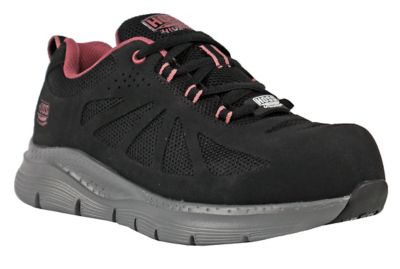
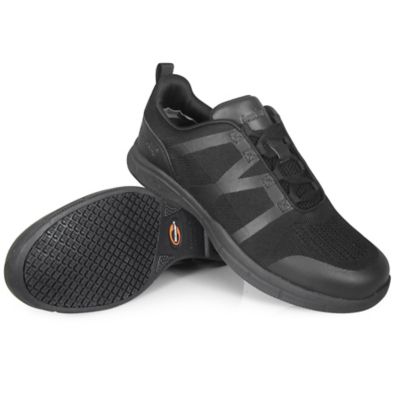
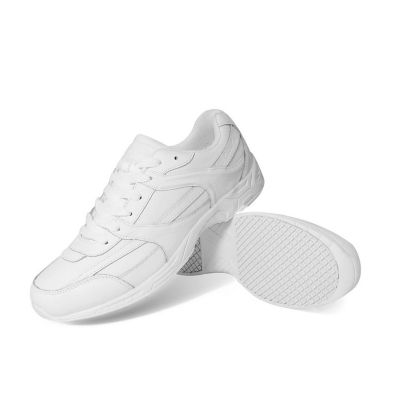
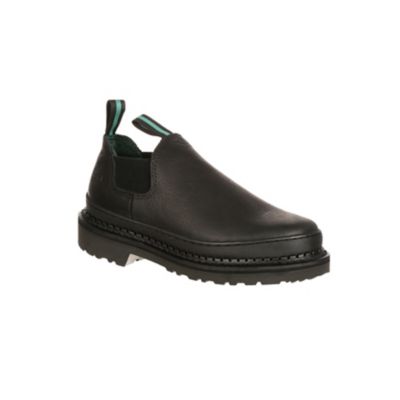
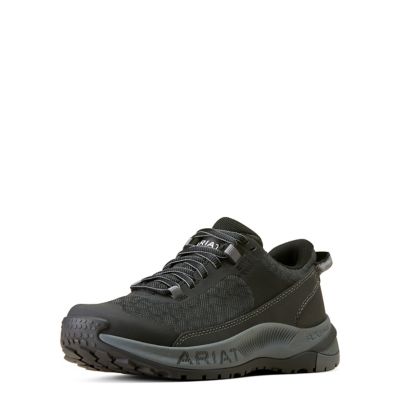
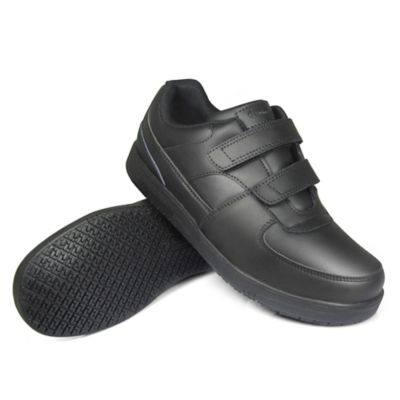
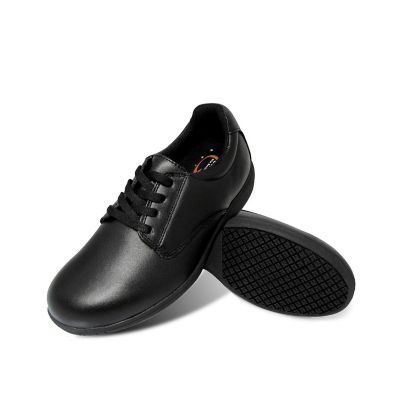
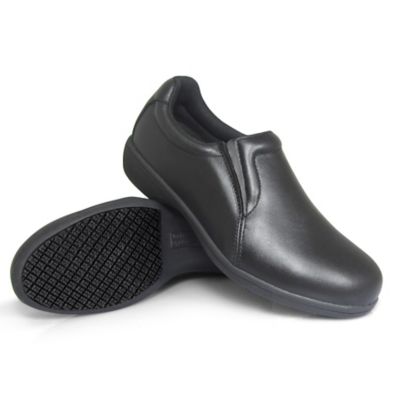
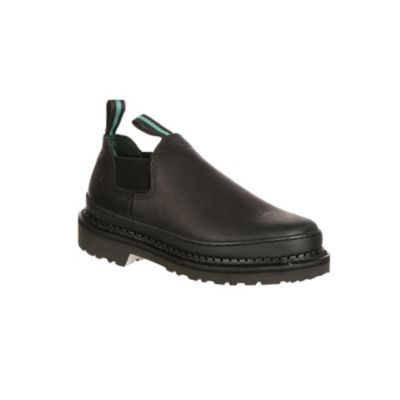
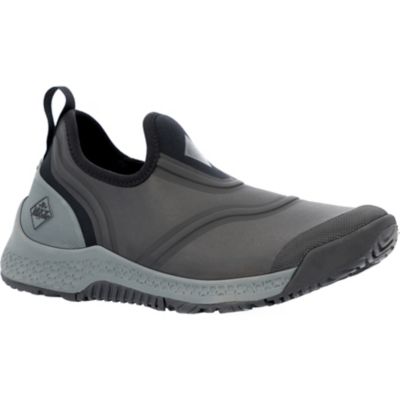
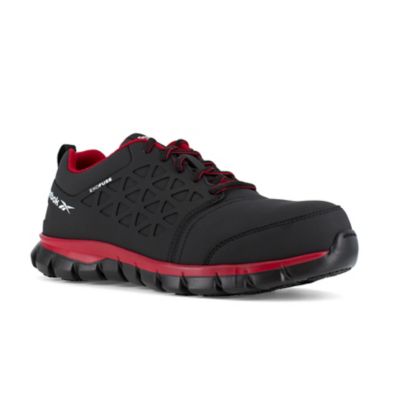
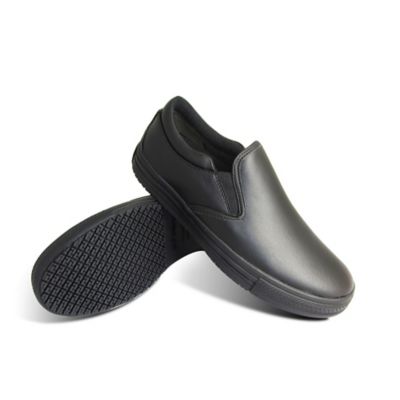
Women’s non slip kitchen shoes are made for the kind of workday that puts every step to the test. In a restaurant, bakery, cafeteria, food truck, catering kitchen, or busy home kitchen, floors can collect water, grease, flour, soap, and bits of food before the rush is over. A dependable pair helps provide steady footing while moving between prep tables, sinks, ovens, coolers, and dining areas. Look for outsoles described as slip-resistant, oil-resistant, or certified with an SR or SRC rating, since those markings can offer useful guidance for wet, greasy, or soapy surfaces. Traction patterns matter, too. A sole with channels and a tread design that helps move liquid away from the contact area may feel more secure than a smooth, shallow sole. No shoe can prevent every slip, so safe walking habits still matter, but the right footwear can add confidence during long shifts and quick changes of direction. A cook may spend hours carrying a stockpot from the range, a server may cross the kitchen with a full tray, and a bakery worker may stand on a flour-dusted floor from the first batch of rolls until cleanup. Shoes that stay planted, bend naturally, and feel comfortable from the first step can make those routines a little easier. For additional styles suited to food-service work, browse
Womens Restaurant Work Shoes.
Comfort is just as important as traction when shoes are worn for eight, ten, or twelve hours. Consider cushioning under the heel and forefoot, along with built-in arch support that suits the shape of your foot. Some workers prefer a supportive sneaker with a familiar athletic feel, while others like a clog or roomy slip-on that is easy to take off at the end of a shift. If standing leaves your feet tired or your lower back achy, a shoe with a stable midsole and room for a properly fitted insert may be worth a closer look. Those with wide feet should check the listed width and pay attention to whether the upper stretches, adjusts, or holds its shape. The toe box should leave enough space for your toes to spread without allowing your heel to slide. A snug heel counter can help with stability, while a flexible forefoot makes repeated walking and bending feel less stiff. Fit also changes with the socks you wear, so try shoes with the same work socks you rely on during cooler months. Moisture-wicking socks can help keep feet more comfortable, especially in warm kitchens, and a little extra room may be useful if feet swell during a long day. A practical kitchen shoe should feel secure without pinching across the instep, rubbing the heel, or forcing your toes together. If possible, walk on a hard surface and pay attention to pressure points before committing to a size. Workers often discover that a comfortable pair becomes part of their routine in the same way a favorite apron or well-worn chef’s knife does: familiar, dependable, and ready for the next shift.
Materials and cleanup are also worth considering before choosing women’s non slip kitchen shoes. Waterproof or water-resistant synthetic uppers, coated leather, and molded foam materials are often easier to wipe down after splashes, sauce, coffee, or dishwater. A smooth exterior can be simpler to sanitize than a heavily textured fabric, while fewer seams may leave fewer places for spills and crumbs to collect. Check the care instructions, and give shoes time to dry fully between wears rather than leaving them damp in a locker or by the back door. Removable insoles can be handy for airing out or replacing, and a washable or wipe-clean interior may help with everyday upkeep. Black and other dark colors are popular in food-service settings because they fit easily with work uniforms and tend to look tidy through a busy shift, although the best choice is the one that meets your workplace dress code. Slip-on clogs can be convenient for quick changes before and after work, while lace-up styles may provide a more adjustable fit for walking-heavy jobs. These shoes can make a thoughtful gift for a restaurant worker, baker, caterer, nursing-home kitchen employee, cafeteria staff member, or anyone who spends much of the day on their feet. They are also useful for the home cook who hosts big family meals, preserves garden produce, or keeps busy with canning and baking as the weather turns cooler. When selecting a pair for someone else, consider their usual size, preferred style, need for extra arch support, and whether their workplace requires closed toes or specific slip-resistant standards. Reliable traction, easy-care materials, steady support, and a comfortable fit all work together to make kitchen footwear ready for daily use, from the first pot on the stove to the final sweep after cleanup.