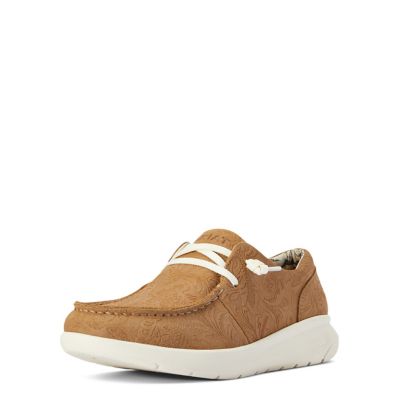
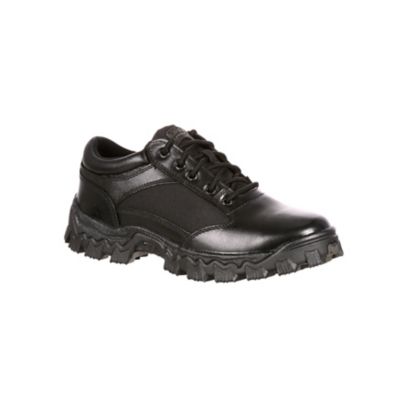
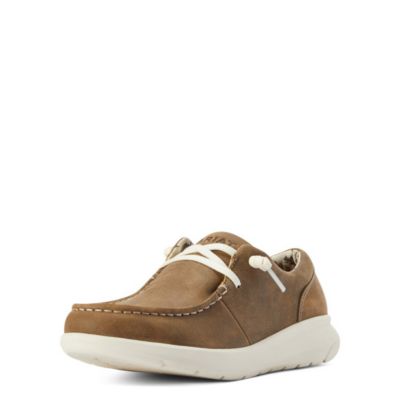
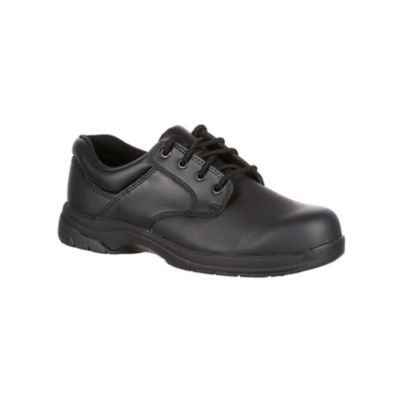
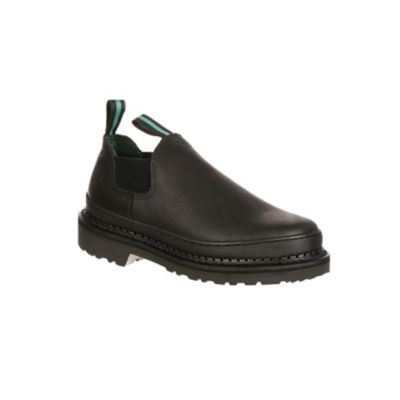
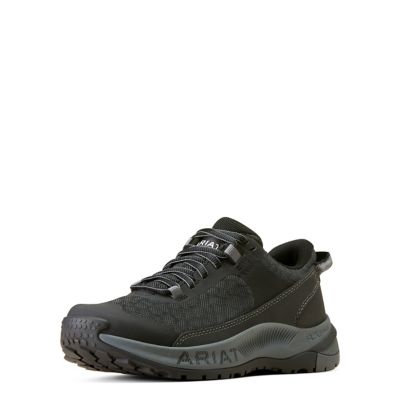
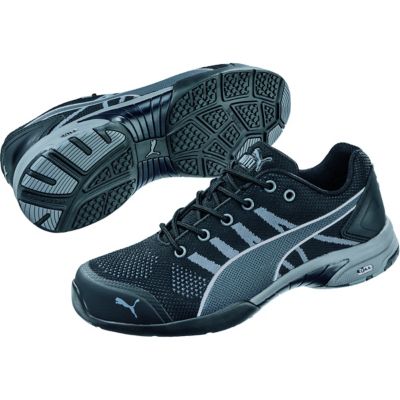
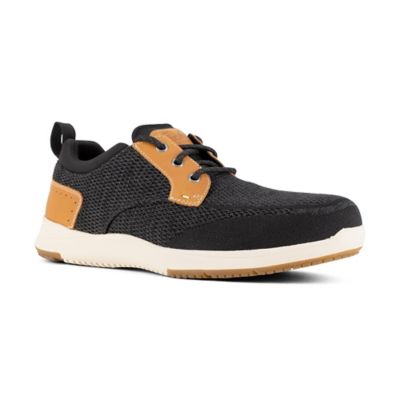
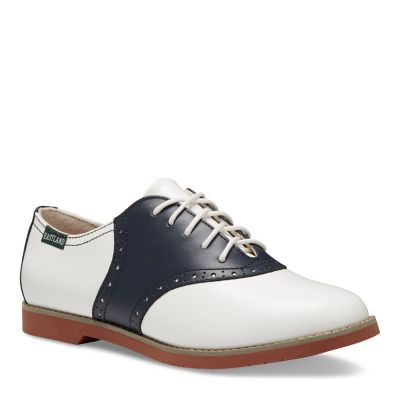
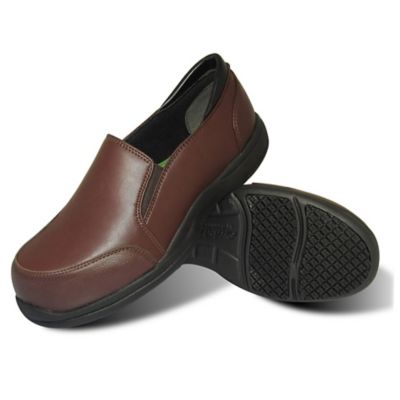
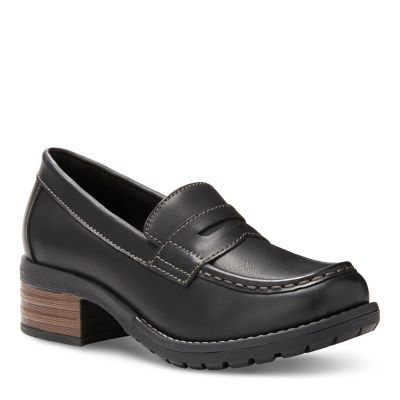
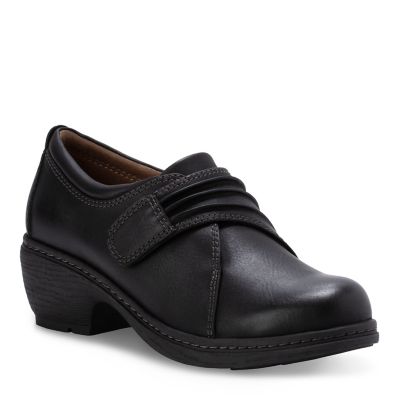
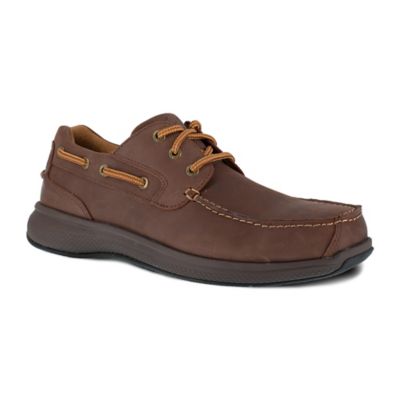
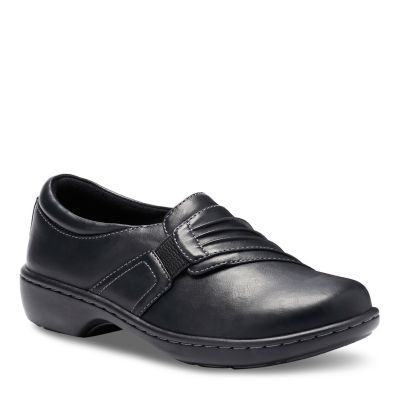
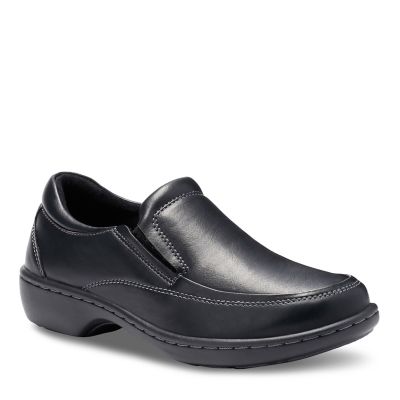
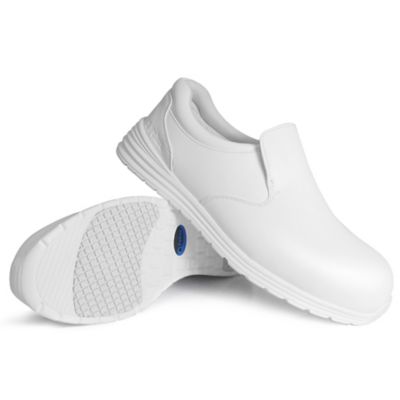
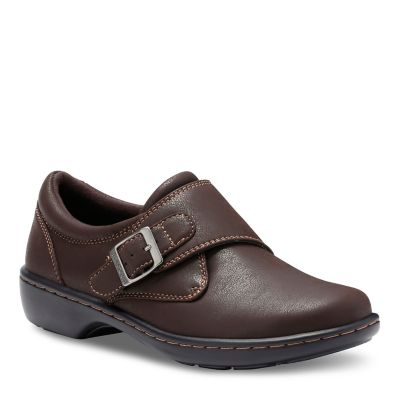
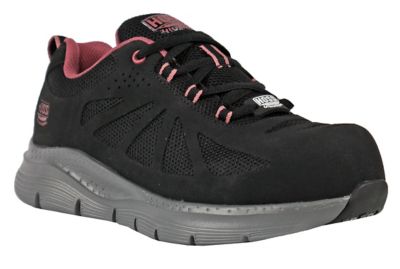
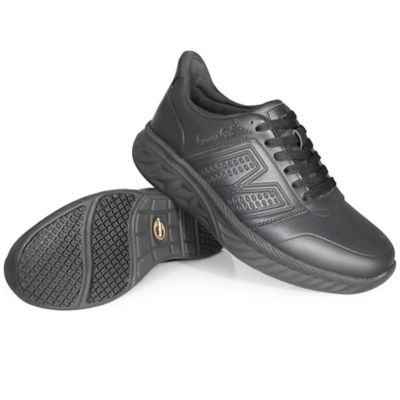
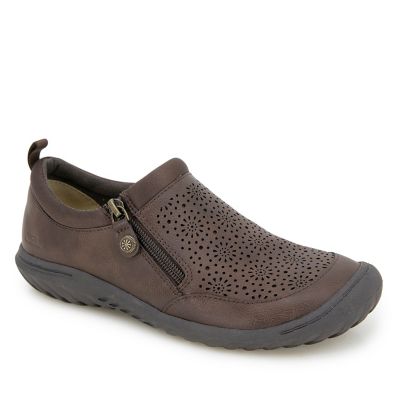
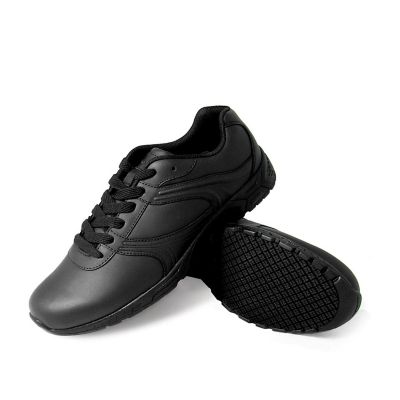
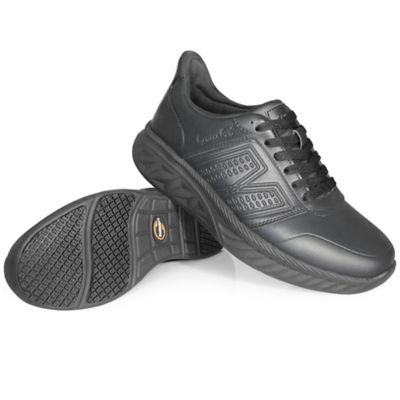
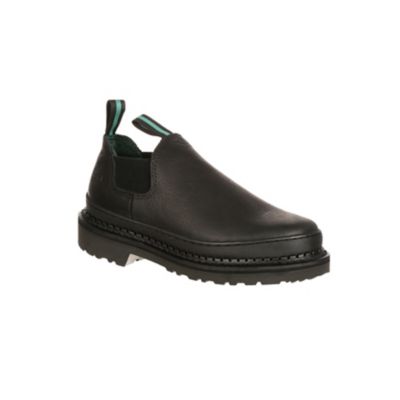
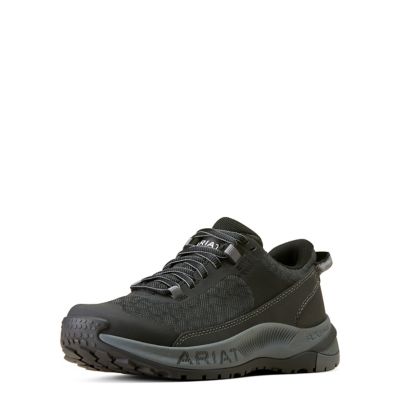
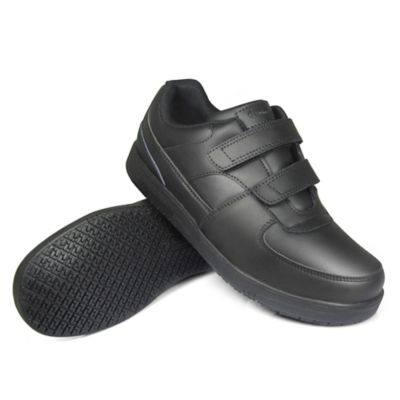
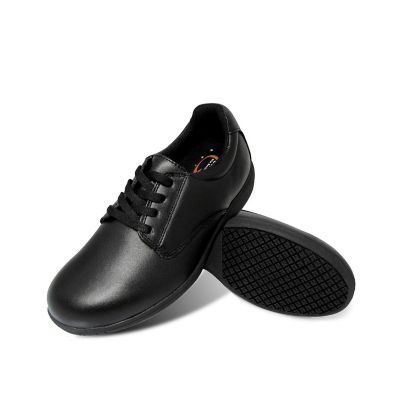
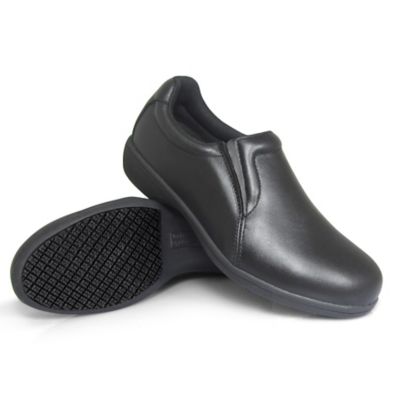
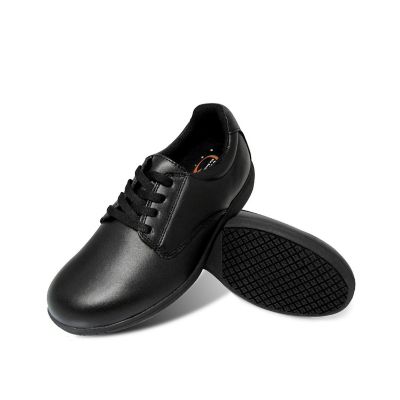
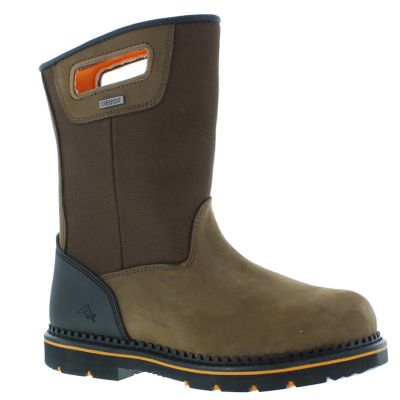
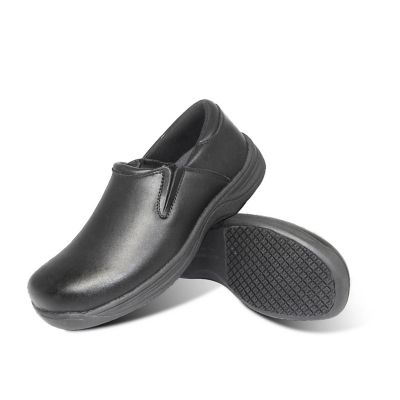
Comfortable shoes for waitresses bring together slip-resistant traction, cushioning, a secure fit, and support for long hours on hard floors. In a busy diner, café, or restaurant, those features matter from the first pot of coffee to the last sweep under the tables. A server might stand at the register for a stretch, hurry between booths, then carry a loaded tray past the dish station, all within a few minutes. Footwear needs to feel steady through those changes without weighing feet down. Slip-resistant rubber outsoles with tread designed for food-service settings can help improve grip where water, tracked-in moisture, or cooking oils reach the floor, though no shoe can prevent every slip. A clearly stated slip-resistance rating or testing information is more useful than judging traction by how rugged a sole looks. Underfoot, cushioning helps soften repeated steps, while a supportive footbed provides a stable place for the foot to rest. EVA foam midsoles are generally lightweight and offer impact cushioning; polyurethane cushioning can provide a firmer feel, depending on the shoe’s construction. Memory foam may feel soft at first touch, but softness alone does not tell the whole story about comfort through a full shift. Arch shape, heel stability, flexibility, and overall fit matter just as much. Shoes that bend near the ball of the foot while holding the heel securely can make the walk from kitchen to counter feel more natural. A broad, stable base may also feel better during stretches of standing than a narrow sole or elevated heel. For waitresses covering breakfast service at a small-town café or working a packed evening dining room, the goal is practical: feet that feel supported, steps that feel steady, and shoes that do not demand attention when there is already plenty to keep track of.
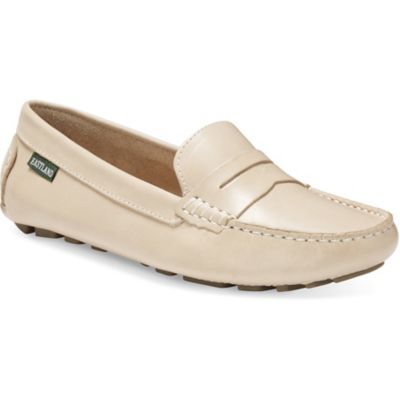
Materials and construction help determine how restaurant work shoes feel, handle everyday messes, and hold up over time. Leather uppers can offer a smooth surface that wipes clean after minor splashes, although their care needs and resistance to moisture depend on the finish. Synthetic uppers often provide a similar easy-wipe surface with less weight, while mesh panels allow more airflow during warm, fast-paced shifts. That airflow comes with a trade-off: open fabric can let liquids reach socks more readily than a closed upper. Water-resistant footwear can help with light splashes, but it is not necessarily waterproof and should not be treated as protection against hot liquids. Closed toes and covered heels are common workplace requirements, and the restaurant’s dress code may also call for a particular color or style. Athletic-style work shoes suit servers who like a flexible, familiar feel and adjustable laces. Work clogs can offer a roomy forefoot and structured platform, though heel fit and workplace rules deserve attention. Slip-on work shoes keep the upper simple, provided the opening holds the foot securely rather than letting the heel slide with each step. Across these styles, comfortable waitress shoes should leave space for toes to spread without allowing the foot to shift around inside. A wider size can be a better match for a broad forefoot than extra length, which may put the shoe’s bend point in the wrong place. Feet can swell during a long day, so fit later in the day often gives a better sense of shift-long comfort. The socks worn at work also affect that fit, especially when thicker pairs come out during cooler weather. Removable insoles make room for replacement footbeds or prescribed orthotics, but the shoe still needs enough depth to avoid crowding the top of the foot. A smooth lining, a padded collar, and seams that stay clear of sensitive spots can make a noticeable difference by closing time. There should be no need to count on a painful break-in period to make an otherwise poor fit work.
The working life of food-service footwear depends on both its construction and the conditions it meets every day. Repeated trips across tile, concrete, rubber mats, and rough pavement outside the back door put different demands on the sole and upper. Reinforcement around the toe and heel can help with everyday scuffs, while securely attached soles and sound stitching matter where the shoe flexes over and over. Intended use matters, too: an everyday walking shoe may feel fine on a dry sidewalk without offering the traction needed near a dish sink. Shoes made for restaurant work are a more relevant match when their stated features line up with the workplace. Waitresses, waiters, hosts, counter staff, and other food-service workers share many of these needs, and
Non Slip Shoes For Waiters offers a related footwear category for the same busy settings. Keeping work shoes in good shape starts with care that matches the material. Loose dirt and food debris can be brushed from the tread, and compatible uppers can be wiped with a damp cloth according to the manufacturer’s directions. Tread channels need to stay clear so buildup does not interfere with contact against the floor. Shoes should air-dry away from direct heat, which can affect some materials and adhesives. Removing insoles when the care instructions allow can help the inside dry between shifts; rotating between pairs can also give each pair more drying time. Outsole wear, a leaning heel, separated seams, or cushioning that feels flattened are signs worth noticing even when the uppers still look presentable. Care helps footwear last, but it cannot restore worn traction or collapsed support. For someone buying work shoes as a gift for a server, knowing the recipient’s size, preferred width, and dress requirements matters more than guessing at a style. The most welcome pair is one that fits the actual workday, whether that means carrying plates across a crowded dining room or staying on foot until the chairs are back on the tables.