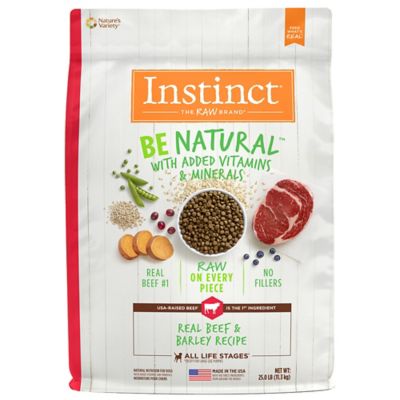
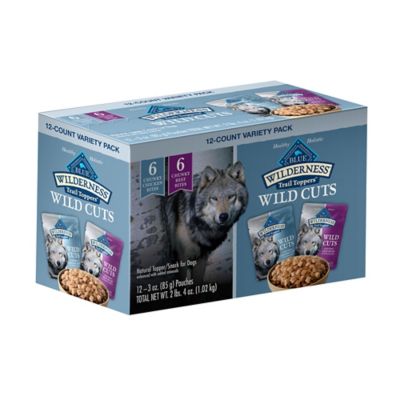
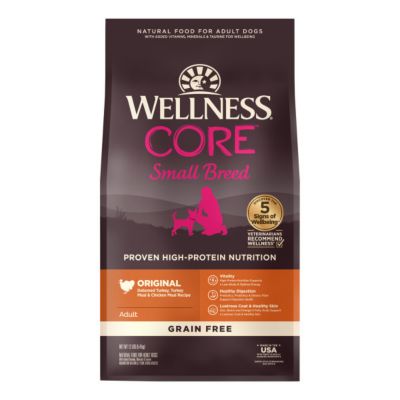
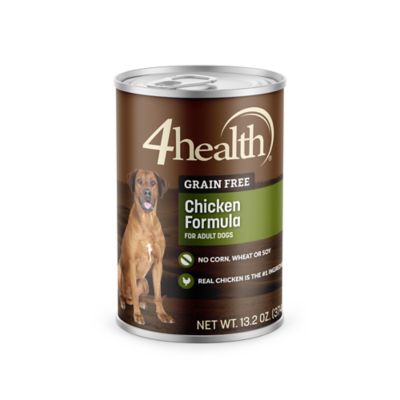
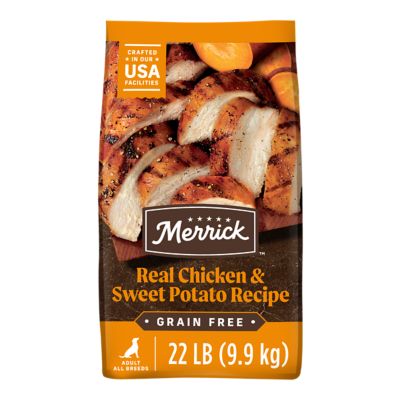
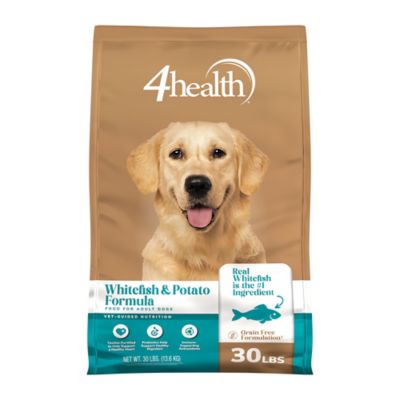
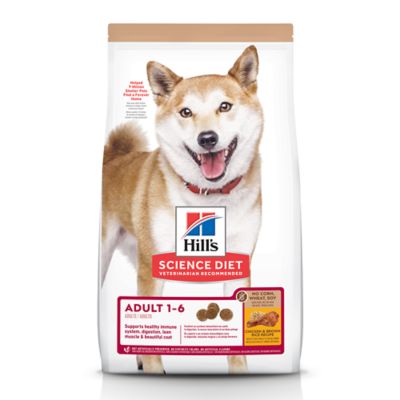
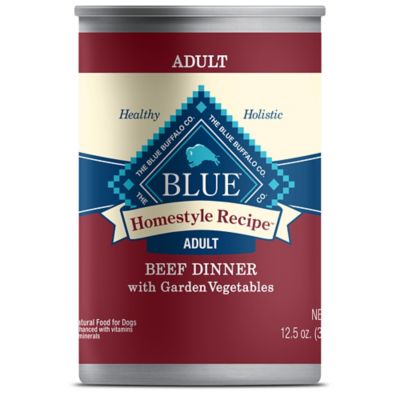
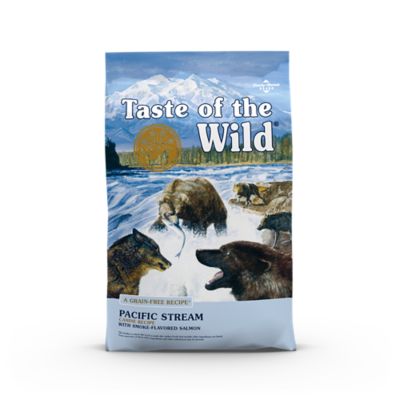
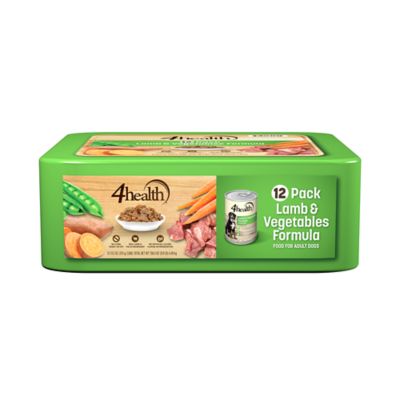
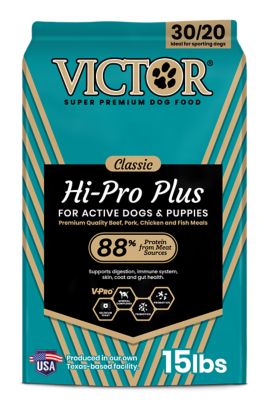
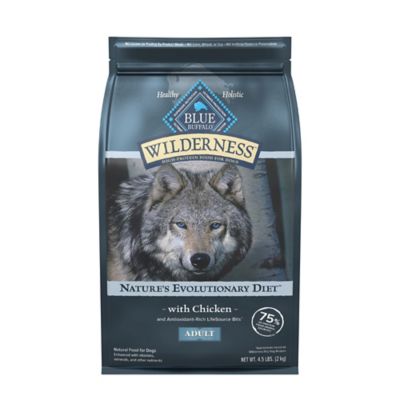
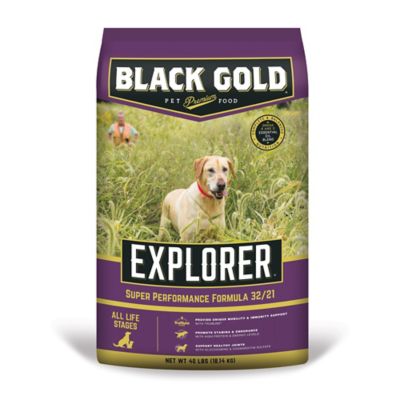
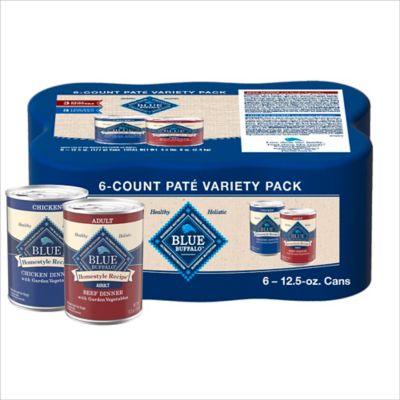
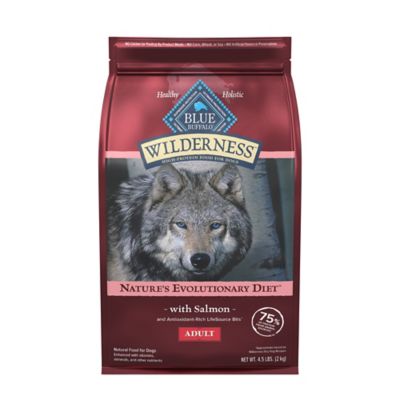
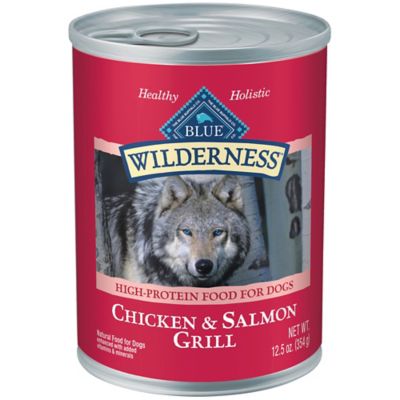
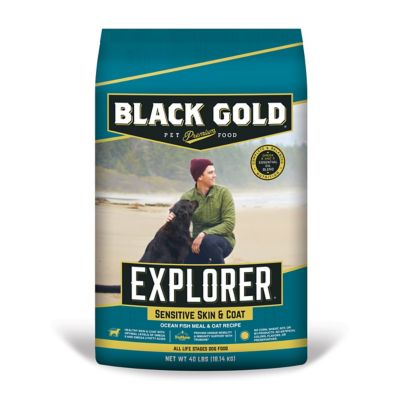
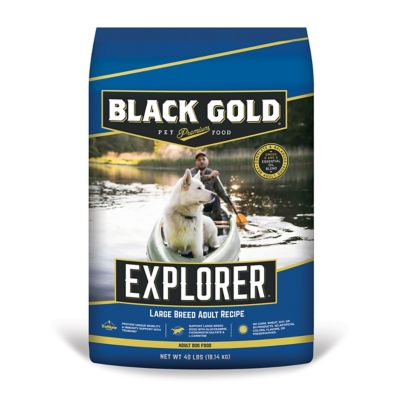
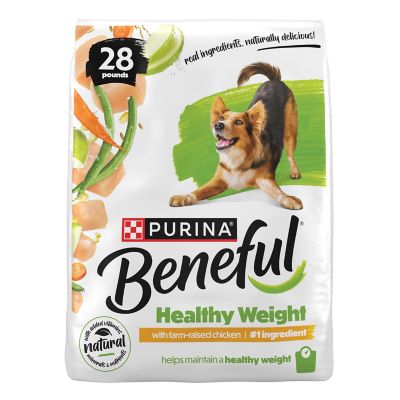
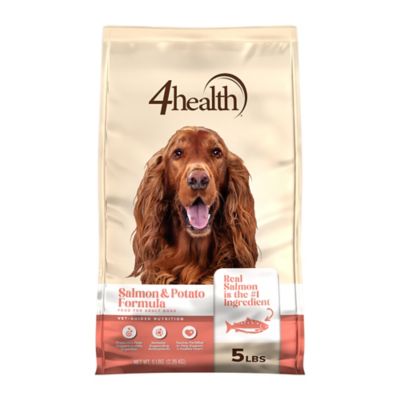
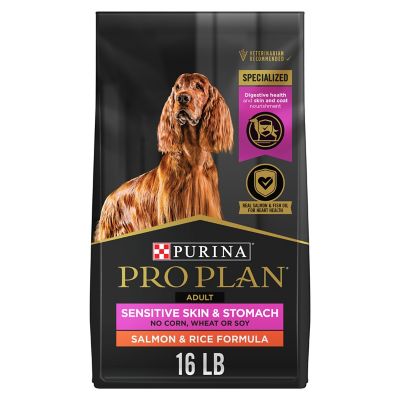
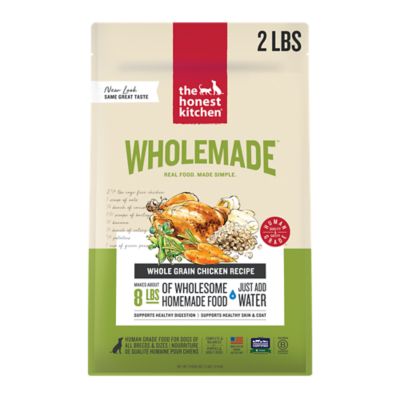
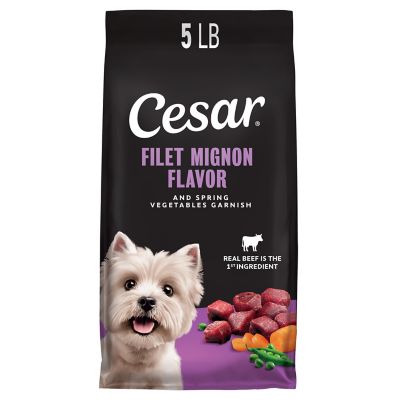
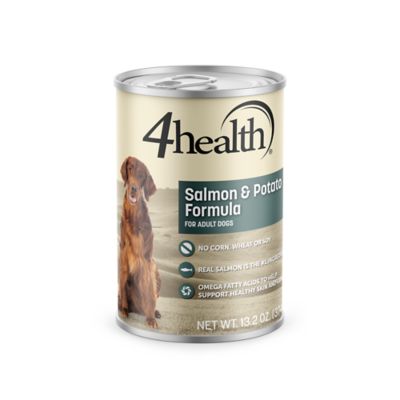
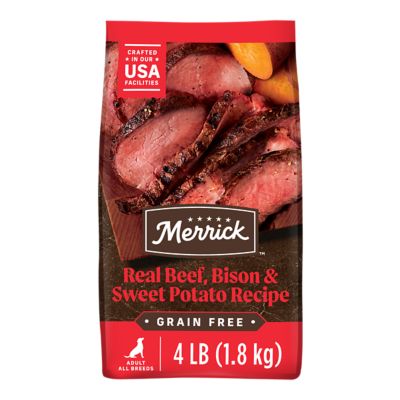
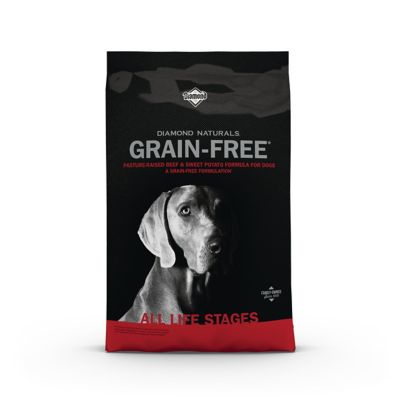
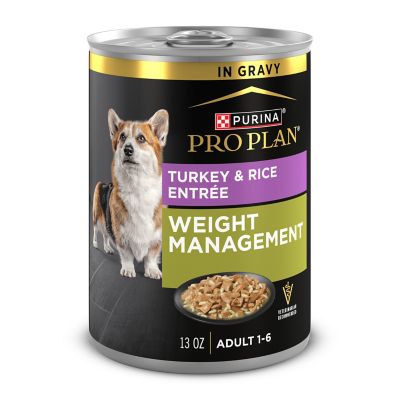
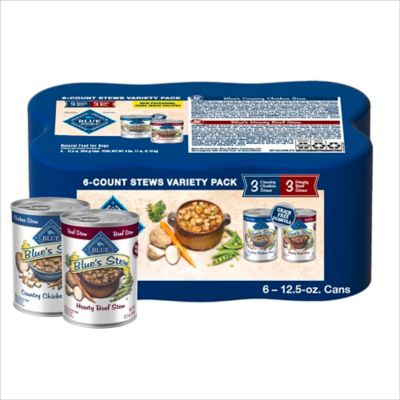
No corn dog food includes dry and wet formulas made without corn ingredients, giving dog owners a way to leave corn out of the bowl while still meeting everyday nutritional needs. Corn-free dog food is not necessarily grain-free: recipes may contain rice, brown rice, oats, barley, or other grains instead. A formula without corn also may contain wheat or soy, so those exclusions need their own check on the ingredient list. For households choosing food around a veterinarian’s recommendation or a feeding preference, these distinctions help narrow the choices without cutting out more ingredients than intended. Corn provides nutrients in many dog foods and is not automatically a problem for dogs that tolerate it. Its absence alone does not make a recipe more nutritious, easier to digest, or better suited to every dog. The full formula matters, including its protein, fat, fiber, vitamins, minerals, and calorie content. A nutritional adequacy statement identifying the food as complete and balanced for the appropriate life stage is a stronger starting point than a claim about one missing ingredient. That statement generally references nutrient profiles or feeding procedures established by the Association of American Feed Control Officials, or AAFCO. Ingredient lists offer another layer of detail, especially when avoiding corn means checking for cornmeal, corn gluten meal, corn flour, and other corn-derived ingredients rather than looking only for whole corn. Package wording can highlight a recipe’s main features, but the full label gives a clearer picture of what goes into each serving. Chicken, beef, fish, and lamb are among the animal proteins found across corn-free recipes, while different carbohydrate sources contribute energy and help shape the food’s texture. A dog that spends the day alongside chores and a dog that keeps watch from the couch can both eat a corn-free diet, provided the recipe and portions match their individual needs. The goal is a food that fits the dog, not simply a longer list of ingredients left out.
Life stage, body size, and daily activity help determine which no corn dog food belongs in a particular feeding routine. Puppies need nutrition that supports growth, and large-breed puppies need a formula specifically suited to their growth requirements. For those bigger youngsters, the adequacy statement should indicate suitability for the growth of large-size dogs, meaning dogs expected to weigh 70 pounds or more as adults. Adult maintenance formulas serve a different purpose, while foods marketed for senior dogs vary in calories, fiber, and other nutrients. An older dog carrying extra weight may need a different nutritional approach than one struggling to keep weight on, even when both eat food without corn. Dry corn-free dog food offers a scoop-and-serve format that works well for measured meals, puzzle feeders, and portions set aside for training. Kibble size and shape can affect how comfortably a dog picks up and chews the food, particularly for small mouths or dogs with dental trouble. Wet corn-free dog food has more moisture and a softer texture, with formats that can include smooth loaves or pieces in gravy. It can serve as a full meal when labeled complete and balanced, or accompany dry food when the combined portions account for the dog’s daily calorie needs. Foods labeled for intermittent or supplemental feeding are not intended to supply the entire diet on their own. Calories per cup or can make a meaningful difference when comparing recipes; equal-looking servings do not always provide equal energy. A measuring cup filled consistently, or a kitchen scale paired with the label’s feeding amounts, helps keep portions steady. Treats, toppers, and bites from the table also count toward the day’s intake. In a home with several dogs, separate feeding spots make it easier to see who finishes a meal and who leaves food behind. That matters when one dog needs a corn-free recipe and another has a different diet, because a quick trip to the next bowl can undo an otherwise careful feeding plan.
Ingredient preferences often overlap, but each label claim answers a different question. No corn does not mean no animal by-products, just as no by-products does not mean grain-free. The
Dog Food Without By Products page offers another ingredient-focused way to browse, with the full label still important when more than one exclusion matters. By-products can supply valuable nutrients, so their presence or absence does not establish the nutritional value of a food by itself. Likewise, itching, paw licking, loose stools, or recurring ear trouble do not prove that corn is the cause. Food reactions can involve other ingredients, including animal proteins, and similar signs may have causes unrelated to diet. A veterinarian can help sort out those concerns and determine whether a supervised elimination diet is appropriate. For a dog with a diagnosed food allergy, an everyday corn-free formula may not provide the ingredient controls needed for that plan; manufacturing cross-contact and ingredients beyond corn can matter. For routine food changes, a gradual transition over about seven to ten days often helps dogs adjust, unless a veterinarian recommends another approach. Mixing increasing amounts of the new food with decreasing amounts of the previous food gives the digestive system time to settle into the change. Appetite, stool consistency, body condition, and comfort at mealtime offer practical feedback once the dog is eating the new recipe. Storage and bowl care matter, too. Dry food keeps its package information and feeding directions close at hand when left in its original bag inside a clean, tightly closed container. Wet food needs refrigeration after opening and should follow the package’s storage and serving directions. Clean scoops, washed bowls, and fresh drinking water round out the routine. Whether meals happen before the morning chores or after an evening walk, a well-matched corn-free dog food can fit a straightforward feeding plan built around the dog’s nutritional needs, comfort, and steady eating habits.