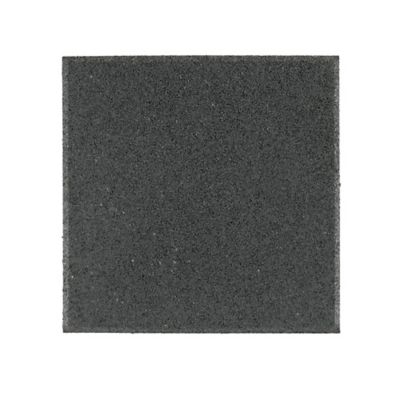
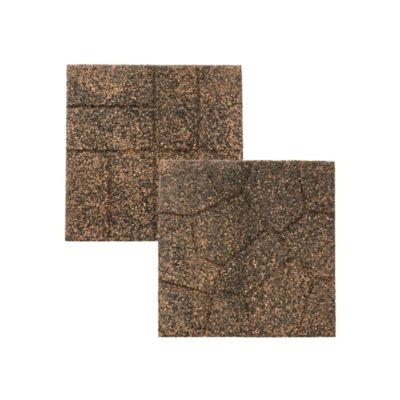
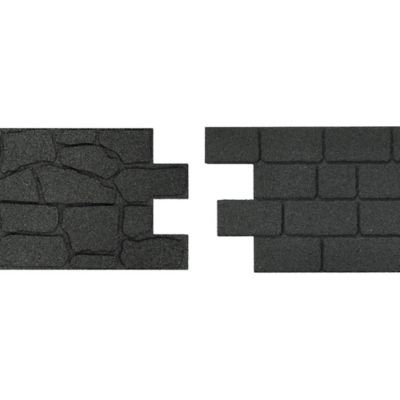
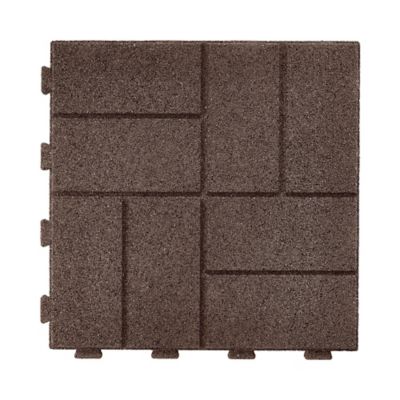
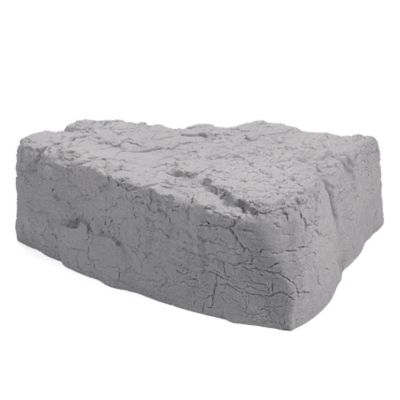
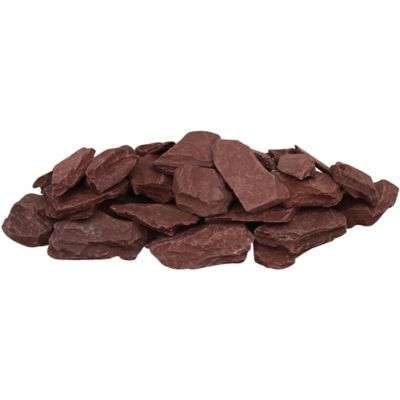
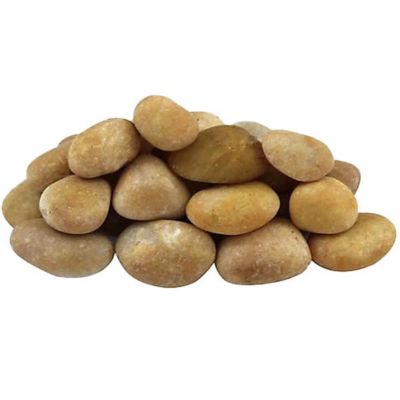
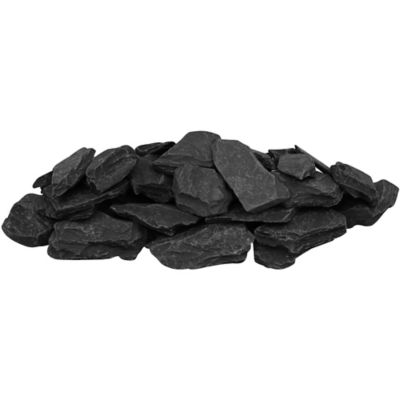
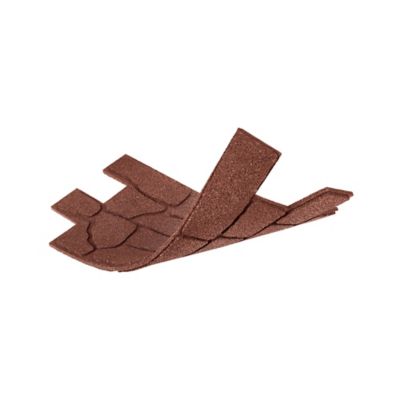
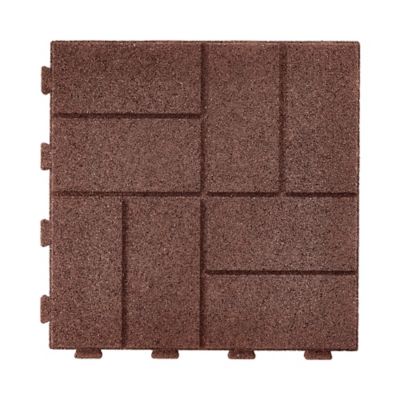
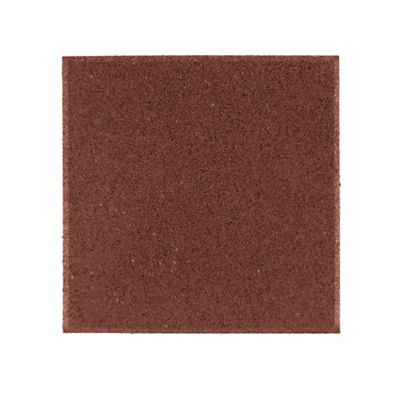
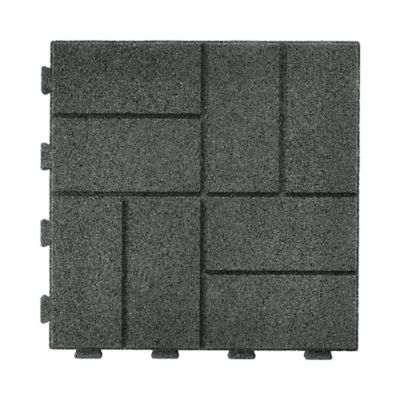
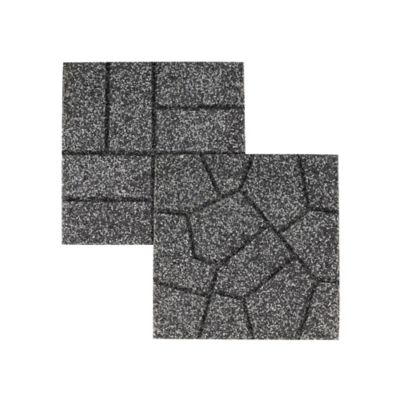
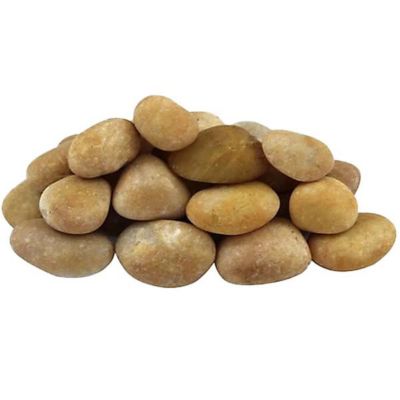
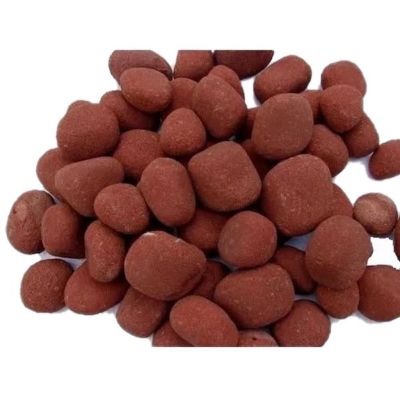
Garden walkway stones give foot traffic a clear route through the yard, whether the destination is a vegetable patch, a potting bench or the gate beside the shed. They create a place to step without walking directly on planted beds, loose soil or mulch, while helping separate growing areas from everyday travel lanes. The category includes concrete stepping stones, natural stone slabs, flagstone and manufactured alternatives made from materials such as rubber or resin. Each brings a different balance of weight, texture, shape and upkeep. Concrete pavers generally have consistent dimensions that suit straight runs and evenly spaced paths. Natural stone offers variations in color, thickness and outline, giving a walkway a less uniform appearance that fits comfortably beside split-rail fencing, established shrubs and country gardens. Flagstone is a broad term for stone split into flat slabs, rather than a single kind of rock, so its performance depends on the stone itself. Rubber and resin options can weigh less than comparable concrete or stone pieces, though their installation requirements and suitability for foot traffic vary by construction. Surface patterns may resemble rock or timber, while the actual material determines how each piece feels underfoot and holds its shape. Square and rectangular walkway stones lend themselves to orderly layouts along raised beds or between a porch and an outbuilding. Round stones and irregular shapes can follow a winding route around a shade tree or through a flower garden. Color matters beyond appearance, too: a clear contrast between a stepping surface and the surrounding ground can make a path easier to see. Earthy browns, soft grays and sandy tones tend to sit naturally against gravel, bark mulch and green foliage. For a path that connects several parts of the property, repeating a shape or color helps the whole stretch feel connected without making a hardworking yard look overly formal.
The best fit for garden walkway stones depends on how the path will function, not just how the stones look from the porch. A lightly traveled route to a birdbath has different demands than the daily walk to a garden shed with a watering can in each hand. Surface size deserves attention because a stone needs enough landing room for a comfortable step, including work boots. Spacing should suit the people walking the route rather than forcing an extra-long stride. Closely fitted pavers may make more sense than widely separated stepping stones where a wheelbarrow, garden cart or mobility aid needs to pass; even then, the finished surface needs to be firm, stable and appropriately sized for that traffic. Thickness, material strength and the support beneath each piece all affect resistance to cracking, shifting and rocking. A heavy stone is not automatically a steady one, especially when it rests on uneven ground. Likewise, a thin accent piece should not be assumed suitable for regular walking unless its stated purpose includes foot traffic. Product dimensions, load limitations and installation directions help distinguish a walkable surface from a garden accent. Texture also affects footing. Rough or lightly textured faces may offer more grip than polished surfaces, but deep ridges and pronounced relief patterns can feel awkward beneath a shoe. No surface is slip-proof, and soil, plant growth or residue can change traction. Edges matter along grass paths, where a raised lip can interfere with mowing or catch a toe. In mulch or gravel, enough separation between loose material and the walking surface helps keep the route defined. Gardeners looking to coordinate a stone path with surrounding beds can explore
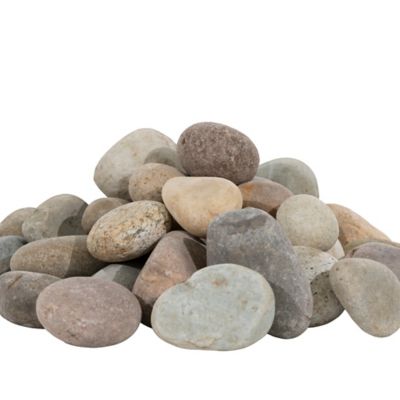
Natural Landscaping Stones for complementary materials, while checking that anything intended as a stepping surface is suitable for that purpose. A coordinated landscape can still mix materials: broad stepping stones through a gravel area, for example, provide distinct foot placements while keeping the surrounding space visually simple.
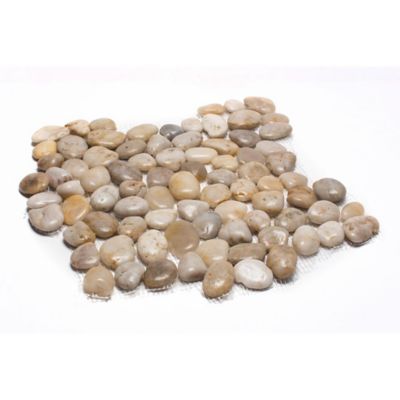
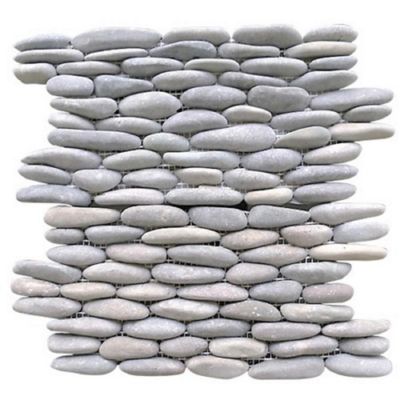
Care and long-term performance are part of choosing walkway stones, particularly around busy gardens where soil, clippings and potting mix often end up underfoot. Concrete and natural stone are substantial materials, but neither is maintenance-free. Concrete can chip along exposed corners, and some natural stones have layers that may flake or separate. Stone type, manufacturing methods, thickness and placement all influence service life, so appearance alone does not tell the whole story. Rubber and resin pieces have their own considerations, including flexibility, surface wear and any fastening or support requirements listed by the manufacturer. Pebble-faced pavers add a rounded, textured look, although their suitability for walking depends on how firmly the pebbles are secured and how even the finished face is. Mesh-backed pebble sheets are different from solid stepping stones and may require a prepared setting bed and bonding material rather than placement directly on soil. For routine upkeep, sweeping away grit and plant debris helps preserve the surface texture and keeps the path looking tidy. Cleaning methods should match the material; aggressive scrubbing, harsh chemicals or high-pressure washing can harm certain finishes or loosen surface components. Some stones may benefit from a compatible sealer, while others need no coating, making the manufacturer's care guidance more useful than a one-size-fits-all treatment. Occasional checks for rocking pieces, sunken edges and encroaching roots help catch changes before they become a nuisance on a frequently traveled route. These practical details matter to vegetable growers carrying a harvest basket, homeowners tending foundation beds and anyone who wants a clear walk between the back door and a favorite outdoor seat. A garden stepping stone can also make a thoughtful housewarming or gardening gift when its size, weight and intended purpose suit the recipient's space. For a working path, comfort and stability come first; for a quiet corner beside a bench, shape and surface character may carry more weight. The right combination gives the yard a route that feels natural to follow and stands up to the everyday business of tending plants, hauling supplies and getting from one place to another.