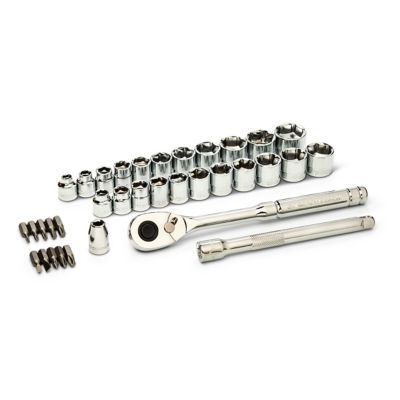
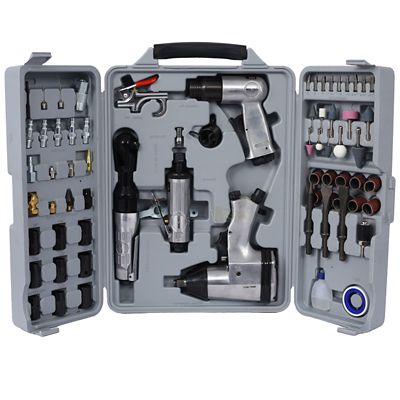
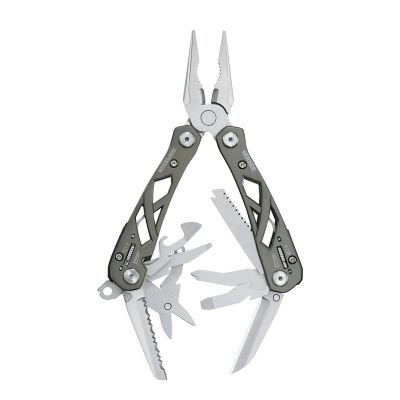
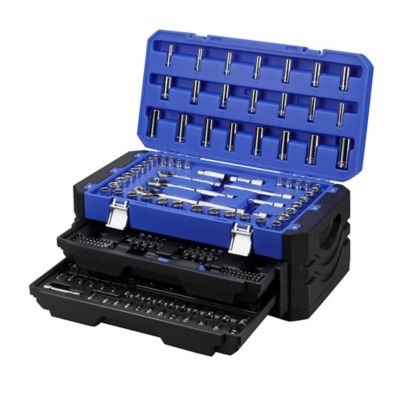
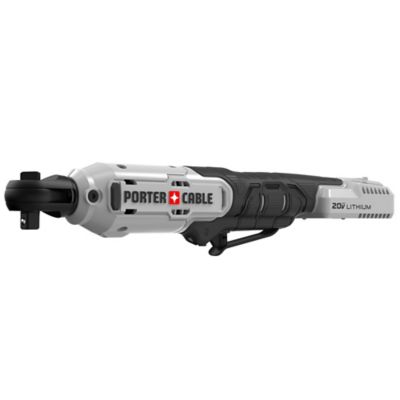
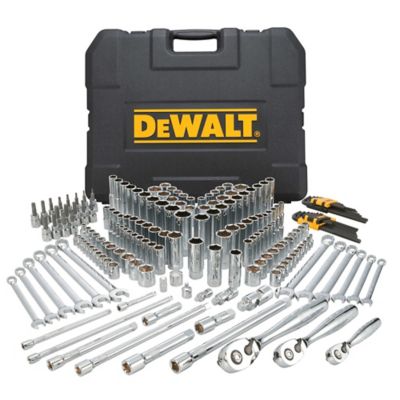
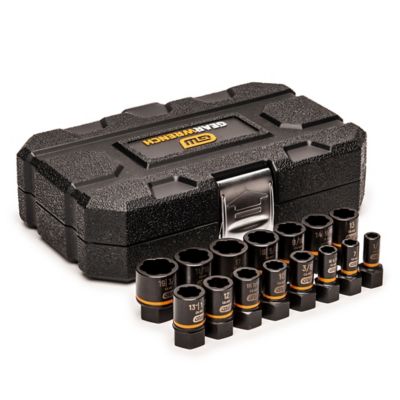
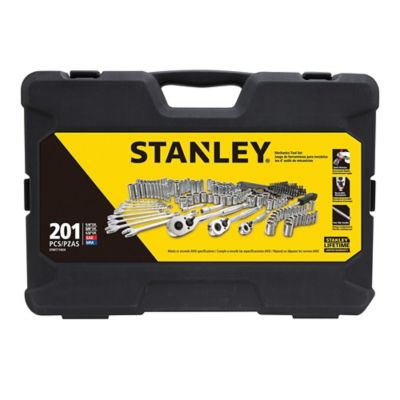
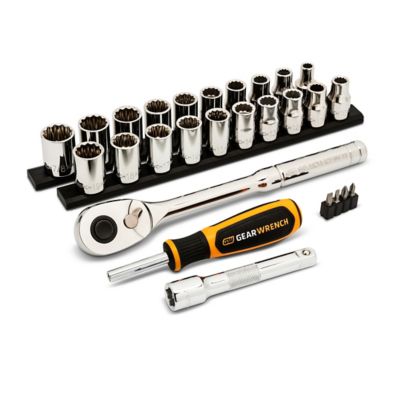
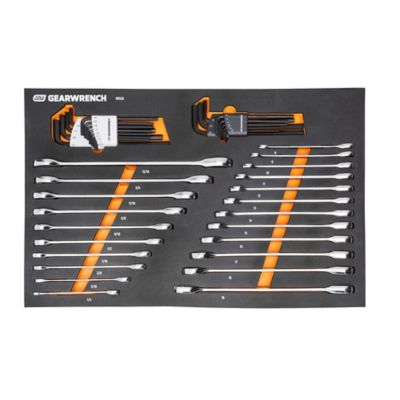
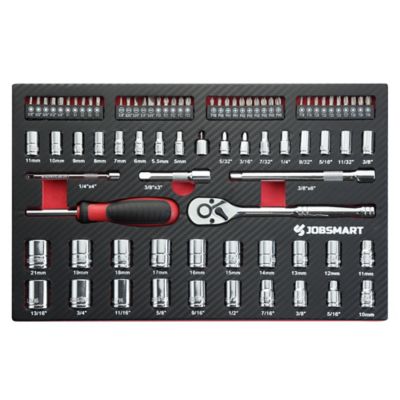
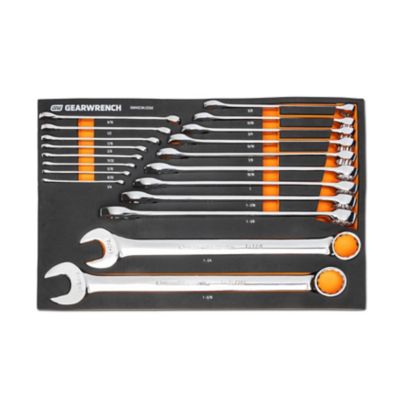
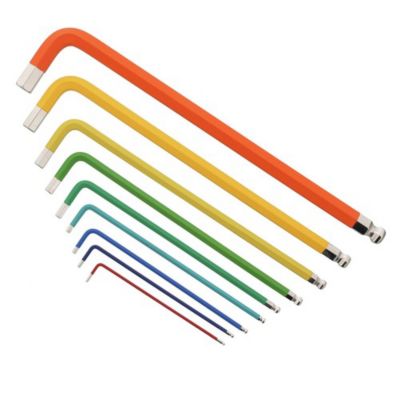
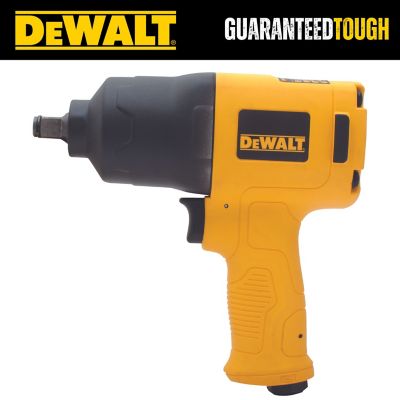
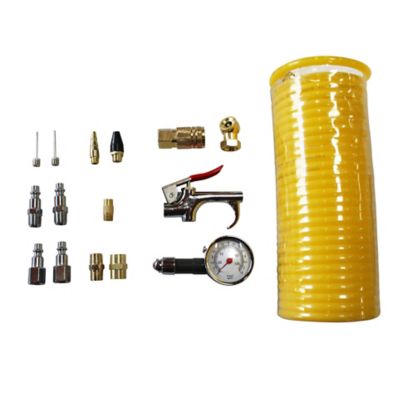
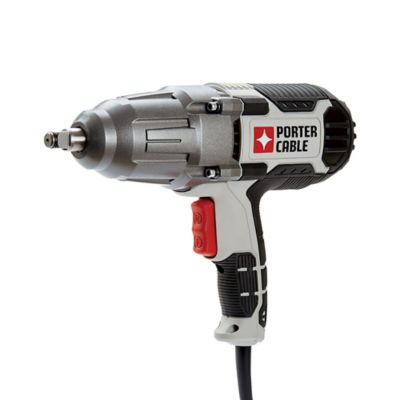
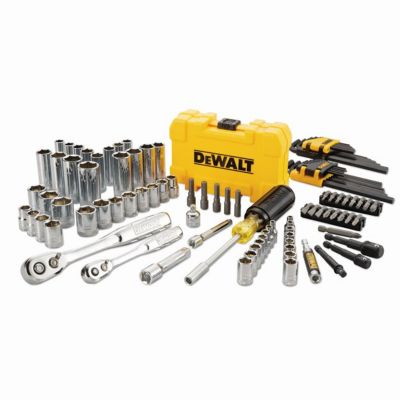
Mechanics spend a lot of time dealing with fasteners, fittings, wiring, and parts tucked into tight spaces, so a well-rounded tool collection can make routine vehicle work go more smoothly. A socket and ratchet set is a practical starting point, with metric sizes and several drive sizes to cover everything from small engine-bay bolts to larger suspension hardware. Shallow sockets work well where space is open, while deep sockets can reach nuts on longer studs. Combination wrenches add flexibility when a ratchet cannot fit, giving you an open end for quick access and a box end for a firmer grip. A set of pliers is just as useful around the shop, especially when handling clamps, wires, clips, and small parts. Needle-nose pliers can reach into narrow areas, locking pliers can hold a stubborn piece in place, and standard slip-joint pliers can help with general gripping and turning. For fasteners that refuse to move after years of road grime or rust, a breaker bar provides extra leverage without putting repeated strain on a ratchet mechanism. Pry bars can help shift components, guide belts into position, or separate parts that have settled together over time. These tools suit professional technicians, farm and ranch vehicle owners, weekend garage workers, and anyone who likes to keep a truck, trailer, tractor, or utility vehicle ready for the road.
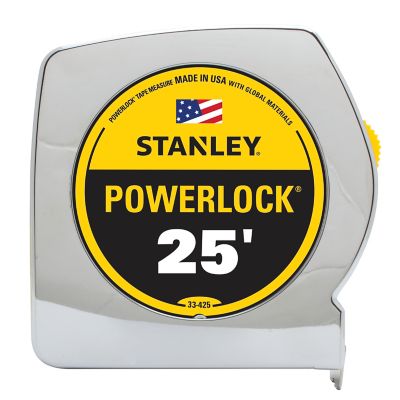
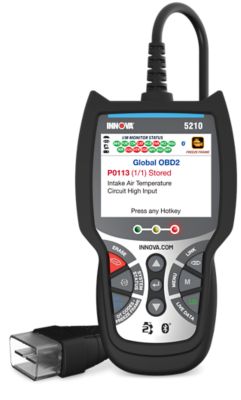
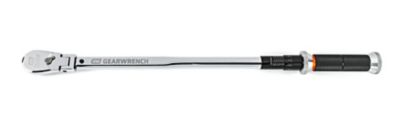
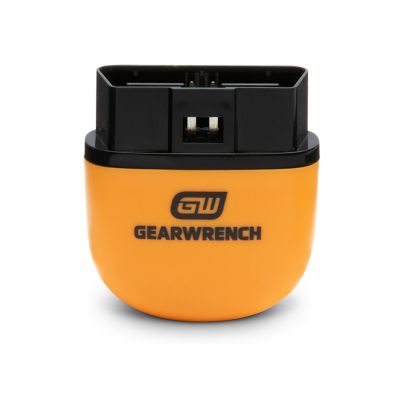
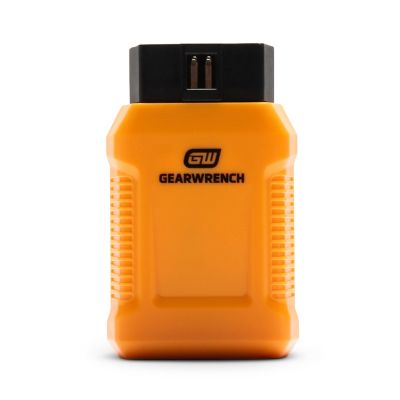
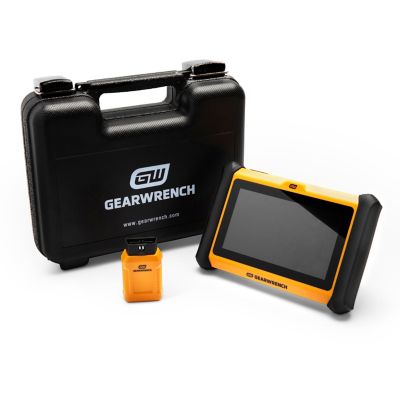
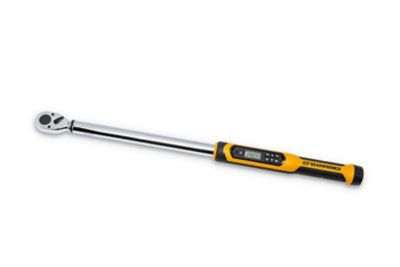
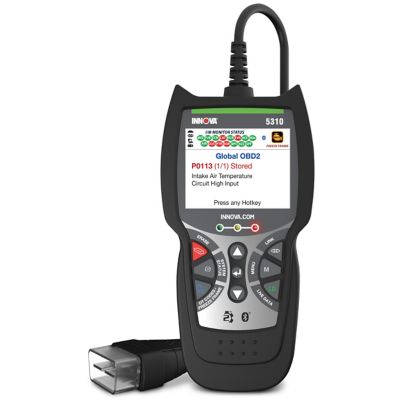
Striking and measuring tools round out the core needs of a working garage. A dead-blow hammer delivers firm force while helping limit bounce and surface damage, making it useful for loosening stuck parts, seating components, and making careful adjustments. Other hammer styles can serve different jobs, but the right choice depends on the material being struck and the amount of force required. Electrical testing tools help track down problems that are not visible at a glance. A multimeter can check battery voltage, continuity, and other circuit readings, giving mechanics a better way to follow a wiring issue from the battery through fuses, switches, and connections. An OBD-II scanner can read diagnostic trouble codes from many modern vehicles, helping identify systems that may need closer inspection before parts are removed or replaced. A torque wrench is an important choice for work where fasteners must be tightened to the vehicle maker’s specifications, including wheel, engine, brake, and suspension service. Applying the right amount of torque helps support proper assembly and makes it easier to keep maintenance work consistent. An oil filter wrench can be especially handy during routine oil changes when a filter is recessed, slick, or tightened beyond what bare hands can manage. Together, these tools help turn a cluttered repair job into a more organized process, whether the work happens in a gravel-floor shop, a home garage, or beneath a truck parked in the driveway during the cooler months.
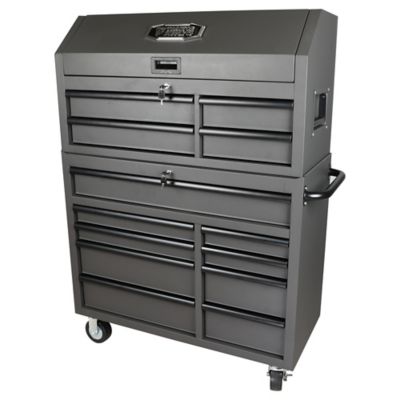
When comparing tools for mechanics, think about the vehicles and equipment that will receive the most attention, the fastener sizes they use, and the amount of room available in the shop or toolbox. A technician who works on several types of vehicles may benefit from broad size coverage, multiple drive sizes, and tools that can reach both open areas and cramped engine compartments. Someone focused on routine upkeep may prefer to begin with sockets, combination wrenches, pliers, a breaker bar, a hammer, a multimeter, and a torque wrench, then add specialty tools as new repair jobs come along. Check handle comfort, markings that are easy to read, storage options, and the tool’s intended use before adding it to a collection. For safety, pair mechanical tools with eye protection, work gloves suited to the task, proper jack stands, and lighting that reaches behind and beneath the vehicle. These selections can also make a thoughtful gift for a new driver, a farmhand learning equipment maintenance, or an experienced mechanic who keeps a second work area at home. Shoppers building out a workbench can also browse
Accessories For Mechanics for useful additions that help keep tools, parts, and everyday service tasks in order. As weather shifts from warmer afternoons to colder mornings, having the right tools close by can make seasonal checks, battery service, tire work, fluid changes, and unexpected repairs easier to manage.