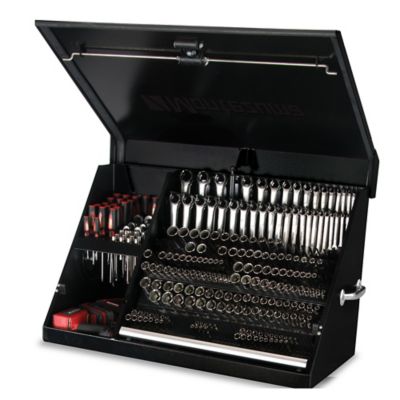
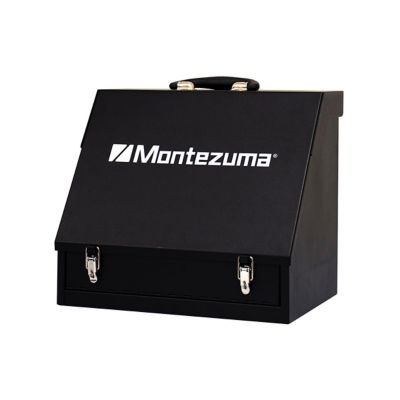
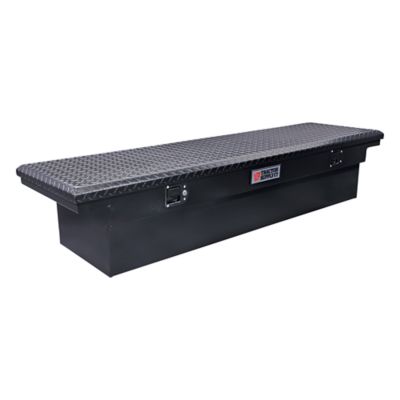
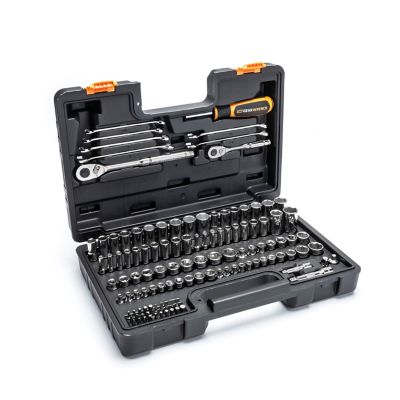
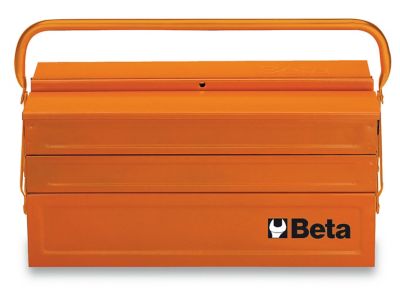
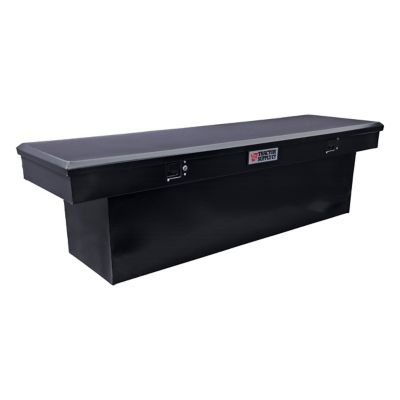
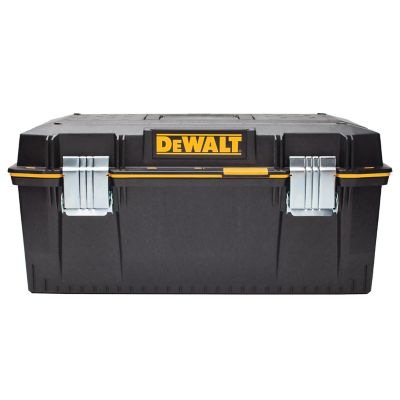
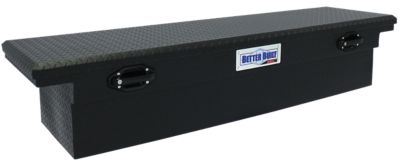
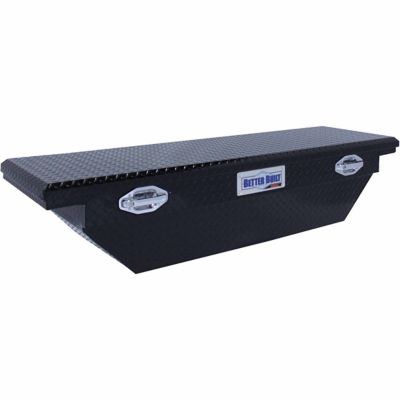
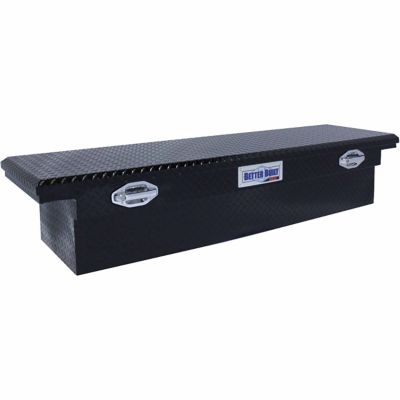
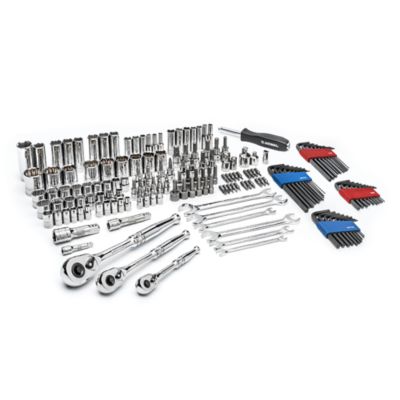
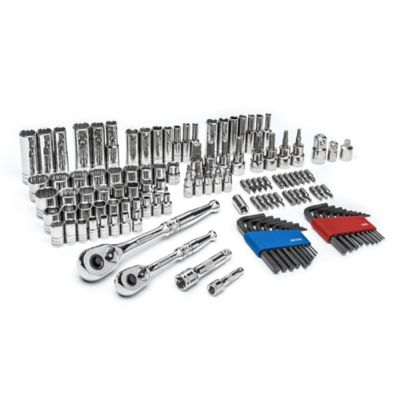
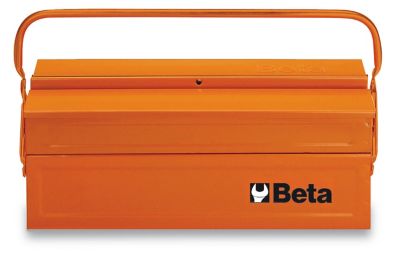
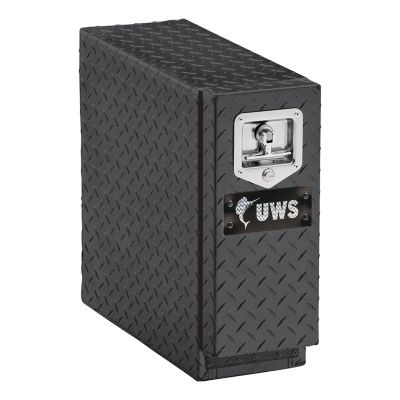
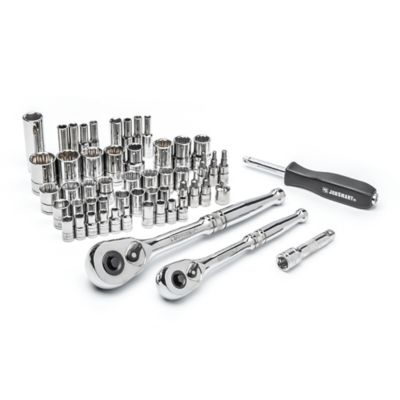
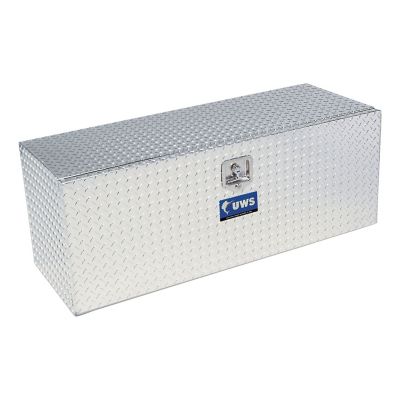
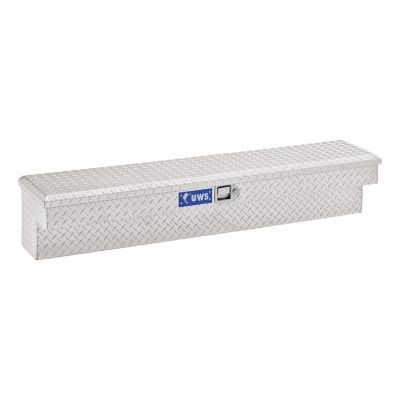
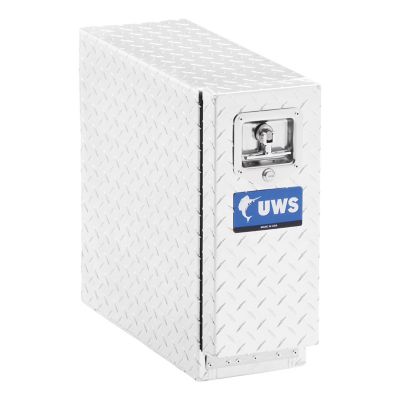
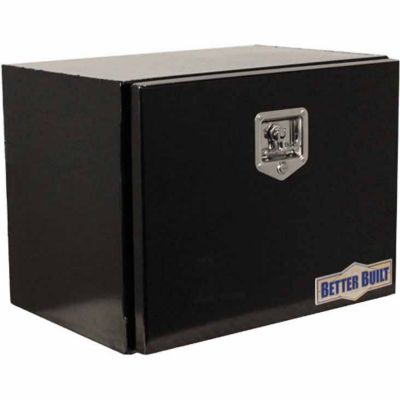
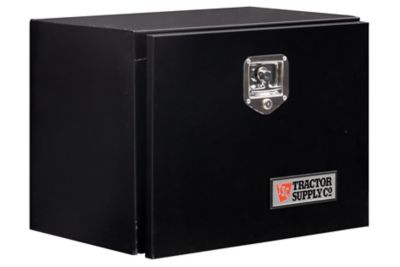
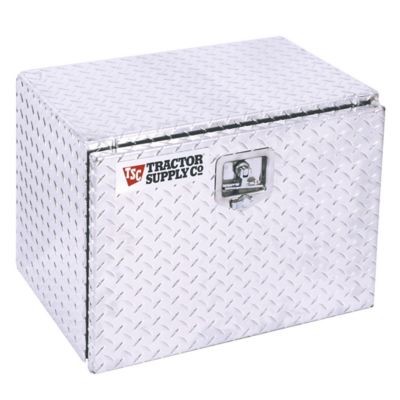
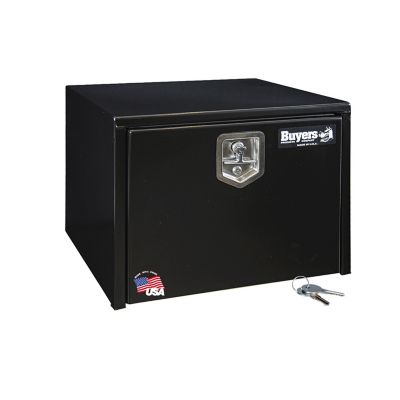
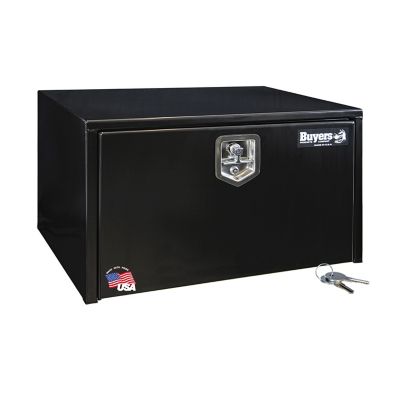
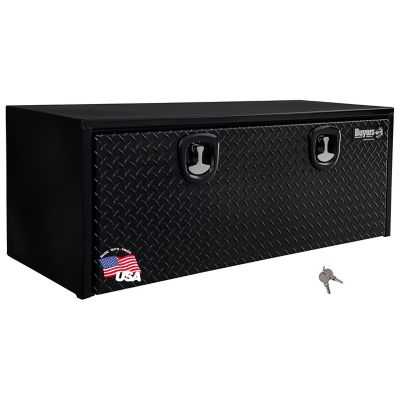
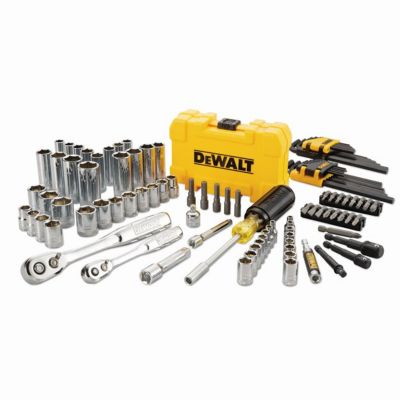
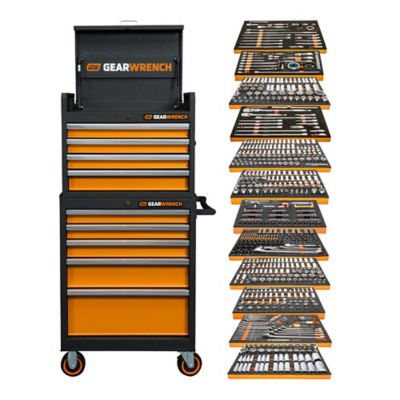
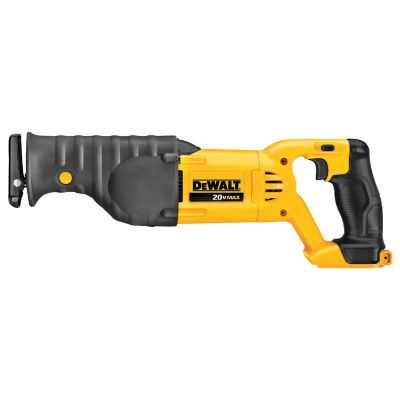
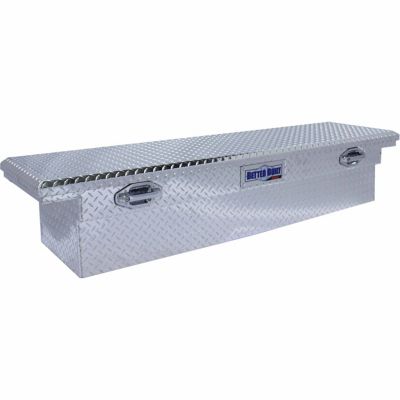
An auto mechanic tool box gives your hand tools a home, keeps the work area from turning into a jumble, and helps you get back to the repair at hand without digging through five different buckets. Whether you work on farm trucks, family vehicles, trailers, motorcycles, or equipment around the property, good tool storage can make a long repair feel a whole lot more manageable. A well-organized box protects tools from dirt, moisture, and the everyday knocks that come with garage work, while drawers and compartments make it easier to see what you have before buying duplicates. For a home garage, a compact chest or rolling cabinet may be enough for sockets, wrenches, pliers, screwdrivers, measuring tools, and electrical testers. A working mechanic or serious do-it-yourselfer may need a larger multi-drawer setup with room for specialty tools, replacement fasteners, shop supplies, and spare parts. Portable cases and smaller boxes are useful when the repair takes place in a driveway, barn, roadside pull-off, or another location away from the main workbench. When comparing an auto mechanic tool box, start with the amount and type of equipment you plan to store, then consider the space available in your garage or shop. A box that fits neatly beneath a workbench may be more useful than a large cabinet that blocks a walkway, while a rolling design can save plenty of bending and carrying when tools need to move from one side of a vehicle to the other. Look for sturdy construction, smooth drawer operation, secure latches, and a finish that can stand up to grease, dust, and temperature changes. Drawers with liners help keep sockets and small parts from sliding around, and deeper compartments are handy for hammers, torque tools, impact accessories, and longer handles. If you work around gravel drives or uneven concrete, large casters and a solid push handle can make a noticeable difference. Locking storage also adds peace of mind in a shared garage, especially when valuable tools need to stay put between jobs.
The best setup usually matches the way you work, not just the number of tools you own. A mobile mechanic may favor a portable tool box with a secure lid, a comfortable handle, and a layout that keeps common tools easy to reach. A technician who spends most of the day in one garage bay may get more value from a rolling cabinet with several drawers, a broad top surface, and room to grow. Stackable or modular storage can help make use of a tight space, allowing one case for sockets, another for electrical supplies, and another for specialty automotive tools without committing to one oversized cabinet. Before choosing a box, take a quick inventory of the tools you use most often. Lay out your ratchets, extensions, sockets, wrenches, pliers, screwdrivers, pry bars, and diagnostic equipment, then leave some extra room for future additions. Tool collections tend to grow one useful piece at a time, much like a well-stocked barn or parts shelf. Check drawer dimensions instead of judging storage by outside measurements alone, and pay attention to weight capacity if you plan to store heavy impact tools or large socket sets. A shallow top drawer can keep frequently used items close, while deeper drawers are better suited for bulky equipment. Dividers, trays, foam organizers, and labeled sections can prevent a 10-minute search for one missing socket when the vehicle is already up on stands. Keep clean hand tools separated from greasy equipment when possible, and wipe tools down before putting them away; a little routine care helps prevent rust and keeps drawer liners from collecting sludge. During the warmer seasons, portable storage makes it easier to take a repair out to the driveway or work shed, while during the cooler months, a dependable rolling box keeps tools close at hand when garage doors stay shut and projects move indoors. For diesel pickup repairs, heavy equipment maintenance, and other high-torque jobs, you may also want to browse
Diesel Mechanic Tools for storage and equipment suited to larger engines and demanding work.
An auto mechanic tool box can also make a thoughtful gift for someone who is always fixing, maintaining, or improving something. It suits a new driver learning basic vehicle care, a handy relative setting up a first garage, a farm owner who keeps trucks and equipment running, or a seasoned mechanic who has outgrown a worn-out case. The right choice depends on the recipient’s habits. Someone who handles oil changes, brake work, and seasonal maintenance may appreciate a straightforward chest with room for everyday tools, while a traveling repair worker may need a lighter case that can ride securely in a truck or service vehicle. If the box is intended as a gift, consider the person’s available workspace, current collection, and comfort with lifting a heavy load. A smaller, organized case is often more useful than an oversized cabinet with empty drawers, especially for someone just building a tool collection. For an experienced mechanic, look for features that make daily work easier, including full-extension drawers, protective liners, sturdy casters, a locking system, and a surface that can double as a staging area for parts. Good storage is especially valuable when a repair stretches into the evening and the last thing anyone wants is to hunt under a workbench for a 10-millimeter socket by flashlight. Keeping tools sorted also helps with safety: sharp picks, heavy bars, and loose hardware are less likely to end up beneath a tire or underfoot. Whether it lives in a professional shop, a two-car garage, a pickup bed, or a small corner of the barn, the right tool box helps bring order to routine maintenance and major repairs alike. Browse the available auto mechanic tool boxes by size, mobility, drawer layout, and construction so you can choose storage that fits your tools, your workspace, and the kind of work waiting in the driveway.