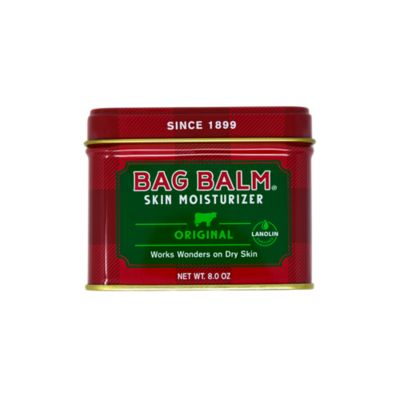
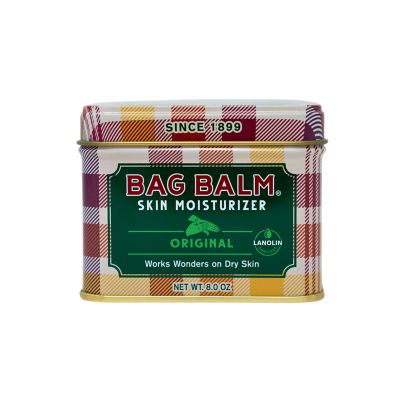
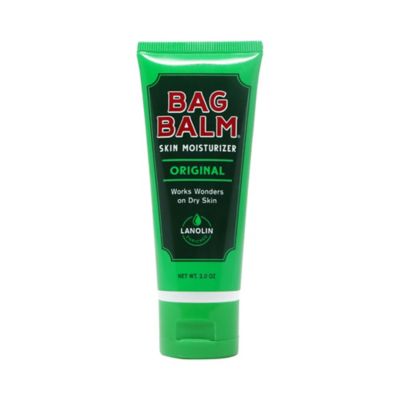
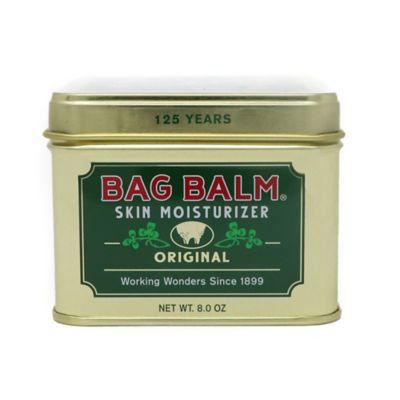
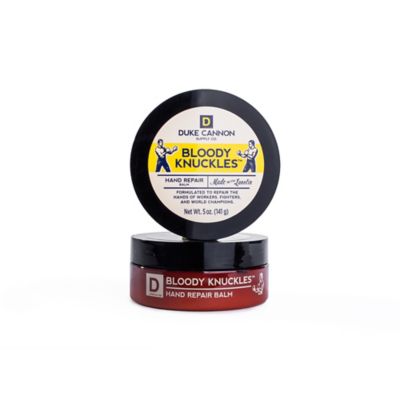
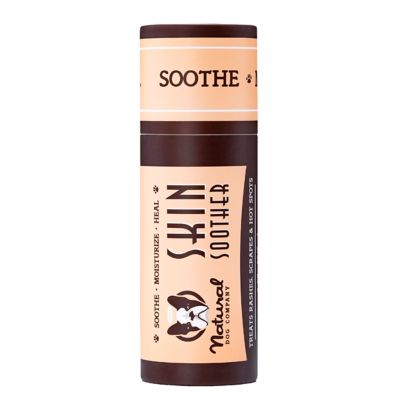
Multipurpose skin balms are rich, concentrated skin-care formulas that soften dry areas and help hold moisture at the skin’s surface. Many contain little or no water and rely on oils, waxes, butters, or petrolatum to create a protective layer that supports the skin’s natural moisture barrier. That thicker texture makes them different from most lotions, which generally contain more water and spread easily over larger areas. A balm is often a good fit for spots that need a little extra attention, such as rough knuckles, dry elbows, cuticles, and heels. For folks washing up after barn chores, working with their hands, or spending long stretches in work boots, those small patches of dryness can become a daily bother. A multipurpose formula brings several spot-care needs into one container, provided its label covers the intended areas. The ingredients help explain how a balm feels and performs. Petrolatum helps limit moisture loss, while plant oils and ingredients such as shea butter or cocoa butter add softness and slip. Waxes give a formula structure and can help it stay where it is applied. Lanolin appears in some formulas as an emollient, though it may not suit people with a sensitivity to it. Some balms also contain humectants, such as glycerin, which attract water to the outer layer of skin. These ingredients play different roles, so two balms with a similar appearance may feel quite different on the hands. One may spread into a thin, glossy layer, while another may have a firmer consistency and leave a more noticeable coating. Neither texture is automatically the better choice; the right fit depends on the skin area, personal preference, and what comes next in the day. A little slip may feel welcome on dry heels at bedtime, while hands reaching for a gate latch or steering wheel may call for a lighter application and less residue. Balms mainly help retain moisture already present, which is why they often fit well into a routine after washing.
A multipurpose label does not mean every formula belongs on every part of the body. Balms intended for hands and body may differ from those labeled for lips or facial skin, and the stated uses matter more than a broad name on the container. A lip application calls for a formula specifically labeled for that area, while facial use deserves attention to fragrance, texture, and how easily the skin develops clogged pores. A rich body balm can feel comfortable on elbows yet too heavy across the face. For hands, the feel left behind matters almost as much as the initial softness. Someone moving between handwashing, paperwork, and feeding chores may prefer a thin layer that settles in without much transfer. A thicker coating may be more practical when the work is finished and there is time to let it sit. Around nails, a small amount can soften dry cuticles without coating the whole hand. On heels, a richer texture may pair well with clean socks, although residue on bare feet can make smooth floors slippery. Fragrance is another consideration, especially for anyone whose skin reacts easily. Fragrance-free and unscented are not always interchangeable descriptions; an unscented formula can contain ingredients that mask other smells. Plant-derived ingredients and essential oils can also cause irritation, so a familiar-looking ingredient list is not a guarantee of comfort. Trying a small amount on a limited area before wider application can help reveal a reaction. Cosmetic balms generally focus on softening skin and reducing moisture loss, while products carrying skin-protectant claims may have Drug Facts labeling and specific directions. Those distinctions are worth checking when dryness includes cracking or irritation. Deep cracks, bleeding, signs of infection, or a rash that does not improve call for medical advice rather than more layers of balm. Keeping the intended use clear helps narrow the choices without expecting one formula to handle every skin concern.
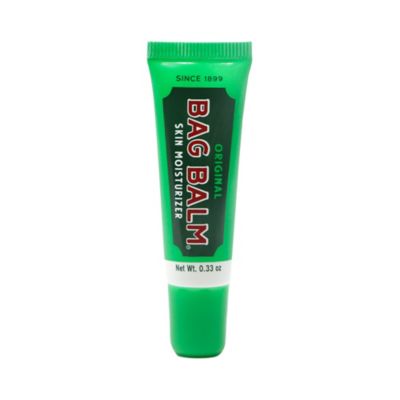
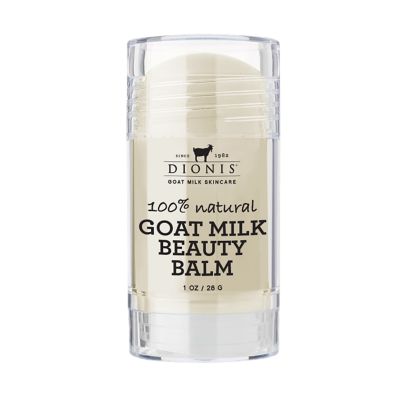
Packaging and everyday care also shape how well a balm fits into a routine. A wide-mouth jar makes a firm formula easy to reach, while a tube limits direct contact with the contents and slips neatly into a toiletry bag. A twist-up format can keep application more contained when its label allows direct use on the intended area. Secure closures matter in a work bag or bathroom drawer, where a loose lid can lead to leaks or collect dirt around the opening. Clean, dry hands and a clean applicator help keep jar contents free of grit and excess water. Keeping the container closed between applications also helps preserve the formula as directed. Storage instructions and any expiration date deserve attention, especially for formulas with active ingredients or those carried between home and work. A change in smell, color, or texture is a reason to check the package guidance before applying more. Balm residue can transfer to clothing, bedding, glove linings, and tools, so the amount applied makes a practical difference. A small dab spread into a thin layer is often easier to manage than a heavy coating, particularly before handling anything that requires a steady grip. For larger areas of dry skin,
Body Lotions For Dry Skin offer a more spreadable option, while a balm can provide targeted coverage where rough patches linger. The two textures can fit the same routine without serving exactly the same purpose: lotion covers more ground, and balm concentrates attention on smaller spots. Applying a balm to clean skin that is still slightly damp can help hold on to that moisture, as long as the label’s directions allow it. Someone who washes their hands often may appreciate an easy-to-carry container, while someone tending mainly to heels or elbows may care more about a rich texture and convenient access at home. The most useful choice matches the person’s skin, daily tasks, and preferred feel, with clear labeling that takes the guesswork out of where and how it belongs.