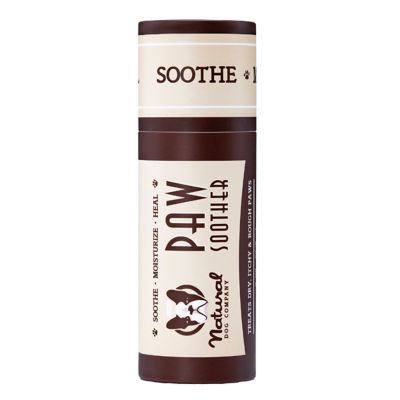
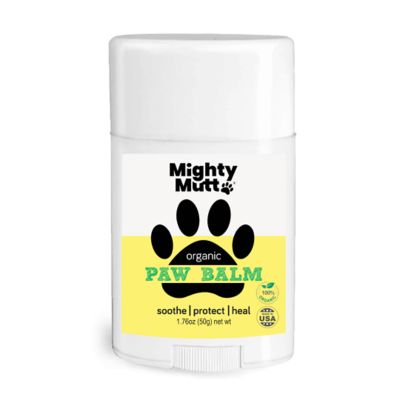
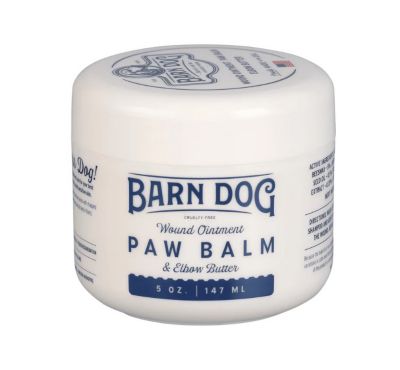
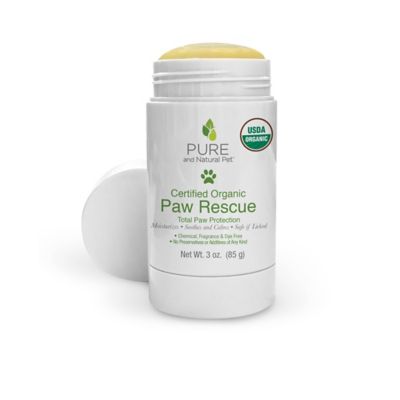
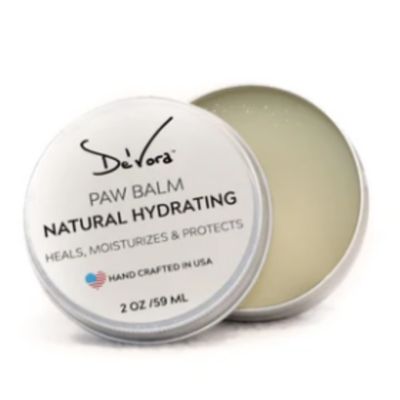
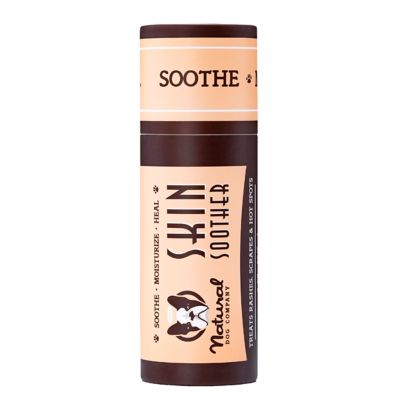
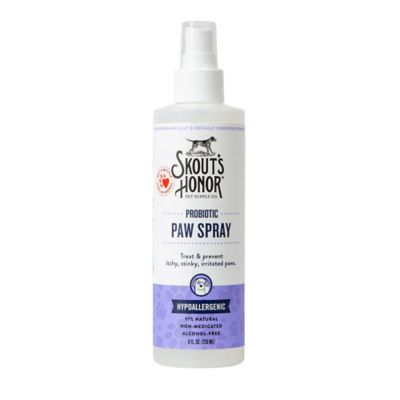
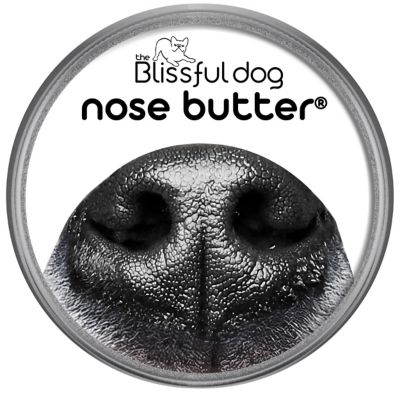
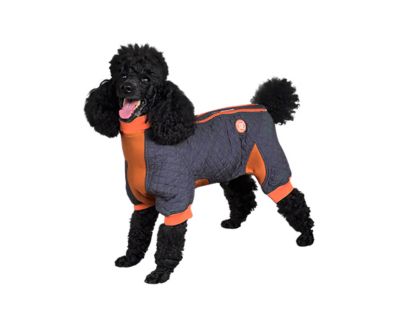
Winter paw balm for dogs is made to help keep paw pads soft and supple when snow, ice, and rough ground are part of the daily routine. A trip across a frozen barnyard can feel different from a walk down a salted sidewalk, but both put a dog’s feet in contact with surfaces that can leave pads feeling dry or irritated. Even a short outing to the mailbox may involve crusted snow, gritty pavement, and a stretch of gravel before a dog gets back inside. Paw balms bring moisture and a light protective layer to that routine, helping support the skin on pads that do plenty of work. Formulas in this category may combine waxes, plant oils, and butters, with each ingredient contributing something different to the feel. Beeswax can give a balm body and help it stay on the pad, while ingredients such as shea butter and coconut oil add a softer, more spreadable texture. The balance matters: a firmer balm may leave a more noticeable coating, while a softer formula may spread with less rubbing. Neither texture is automatically the better choice for every dog. A thick-coated farm companion making several trips between the house and outbuildings has a different routine from a small dog taking brief walks along a treated neighborhood road. Paw size, skin sensitivity, activity level, and tolerance for having feet handled all help shape a sensible choice. Balms intended for canine paws are also different from lotions meant for people, so the label should clearly identify the intended animal and application area. For dogs with sensitivities, a straightforward ingredient list and a fragrance-free formula may be worth considering. Winter paw care is about comfort through ordinary activity, whether that means tagging along for chores, following a fence line, or heading out for an evening walk. Balm adds one layer of support without changing the need for sensible limits on exposure to ice, snow, and cold ground.
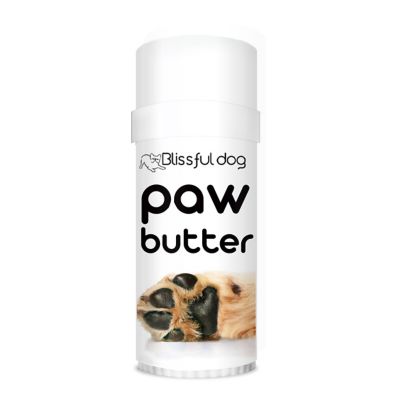
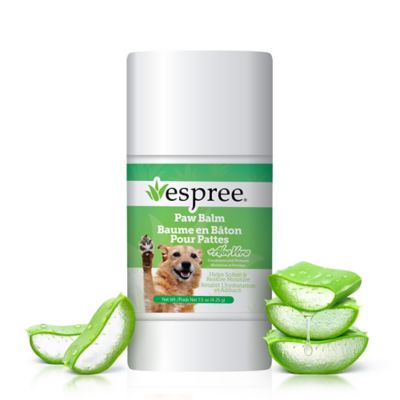
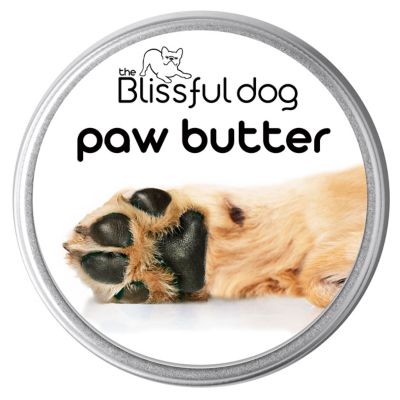
Texture, packaging, and ease of application can make the difference between a balm that fits the household routine and one that feels like a fuss every time the leash comes out. A tin or jar allows a small amount to be worked onto individual pads, including the larger central pad and the smaller toe pads. A twist-up stick offers a different approach, keeping fingers out of the formula and making it easier to carry along for an outing. With either style, the container should close securely and be simple to handle around a wiggly dog. Firmness can change with storage temperature, too. A wax-rich formula may feel stiff after sitting in a cold mudroom, while a softer balm may become messier near a heater or in direct sun. Label directions for storage and application help keep the texture manageable. The feel after application matters just as much as the feel in the container. A light layer should not leave paws so slick that a dog struggles for footing on sealed wood, tile, or a smooth porch floor. More balm is not necessarily more helpful, especially when a dog is eager to lick at anything new on its feet. Products labeled for dogs should still be applied according to their directions, without assuming that a paw-care formula is meant to be eaten. Long hair between the pads can also affect application by catching the balm before it reaches the skin. For dogs that dislike foot handling, an easy-spreading texture can keep contact brief and gentle. Clean hands, a clean applicator where appropriate, and a tightly closed lid help keep grit and hair out of the container. Households with several dogs may find packaging especially important when each animal needs a different amount or has different skin needs. These practical details make paw balm easier to work into the pause by the door before an outing or the quiet stretch after a walk.
Winter paw balm works best as part of a broader approach to keeping feet comfortable, rather than as a substitute for removing road residue or limiting time on harsh surfaces. Salt and other ice-melting materials can collect around the pads and between the toes, where a coating of balm alone cannot remove them. A gentle rinse or wipe after contact, followed by drying, helps keep that residue from lingering. Packed snow between the toes deserves attention as well, particularly on dogs with feathering around their feet. A dog that stops, lifts a paw, or keeps chewing at one foot may need more than another application of balm. Deep cracks, bleeding, swelling, persistent redness, or a limp call for veterinary advice instead of treating the problem as ordinary dryness. Balm is intended to support the surface of the paw, not to make prolonged exposure to freezing ground safe or shield a dog from every deicing chemical. For longer walks, crusty snow, or routes with treated pavement, properly fitted boots may offer another layer between feet and the ground. A look through
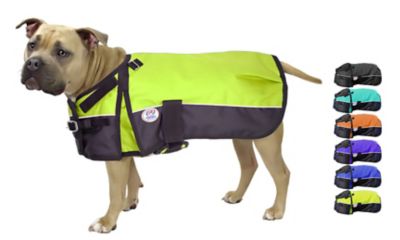
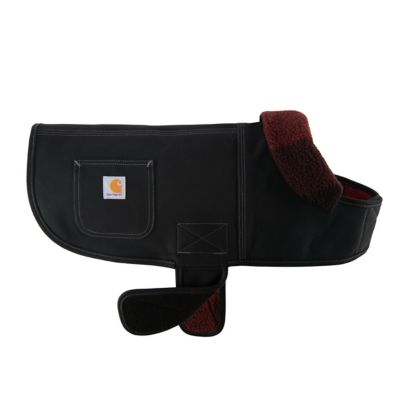
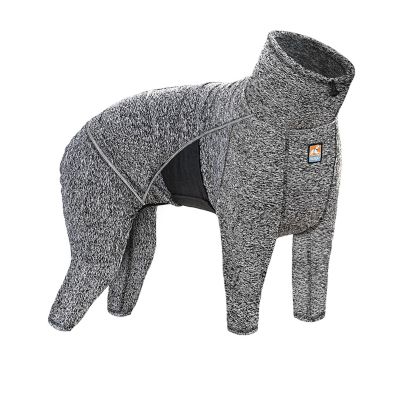
Dog Gear for Snow can help round out that setup with the rest of a dog’s winter needs in mind. The right combination depends on the animal: an older dog may need extra attention to traction and shorter outings, while an active companion may cover enough ground to need more frequent paw checks. Dogs that spend much of their time indoors still encounter rough patches on quick bathroom breaks, so paw care is not limited to working dogs or long hikes. For a family member caring for a new dog, paw balm can also be a practical addition to a winter walking kit, provided the formula suits that dog’s needs. From muddy entryways to snowy pasture gates, the best fit is a balm with a manageable texture, clear directions, and ingredients suited to regular care of canine paws.