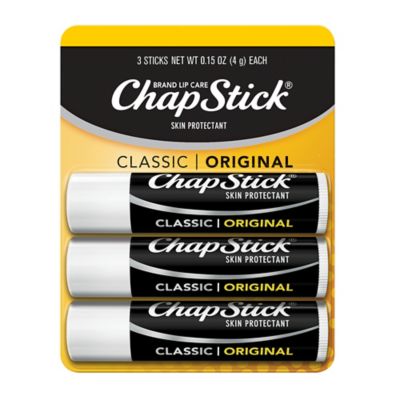
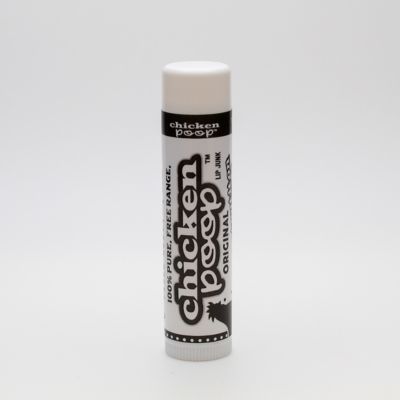
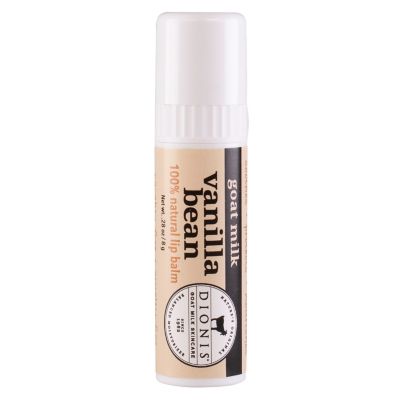
Lip balms for chapped lips help soften dry, rough skin and form a protective barrier that slows moisture loss. A comfortable everyday formula can make a difference when lips feel tight during a long shift, catch against a coffee cup or develop flaky patches around the edges. The best match depends on the ingredients, the feel of the balm and how easily it fits into a daily routine. Petrolatum helps hold moisture against the skin, while ingredients such as shea butter, cocoa butter and plant oils add softness and slip. Beeswax and other waxes give many solid balms their shape and help the formula stay on the lips. Glycerin attracts moisture, and formulas that combine it with barrier-forming ingredients can support a smoother, more comfortable feel. These ingredients do different jobs, so a longer ingredient list does not automatically make a balm a better choice. A straightforward, fragrance-free formula may be a good fit for lips that sting easily or react to scented skin care. Flavor, fragrance, menthol and camphor can bother some people, especially when the skin is already tender. A cooling or tingling sensation is not proof that a balm is working better. Lanolin, beeswax and botanical ingredients also deserve a closer look when allergies or past reactions are a concern. Plant-based formulas may appeal to shoppers with ingredient preferences, but plant-derived does not always mean gentler. For everyday comfort, the important details are a texture that feels good, ingredients that agree with the skin and a protective layer that does not need constant attention. Someone who wants a barely noticeable finish may prefer a light, smooth balm, while someone with persistent roughness may appreciate a richer, ointment-like texture. Neither feel is right for everyone; comfort and regular application matter more than a strong scent, a glossy finish or an elaborate formula.
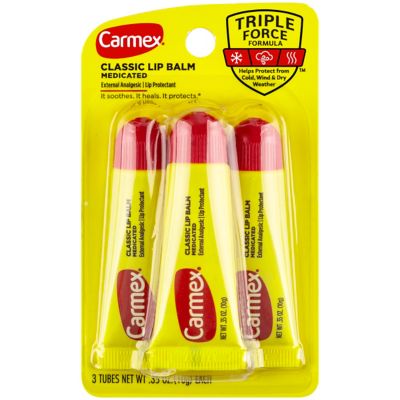
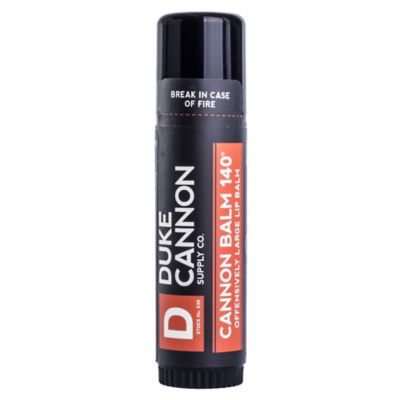
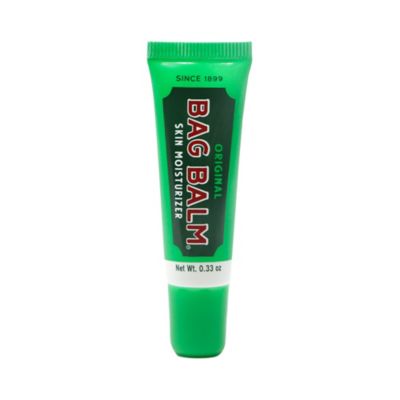
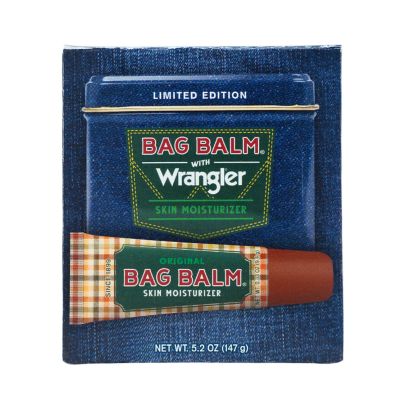
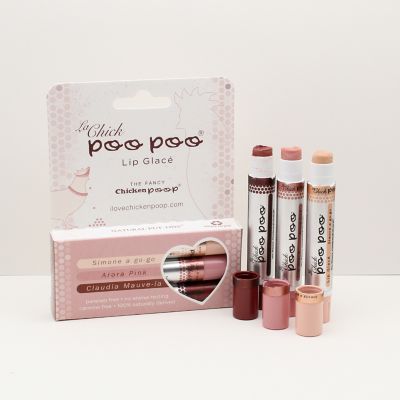
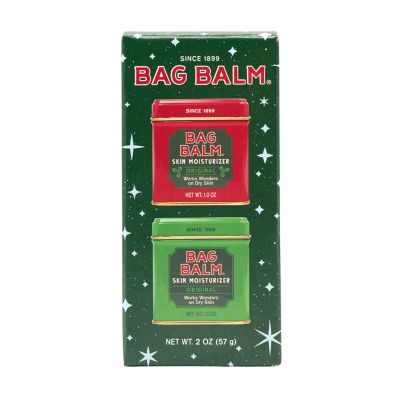
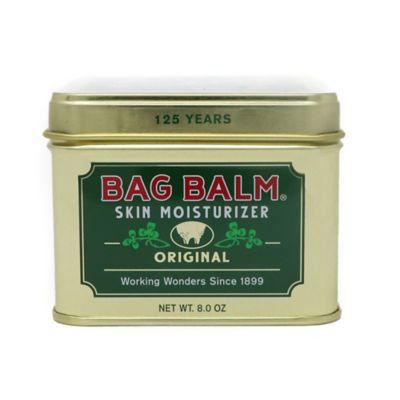
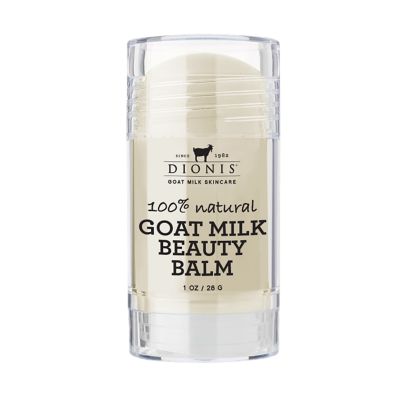
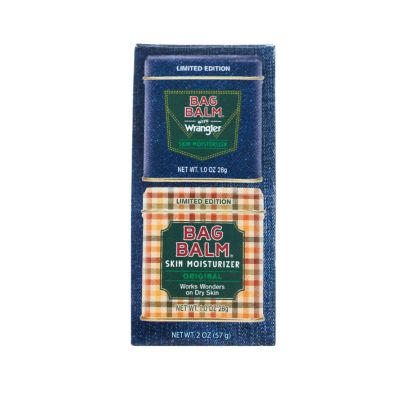
The packaging makes a practical difference, too, especially when lip care needs to fit between feeding animals, checking fence lines or heading into town. A twist-up stick slips neatly into a shirt pocket and allows application without touching the balm itself. A squeeze tube offers more control over the amount applied and often suits softer, thicker formulas. A small pot gives easy access to a richer texture, though it calls for clean hands or a clean applicator. After handling feed bags, tools or a gate latch, keeping fingers out of a lip balm container is a sensible part of personal care. A secure cap helps keep pocket lint and grit away from the applicator, and a container that closes firmly is easier to carry in a work bag. Package shape also affects convenience: a slim tube fits small pockets, while a broader container may be easier for some hands to grip. Texture matters just as much once the balm is on. A waxier stick may feel less slippery during chores, while an ointment-style balm can leave a more noticeable coating that suits quiet time at home or application before bed. Some people prefer an unscented, untinted finish for work; others enjoy a little shine or a mild flavor for everyday wear. The formula should feel comfortable enough to reach for again after eating, drinking or wiping the mouth. A thin, even layer is often easier to wear than a heavy coating, and the package directions provide the right starting point for application. Licking or picking at flaky lips can keep irritation going, so a smooth protective layer serves a practical purpose beyond appearance. Keeping the applicator clean, replacing the cap after each application and not sharing lip balm help keep a personal-care staple personal. Checking the label for storage directions and any expiration information also helps a balm stay ready for regular use without turning pocket care into another complicated chore.
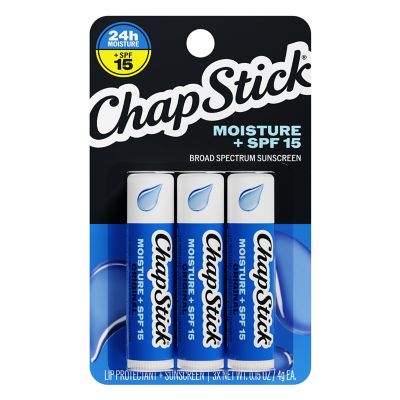
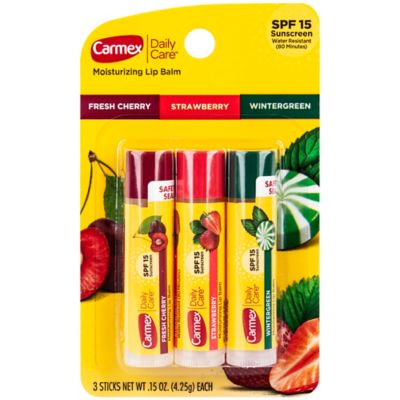
Sun protection is another consideration for lip balm that goes along on outdoor workdays, fishing trips or afternoons at the ball field. A balm labeled broad spectrum SPF 30 or higher adds protection against ultraviolet exposure when applied and reapplied according to its directions. Ordinary lip balm without an SPF label should not be counted on for that protection, even if it feels thick or leaves a visible coating. For an SPF formula, reapplication matters after eating or drinking and at the intervals stated on the package. An everyday moisturizing balm and a sun-protective balm may fill different roles in the same routine, depending on the label and the setting. Medicated lip balms are another category, with active ingredients intended for particular symptoms or purposes. The word “medicated” does not automatically make a formula a better everyday choice; its labeled purpose, age restrictions and directions matter more. Lips that keep cracking, bleed repeatedly or remain painful despite gentle care deserve attention from a health care professional rather than repeated changes between stronger formulas. For ordinary dryness, a comfortable barrier balm can be a simple companion to the rest of a personal-care routine. Pairing lip care with
Body Lotions For Dry Skin makes room for separate formulas suited to different areas, rather than assuming one skin-care product belongs everywhere. Lip balm also makes a thoughtful, practical gift for a farmhand, gardener, commuter or anyone who likes small essentials that earn their place in a bag. An unscented option can be a considerate choice when the recipient’s flavor preferences are unknown, though ingredient sensitivities still matter. For children, age-appropriate labeling and help from an adult are more important than playful packaging or a sweet flavor. Whether the balm stays on a bedside table or travels in a chore coat, a useful choice comes down to gentle ingredients, a manageable container and a feel that makes regular lip care easy to keep up with.