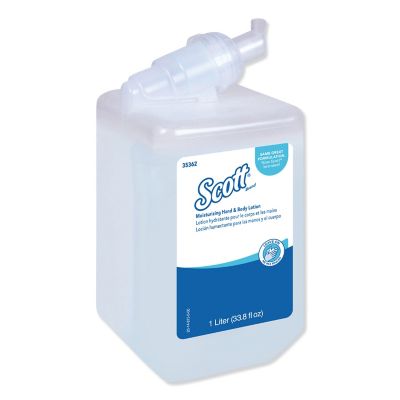
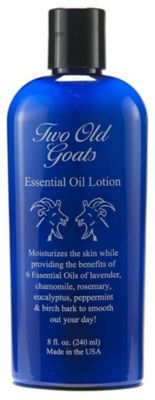
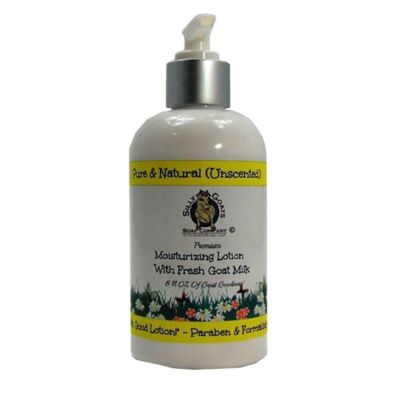
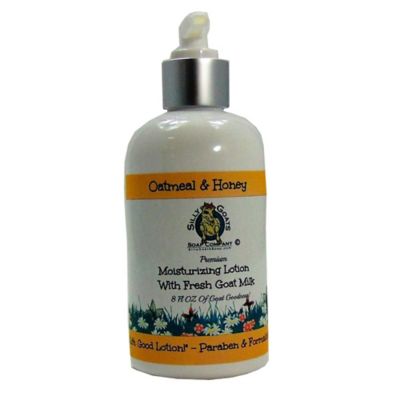
Body lotions for dry skin help replenish moisture, soften rough patches, and ease that tight feeling that can follow bathing or frequent washing. Common moisturizing ingredients include glycerin, hyaluronic acid, ceramides, shea butter, dimethicone, and petrolatum, with each playing a different part in keeping skin comfortable. The right formula depends on how dry your skin feels, where you plan to apply it, and the finish you prefer. A lightweight lotion spreads easily across arms and legs, while a richer formula may feel better on elbows, knees, and other spots that tend to turn rough. Texture matters when getting dressed is the next thing on your list: a lotion that absorbs readily can fit into a morning routine without leaving a slippery feel beneath sleeves or pant legs. For someone heading out to handle feed bags, work in the shop, or spend the day on their feet, comfortable skin and a finish that does not interfere with getting ready are practical considerations. Skin that feels tight all over may call for a different texture than an occasional dry patch along the shin. Body lotions generally contain water along with moisturizing ingredients, giving them a spreadable consistency suited to covering larger areas. Thicker creams and balms offer another texture for concentrated attention, though thickness alone does not tell the whole story about how a formula will feel. Some rich lotions settle in smoothly, while some lighter formulas leave a noticeable film. Package descriptions such as fast-absorbing, fragrance-free, or formulated for very dry skin can help narrow the choices, but the ingredient list and directions provide more useful detail than texture alone. A good everyday match feels comfortable enough to apply consistently, whether that means a quick application after a shower or extra attention to rough spots before bed. Personal preference counts, too; lotion should fit the routine rather than become another chore.
The ingredients in body lotion work together, and understanding their roles makes comparisons easier. Humectants such as glycerin and hyaluronic acid attract water to the skin’s outer layer. Emollients, including shea butter and certain plant oils, help soften skin and smooth the feel of rough areas. Occlusive ingredients such as petrolatum and dimethicone help limit moisture loss, supporting the skin’s protective barrier. Ceramides are lipids naturally present in that barrier, and formulas containing them can help support moisture retention. These ingredient groups often appear together rather than as competing choices, so a lotion can both draw in moisture and help keep it from escaping. Colloidal oatmeal is another ingredient to consider when dryness comes with an uncomfortable, itchy feeling; its soothing properties make it a common addition to dry-skin formulas. For flaky or thickened patches, lotions with urea or lactic acid offer a different approach. Urea helps attract moisture and, at higher concentrations, can help soften thick, rough skin. Lactic acid belongs to the alpha-hydroxy acid family and helps loosen dead surface cells, which can improve the feel of uneven texture. Exfoliating formulas may sting on irritated or freshly shaved skin, so their directions and precautions deserve attention. More active ingredients are not automatically better, especially for skin that reacts easily. A simpler, fragrance-free lotion may be a more comfortable starting point for someone who notices redness or stinging with scented body care. Fragrance-free and unscented do not always mean the same thing: an unscented formula may contain ingredients that mask other odors. Fragrance-free labeling also does not guarantee that a formula will suit every person. A small test area can help reveal discomfort before a full-body application. Ingredient preferences, known sensitivities, and any advice from a healthcare professional matter more than a long list of botanical additions or a strong scent. For exfoliating lotions, follow any sun-protection guidance on the label, along with directions about how often to apply.
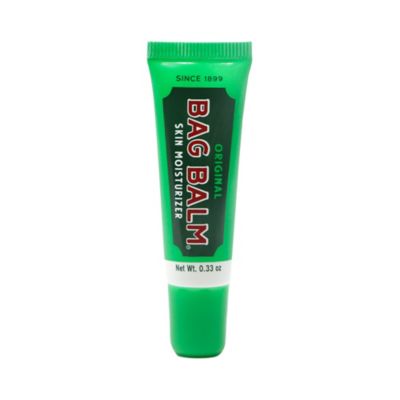
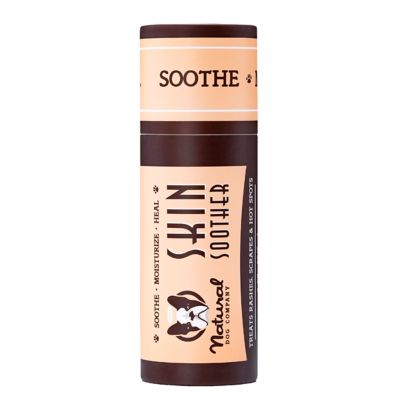
Everyday use is where the small details of a body lotion start to matter. Applying lotion after bathing, while skin is still slightly damp, helps make the most of the moisture already on the skin. A pump bottle is handy beside the bathroom sink, particularly when several people share the space, while a squeeze tube slips more easily into a gym bag or overnight bag. A container that opens and closes without a fuss makes regular application simpler, especially when hands are stiff or gripping a small cap is difficult. Packaging also helps keep the formula protected between applications; close the cap, keep the opening clean, and follow storage directions and any expiration information. For tubs, clean hands help keep dirt and water out of the contents. Someone who washes up repeatedly after chores may appreciate a lotion that spreads without much rubbing, while someone dealing with persistent roughness on legs may prefer a richer feel after an evening shower. Hands can benefit from extra attention after washing, but let lotion absorb before handling tools, climbing a ladder, or taking hold of equipment where a secure grip matters. For smaller areas that need a more concentrated layer,
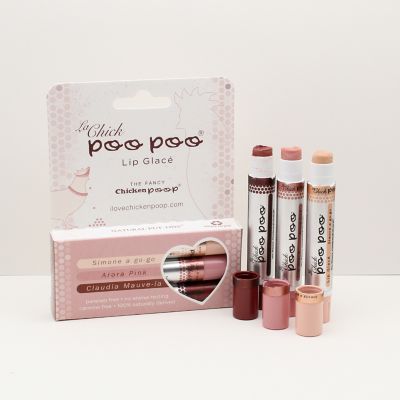
Multipurpose Skin Balms offer another format to consider alongside an everyday body lotion. Keep intended application areas in mind, since a body formula is not necessarily meant for the face or every sensitive spot. Age directions matter when choosing lotion for children, and familiar ingredient preferences are helpful when selecting body care as a practical gift for a parent, partner, or friend. A mild scent may be welcome to one person and bothersome to another, making fragrance preference worth knowing beforehand. Persistent cracking, bleeding, or dryness that does not improve calls for advice from a healthcare professional. For ordinary dryness, a comfortable formula, sensible packaging, and steady application can make body lotion an easy part of cleaning up and getting on with the day.