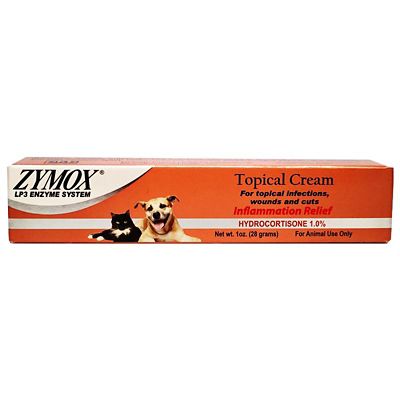
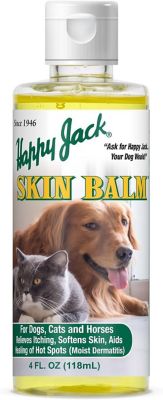
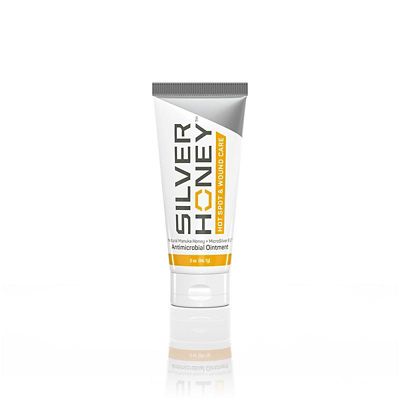
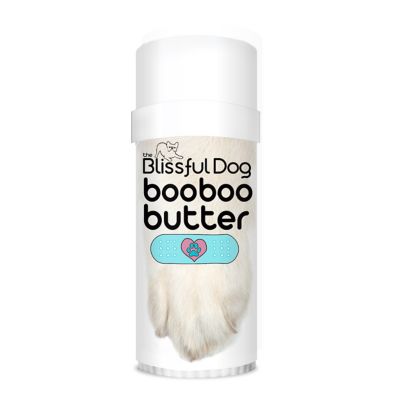
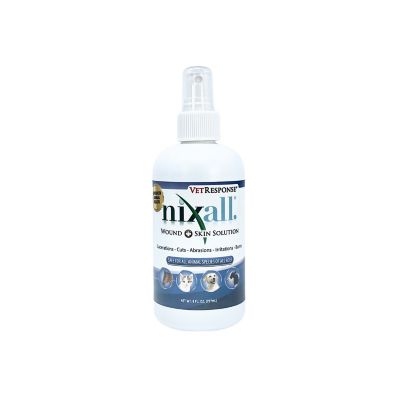
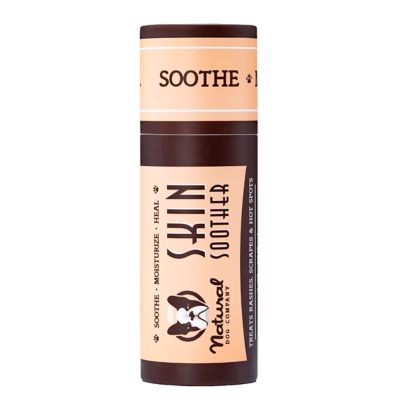
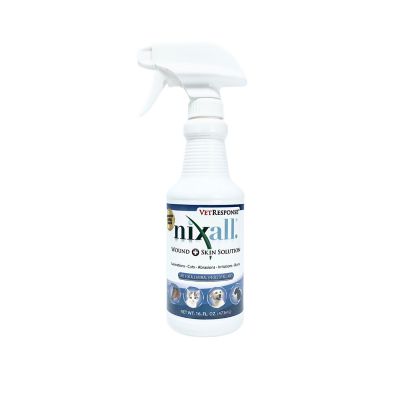
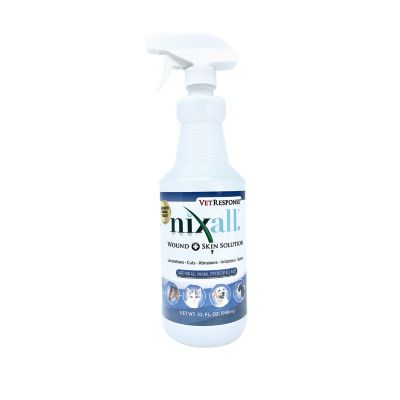
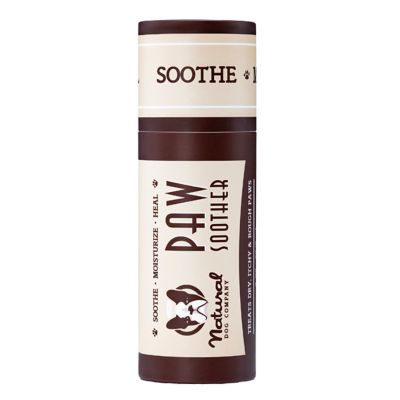
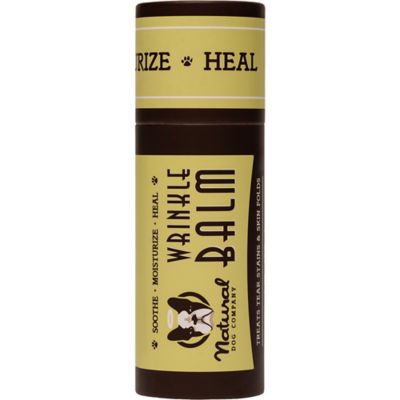
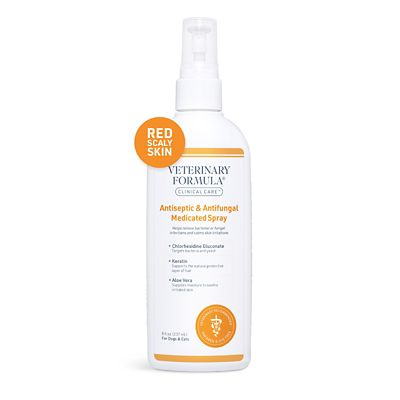
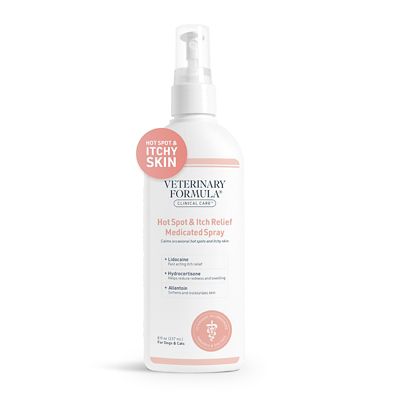
A cream for dog rash belongs in the pet-care conversation when scratching, rubbing or licking leaves a dog’s skin looking irritated, but the right choice depends on what is causing the trouble. A pink patch beneath a collar, an itchy belly and a moist sore hidden under thick fur can look similar at first glance while needing different care. Fleas, allergies, friction and skin infections are among the possible causes, and a topical cream may ease certain symptoms without addressing the underlying problem. Dog rash creams include moisturizing formulas for dry, intact skin, anti-itch treatments and medicated options labeled for particular skin conditions. Their intended purpose matters more than the size of the container or how thick the cream feels. Colloidal oatmeal is a common ingredient in pet skin-care formulas intended to soothe dryness and itching. Other formulas contain moisturizers or skin-conditioning ingredients that help keep dry skin supple. Aloe and vitamin E also appear in some dog skin products, though an ingredient’s familiar name does not make every formula containing it suitable for pets. Hydrocortisone creams can reduce inflammation and itching in certain situations, but they are not a catchall for every red spot. Steroids may be inappropriate for infected skin or open wounds unless a veterinarian directs treatment. Antiseptic and antifungal topicals serve different purposes, with the active ingredient, concentration and label determining where they belong in a dog’s care routine. For a farm dog that spends the day tagging along at chore time or a house companion that favors the couch, the same basic distinction holds: relief for dry skin is not the same thing as treatment for an infection. A pet-labeled cream matched to veterinary advice offers a more sensible starting point than a human rash remedy pulled from the bathroom cabinet. The most useful comparison is between each formula’s stated purpose and the dog’s actual skin concern, rather than broad promises of fast relief.
Texture, coat coverage and the location of the irritated skin all affect how a topical product fits into everyday care. Creams generally spread more easily than thick balms, while ointments tend to leave a heavier coating; individual formulas vary, so package directions remain important. A small area on a sparsely haired belly presents a different application challenge than skin beneath a dense coat. Product sitting on top of the fur may never reach the intended area, and vigorous rubbing can make tender skin more uncomfortable. Skin folds, paws and spots beneath collars or harnesses deserve particular attention because moisture, licking and repeated friction can complicate care. A heavy coating is not automatically more helpful, especially on a damp or weeping patch. Moist sores often need veterinary assessment rather than another layer of cream. For households comparing application styles,
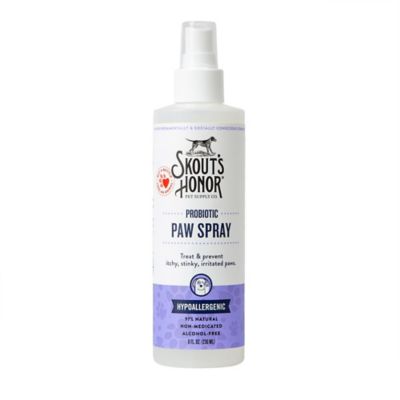
Anti Itch Sprays for Dogs offer another format to consider alongside creams, with suitability depending on the formula, treatment area and label directions. A spray is not automatically appropriate for the face, and a cream is not automatically safe between the toes where a dog can readily lick it. Products for external skin application should stay away from eyes, the mouth and ear canals unless specifically labeled and prescribed for those areas. Fragrance, botanical extracts and essential oils also deserve a close look, particularly for dogs with sensitive skin or a history of reactions. “Natural” does not mean harmless, and pet-labeled does not mean safe to swallow. Human diaper rash creams containing zinc oxide and combination creams with added pain-relieving ingredients should not be substituted without veterinary approval. A dog’s age, other medications and health history can further affect which ingredients are appropriate. Puppies, pregnant or nursing dogs, and pets with ongoing medical conditions may need extra restrictions. Clear labeling that identifies the intended species, active ingredients, application limits and warnings makes comparisons easier without relying on the scent, color or feel of a formula.
Practical packaging and straightforward care instructions matter when a dog’s skin needs attention and the rest of the household is busy. A tube can make it easier to dispense a small amount without repeatedly touching the contents, while a jar may require a clean applicator to help keep dirt and hair out. Secure closures, readable expiration dates and storage directions are worth considering for any pet-care shelf. Containers belong out of reach of dogs and children, not beside feed bowls or loose in a grooming tote where a curious pup can chew through them. Package size should suit the intended course of care rather than encourage keeping an opened treatment indefinitely. Any collar, recovery garment or protective covering paired with a topical treatment also needs the right fit: rubbing edges can aggravate a rash, and a covering that traps moisture may make matters worse. Preventing licking is often part of treatment, since licking can remove the cream, irritate the skin further and expose the dog to ingredients that should not be swallowed. A properly fitted recovery collar may help when recommended by a veterinarian; a quick distraction with a treat is not enough to ensure the area stays untouched. For dogs that share beds, brush against furniture or settle onto a truck seat after chores, residue and contact precautions are practical considerations, too. The label may specify drying time, handwashing or limits on contact with other pets. Good skin care also depends on recognizing when a cream is not enough. A rash that spreads, keeps returning or fails to improve within the label’s stated treatment period calls for veterinary attention. Pus, a strong odor, marked pain, bleeding or an open sore warrants prompt assessment, while facial swelling or trouble breathing requires emergency care. Creams for dog skin irritation are most helpful when their role is clear: supporting comfort or treating a labeled condition as part of care that addresses the cause, rather than covering up a problem that needs a closer look.