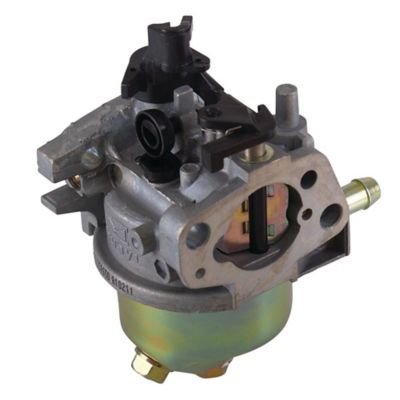
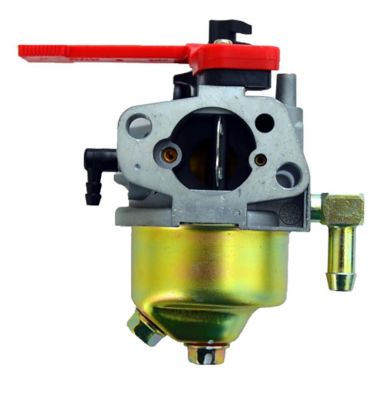
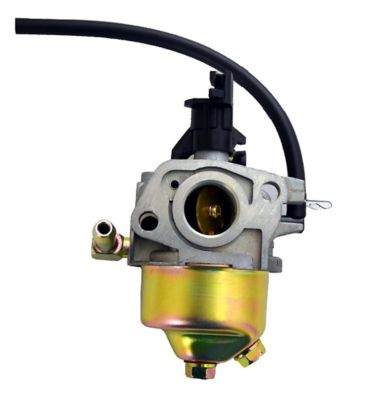
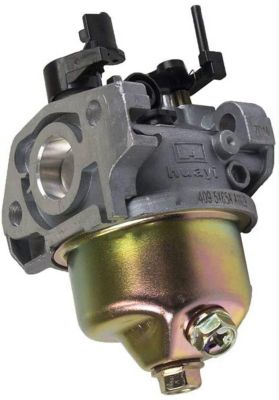
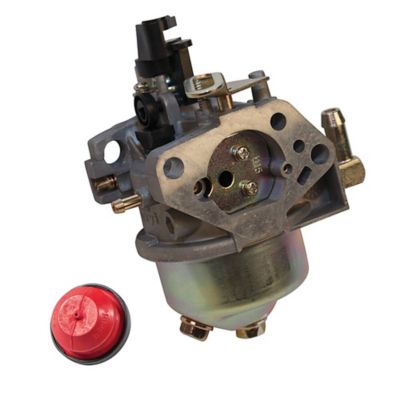
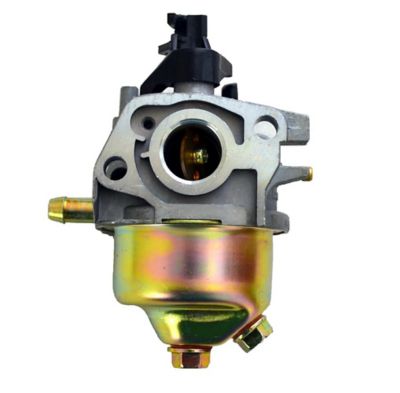
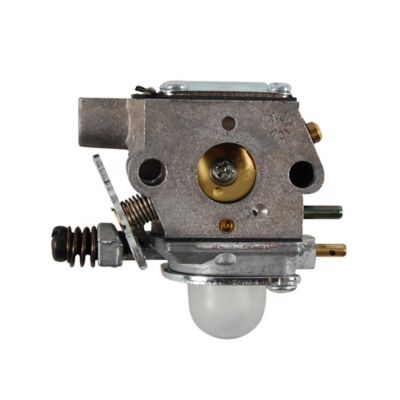
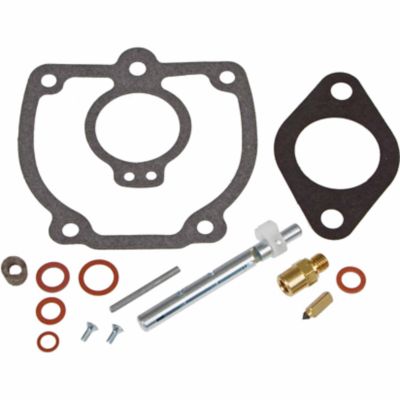
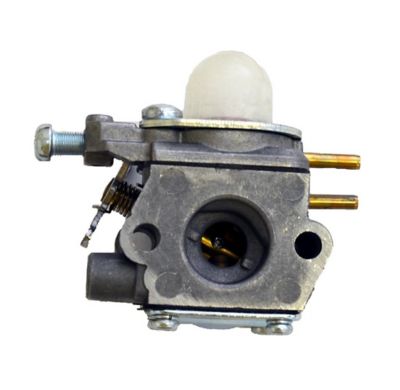
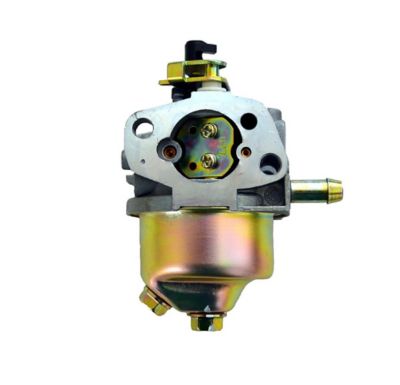
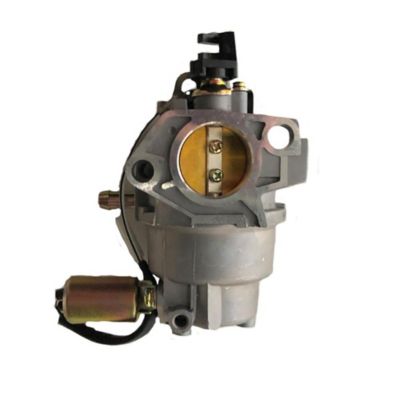
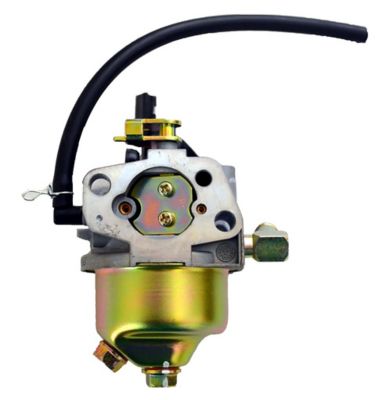
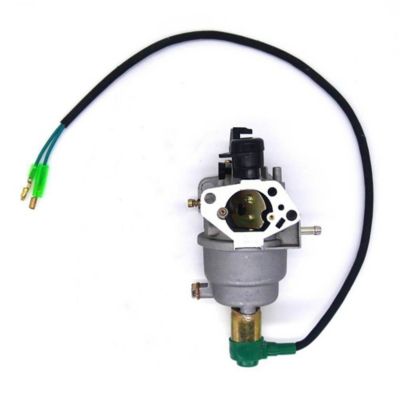
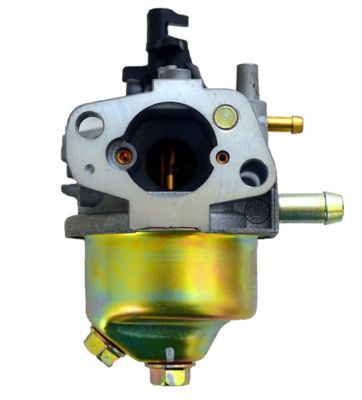
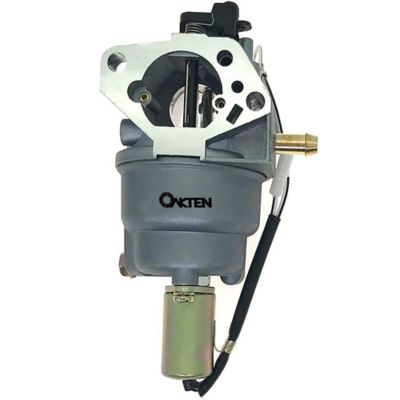
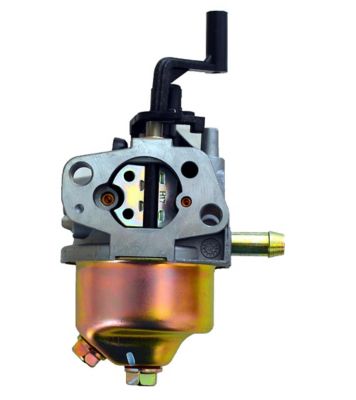
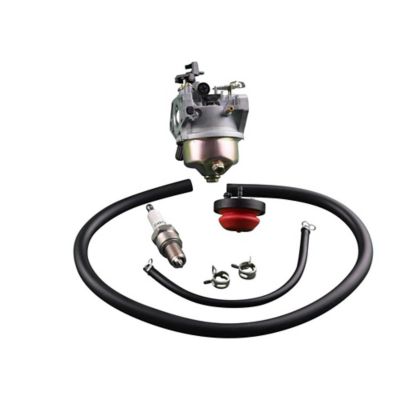
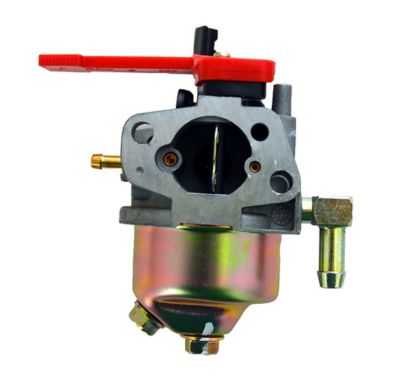
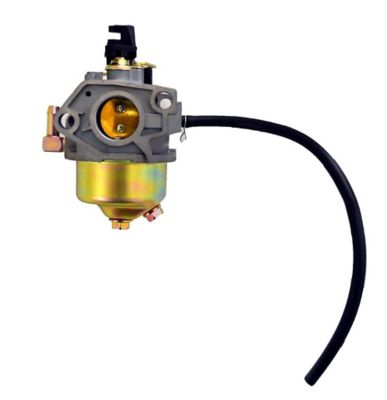
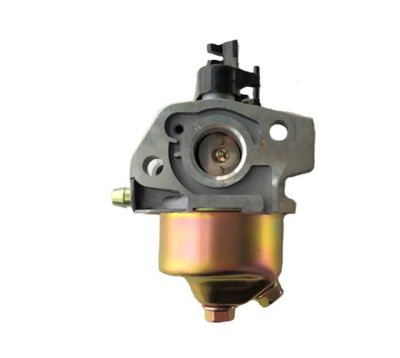
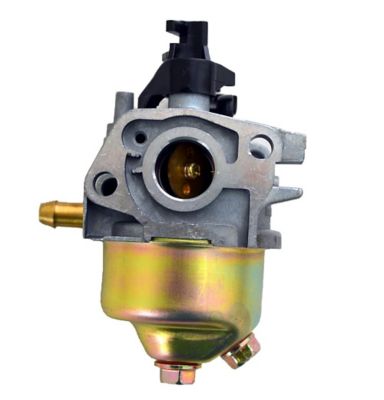
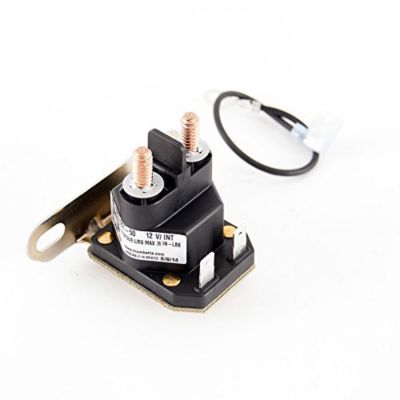
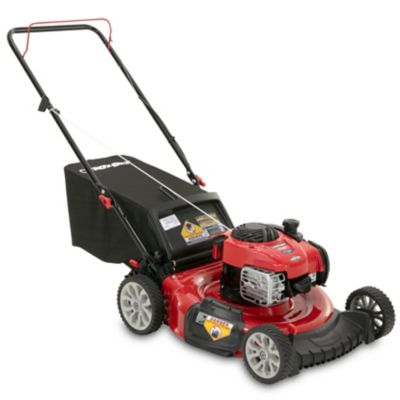
MTD carburetors help small engines get the right balance of fuel and air for dependable starting, steady idling, and useful power under load. They are commonly found on outdoor power equipment such as walk-behind lawn mowers, snow blowers, string trimmers, and other yard machines, where a clean, properly matched carburetor can make a noticeable difference in everyday performance. When a carburetor becomes restricted by varnish, dirt, or old fuel residue, an engine may be hard to start, stall after warming up, surge while running, or struggle when the blade, auger, or cutting head is engaged. Fuel around the bowl or gasket can also point to a worn seal, a stuck float, or internal corrosion. Replacing a damaged or badly clogged carburetor is often a practical way to get an older machine ready for work again, especially when the rest of the engine is in good shape. These parts are useful for homeowners who keep their own mower or snow blower running, property owners caring for larger lots, and handy DIYers who prefer to handle routine equipment maintenance in the garage. They can also make a thoughtful gift for someone who enjoys maintaining a small farm, rural property, hunting cabin, or extensive lawn, since having the right replacement part on hand can save a trip to the repair shop when outdoor work needs to get done. For related equipment needs, browse
Troy Bilt Carburetors as well.
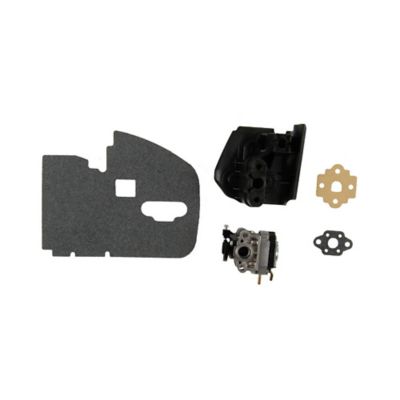
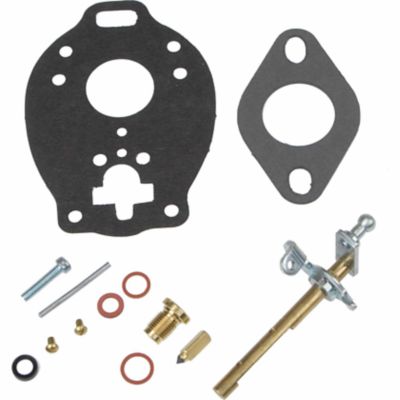
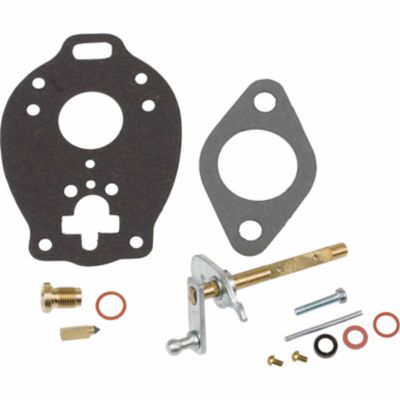
Choosing the right MTD carburetor starts with careful equipment identification. Check the engine or equipment model and serial information, not just the general machine type or appearance. Similar-looking carburetors can use different mounting patterns, fuel line connections, throttle linkages, choke arrangements, bowl designs, or gasket shapes, and a part that looks close may not operate correctly once installed. Compare the replacement part with the original, including the location of the fuel inlet, the shape of the air intake, the linkage points, and the number and position of mounting holes. It is also smart to confirm whether the replacement includes a bowl gasket, mounting gasket, fuel filter, primer components, or other installation pieces, since worn seals should generally be replaced rather than reused. Before ordering, drain the fuel tank and note how the existing lines and linkages are routed; a quick phone photo can be a helpful reminder during reassembly. Fresh fuel matters, too. Gasoline that sits through long storage can leave sticky deposits in the small passages and jets that meter fuel through the carburetor. Using clean, fresh fuel and following the equipment maker’s fuel recommendations helps protect the new part. If an engine has been stored during the cooler months, inspect the fuel system before the first busy stretch of mowing or trimming. Likewise, before snow season, check that the fuel line is flexible, the shutoff components work properly, and the carburetor bowl is free of water or debris. These simple checks help reduce the chance of a machine quitting halfway across the driveway or leaving a section of tall grass unfinished.
Replacement is usually most worthwhile when internal corrosion is severe, the float no longer works properly, threads are damaged, or repeated cleaning has not corrected hard starting and rough running. A lightly dirty carburetor may sometimes respond to careful cleaning, but small jets and passages can be easy to damage with oversized wire or aggressive tools. If cleaning is attempted, work in a well-ventilated area away from flames and sparks, wear eye protection and fuel-resistant gloves, and follow the equipment manufacturer’s service instructions. Disconnect the spark plug wire before working around the engine, allow hot parts to cool, and keep track of springs, clips, and linkage connections. Fuel should be stored and disposed of according to local requirements, never poured onto the ground or down a drain. After installation, confirm that the gaskets are seated, fuel lines are secure, and the throttle and choke move freely before starting the engine. Start the machine outdoors, where exhaust can disperse, and watch closely for fuel leaks, unusual surging, or an engine that races at an unsafe speed. A replacement carburetor should be selected for an exact match rather than by price alone, with attention to fit, included hardware, and the condition of the original engine. With the proper match and a little regular care, MTD carburetors can help keep dependable outdoor equipment ready for mowing as the weather warms, cleanup during the growing season, and snow removal during the cooler months.