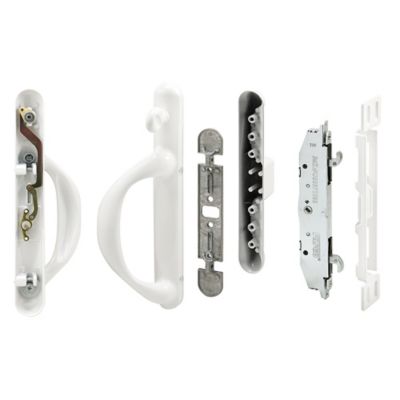
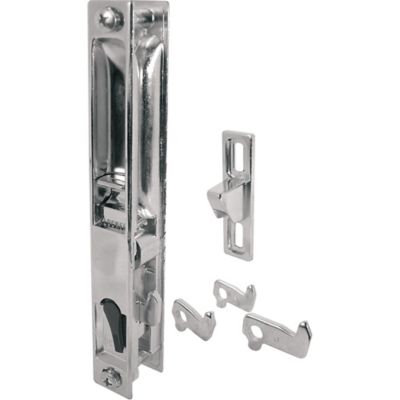
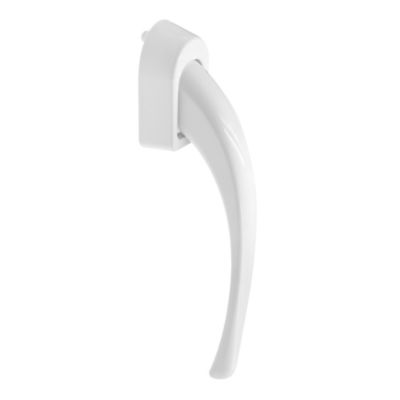
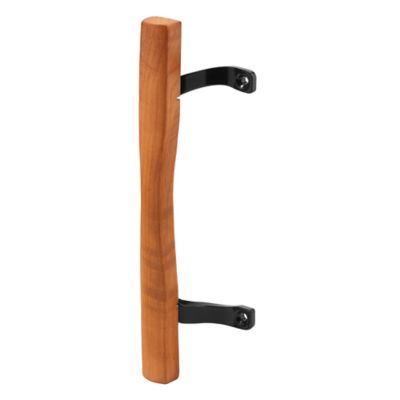
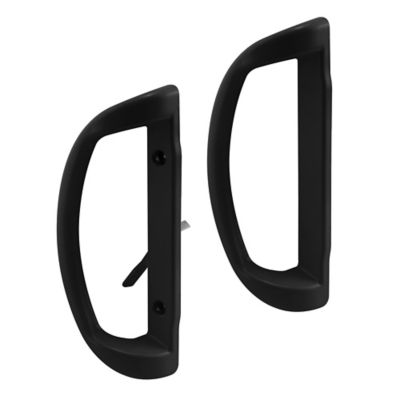
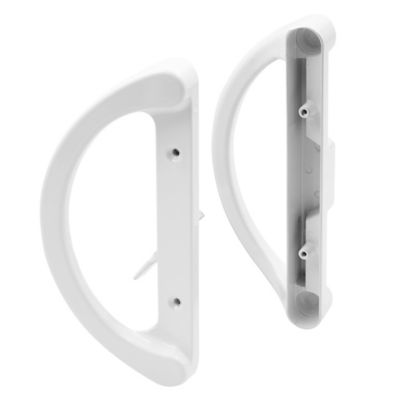
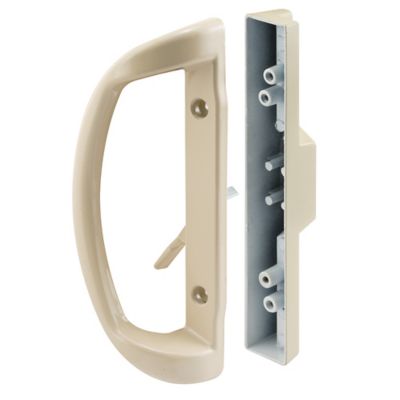
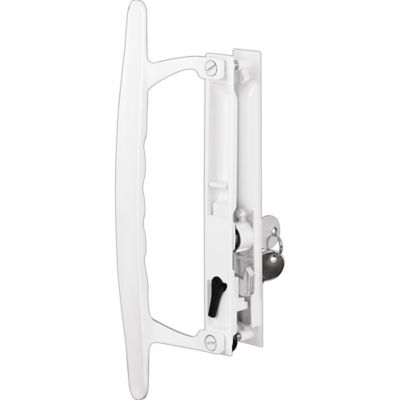
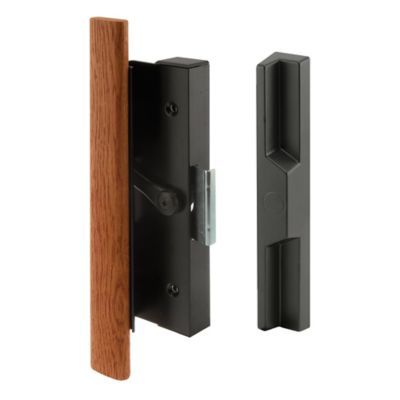
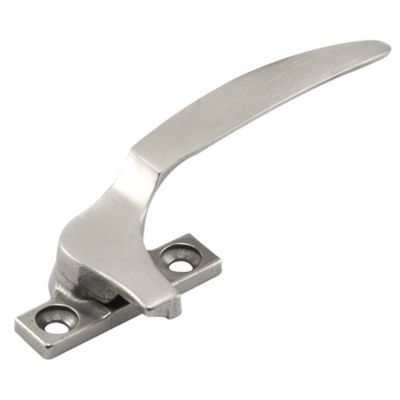
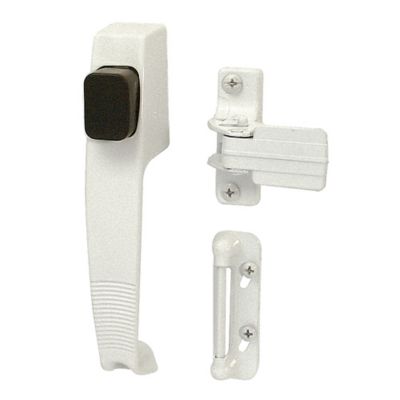
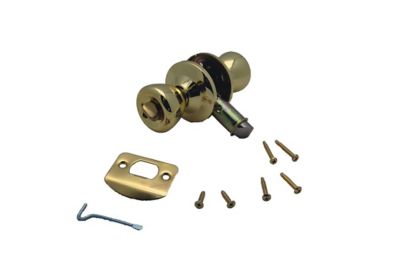
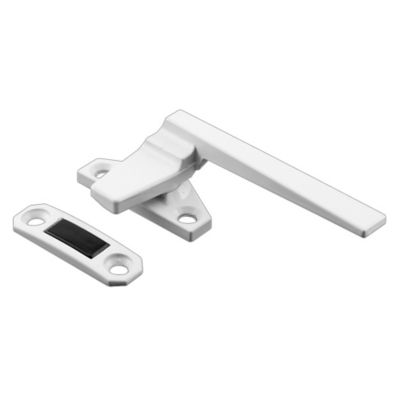
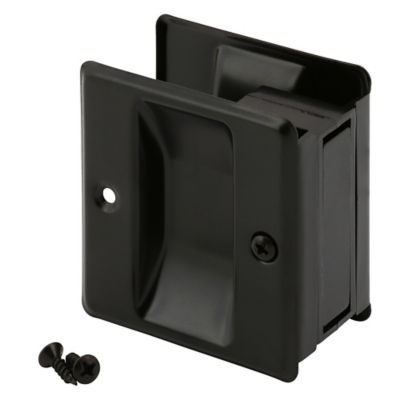
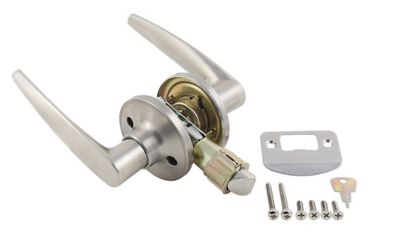
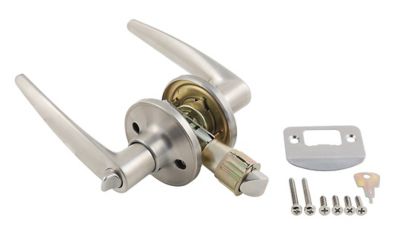
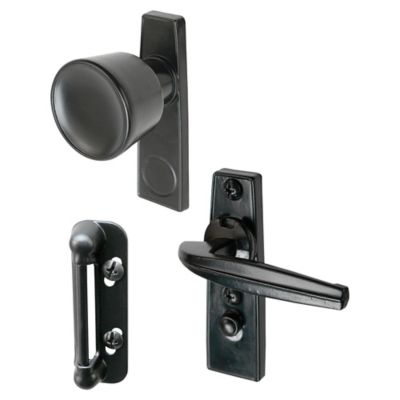
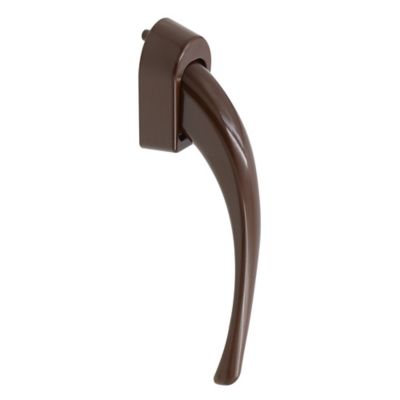
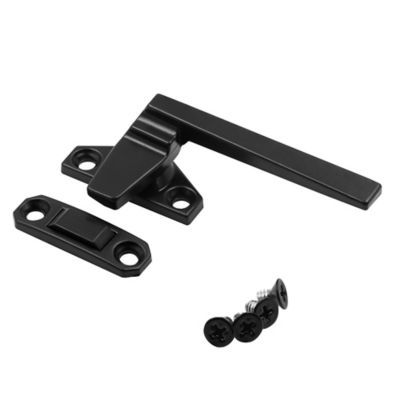
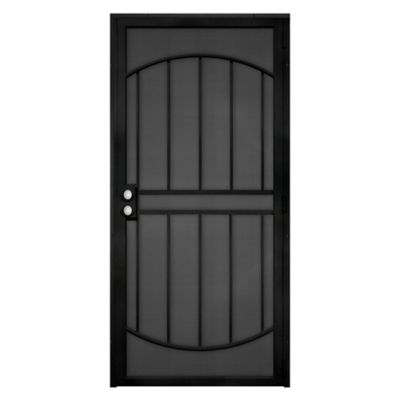
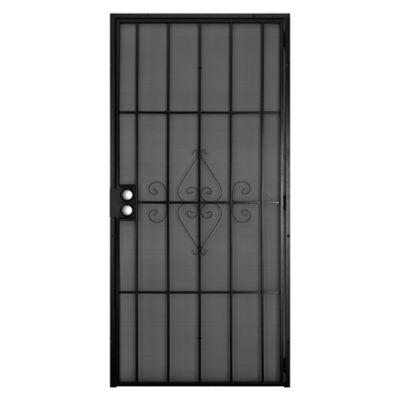
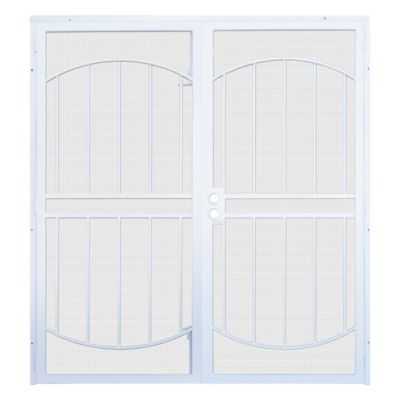
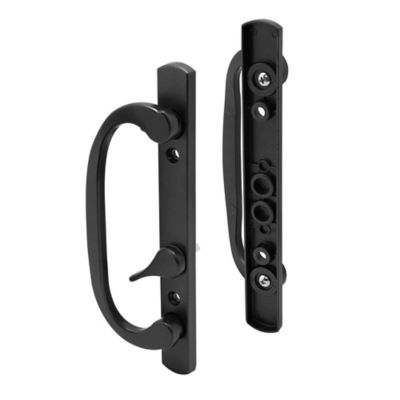
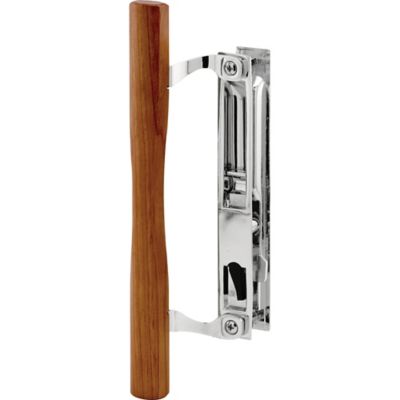
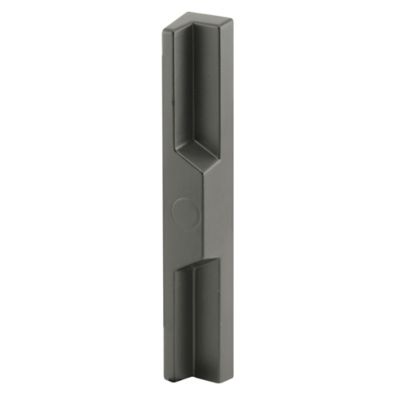
Modern door handles bring a clean, straightforward look to the doors that get opened and closed all day, from the front entry to the bedroom at the end of the hall. Their appeal comes from simple shapes, comfortable grips, and finishes that work with a wide range of homes. A straight lever on a painted door can look right at home in a farmhouse, while a gently curved handle can soften the lines of a newer entryway. Round or square backplates give the same basic handle a different feel, making these small pieces of hardware a noticeable part of a room without taking over the space. Matte black creates a strong outline against light paint or natural wood, brushed silver tones blend easily with nearby metal fixtures, and warmer metallic finishes add a little contrast to cool wall colors. Matching every metal surface is not necessary, though repeating a finish along a hallway helps the doors feel connected. Shape matters just as much as color in everyday use. A lever offers a broad contact point when someone comes in carrying groceries, laundry, or an armful of coats, while a knob has a compact profile that may suit a tighter spot. Grip clearance, edge shape, and the way a handle returns toward the door can all affect comfort, especially around jacket sleeves and bags. For households with older family members or anyone who finds twisting a knob difficult, a lever may make opening a door easier, though the force needed to operate the latch matters, too. Modern door handles fit projects of all sizes, whether the goal is refreshing one well-traveled entry or bringing a consistent look to several rooms. The best match feels natural in the hand and suits the work that particular door does, rather than simply looking good from across the room.
Door function makes a real difference when comparing handles that look much alike. Passage hardware typically latches without locking, making it a practical fit for hallways and closets where privacy is not needed. Privacy hardware generally provides a simple interior lock for bedrooms or bathrooms, often with an emergency release on the opposite side; it is not a substitute for an exterior security lock. Non-turning handles, often called dummy handles, serve as pulls on doors that stay closed with a separate catch or another holding mechanism. Keyed entry handles have a different role, and an exterior door may also need a compatible deadbolt to provide the intended level of security. These distinctions matter in a busy rural home, where a coat closet, a bathroom, and the door between the mudroom and garage each have different jobs. Fit depends on more than the visible handle. Door thickness, the size of the existing hole, and the backset—the distance from the door edge to the center of the handle opening—help determine whether replacement hardware will fit without changes to the door. Many residential doors have a 2-3/8-inch or 2-3/4-inch backset, but not every door follows those measurements. Older wood doors, narrow stiles, and metal doors can call for a closer look at the mounting requirements. The latch faceplate and strike plate also need to suit the door edge and jamb. Lever direction is another consideration: some designs reverse, while others are made for a particular door handing. A broad backplate may cover the outline left by earlier hardware, but its dimensions still need to clear trim and nearby glass. For a coordinated look beyond the handle itself,
Modern Door Hardware offers a related place to explore the theme. Hinges, locks, and visible plates all contribute to how an entry looks, while proper alignment allows those parts to work together without unnecessary strain.
Materials and finish construction help determine how modern door handles stand up to everyday traffic. Stainless steel, brass, aluminum, and zinc alloys are common in door hardware, with different weights, surface treatments, and care requirements. A finish name describes appearance, not necessarily the metal underneath, so the base material and intended location deserve attention alongside color. An interior bedroom handle has a gentler setting than an entry handle exposed to blowing rain, damp gloves, and grit carried in from chores. Hardware intended for exterior installation is the better starting point for an outside door, with the stated exposure limits especially important on an uncovered porch or in a humid setting. Resistance to corrosion and wear depends on the full construction, not just whether the surface looks bright or brushed. Moving parts matter as well: a handle should return as intended, and the latch should engage without needing a hard shove. A door that rubs the jamb or drops out of alignment puts extra pressure on the hardware, so a sticking latch can point to a door or hinge problem rather than a handle problem alone. Seasonal changes can make that more noticeable as wood moves with shifts in moisture. Everyday care is usually simple, but it should follow the finish maker’s directions. A soft cloth and a mild cleaning solution, when permitted, can lift fingerprints and ordinary dirt; abrasive pads, harsh chemicals, and repeated contact with strong cleaners can damage some coatings. Moisture left around seams and mounting points is worth wiping away, particularly near an exposed entry. Any lubricant should be appropriate for the mechanism and applied according to its instructions rather than sprayed over the entire handle. For the homeowner finishing a remodel, the landlord refreshing a rental, or the family replacing a loose mudroom lever, lasting satisfaction comes from the same combination: a comfortable shape, the right function, sound fit, and a finish suited to daily life. Those details give a modern handle its place on a hardworking door.