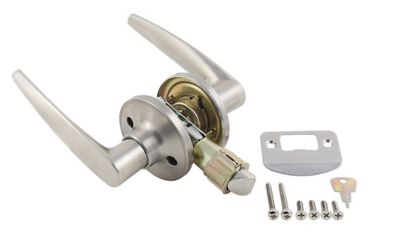
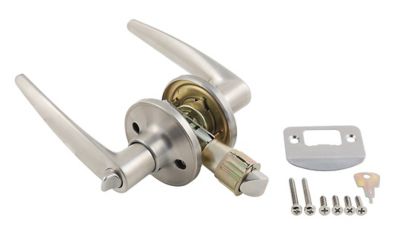
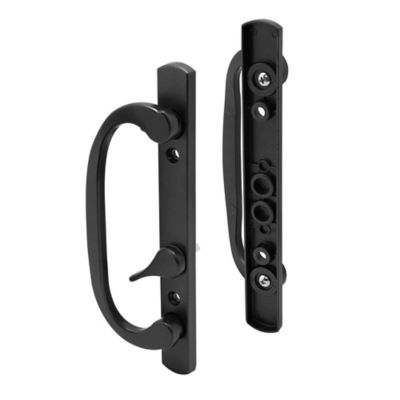
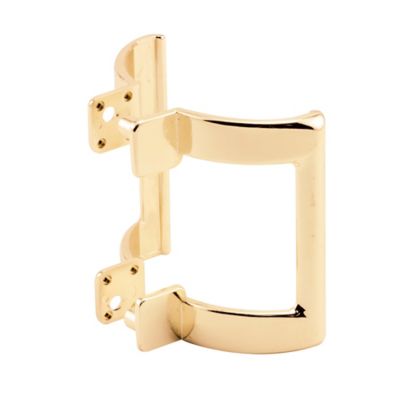
Contemporary interior door handles bring clean lines and a comfortable grip to the doors that get opened all day long, from the kitchen pantry to the bedroom at the end of the hall. Straight levers, gently curved profiles, slim mounting plates and concealed screws give this hardware a simple look without making a home feel cold or fussy. On a painted flat-panel door, a narrow horizontal lever keeps the whole setup looking crisp. On a wood door with visible grain, that same shape lets the timber do the talking. The mounting plate, also called a rosette, plays a part in the overall look: round plates soften an angular lever, while square or rectangular plates echo the lines of paneled doors and trim. Finish changes the effect just as much as shape. Matte black stands out against white paint and light wood, satin nickel adds a muted silver tone, and satin brass brings warmth alongside earth tones and natural finishes. For a darker accent that carries from room to room,
modern black door handles pair easily with black hinges, light fixtures and cabinet pulls. Matching every metal surface is not essential, though keeping the door hardware consistent along a hallway can help the space feel settled. Smooth levers have an understated appearance, while knurled grips bring a patterned texture that feels different in the hand. Fingerprints, water spots and dust show differently depending on the finish, surface texture and lighting, so appearance matters beyond the first glance. Brushed surfaces often make everyday marks less noticeable than highly polished ones. Whether the setting is a farmhouse with fresh paint, a small-town rental or a new addition off the back of the house, contemporary door hardware can connect rooms without taking attention away from the rest of the space. Its appeal comes from getting the everyday details right: a shape that feels good, a finish that fits the room and a latch that closes without a struggle.
Function is what separates one type of interior door handle from another, even when the outside looks much the same. Passage handles operate a latch but do not lock, making them a practical match for hall closets, laundry rooms and other spaces where privacy is not needed. Privacy handles include a push button, pin or thumbturn for bedrooms and bathrooms; many also have an emergency-release feature on the outside. That release is worth considering in a home with young children or anyone who may need help behind a closed door. A privacy lock is meant to signal that a room is occupied, not provide the protection of an exterior entry lock. Dummy handles are stationary pulls without an operating latch mechanism. They suit doors held shut by a separate catch, including some pantry doors and the inactive leaf of a pair of doors. The right choice depends on how the door closes, not just what the room is called. Fit also comes down to a few measurements that are easy to overlook when the finish catches the eye first. Door thickness, the large face-bore opening and the smaller edge bore all need to match the hardware specifications. Backset is the distance from the edge of the door to the center of the face bore; common residential measurements are 2-3/8 inches and 2-3/4 inches, though not every latch accommodates both. The latch faceplate and strike plate need to suit the existing cutouts as well. A larger rosette may cover marks left by the previous hardware, but it cannot correct an incompatible bore. Lever handing matters on some designs, while others are reversible. Nearby trim, a tight corner or a shallow closet can also limit clearance. These details become especially important in older houses, where doors may have been trimmed, repainted or rehung over the years. A handle that matches the door's preparation makes for a cleaner fit, while a properly aligned latch and strike help the door close without a shove.
Materials and construction affect how contemporary interior door handles feel through years of daily traffic. Depending on the design, handle bodies may be made from brass, zinc alloy, stainless steel or a combination of metals, with a separate finish providing the visible color and sheen. The material beneath that finish matters, but so do the return spring, mounting hardware and latch mechanism. A lever should return to its resting position after release, and a secure mounting helps keep the handle from wobbling as people come and go. In a busy household, those small details get plenty of exercise: a laundry-room door opened with a basket balanced on one hip, a pantry latch worked through meal prep, or a bathroom handle touched with damp hands. Levers can be easier to operate than round knobs for people who find a tight grasp uncomfortable, though shape, operating force and installation all affect ease of use. A rounded edge may feel more comfortable than a sharp, narrow profile, and a lever that curves back toward the door can help limit snagging on sleeves. Bathroom hardware benefits from a finish suited to occasional moisture, but indoor handles are not a substitute for hardware rated for outdoor exposure. For everyday care, a soft cloth and cleaning methods approved by the manufacturer help protect the surface. Harsh chemicals, abrasive pads and repeated soaking can damage some finishes, while deeply textured grips may take a little more attention to remove dust and residue. Cleaning needs vary, so care directions matter more than a one-size-fits-all polish. Seasonal changes can also make a wood door swell or shift slightly, putting pressure on the latch even when the handle itself is working properly. Keeping the hinges secure and the strike aligned helps prevent unnecessary strain. For homeowners refreshing several rooms or property owners maintaining a rental, the best fit balances appearance with everyday handling, straightforward upkeep and the correct function for each doorway. Contemporary interior door handles earn their place by looking at home and making those frequent trips through the house feel easy.