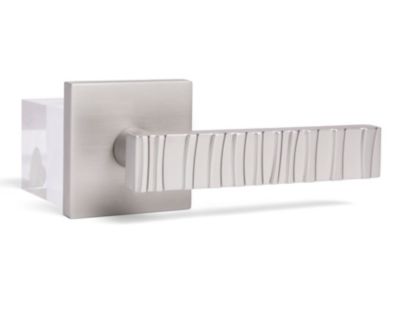
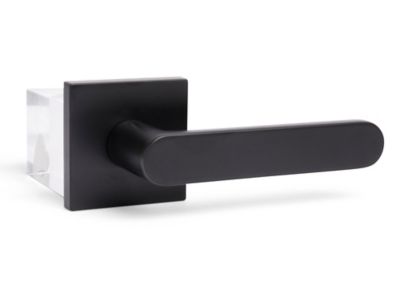
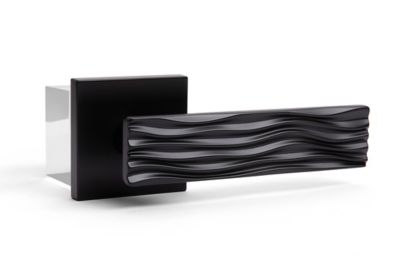
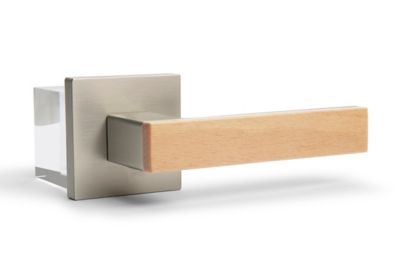
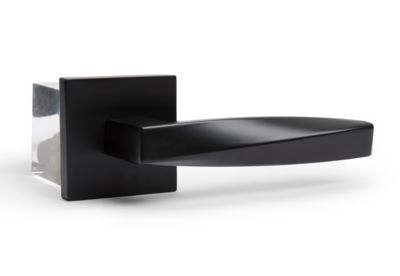
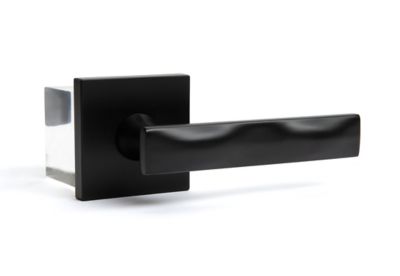
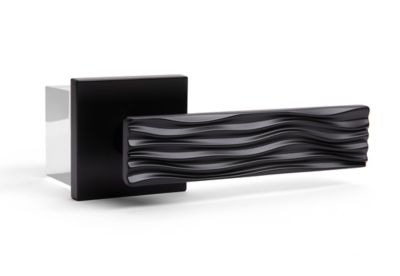
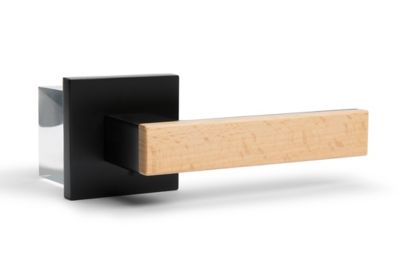
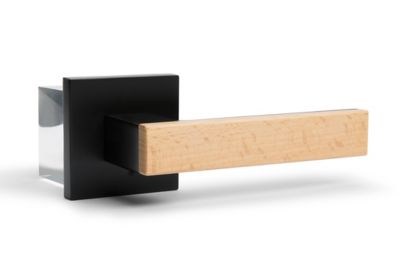
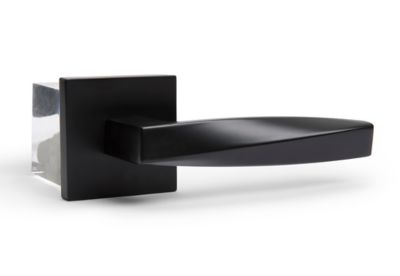
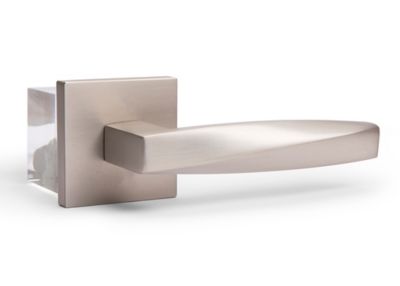
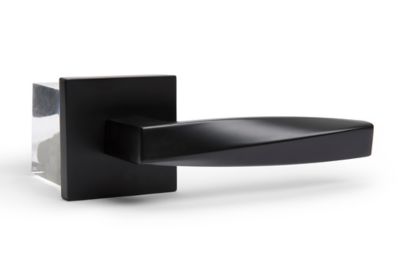
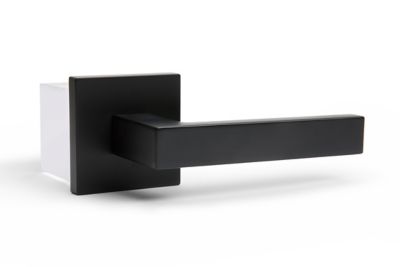
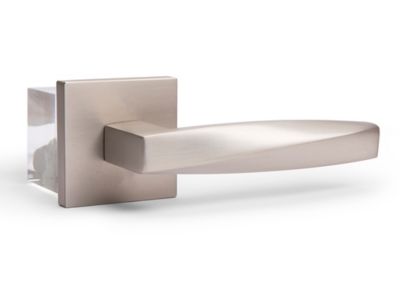
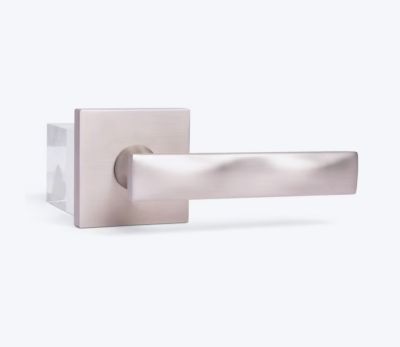
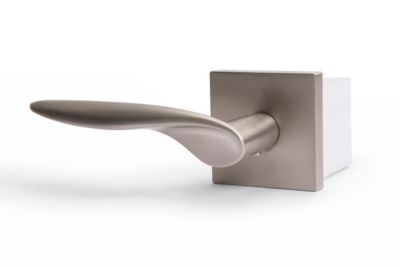
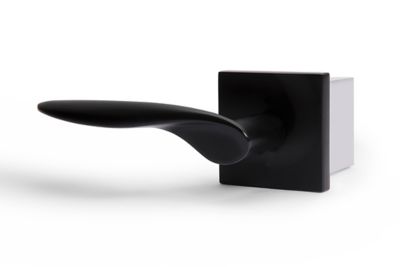
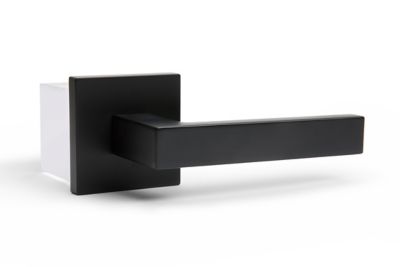
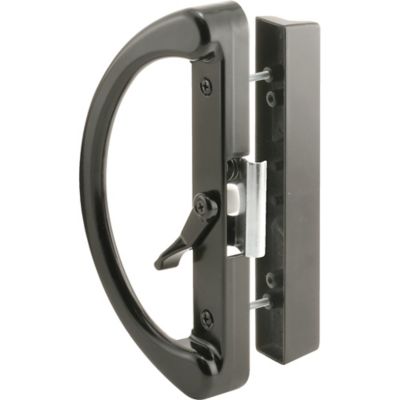
Modern closet door handles pair clean shapes with a comfortable grip, giving bedroom, hallway and utility closets a finished look without making the hardware the center of attention. Straight levers, slender bar pulls, round knobs and recessed pulls all fit this style, but the right handle starts with how the door opens. A swinging closet door with a latch generally takes a passage knob or lever, which operates the latch without a privacy lock. A door held shut by a roller catch or magnetic catch may take a stationary handle, often called a dummy knob or dummy lever. Sliding closet doors need enough clearance for their panels to travel without the hardware striking another panel or the surrounding trim. Recessed pulls often suit that setup because they sit within the door face rather than sticking out into the travel path. Bifold closet doors typically take a knob or compact pull that gives a firm handhold while allowing the panels to fold freely. Those differences matter in everyday spaces: a coat closet near the back entrance gets opened with arms full of jackets, while a bedroom closet might sit beside a dresser with little room to spare. A lever can be easier to operate than a round knob for someone who finds twisting motions uncomfortable, though the latch and door alignment also affect the effort required. Rounded edges and enough room behind a pull help make repeated trips feel comfortable. Longer handles offer more gripping space, but they also need clearance from nearby walls, furniture and the folded door panels. For families, homeowners updating a farmhouse bedroom or anyone replacing a loose closet knob, modern hardware can bring a cleaner look while keeping the door practical. A simple handle belongs just as naturally on a painted paneled door as on a smooth slab door, provided its size, attachment and operating style match the job.
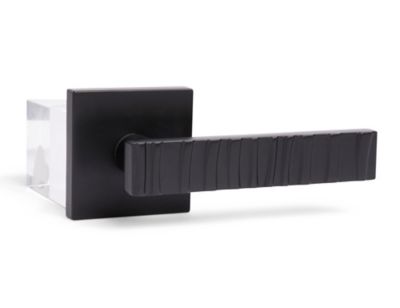
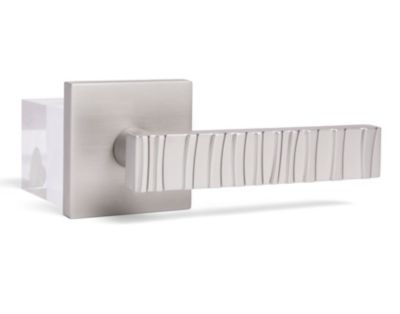
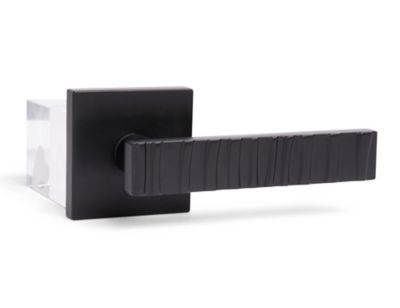
Materials and finishes shape both the feel of modern closet door hardware and the attention it needs over time. Solid brass has a substantial feel, while zinc alloys allow a wide range of handle shapes and steel can provide strength in slimmer profiles. Stainless steel offers corrosion resistance, though the grade, surface treatment and surrounding conditions still matter. A closet beside a laundry area may see more moisture than one in a spare bedroom, making material and finish specifications worth a closer look. The finish name describes appearance, not necessarily the metal underneath: a brass-colored handle is not always solid brass, and a brushed nickel finish may cover another base metal. Matte black creates a clear contrast against white paint, pale wood and soft neutral walls. Brushed nickel has a softer sheen that works comfortably alongside many common hinges and nearby fixtures. Satin brass and brushed bronze bring warmth to darker paint and natural wood, while graphite and gunmetal offer dark metallic tones with less contrast than black. For a consistent look between closet hardware and nearby room entrances,
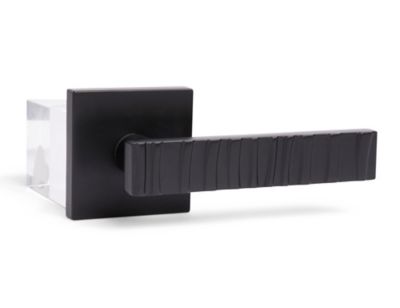
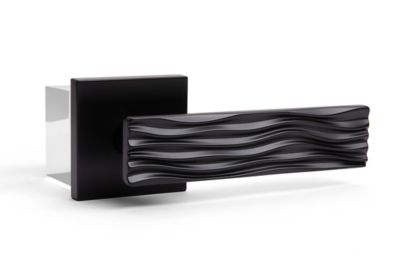
modern black door handles share the same straightforward visual direction. Matching every metal in a room is not necessary, but repeating a finish across closet pulls can make a row of doors feel settled and intentional. Texture changes the experience, too. A knurled surface provides a more pronounced grip, while a smooth bar feels different in the hand and has fewer grooves to collect dust. Fingerprints, lint and everyday grime show differently across finishes, especially on dark or highly polished surfaces. Routine care usually starts with a soft cloth and, when the manufacturer permits, mild soap followed by drying. Abrasive pads, harsh cleaners and repeated dampness can damage some coatings. Gentle cleaning and an occasional check for loose fasteners help preserve the appearance and keep a handle from wobbling against the door.
Fit is where modern closet door handles either feel right from the first pull or turn into a nagging inconvenience. Replacement hardware needs to match the door’s construction as well as its appearance. For passage knobs and levers, door thickness, the diameter of the existing bore and the backset are key measurements. Backset is the distance from the door edge to the center of the main handle hole; it is not the same as the spacing between mounting screws. A lever may also have handing requirements, so its orientation needs to suit the direction the door opens. For bar pulls with two attachment points, center-to-center spacing means the distance between the centers of the mounting holes. Matching that spacing can avoid leaving old holes exposed, while the handle’s overall length determines how much of the door face it covers. Hollow-core doors need particular attention because their thin faces do not hold hardware the same way solid wood does; the attachment method must suit the door’s reinforced area or the manufacturer’s approved mounting arrangement. Screw length matters as well, especially where a fastener could extend through a thin panel. Recessed pulls require an opening with the specified dimensions and depth, plus enough remaining material for secure attachment. On bypass doors, a shallow pull still needs clearance throughout the full sliding path. On bifold doors, placement affects how the panels move, so the door maker’s mounting guidance takes priority over simply centering a knob where it looks balanced. A wider base may cover an existing mark, but it cannot repair a weakened mounting point. Hardware also cannot make up for a dragging track, loose hinge or latch that misses its strike plate. In a busy household, those small details show up when someone reaches for a work coat before daylight or puts away fresh sheets with one hand full. Well-fitted closet handles make those ordinary moments smoother, combining a clean modern appearance with the grip, clearance and secure mounting the space calls for.