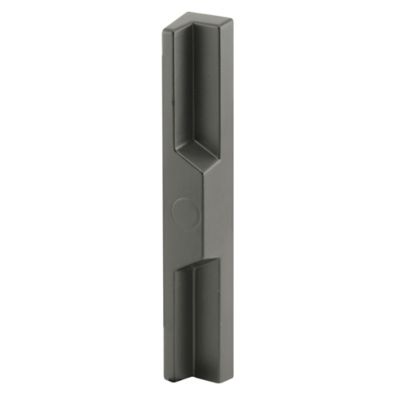
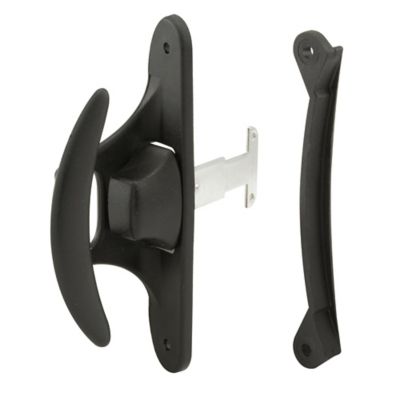
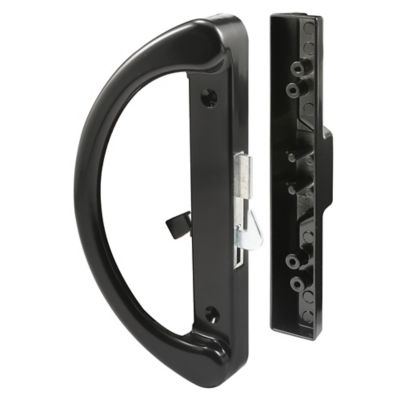
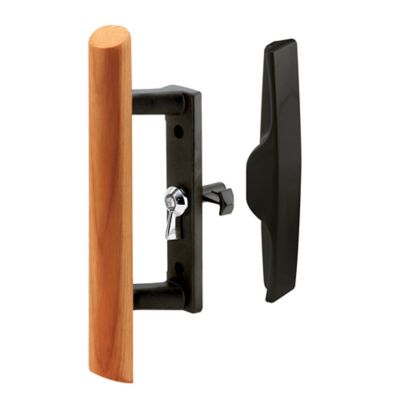
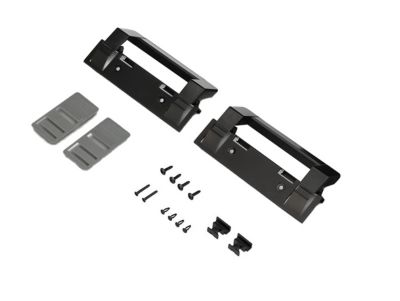
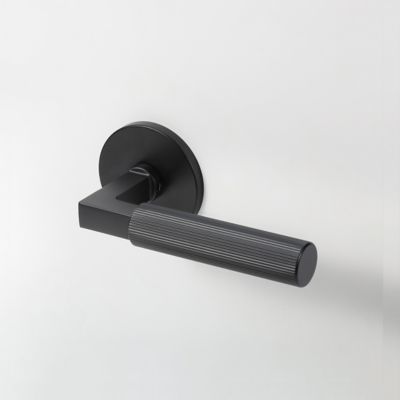
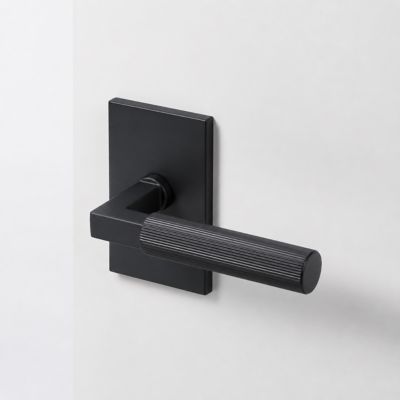
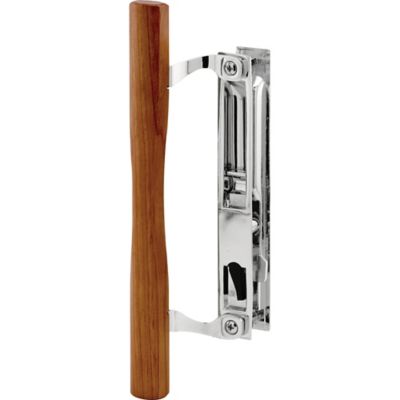
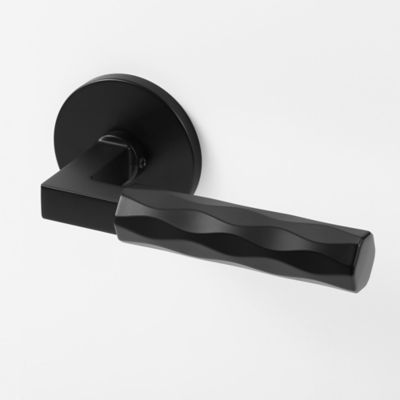
Black door handles give interior and exterior doors a clean, defined look that suits modern homes as well as rooms that mix newer fixtures with traditional trim. Against a white pantry door, a matte black lever makes a crisp contrast. On a stained back door, the same finish can pick up the darker grain in the wood. Black handles can tie together doors along a hallway even when the handles do different jobs. A hall closet that latches shut can take a passage handle, which turns from either side without locking. A bathroom or bedroom can take a privacy handle, which locks from inside and often has an emergency release on the other side. A cabinet-style pantry door with a separate catch may only need a fixed pull. At an exterior entry, the handle needs to be rated for exterior use and work with the lock setup, whether that means a keyed entry handle or a handle paired with a separate deadbolt. A look through
Door Handles can help show how these same functions are available in different shapes and finishes. Shape makes as much difference to the feel of a door as it does to the look. A straight lever is easy to press with a free hand while the other holds a feed scoop or a basket of laundry. A curved lever with an end that turns back toward the door is less likely to catch a jacket sleeve as someone walks past. A round knob takes up less space across the face of a narrow door but needs a grip and a twist. Fixed pulls make sense where there’s no latch to turn, and on a pair of doors, a matching pull can dress the inactive side while working hardware does the job on the side that opens.
Fit matters most when a black door handle is going onto a door that already has holes for hardware. The key measurements are door thickness, the diameter of the hole through the door face and the backset, which is the distance from the door edge to the center of that hole. An adjustable latch can fit more than one backset, but it won’t make up for a hole that’s too large or a door that’s too thick for the handle. The plate around the base matters, too. A small round plate might leave an old paint line showing, while a wider plate can cover the mark from the previous hardware if it has enough room to sit flat. That clearance is worth a look on doors with raised trim, narrow frames around glass or another door right in front of them. A lever that fits the mounting holes can still stick out far enough to bump a storm door. Swing direction matters with some lever shapes: reversible handles can go on either swing, while others are made for a particular handing. For a sliding or pocket door, a recessed pull keeps the hardware from sticking out where it would meet the wall or the next panel. Material plays a part in how the handle feels and holds up, especially on a mudroom or garage entry that gets opened all day. Steel and brass can give hardware a solid feel, while cast zinc alloys can form curved levers and detailed plates. The black color comes from the finish rather than the base metal, so two handles that look alike can have different care needs and wear differently. A black finish alone doesn’t make a handle suitable for an exterior door. The rating for the whole assembly matters there, including the latch and mounting hardware.
Matte black tends to draw less attention to fingerprints than a glossier finish, though dust and dried smudges can stand out on either one. A slightly textured grip can feel steadier in the hand, while a smooth lever is easy to wipe down after trips between the house and the shop. For everyday cleaning, a soft cloth lightly dampened with water is a good starting point, followed by a dry cloth around the base and any seams. The finish maker’s care directions matter when more than a quick wipe is needed. Abrasive pads and harsh cleaners can leave shiny patches on matte hardware or scuff the finish around the spots that get handled most. Rings and keys can also leave marks over time, so a back entry that gets a lot of traffic may show wear sooner than a guest room. If a handle starts to wiggle, loose mounting screws may be the cause. If it takes a shove to get the latch to catch, the latch may no longer line up with the strike plate, the piece on the door frame that receives it. On a door that sees steady traffic, good alignment keeps people from having to lift the handle or pull hard on it every time they shut the door. For several doors in view at once, matching the sheen often makes a bigger difference than matching every hinge or fixture. Two finishes both called black can look different side by side, especially where a light shines directly on the plates. A soft matte handle beside black hinges can give a row of doors a consistent look, while a black pull on a laundry room door can stand on its own even if the nearby faucet or light fixture is a different metal. The finish can stay consistent from room to room without asking a busy back entry, a quiet bedroom and a narrow pantry to all work the same way.