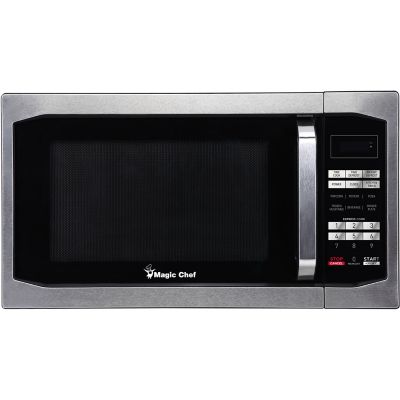
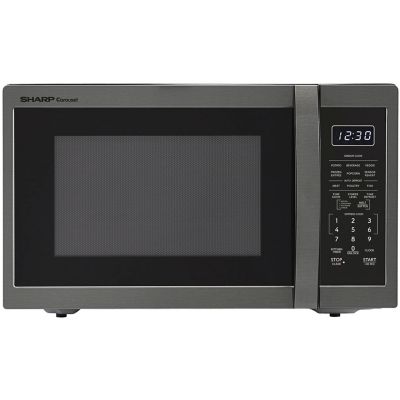
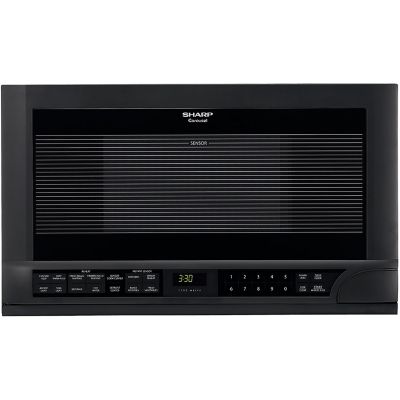
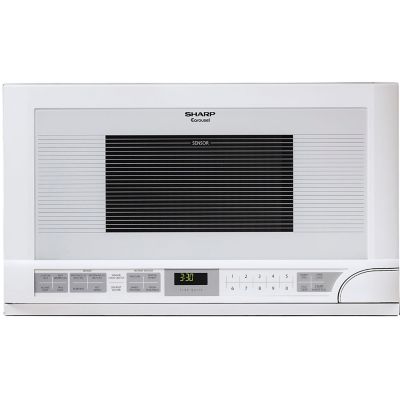
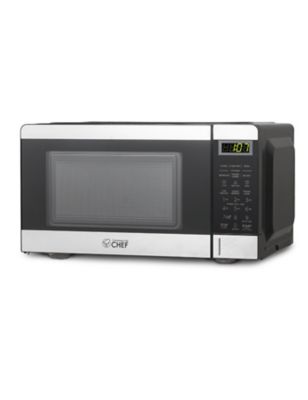
Microwaves with sensor cooking are handy kitchen helpers for busy households, break rooms, cabins, apartments and workshops with a small food-prep area. Instead of relying only on a set number of minutes, the microwave uses a built-in humidity or steam sensor to watch what happens inside the cooking cavity. As food heats, it releases moisture into the air. The sensor detects those changes and helps adjust the cooking time, power level or shutoff point based on the food’s progress. That can take some of the guesswork out of warming leftovers, cooking vegetables, heating soup and preparing other everyday foods. A plate that came out of the refrigerator at lunchtime may need a different amount of heat than the same meal at room temperature, and sensor cooking is designed to account for some of that difference. It can be especially useful when everyone is coming in and out from chores, school, errands or a long day at work. With the right setting, you can start a cooking cycle while packing lunches, feeding the dog or clearing dishes, then return when the microwave signals that the food is ready. Sensor reheat settings are convenient for items such as casseroles, pasta, rice, chili and plated meals, while sensor cook settings may help with foods such as potatoes, fresh vegetables, frozen vegetables or popcorn, depending on the available controls. These microwaves can also make a thoughtful gift for a first apartment, a college-bound student, a newly renovated kitchen, a hunting camp or a family setting up a guest space. They are useful for folks who want quick meals without firing up a full-size oven, especially during warmer weather when keeping the kitchen cooler matters, and during the cooler months when a warm bowl of soup or a hot mug of cider is ready in just a short while.
For dependable sensor cooking, a few simple habits make a difference. Use a microwave-safe dish and cover food with a loose-fitting microwave-safe lid, vented cover or wrap with a small opening. The cover helps hold in steam so the sensor can read the moisture released by the food, while the vent gives excess steam a safe place to escape. Avoid sealing containers tightly, and never use metal unless the microwave instructions specifically allow it. Before starting, wipe moisture from the outside of the container and check that the microwave interior is reasonably dry. Water droplets, grease or food splatters can interfere with normal operation and make cleanup harder. Place the dish where the instructions recommend, generally in the center of the turntable, and choose the setting that most closely matches the food. During the first part of a sensor cycle, leave the door closed and avoid pressing stop or adding extra time. The microwave needs that uninterrupted period to measure steam and estimate how much cooking remains. Once the cycle ends, let dense foods stand for a minute or two, then stir or rotate the food carefully because heat may not be perfectly even throughout the dish. Use a food thermometer for meat, poultry, leftovers and other foods that need to reach a safe internal temperature; sensor cooking is a convenience feature, not a substitute for safe food handling. Results can vary with portion size, container shape, starting temperature and the amount of moisture in the food. Very dry foods, small portions or uncovered items may not produce enough steam for the sensor to work as intended, while crowded dishes may heat unevenly. Follow the cooking directions that come with the microwave, and adjust in short increments when manual time is needed. Wipe spills soon after they happen, wash the turntable as directed and keep vents clear so the microwave can continue running properly.
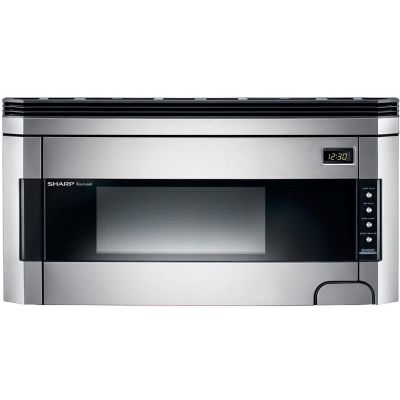
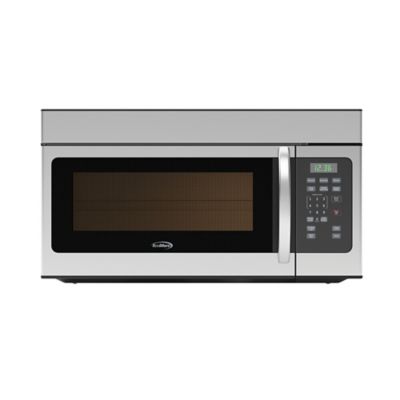
When comparing microwaves with sensor cooking, start with the space where the unit will live. Measure the available width, height and depth, and leave the clearance recommended by the manufacturer for ventilation and door movement. Consider the size of the dishes you use most often, including large dinner plates, square casserole dishes or tall travel mugs. A compact interior may suit a small household or office, while a larger capacity can be more comfortable for family meals and oversized containers. Wattage affects cooking speed, so check the power requirements and make sure the outlet and circuit are appropriate for the installation. Control layout matters, too. Large buttons, clear labels, a readable display and one-touch sensor options can be helpful for older adults, busy parents or anyone who prefers straightforward controls. A turntable, removable rack, interior light, child-lock feature, quick-start button and easy-clean surfaces may also be worth considering. If counter space is limited, an over-the-range design can combine microwave access with a range hood, provided the kitchen has the proper mounting space, electrical connection and ventilation setup. Shoppers comparing that style can browse
Space Saving Over the Range Microwaves for ideas that make use of vertical space. Think about the kinds of meals prepared most often, how many people will use the microwave and whether the unit will handle occasional reheating or steady daily work. In a farmhouse kitchen, it may warm leftovers between outdoor tasks; in a garage apartment, it may serve as the main cooking appliance; in a break room, it can help a crew heat meals without a long wait. During the cooler months, it can take the chill off a cup of coffee or warm a quick breakfast before heading outside, while year-round sensor settings help keep simple meals from becoming dry, tough or overheated. A well-matched microwave adds a practical bit of convenience to everyday routines without taking up more room or effort than necessary.