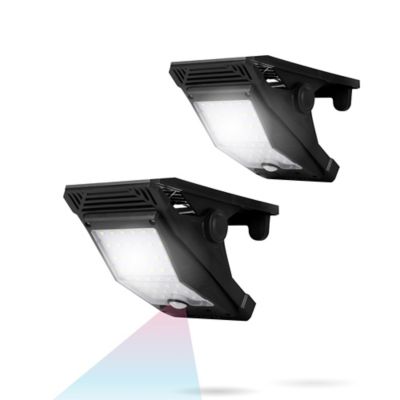
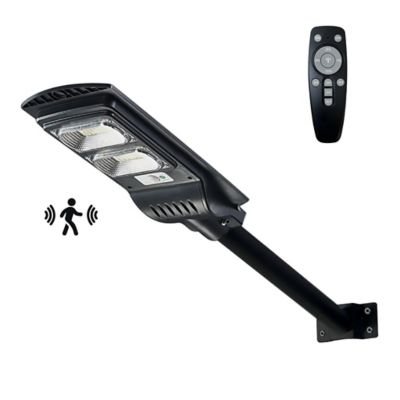
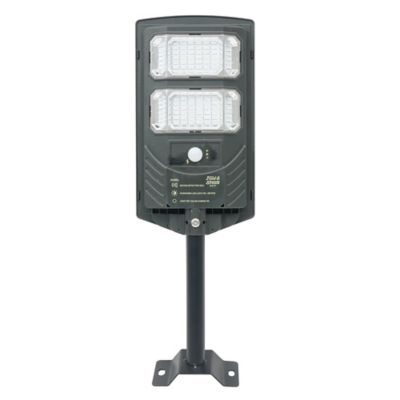
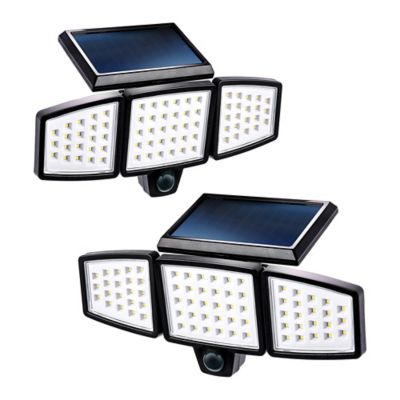
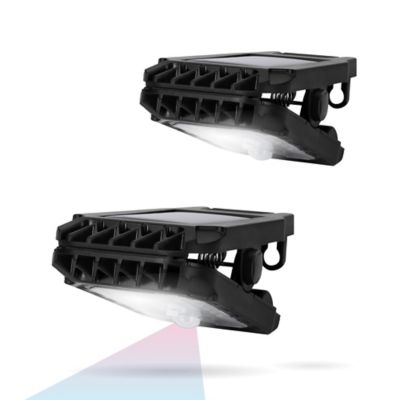
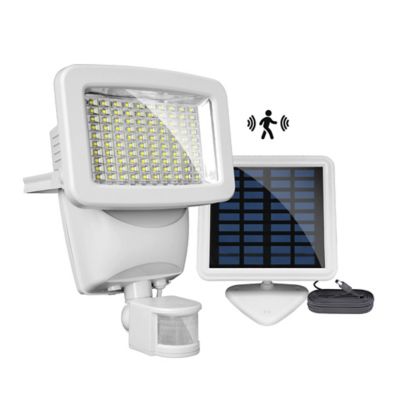
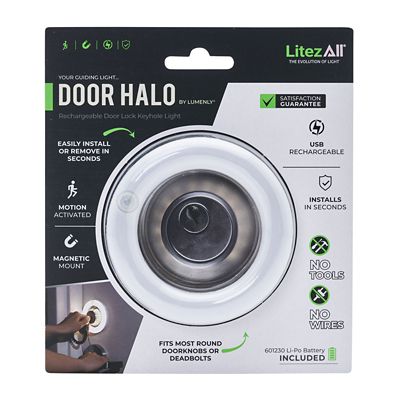
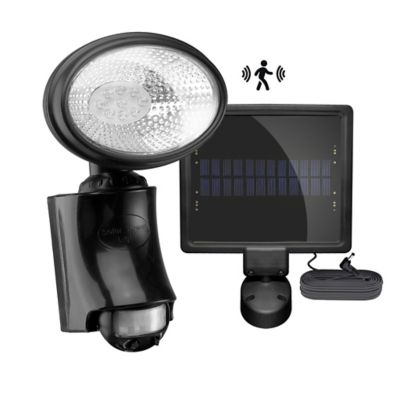
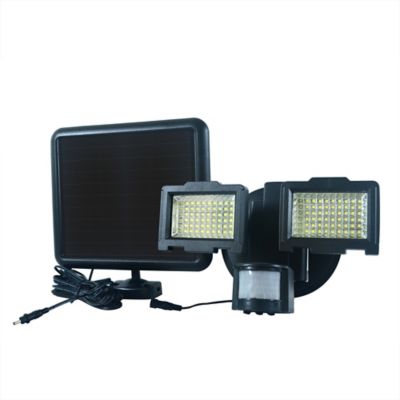
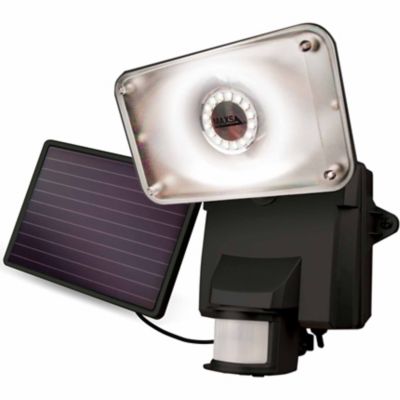
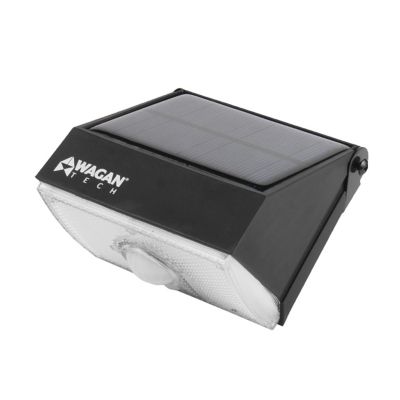
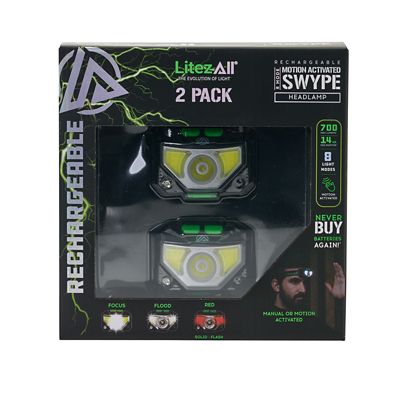
Motion sensor rechargeable lights combine automatic lighting with a battery that can be charged again, bringing light to places where an outlet or wired fixture may not be within reach. They make everyday jobs a little easier, whether that means finding a feed scoop in a storage closet, reaching for a skillet under a kitchen cabinet or stepping into the mudroom with both hands full. Many designs pair energy-saving LEDs with a passive infrared, or PIR, sensor that detects changes in infrared energy as people or animals move through its sensing area. The light switches on when motion is detected and switches off after a period without movement. Some designs also include a light sensor, allowing automatic operation only when the surrounding space is dark enough. Others offer separate motion-sensing, always-on and off settings. Those differences matter in a busy household: a pantry light may need to respond throughout the day, while a hallway light may only need to come on after the main lights are out. Detection distance, sensing angle and shutoff delay vary, so the listed specifications help explain how a light will behave in its intended spot. Brightness deserves the same attention. A gentle glow can help mark a path between rooms without lighting up the whole house, while a brighter bar can make labels and small supplies easier to see on a shelf. Lumens describe light output, but placement, beam spread and the distance from the surface also affect how well that light serves the space. Warm white light tends to feel softer in bedrooms and hallways, while a cooler white appearance can suit storage and work areas. Rechargeable operation keeps these lights free of a permanent power cord during use, though they still need access to a compatible charging source when the battery runs low. They work best as convenient supplemental lighting rather than a replacement for required emergency lighting, permanent stairway lighting or the brighter illumination needed for detailed work.
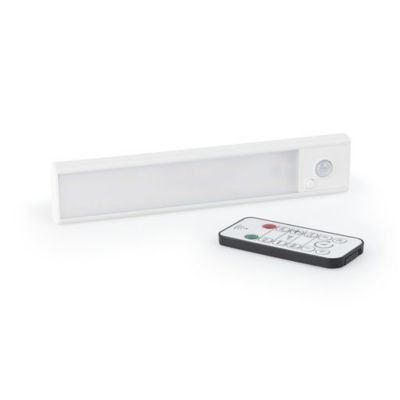
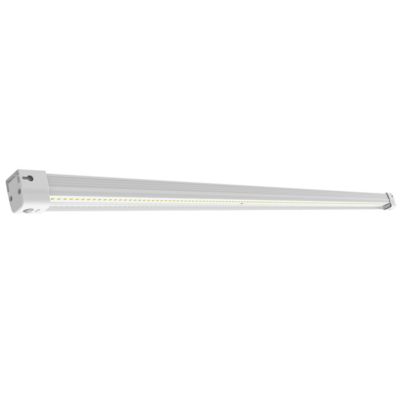
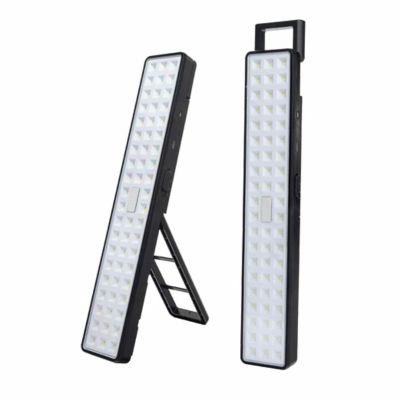
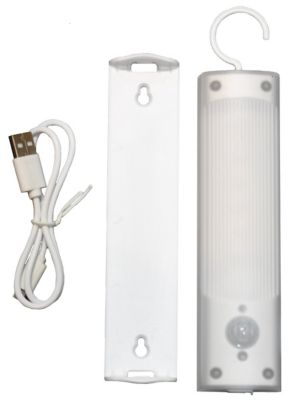
The shape, housing and mounting method help determine where a rechargeable motion sensor light fits comfortably. Slim light bars tuck beneath cabinets or along shelving, spreading illumination across a wider area, while compact round lights suit smaller spaces where a long fixture would get in the way. A low-profile housing can be especially handy in a shallow closet or cabinet, leaving room for doors, bins and everyday supplies. Plastic housings can keep weight down, and aluminum housings offer a firm frame that suits many garage and workshop settings. A lens or diffuser softens the light from individual LEDs, though the resulting beam still varies by design. Magnetic mounting makes it easier to remove a light for charging and return it to the same spot afterward. For shelving, cabinets and other spots that suit this mounting style,
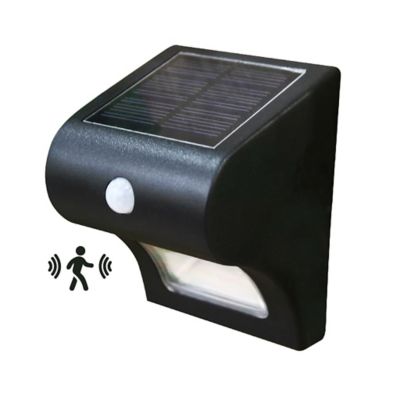
Rechargeable Magnetic LED Lights provide another cordless lighting option. Magnets need a compatible metal surface; wood, aluminum and many other materials will not hold them directly. Some mounting systems include a metal plate with adhesive backing, while others attach with screws or brackets. The surface and the weight of the fixture both matter, especially above a countertop or walkway. Adhesive mounts generally need a clean, dry surface, and rough boards, loose paint or dusty shelving can interfere with their hold. Sensor placement matters just as much as mounting strength. A light tucked behind a shelf lip may illuminate the shelf but miss someone approaching it. A clear view of the expected path gives the sensor a better chance to respond, and walking across a PIR sensor’s field often produces a stronger response than moving straight toward it. In a tack room, utility closet or attached garage, that can mean placing the sensor where it sees the doorway rather than pointing it deep into storage. Indoor and outdoor ratings are also important distinctions. A light intended for indoor cabinets is not automatically suited to a damp outbuilding or an exposed entry, so the manufacturer’s moisture, dust and installation ratings should match the location.
Battery capacity and charging details shape the day-to-day convenience of motion-activated rechargeable lighting. Many lights contain lithium-based rechargeable batteries and charge through USB-C or micro-USB connections, but the connector, cable requirements and charging input vary. Recharge time and operating time should come from the light’s stated specifications rather than a single estimate for the whole category. A light that comes on briefly a few times each evening may go much longer between charges than one installed beside a frequently traveled doorway. Higher brightness, longer shutoff delays and continuous-on operation generally draw more energy, while motion-sensing operation limits illumination to the times it is needed. Pets can trigger some sensors, too, making placement worth considering along a hallway where a cat or dog passes regularly. Battery indicators, adjustable brightness and removable mounts can make charging easier to work into normal household routines. Care is usually straightforward: the housing, lens and sensor need to stay clear of dust and grime, and cleaning should follow the manufacturer’s directions. A soft cloth is often enough for routine wiping, while charging ports need protection from liquid and debris. Mounts also deserve an occasional look to make sure adhesive pads, screws or brackets remain secure. Battery housings should stay intact, and damaged lights or charging cables should be taken out of service rather than patched together. In homes with children, small lights and loose charging cords belong out of reach unless the product is intended for that setting. For someone who spends time organizing a shop, tending animals or keeping a farmhouse running, rechargeable sensor lighting can also make a practical gift when the mounting style and intended location are known. The right fit is a light that reaches the needed area, responds along the usual walking path and can be taken down for charging without a fuss. From a kitchen pantry to a closet full of chore boots, these lights add a useful bit of illumination without requiring a cord stretched across the room.