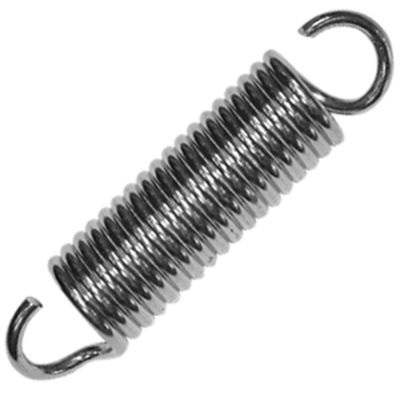
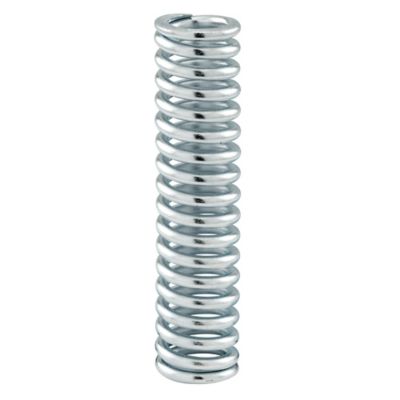
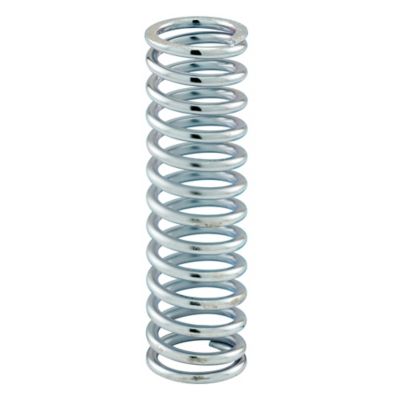
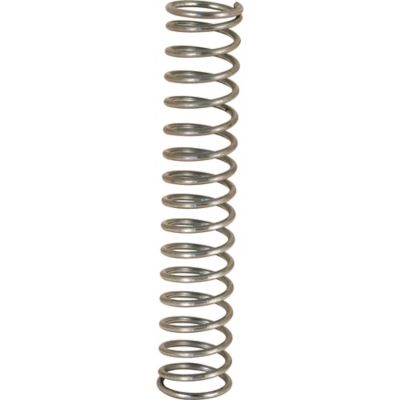
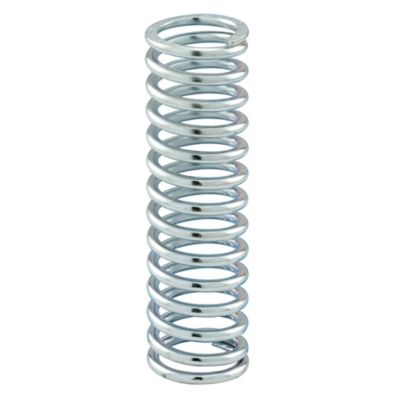
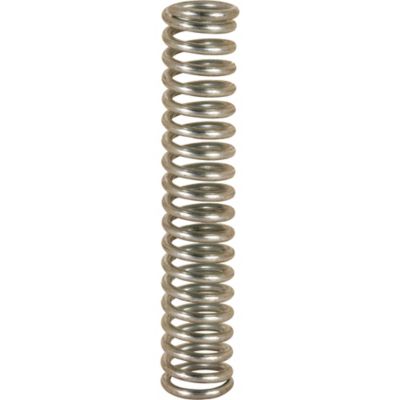
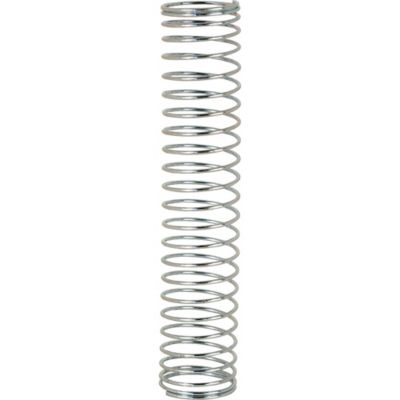
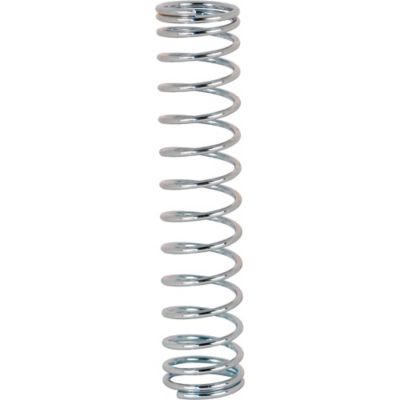
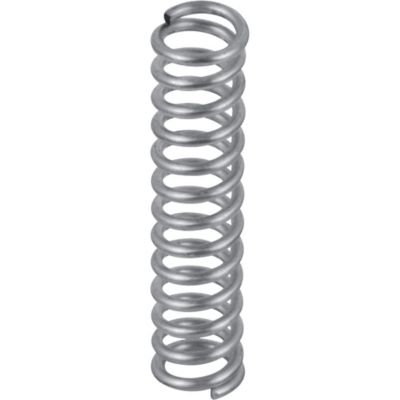
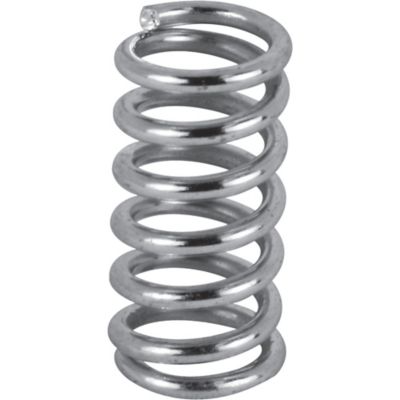
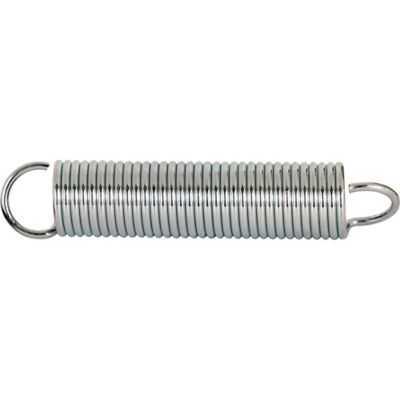
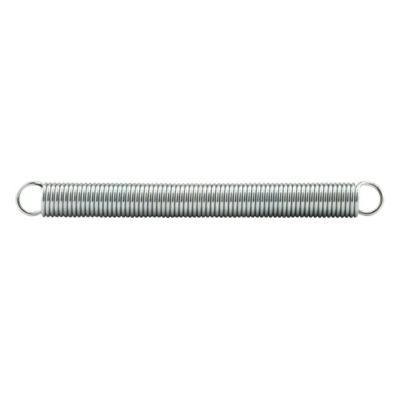
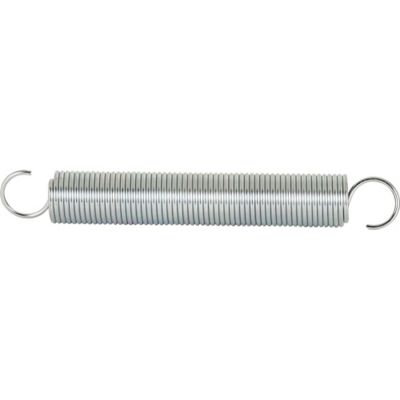
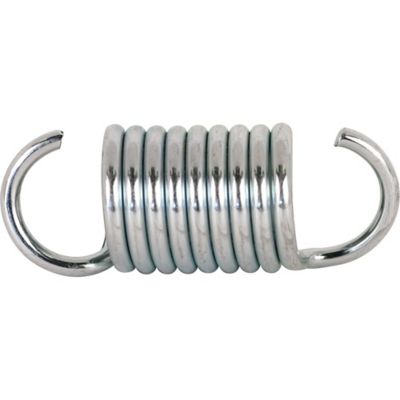
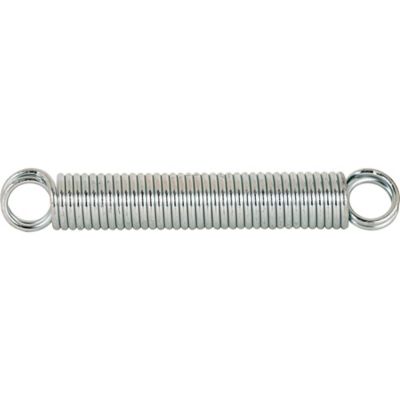
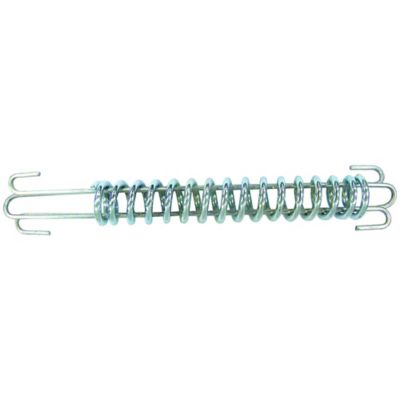
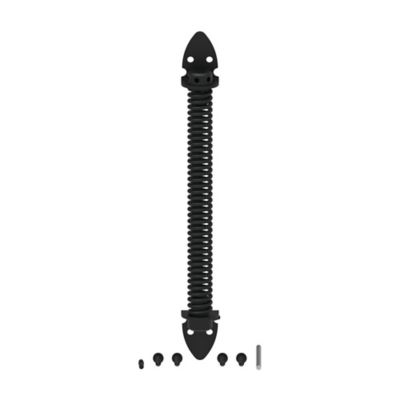
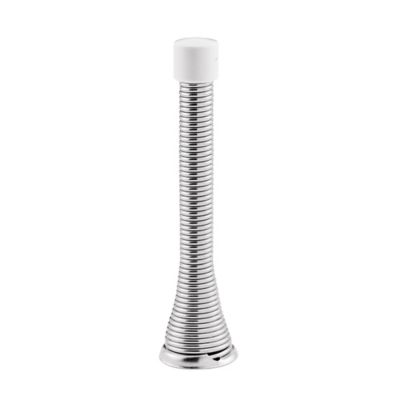
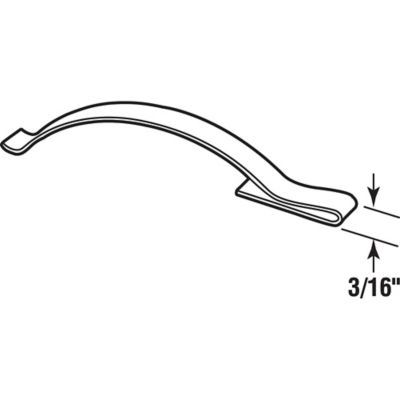
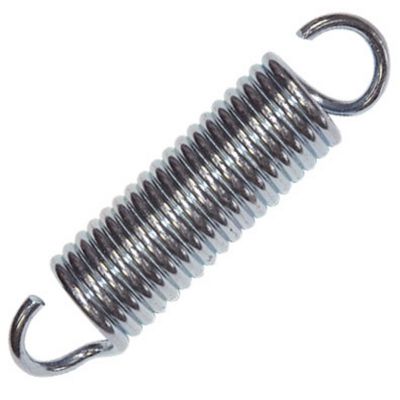
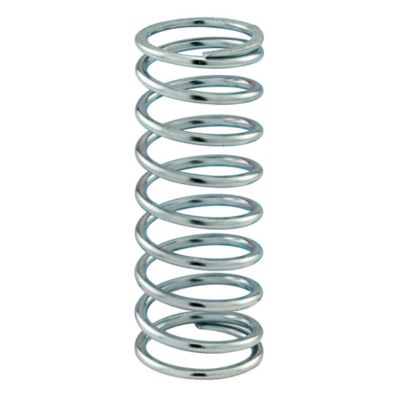
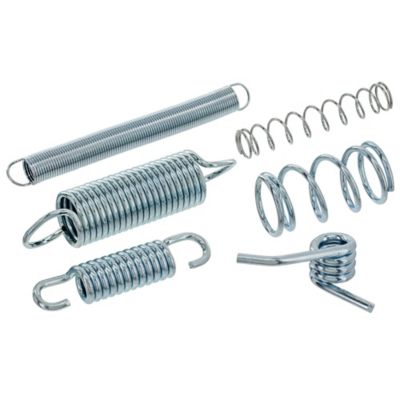
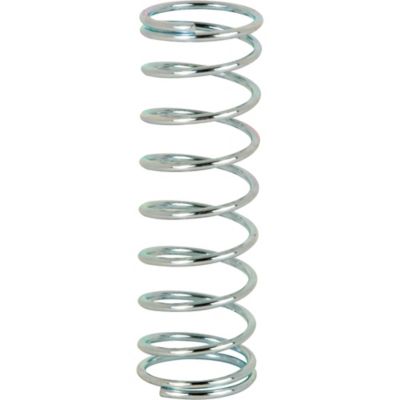
Hardware springs help latches return, handles reset, and moving parts stay under the right amount of tension around the shop, barn, and equipment shed. A latch that hangs half open or a handle that no longer returns can turn a little repair into a daily nuisance. Where the mechanism calls for a spring, a properly matched replacement helps restore the movement the equipment was built to deliver. Compression springs resist a squeezing force, storing energy as they shorten and pushing outward as the load eases. They often work around a guide rod or inside a pocket that keeps their movement lined up. Extension springs resist stretching, with hooks or loops that connect two points and pull them back toward one another. Torsion springs work through a twisting motion, applying torque through their ends or legs rather than simply pushing or pulling in a straight line. Constant-force springs take a different form: a tightly wound strip of metal that provides a nearly steady pulling force through its intended travel. These differences matter because spring shape alone does not tell the whole story about how a part will behave. A small spring in a control lever has a different job than one returning a larger hinged assembly, even when both seem to offer similar resistance by hand. Hardware springs can also cushion movement by temporarily storing energy, though they do not take the place of a damper that controls bouncing or dissipates that energy. For farm maintenance, workshop repairs, and mechanical projects, the useful match is the spring that suits the load, mounting arrangement, and range of motion together. That might mean a light return action that keeps a handle easy to operate or a firmer pull that brings a compatible latch mechanism back into position. The goal is controlled movement without binding, overstretching, or putting unnecessary strain on neighboring parts.
Fit starts with more than overall length. Outside diameter determines whether a coil fits inside a housing, while inside diameter matters when it surrounds a rod, shaft, or locating pin. Wire diameter influences strength and spring rate, but coil diameter, coil count, material, and design also affect performance. Free length describes the spring without an external load. For an extension spring, the distinction between coil-body length and overall length with hooks is especially important, since those measurements are not interchangeable. End shape matters just as much: a hook needs the right opening and orientation for its attachment point, and a torsion spring needs leg angles and lengths that suit the mechanism. Closed or ground ends on a compression spring can affect how it seats against adjoining surfaces. Spring rate describes how much additional force is required for a given amount of deflection, so two springs with similar dimensions may feel and perform quite differently. Extension springs can also have initial tension, meaning some force is necessary before their closely wound coils begin to separate. A stiffer replacement is not automatically a better one. Too much force can make a control hard to move, strain a bracket, or keep an assembly from completing its travel; too little may leave the return action incomplete. Working length, maximum permitted travel, and cycle expectations help define the right operating range. Compression springs need enough room to work without reaching solid height, where the coils touch, unless the equipment design specifically allows it. Extension springs need travel limits that keep their coils and ends within their rated range. Original equipment specifications provide a better starting point than a visual match, especially when an old spring is stretched, broken, or missing an end. For repairs that also call for
Spring Accessories, attachment dimensions and clearance deserve the same attention as the spring itself. A sound connection leaves room for the intended movement without rubbing against a sharp edge or pulling sideways on a hook.
Material and finish help determine how a hardware spring holds up in its working surroundings. High-carbon spring steel is common where strength and repeated flexing are important, while music wire is a high-carbon option often found in smaller mechanical springs. Stainless steel offers corrosion resistance that can be helpful around moisture, washdown areas, and damp workspaces, although the grade and exposure still matter. Zinc plating and other protective finishes can help shield certain steel springs, but a coating does not make every material suitable for every chemical or operating condition. Fertilizer residue, cleaning chemicals, and trapped moisture can be tough on exposed metal, making the equipment maker’s material recommendations worth following. Service life also depends on alignment and loading. A spring that rubs a housing, sits crooked, or travels beyond its design limits may wear or take a permanent set sooner than one working within its intended range. Repeated motion puts stress on hooks, bends, and coil surfaces, so cracks, deep rust, damaged ends, and a lasting change in shape are signs that deserve attention. Care generally centers on keeping the mechanism clear of packed dirt and following the equipment’s lubrication directions rather than applying grease indiscriminately. Heavy grease can hold grit against moving parts in some exposed assemblies. Around the farm or shop, a clean mounting pocket and an intact attachment point matter just as much as the replacement spring. Stored spring energy also calls for caution: a loaded spring can release suddenly, and a stretched mechanism is not the place to improvise with an unmatched part. Garage door assemblies and other high-tension systems call for application-specific components and qualified service. General-purpose hardware springs are not substitutes for rated lifting hardware or safety devices. For everyday mechanical repairs within the proper application, attention to material, dimensions, force, and attachment details helps keep the finished job moving smoothly, whether it is a shop fixture, a small equipment control, or a spring-return latch that gets worked throughout the day.