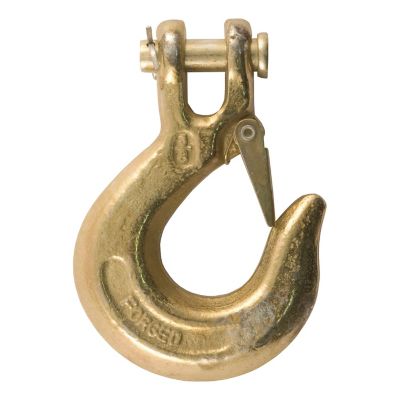
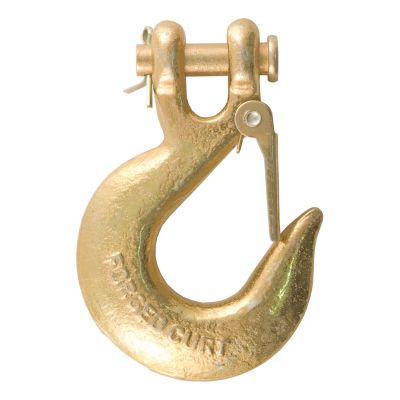
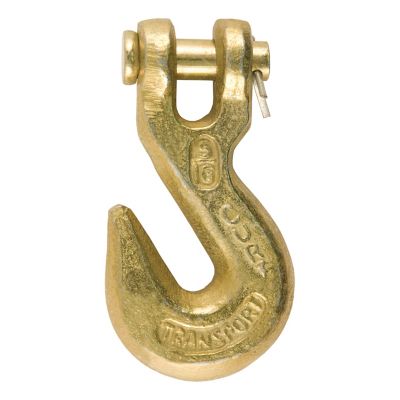
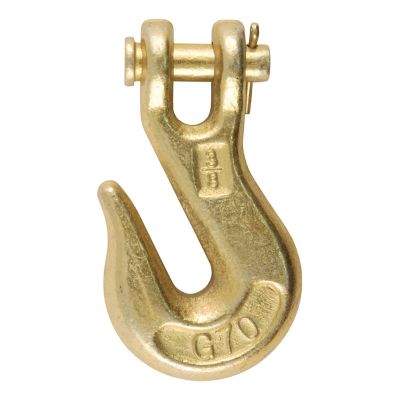
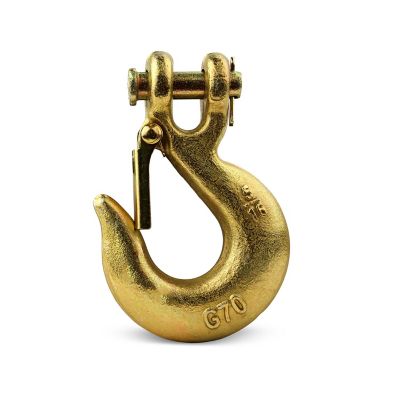
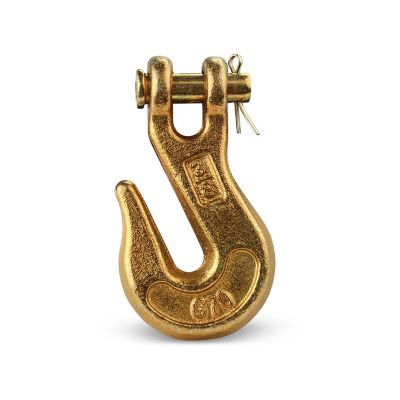
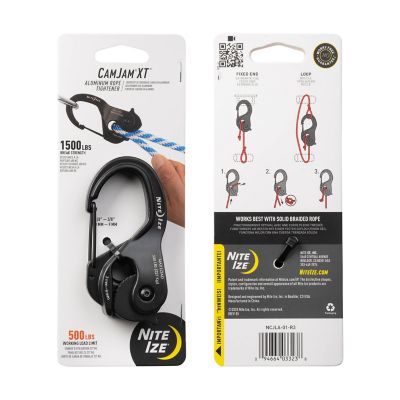
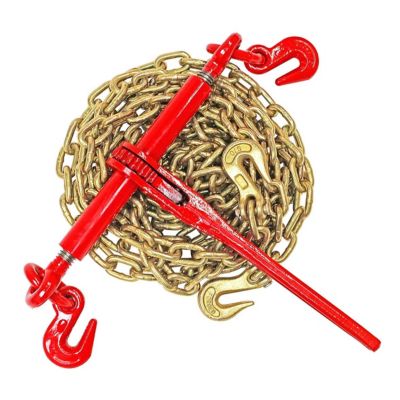
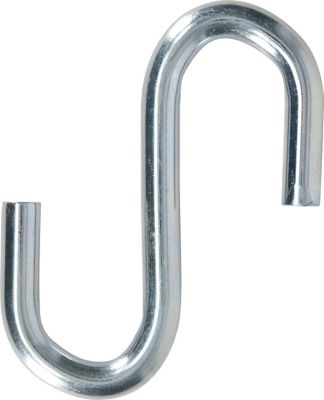
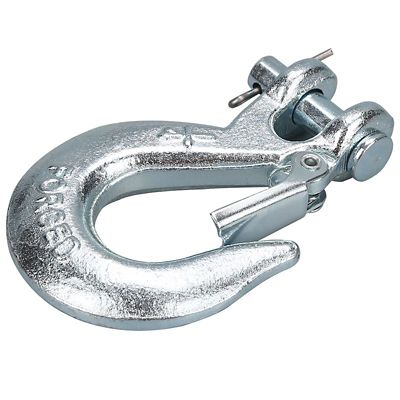
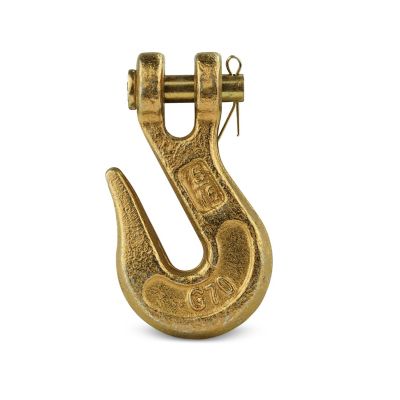
Lifting hooks for farm, shop, and industrial work are rigging components that connect a hoist, chain, sling, or other approved lifting attachment to a load. Their job is to provide a connection that matches the lifting equipment and the load’s attachment point, whether the work involves raising a machine component or positioning a steel assembly for repair. Farmers, ranchers, mechanics, fabricators, and maintenance crews all have jobs where the right hook helps bring the lifting setup together. These hooks are different from ordinary hanging hardware: a hook intended for lifting needs a stated working load limit and a design approved for that service. Common materials include forged carbon steel and alloy steel, with material grade, heat treatment, and construction influencing the hook’s rated capacity. Stainless steel can suit certain environments, but the material alone does not establish whether a hook is suitable for overhead lifting. Protective finishes can help limit surface corrosion, though no finish replaces inspection and proper storage. Hook styles also serve different purposes. An eye hook has a closed attachment eye for a compatible connector, while a clevis hook attaches through a forked end with the specified pin and retaining hardware. A sling hook generally has a broader opening to accommodate approved sling connections, while a grab hook engages a particular chain size and link configuration. Not every grab hook is approved for lifting, so intended service matters alongside shape. Swivel hooks can help orient a connection, but only certain designs permit rotation while carrying a load. That distinction matters when a suspended part needs positioning rather than simply raising and lowering. Across these styles, the practical considerations are much the same: the hook’s rating, its connection method, its fit with the rest of the rigging, and the work it is meant to handle. A compact machine shop and a farm repair bay may have different lifting needs, but both depend on matching the hardware to the job.
Working load limit, often marked as WLL, is the maximum load a hook is rated to handle under the conditions specified by its manufacturer. It is not the same as breaking strength, and it should never be treated as a starting point for adding more weight. A hook’s size or heft cannot establish its lifting capacity; readable markings and manufacturer specifications are what count. The full lifting arrangement matters, too. A higher-rated hook does not increase the capacity of a lower-rated hoist, chain, sling, connector, or lifting point, and sling angles can increase tension in individual legs. On a farm repair job, a machine component may look manageable while still having an uneven center of gravity that changes how the rigging carries it. Fit deserves just as much attention as capacity. Chain size and grade, pin diameter, eye dimensions, hook opening, and the shape of the attachment point all affect compatibility. A connection should seat as intended without forcing parts together, crowding multiple fittings into a small opening, or placing the load on the hook tip. Hooks generally carry the load in the bowl, with force aligned as the manufacturer specifies; side loading, back loading, and tip loading can create conditions outside the rating. Closure design is another important difference among lifting hooks. A spring-loaded latch helps retain an attachment when the connection becomes slack, but the latch itself is not a load-bearing surface. Self-locking designs provide a different closure arrangement, with operation and inspection requirements specific to the model. Neither style makes an unsuitable connection safe. Enough room for the attachment to sit properly and for the closure to function is essential. Around an engine hoist, shop crane, or chain hoist, that means considering the entire connection rather than choosing a hook by appearance alone. Clear identification and compatible hardware make it easier to keep lifting equipment assigned to the work it was built to perform.
Long service life starts with a hook that suits the task, followed by sensible handling, inspection, and storage. Lifting hardware can take hard knocks around concrete floors, steel benches, and equipment frames, so surface condition deserves attention along with the moving parts. Cracks, bending, twisting, excessive wear, an enlarged throat opening, damaged threads, and missing retaining hardware are reasons to remove a hook from service for evaluation under the manufacturer’s criteria. A latch that sticks or no longer closes properly also needs attention, even when the hook body looks sound. Grinding, welding, heating, or bending a hook to make it fit can alter its strength and is not an acceptable field fix. Manufacturer-approved replacement parts and service procedures help preserve the intended design. Keeping hooks clean enough to inspect, protecting them from corrosive materials, and following any specified lubrication requirements help with ongoing care. Storage that keeps rigging off the floor and away from traffic can reduce damage and make identification easier before the next job. The intended service also separates lifting hardware from related pulling equipment.
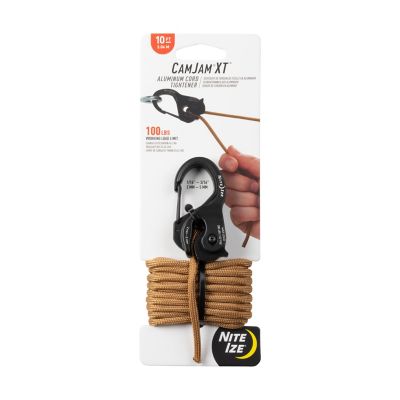
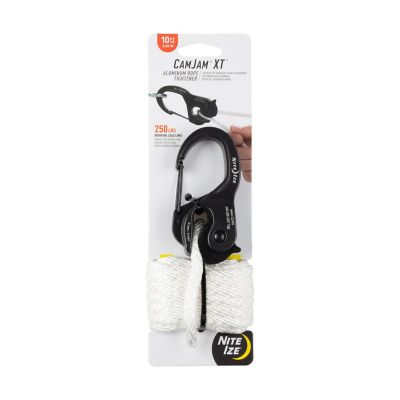
Winch Hooks belong to winching connections, and a hook intended for line pulling should not be assumed suitable for overhead lifting unless the manufacturer expressly rates it for that purpose. The same caution applies to hooks intended only for towing or load securement. For lifting work, smooth, controlled movement helps avoid shock loading, while a clear load path keeps people away from suspended equipment and pinch points. No hook makes it acceptable to stand beneath a suspended load, and ordinary material-handling hooks are not intended for lifting people. Whether the job is an occasional repair in the barn or repeated handling in a busy shop, suitable lifting hooks combine the right rating, compatible connections, readable identification, and a design that fits the work without makeshift adjustments.