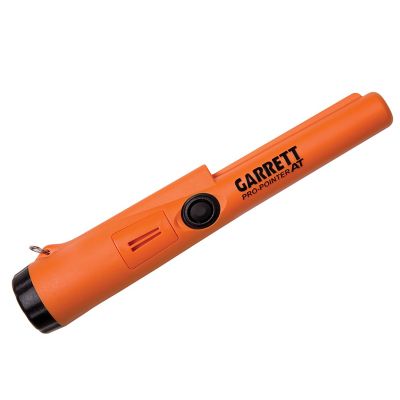
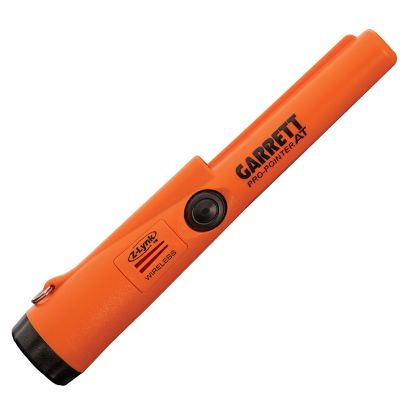
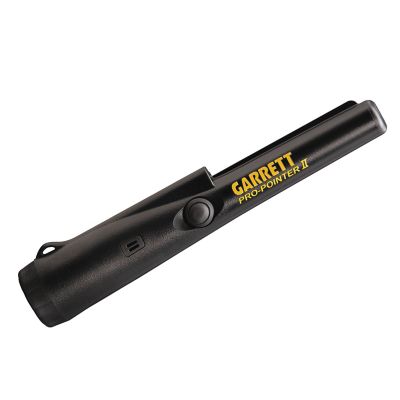
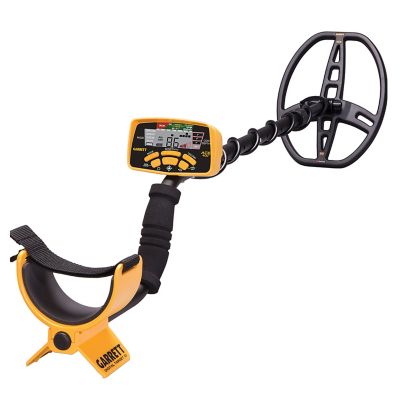
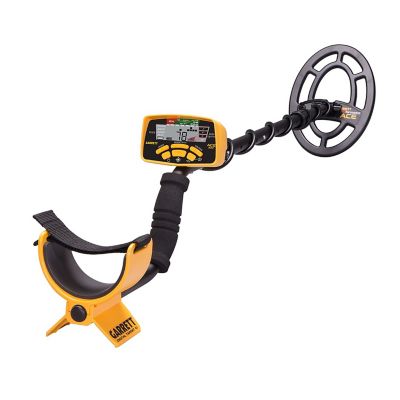
Metal detecting pinpointers are small, handheld probes that help narrow down the location of a metal target inside a dug hole, a plug of earth, or loose soil. They work alongside a full-size metal detector, helping locate coins, rings, buttons, and other finds after the main detector signals a promising spot. A pinpointer’s short detection range makes it useful for the close work: telling whether a target is still in the sidewall of a hole, tucked beneath a root, or sitting in the dirt beside it. That extra information can mean less digging and a smaller area to put back when the search is done. Most pinpointers signal through sound, vibration, or both, with the response often becoming faster or stronger as the probe approaches metal. This proximity feedback helps distinguish a target’s general location, but it does not necessarily identify the metal or tell a pull tab from a gold ring. Detection distance depends on the target’s size, shape, material, and orientation, along with ground conditions and the probe’s settings. A larger piece of metal may trigger a response farther away than a tiny earring back. For folks searching around an old homeplace with permission, along a permitted field edge, or in a designated recreation area, a pinpointer can make small finds easier to track down without repeatedly passing a large search coil over a small pile of dirt. The tool’s compact shape also suits kneeling work, where one hand may be holding a digging tool and the other is checking the hole. A full-size detector covers ground; a handheld pinpointer handles the final few inches. That difference matters when choosing equipment, since a pinpointer generally complements a main detector rather than replacing it for searching an open stretch of land. It is a recovery tool first, built for narrowing the search once there is already a reason to look closely.
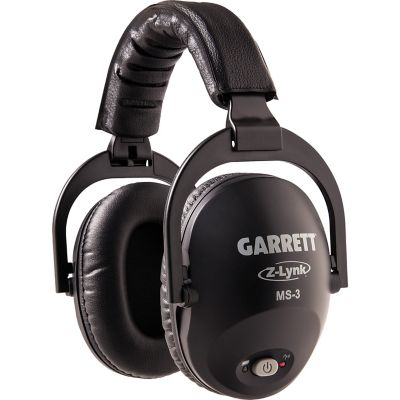
The most useful features depend on where the searching happens and how the tool feels in the hand. A tough polymer housing keeps weight manageable, while a textured grip can help when fingers are dusty or gloves make small controls harder to feel. Overall length, balance, button placement, and the shape of the probe all affect comfort during repeated checks of the ground. Some pinpointers concentrate detection near the tip, while others also sense metal along the sides of the probe; that distinction changes how much of a hole or soil pile the tool can check at once. Adjustable sensitivity offers another way to match the response to the task. A broader response can help locate a target, while a lower setting may make it easier to separate the final spot from nearby metal. Retuning or ground calibration, where provided, can help reduce interference from mineralized soil or narrow the response around a target. These functions vary, so the listed controls and operating details matter more than assuming every probe behaves alike. Audible alerts are handy when watching the soil closely, and vibration offers feedback that can be felt through the grip. An LED light may help illuminate a narrow hole or a shaded pocket beneath a root, though it does not take the place of a separate light for a larger work area. For listening to signals from the main detector,
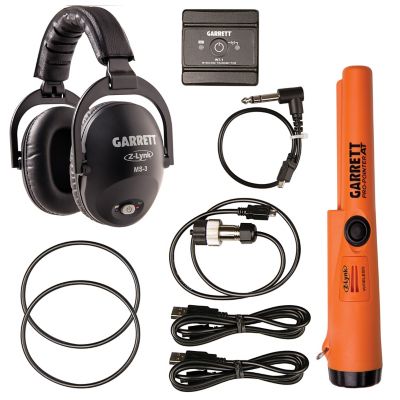
Metal Detector Headphones serve a different role; connection requirements should match that detector, and a pinpointer’s alerts may remain separate. Water protection also deserves a close look. Splash resistance, rinseability, and full submersion are different capabilities. A waterproof rating should specify an allowable depth, and the battery cap, seals, and any charging cover must meet the manufacturer’s requirements. Anyone planning to check shallow water, stream edges, or wet sand needs a probe rated for that particular use, rather than relying on the appearance of a sealed housing.
Everyday handling has plenty to do with how well a pinpointer holds up. The probe may brush against grit, packed dirt, stones, and roots, so housing construction and protection around the sensing end are worth considering. A replaceable tip cover, when offered, can take some of that abrasion without changing the tool’s basic purpose. A pinpointer is not a digging bar, soil knife, or pry tool; forcing it into hard ground or levering against a rock can damage the housing and seals. Soil removal belongs to a suitable digging tool, leaving the probe for checking the target’s location. Care should match the tool’s water rating, with dirt cleared from seams and the housing dried before a battery compartment is opened. Grit around an O-ring or cap can interfere with a seal, making those small details important for equipment that goes near water. Battery setup is another practical consideration. Replaceable batteries make it possible to carry a spare, while an integrated rechargeable battery calls for attention to charging connections and expected runtime. Actual operating time depends on the battery, alert settings, and frequency of use. A low-battery warning helps explain a fading or irregular response, and automatic shutoff or a lost-tool alarm can be useful features for anyone who sets equipment down beside a hole. A belt holster or attachment loop keeps the probe within reach, while a tether provides another connection when kneeling, standing, and moving between targets. For a newer hobbyist, a comfortable grip and straightforward controls may matter more than a long list of settings. Someone who spends more time recovering small targets may value adjustable response, clear vibration, and easier cleaning. Pinpointers also make thoughtful gifts for metal-detecting enthusiasts when the features suit their habits and equipment. Wherever the search leads, landowner permission, local detecting rules, and care around buried services remain part of responsible detecting. A pinpointer cannot establish that ground is safe to dig, but it can help keep an authorized search focused and the recovery area easier to restore.