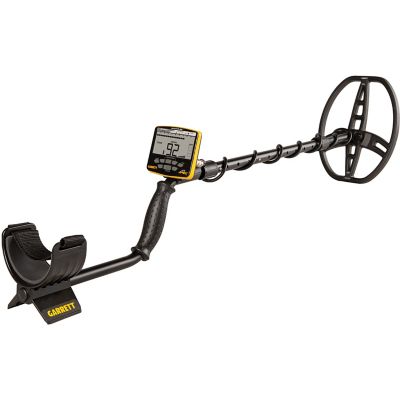
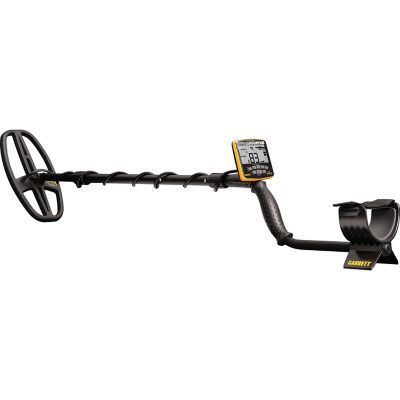
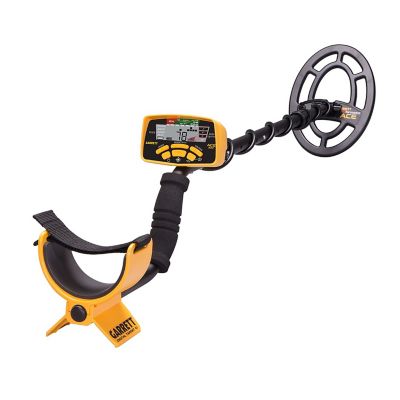
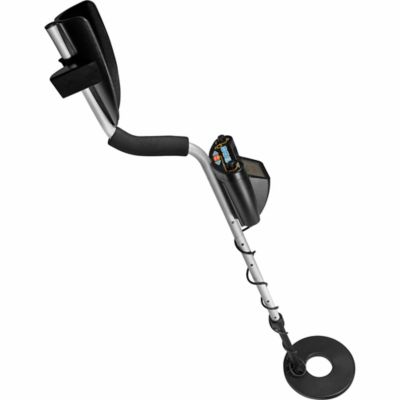
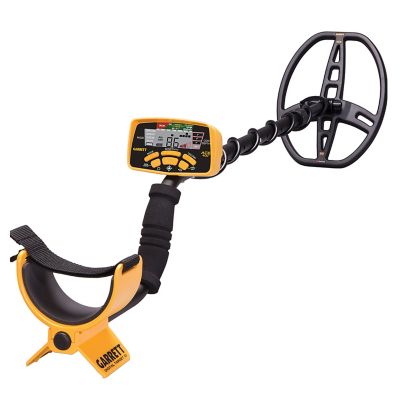
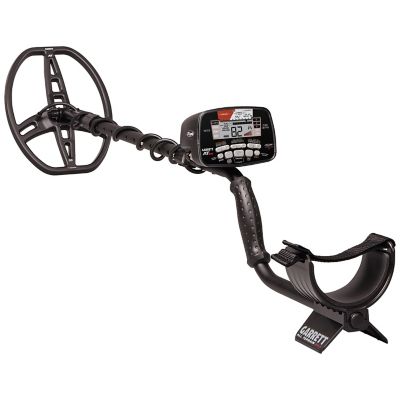
Metal detectors for beginners make it easier to get acquainted with the hobby without juggling a long list of settings. A good starting point is a lightweight detector with an adjustable shaft, clear audio signals, straightforward controls, and target discrimination that helps sort likely finds from common metal trash. For someone searching a yard with permission, an open field, or a permitted park area, those features matter more than a screen full of information that takes a while to understand. Many entry-level detectors work with very low frequency, or VLF, technology, a common choice for finding coins, jewelry, and other small metal objects. Some operate at one frequency, while simultaneous multi-frequency detectors transmit several frequencies at once and can offer advantages across different targets and challenging ground conditions. The right setup depends on where the detector will go, not just how many features appear on the control panel. Ground balance helps a detector account for minerals in the soil, and automatic ground balancing can make that adjustment simpler for a newcomer. Target identification numbers and different audio tones provide clues about what might be below the coil, but they do not identify an object with certainty. A pull tab and a gold ring can produce similar responses, and rusty iron can sometimes sound more promising than it turns out to be. Discrimination settings help reduce signals from selected metal categories, though aggressive filtering can also hide worthwhile finds. Adjustable sensitivity is another practical feature, especially near electrical interference or ground that produces extra chatter. More sensitivity does not always mean better results; a steady, understandable response is often more helpful than constant noise. Detection depth also varies with the object's size, shape, orientation, and metal content, along with soil conditions and coil design. A small earring and a large metal container will not register at the same depth. Beginner-friendly controls leave room to learn those differences without making every outing feel like a troubleshooting session.
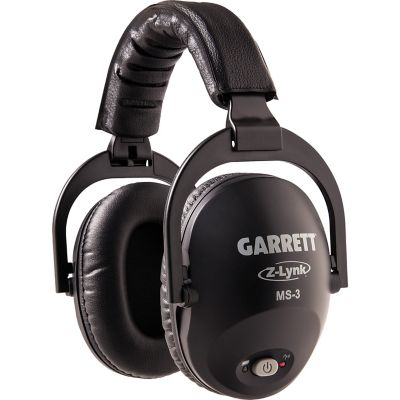
Comfort deserves just as much attention as the electronics, especially when a short walk turns into an afternoon of checking signals along a pasture path. A detector around three pounds or less can be easier to swing for longer stretches, although balance matters as much as the number on the scale. An adjustable arm cuff, comfortable grip, and shaft that fits the operator's height help keep the coil near the ground without an awkward reach. For a child or an adult with a shorter reach, the minimum shaft length is worth checking, not just the maximum extension. Aluminum shafts and molded plastic housings are common construction choices that keep weight manageable, while snug shaft connections help limit wobble during a sweep. Coil size changes how a detector handles different spaces. A smaller coil can be easier to maneuver around roots and separate nearby targets in ground scattered with nails or bottle caps. A larger coil generally covers more ground with each pass, which can suit open areas, though it may add weight and make closely spaced targets harder to sort out. Water protection also needs a close look. A waterproof search coil does not mean the control box, cable connections, or entire detector can go underwater. Any planned searching in shallow water calls for checking the manufacturer's immersion limits and care requirements. Sound is another part of a comfortable setup. Compatible
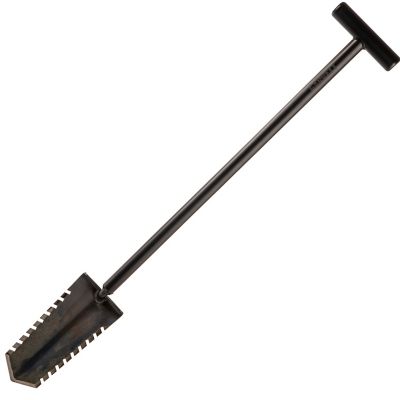
Metal Detector Headphones can make subtle signals easier to hear while keeping detector tones from carrying across a shared space. Connections vary, so wired plugs and wireless systems need to match the detector's supported setup. Beyond the detector itself, a handheld pinpointer can help narrow down a signal inside a soil plug, while a finds pouch keeps recovered objects and sharp metal scraps contained. Digging tools should match both the ground and the site's rules; a large shovel is not suitable for every place that permits detecting.
The best beginner metal detector is one that fits its owner's usual outings and remains easy to handle after the first few trips. Someone interested in coins around a homeplace may value simple target tones and quick adjustments, while a person exploring permitted shoreline areas may need more attention to ground handling and water protection. Small natural gold calls for more specialized capabilities than general coin hunting, so an entry-level label alone does not establish whether a detector suits that job. For families sharing one detector, adjustable length, manageable weight, and controls that are easy to read can make taking turns much simpler. A detector can also be a thoughtful birthday, graduation, or retirement gift for someone who enjoys walking the land, learning local history, or spending time outdoors with a purpose. Battery type matters for those outings: replaceable batteries and built-in rechargeable systems bring different charging and packing needs, and operating time varies with settings and accessories. Everyday care helps protect the equipment between trips. Soil should come off according to the manufacturer's cleaning instructions, particularly around shaft locks and coil mounting points, and only components rated for rinsing should meet running water. Cables need enough slack for adjustment without loose loops that catch on brush. A protective coil cover can take scuffs from contact with the ground, but trapped grit underneath still needs attention. Dry storage, protected connectors, and battery care according to the manual help keep the detector ready for another outing. The place matters as much as the equipment: private land requires the landowner's permission, and public land may have permits, digging restrictions, or complete bans. Historic and archaeological sites can carry additional protections. Locating buried utilities before digging, leaving gates as found, keeping clear of livestock, and restoring disturbed ground are all part of respectful detecting. With a comfortable fit and features matched to the places open for searching, a beginner detector offers a straightforward way to enjoy the hunt without expecting every signal to turn into treasure.