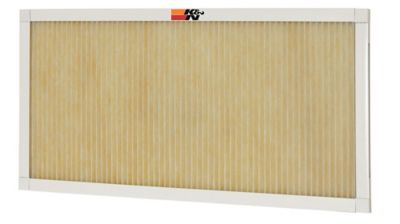
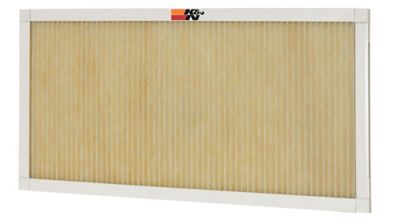
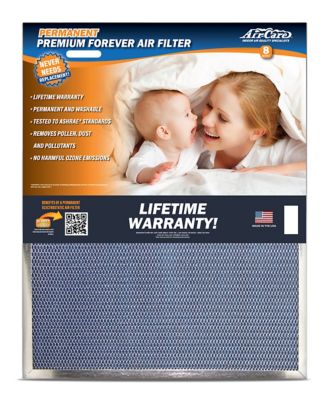
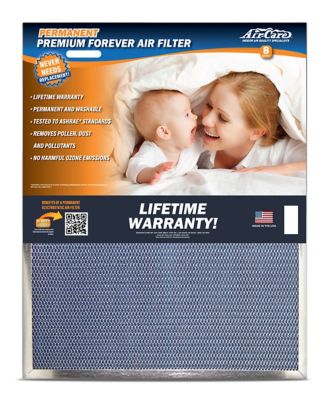
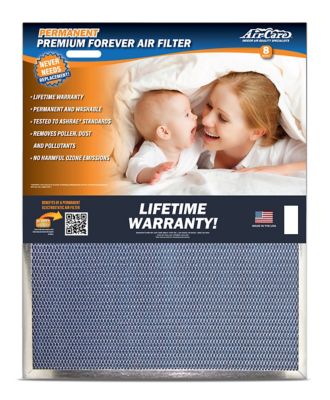
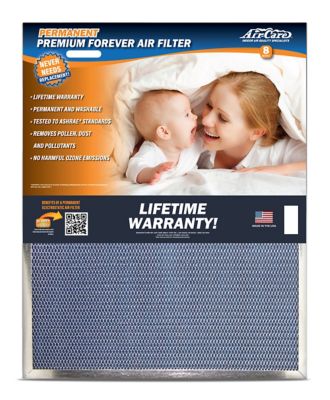
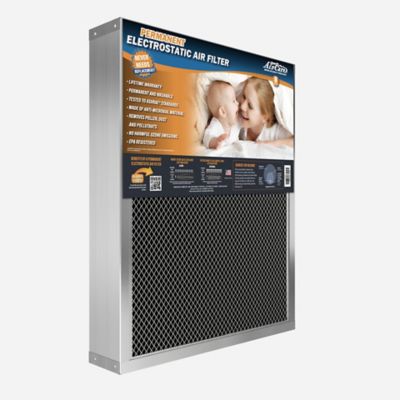
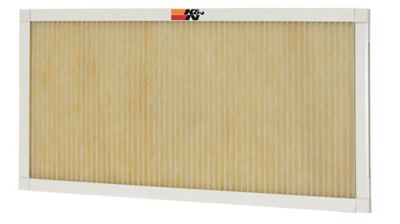
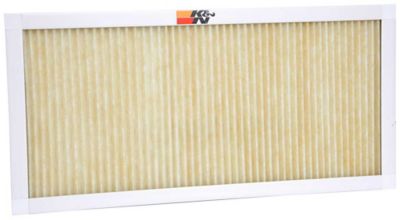
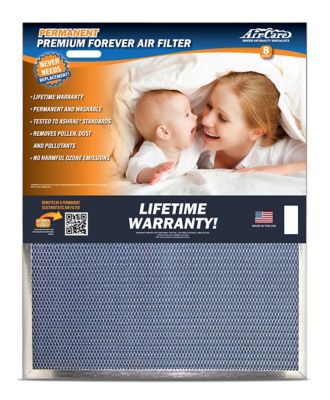
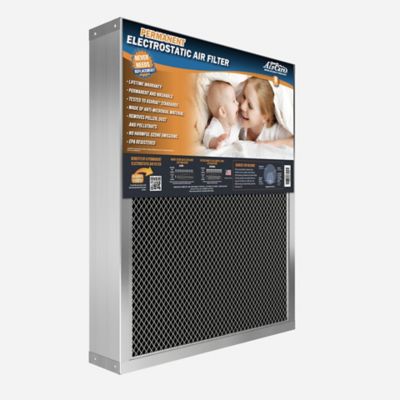
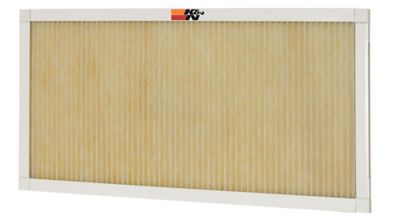
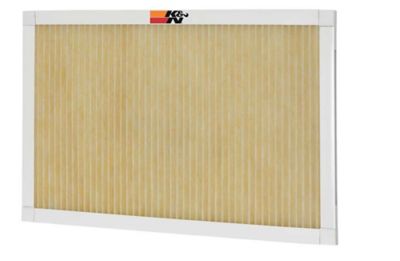
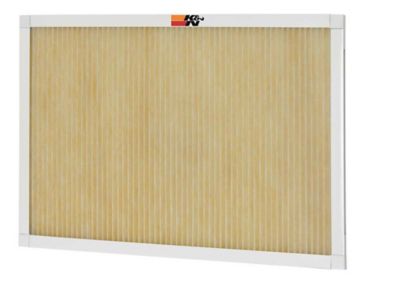
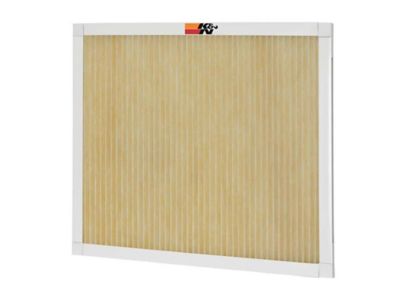
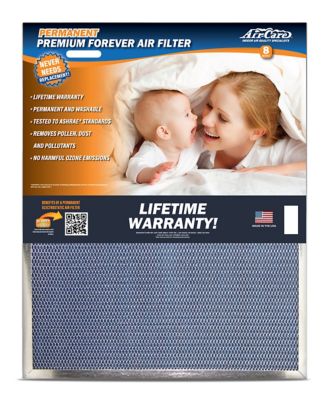
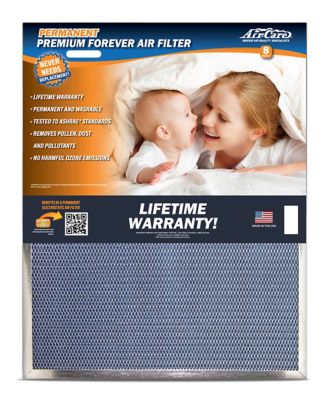
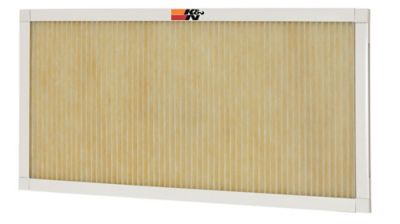
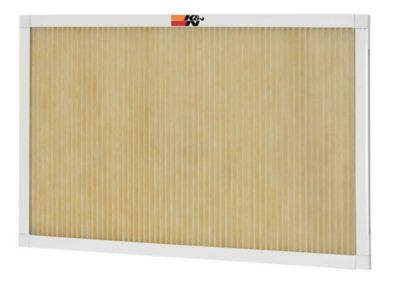
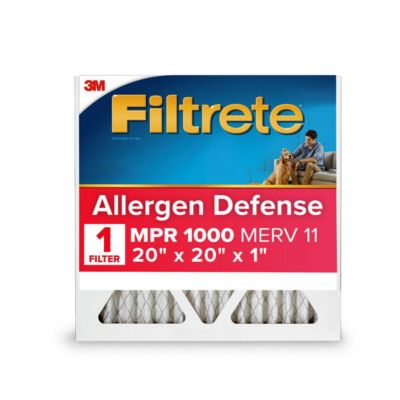
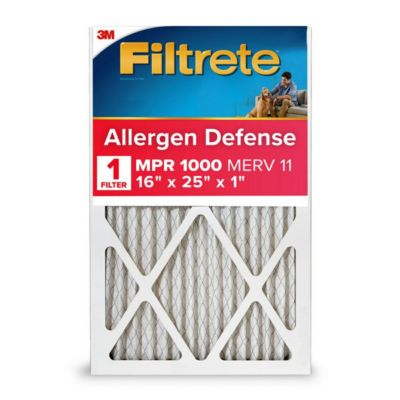
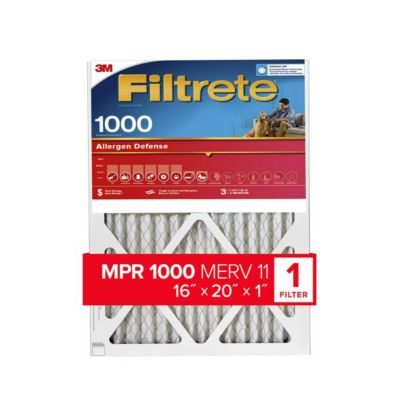
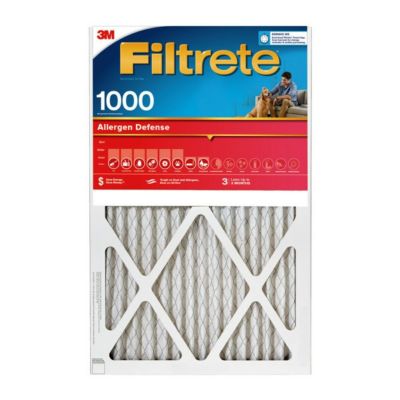
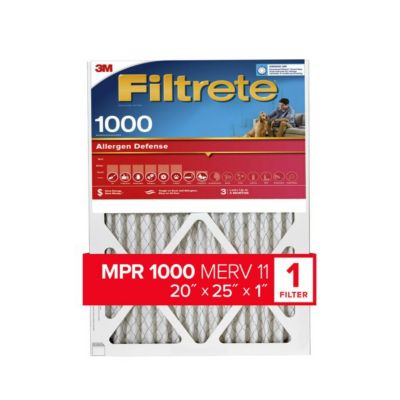
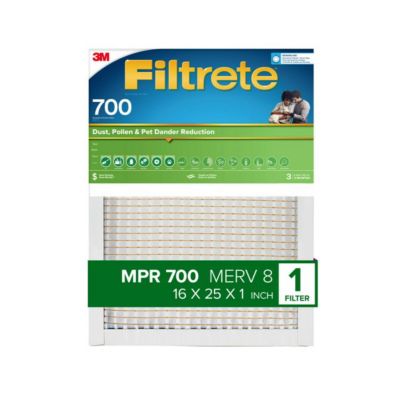
When it comes to keeping the air clean in your home, barn, or workshop, MERV air filters are a real workhorse. Folks out in the country know all too well how dust, pollen, and pet dander can sneak in as the weather warms up and you’re opening doors and windows more often. MERV, which stands for Minimum Efficiency Reporting Value, is a handy way to measure just how much stuff an air filter can trap. The higher the MERV rating, the smaller the particles it’ll catch—anything from regular old dust and carpet fibers all the way down to pollen, mold spores, and even bacteria. But it’s not always about going for the highest number. If you’re running a standard home HVAC system, a MERV 8 filter will usually do the trick to keep your ductwork clean and your air fresh without putting too much strain on the system. If you’ve got a couple of dogs or cats running around, or if you’re dealing with allergies, a MERV 11 or 13 filter can help catch that fine dander and pollen that seems to float everywhere during the growing season. On the other hand, those ultra-premium MERV 13–16 filters are best reserved for folks who need hospital-grade air quality—like if someone in the house has a compromised immune system or there’s a smoker indoors—but be careful, because those dense filters can make your air conditioner or furnace work harder than it should.
Choosing the right MERV filter is a bit like picking out boots for a muddy pasture: you want the best protection without weighing yourself down. Before you grab a filter, it’s a good idea to check your HVAC manual or talk to a local tech to see what your system can handle. Going too high on the MERV scale can actually choke off airflow, making your system less efficient and driving up those energy bills. Out here where tractors and dust are a part of daily life, keeping up with regular filter changes is just as important as picking the right one in the first place. Most folks swap out their filters every 90 days, but if you’ve got a lot of critters or your home sees heavy foot traffic, you might want to change them every couple of months. MERV filters also make a thoughtful gift for new homeowners, folks moving into a fixer-upper, or anyone who just finished a big indoor renovation and wants to keep that fresh-air feeling. And if you’re running tractor supply air conditioners or have a workshop that sees a lot of sawdust and grit, a good MERV filter is worth its weight in gold for keeping equipment running smooth and the air easy to breathe.
For those looking to take their air quality up a notch—maybe you’ve got someone in the family with serious allergies or you just want to know you’re breathing the cleanest air possible—there are options beyond standard MERV filters, like true HEPA filters. These are the kind you’ll find in medical settings and clean rooms, and while they aren’t always suited for every home HVAC system, they’re worth a look if you want that extra peace of mind. You can learn more about them and see if they’re right for your setup by visiting our page on
HEPA HVAC Filters. Whether you’re prepping for a dusty harvest, cleaning up after pets, or just wanting to keep your home’s air clear all season long, picking the right MERV filter and keeping up with regular changes is one of the simplest ways to keep your family, livestock, and guests breathing easy.