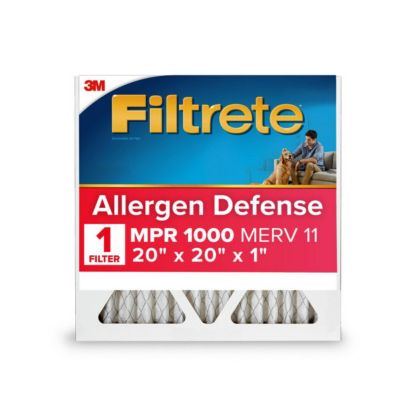
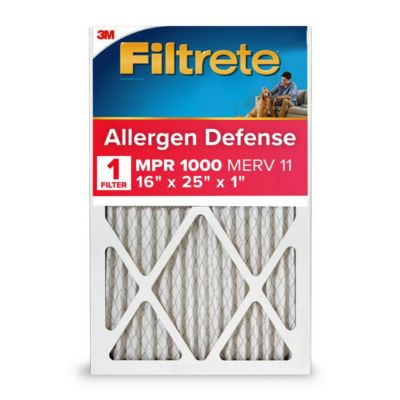
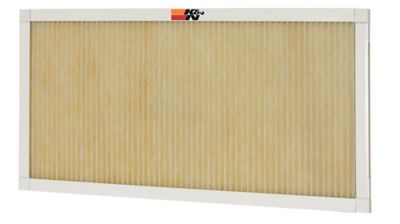
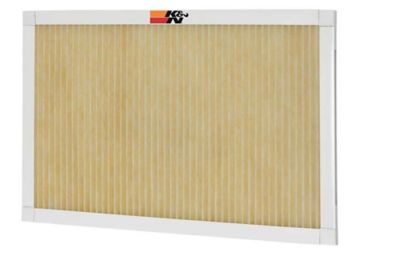
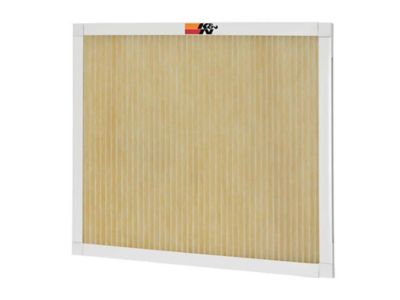
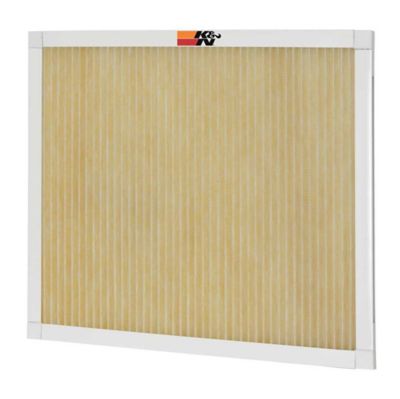
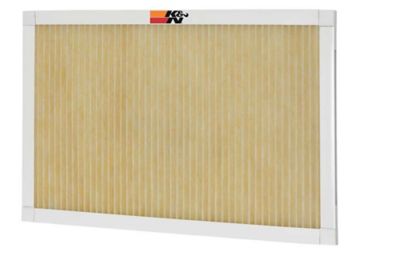
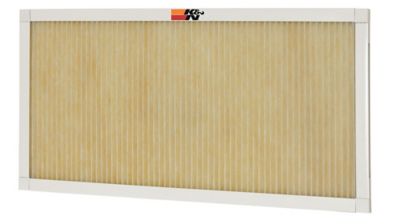
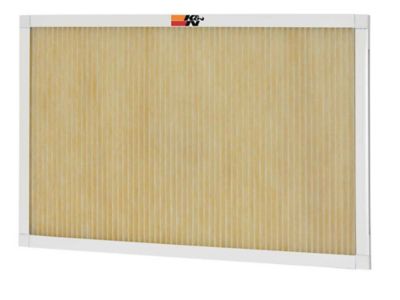
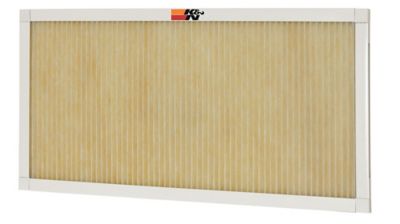
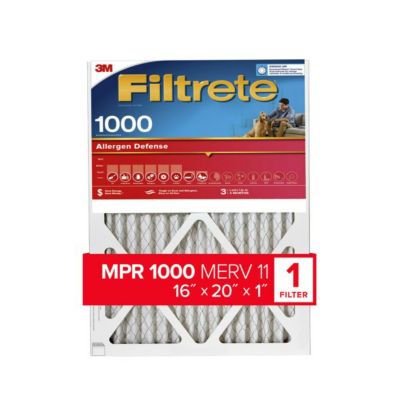
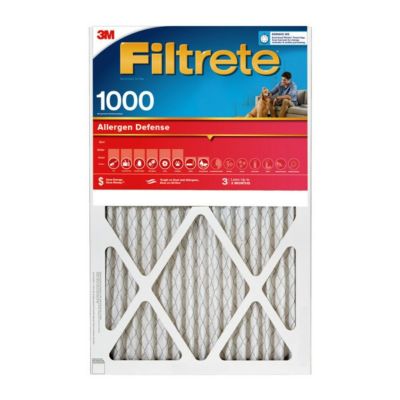
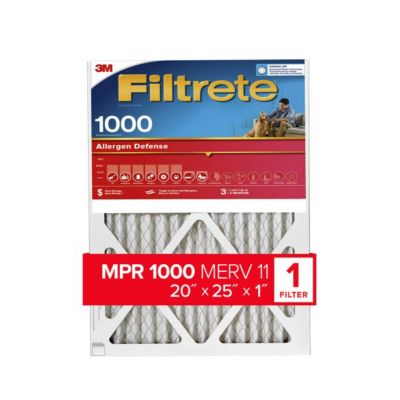
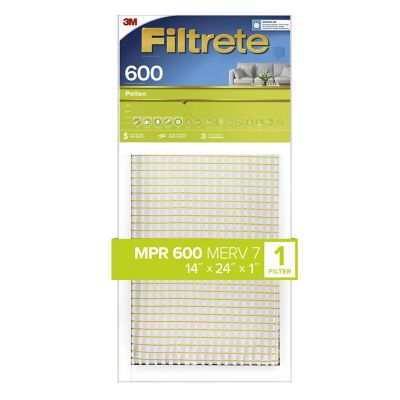
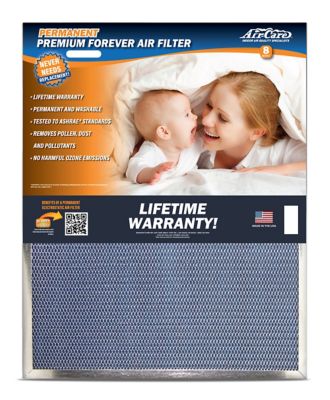
MERV 11 filters are pleated HVAC air filters that capture airborne particles such as dust, pollen, pet dander, and mold spores as air moves through a compatible furnace or central heating and cooling system. MERV stands for minimum efficiency reporting value, a rating that describes how well a filter captures particles across specific size ranges under standardized testing. A MERV 11 filter captures at least 65% of particles measuring 1 to 3 microns and at least 85% of particles measuring 3 to 10 microns in those tests. That makes this filtration level a practical consideration for homes where everyday dust and animal dander are part of the picture, whether there’s a shedding dog stretched across the couch or a gravel drive just beyond the front door. Performance in a home also depends on the filter’s fit, the equipment moving air through it, and how regularly the filter gets replaced. The rating describes particle capture, not how much air a particular system can move through the filter. MERV 11 air filters can help reduce particles circulating through the ductwork, but they don’t catch everything at once or remove dust already settled on floors, shelves, and furniture. They also aren’t a substitute for addressing moisture that allows mold to grow. Smoke contains a broad mix of particles and gases, so MERV 11 filtration should not be treated as complete smoke protection. Standard particle filters do not remove carbon monoxide, and odor control requires more than a MERV rating alone. For households with pets, busy entryways, or family members sensitive to airborne particles, these filters offer a step beyond basic dust filtration when the HVAC system supports them. They can also make sense in a home office or another occupied space served by compatible equipment. The goal is a filter that handles everyday airborne debris without asking the furnace or air handler to work outside its design limits.
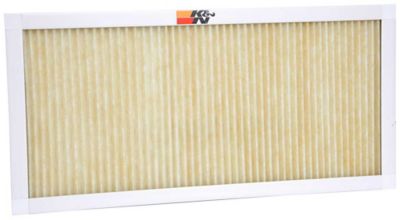
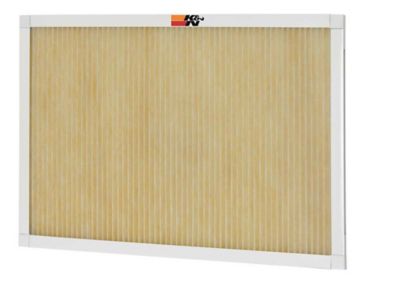
Construction and fit make a real difference when comparing MERV 11 HVAC filters. Many have synthetic or blended fiber media folded into pleats, which creates more filtering surface within the space of the frame. Depending on the design, backing material or support grids help the pleats hold their shape as air passes through. A sound frame helps the filter stay seated rather than bowing, folding, or leaving an opening along the edge. Those details matter because air taking a shortcut around the media carries particles past the filter instead of through it. Filter dimensions deserve the same attention as the MERV number. The size printed on a frame is often a nominal size, while the actual measured dimensions can be slightly smaller. Matching the required length, width, and thickness helps prevent gaps and keeps the replacement from being forced into a slot that cannot accommodate it. A deeper pleated filter is not automatically a replacement for a thinner one, even when the face dimensions look similar. Filter cabinets, return grilles, and furnace racks have their own requirements, and the equipment manual is the best reference for the intended size and acceptable filtration level. Airflow resistance also varies between filters with the same MERV rating, so the rating alone cannot tell the whole story. Media design, pleat spacing, filter depth, and the amount of collected dust all affect how easily air moves through. A larger media surface can help manage resistance, but that benefit still depends on the design and installation. For an older furnace or a system with limited airflow capacity, checking the equipment requirements helps avoid an unsuitable match. Where an airflow arrow appears on the frame, it should point in the direction air travels toward the blower. Stacking filters in one slot is not a way to improve performance; it can restrict airflow and interfere with the system’s operation. A properly seated filter with room to function as intended is a better choice than a tighter-fitting filter forced into place.
Routine care keeps MERV 11 furnace filters doing their job without letting collected debris become an airflow problem. Many pleated replacements are disposable rather than washable, so rinsing or scrubbing them can damage the media and change how they perform. The replacement interval depends on the filter’s design, the equipment schedule, operating hours, and conditions inside the building. A house with several pets, ongoing renovation work, or frequent foot traffic may load a filter faster than a lightly occupied home. Checking its condition about once a month helps establish a sensible replacement pattern, while the filter and HVAC manufacturer’s directions remain the main reference. A thicker filter may have a different service interval than a shallow one, so one replacement schedule does not suit every setup. Heavy dust buildup, damaged pleats, a bent frame, or moisture are reasons to give the filter and system attention rather than simply waiting for a date on the calendar. Unexplained dampness or repeated filter damage deserves a closer look from an HVAC professional. Spare filters keep best in a clean, dry place where the frames won’t get crushed and the media won’t collect shop dust before installation. In homes with more than one return or separate HVAC zones, each filter location may call for a different size, even when the same MERV level is appropriate. Households comparing filtration levels may also encounter
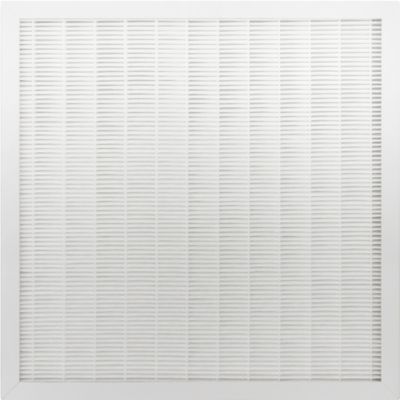
HEPA HVAC Filters, which follow a different filtration standard and should not be assumed to fit or function in an ordinary residential filter slot. MERV 11 filters are not HEPA filters, and choosing a higher filtration category requires attention to equipment compatibility rather than the label alone. Alongside regular vacuuming, pet bedding care, and control of indoor dust sources, a correctly matched MERV 11 replacement supports everyday particle filtration. The most useful choice brings together the right dimensions, suitable airflow resistance, sound construction, and a replacement routine that fits the household.