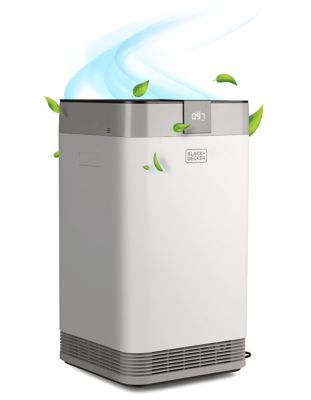
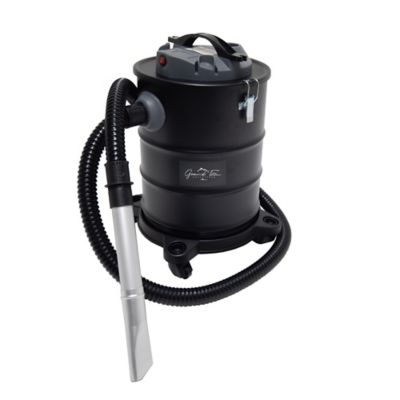
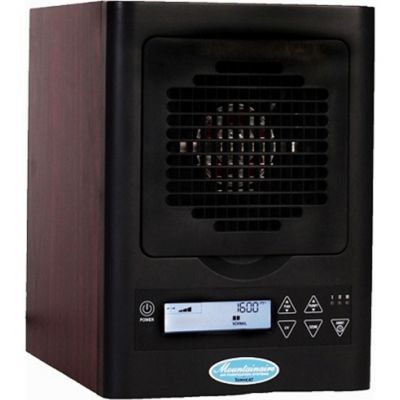
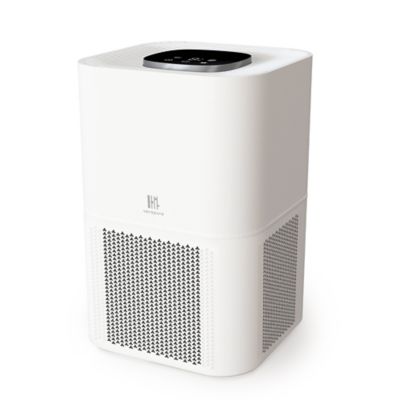
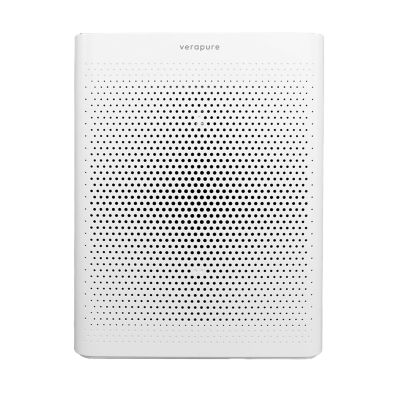
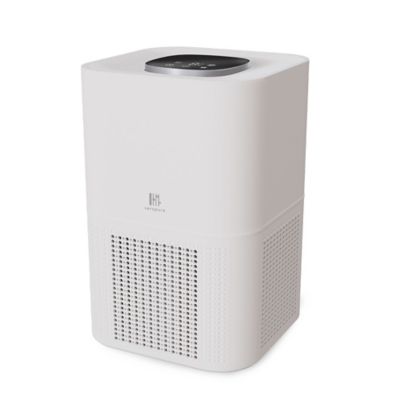
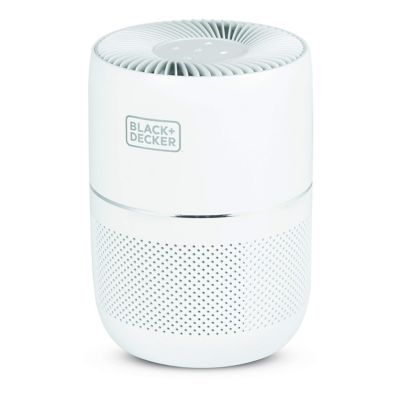
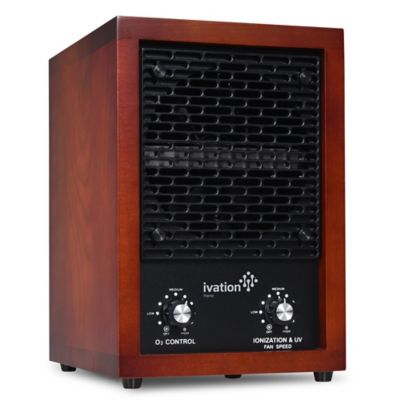
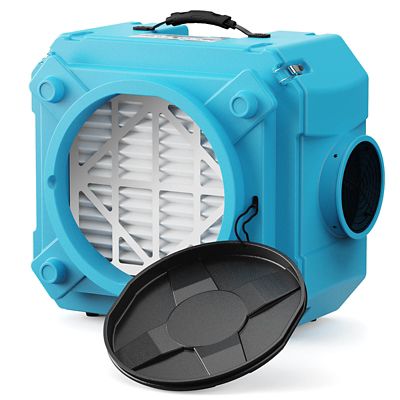
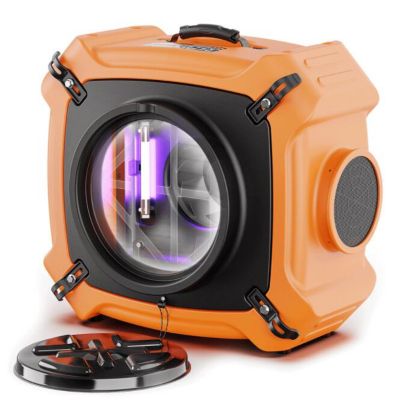
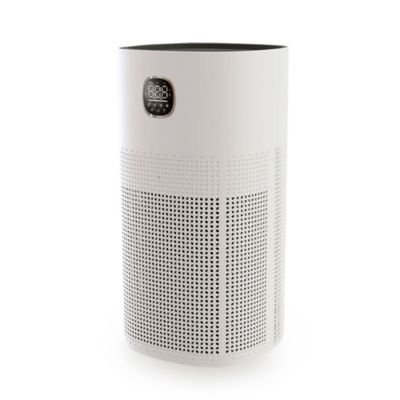
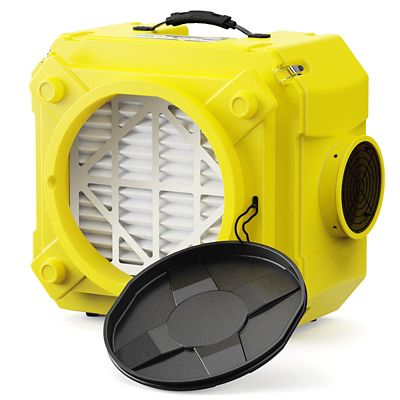
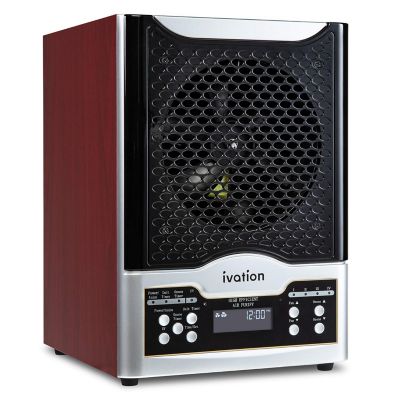
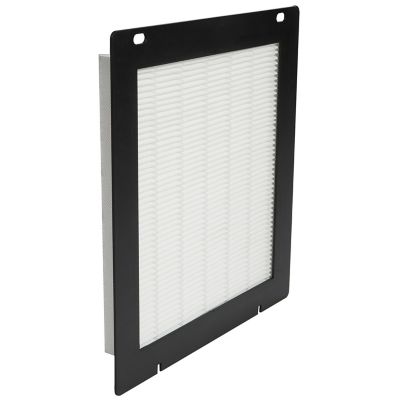
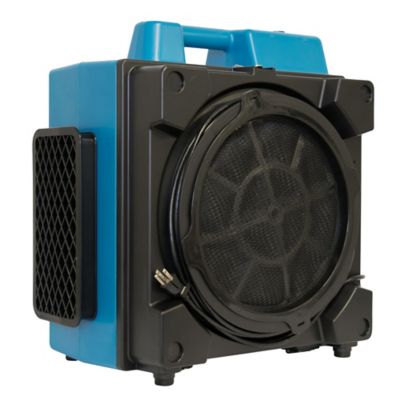
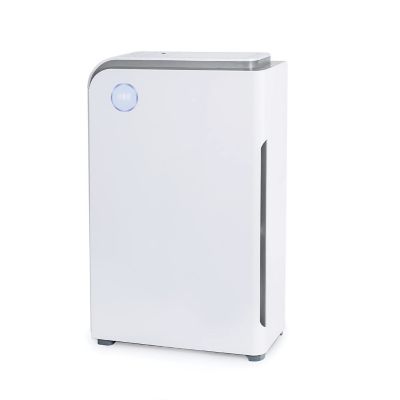
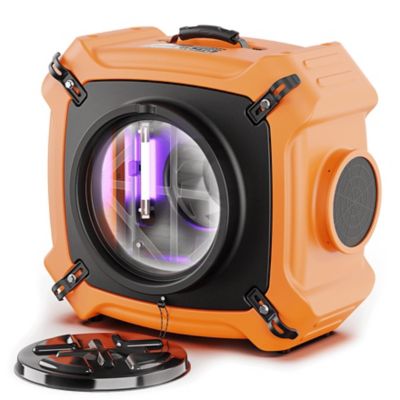
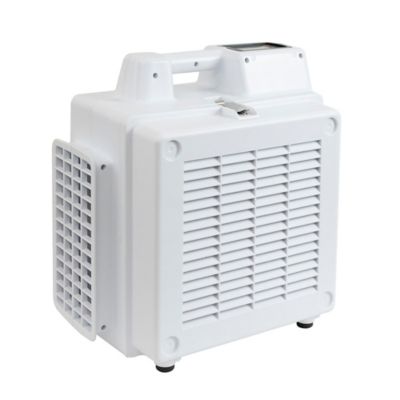
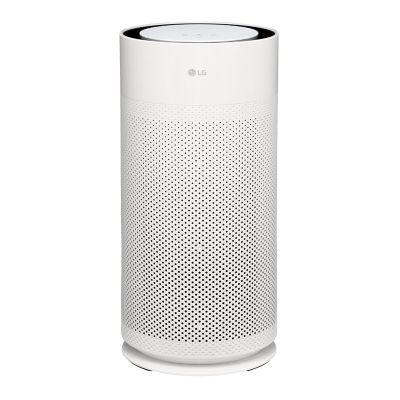
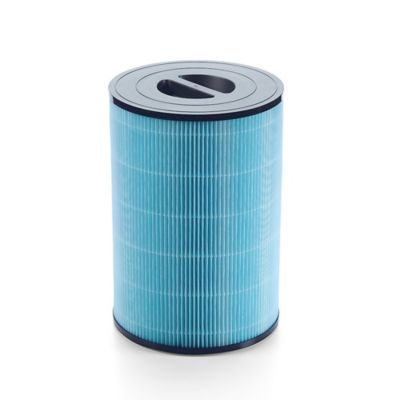
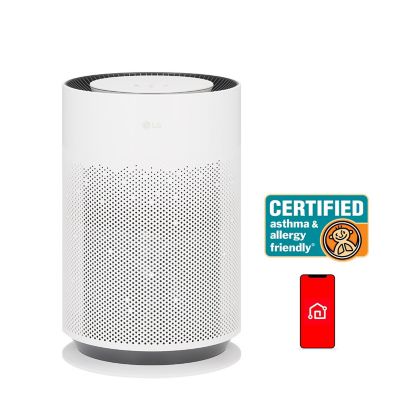
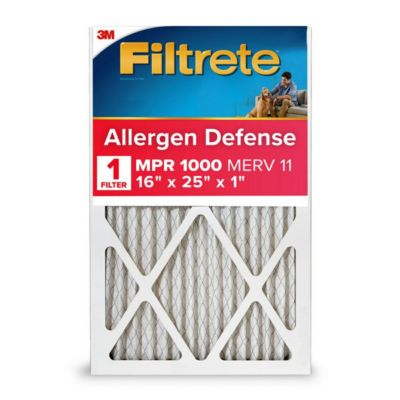
HEPA room filters and air purifiers can help manage the small airborne particles that collect in homes, shops, offices, barns, and other enclosed spaces. A true HEPA filter is designed to trap at least 99.97% of particles measuring 0.3 microns under test conditions, including much of the dust, pollen, dander, and smoke that can float through a room. That does not mean every particle disappears the moment a unit is switched on, and these machines do not replace sweeping, vacuuming, ventilation, or regular filter changes. Instead, they keep drawing room air through filter media, catching particles as the air passes through. This can be especially helpful during the cooler months, when windows stay closed and indoor air may feel stale after a woodstove has been running, muddy boots have crossed the entryway, or pets have tracked in dust from the yard. In a farmhouse bedroom, a nursery, a home office, or a sitting room near a busy shop area, a room filter can add another layer of air care without taking up much floor space. Many households also bring one into a guest room before family arrives, place one near a litter area, or run one in a basement where dust tends to settle on shelves and stored belongings. Keep in mind that a room filter addresses airborne particles; it is not a cure for allergies, asthma, mold, or other health concerns. Anyone with a medical condition should follow advice from a healthcare professional, while everyone else can treat the unit as one part of a sensible cleaning and ventilation routine.
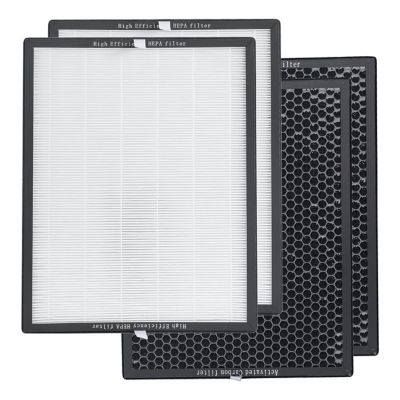
Room size is one of the first details to check before choosing a HEPA room filter. Measure the space or look up its approximate square footage, then compare that number with the coverage listed for the unit. A purifier designed for a small bedroom may struggle to move enough air through a large open living area, while a larger model may be more than needed for a compact office. Open floor plans, high ceilings, closed doors, and the placement of furniture can all affect how air moves. For a ranch house with an open kitchen and living room, think about the entire connected area rather than only the corner where the machine will sit. Airflow ratings, sometimes listed as clean air delivery information, can help show how quickly a unit moves filtered air. A higher fan setting may provide more circulation, though it can also create more sound. Check the listed decibel level if the filter will run beside a bed, crib, desk, or television. Sleep settings, dimmed displays, timers, and automatic fan controls can make a unit easier to live with through long evenings and quiet mornings. A prefilter can catch larger lint and hair before air reaches the main HEPA layer, while an activated carbon layer may help with some household odors and smoke smells. Neither feature removes every odor or gas, so read the filter details closely instead of assuming all units handle the same concerns. Place the machine where air can enter and leave freely, leaving space around vents and keeping it away from wet floors, heavy traffic, and curious children or pets. Wipe the outside as directed, check the filter indicator when available, and replace filter components according to the manufacturer’s schedule. Homes with shedding pets, renovation dust, fireplace smoke, or frequent outdoor activity may need more frequent changes than a lightly occupied room.
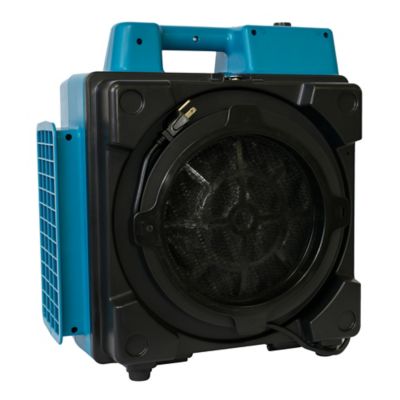
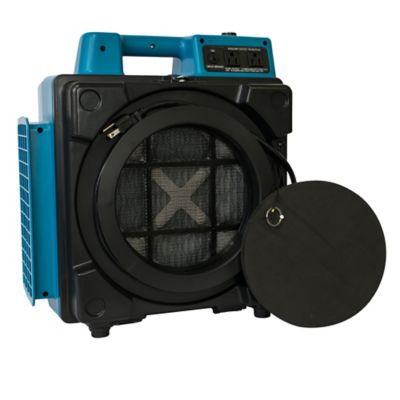
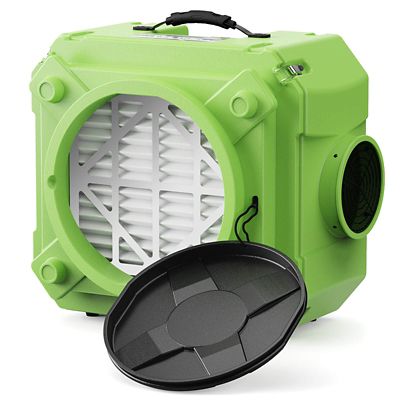
These filters can be a practical choice for people who spend a lot of time indoors, including older adults, remote workers, students, new parents, and anyone who wants to keep dust and pollen under better control. They can also make a thoughtful housewarming gift for someone moving into a first home, settling into a small apartment, or preparing a spare room for visiting family. For a rural household, one may be useful in the mudroom after a day around hay, gravel, or the garden, while another can help keep a home office more comfortable during long stretches indoors. A compact unit may fit well on a sturdy table in a bedroom or study, while a floor model can serve a larger common room. During smoky conditions, keep doors and windows closed as recommended by local officials, run the purifier according to its instructions, and replace a loaded filter once conditions return to normal. For work areas, workshops, livestock buildings, or spaces with heavier air-cleaning demands, see
Industrial Hepa Filters for another category of filtration equipment. Before placing an order, compare the room rating, filter type, replacement filter availability, fan settings, operating sound, power requirements, and control features. A unit that fits the room and matches the household routine is more likely to stay running consistently. Set it on a level surface, keep cords clear of walkways, and follow all safety instructions. With regular attention, a HEPA room filter can quietly help reduce airborne dust and other fine particles while the household carries on with ordinary life—from feeding animals at dawn to settling in for a warm evening indoors.