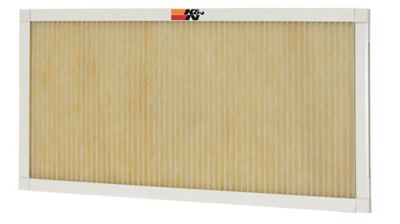
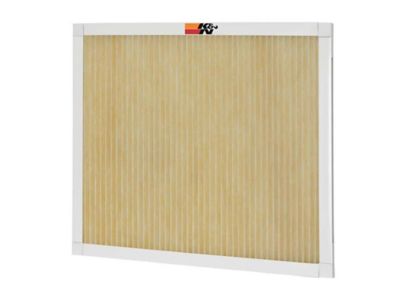
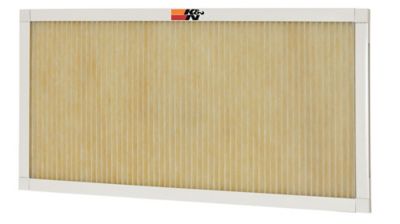
HEPA HVAC filters can help improve indoor air quality by capturing very small airborne particles that move through a home’s heating and cooling system. True HEPA media is tested to capture at least 99.97% of particles measuring 0.3 microns, including many fine dust particles, pollen, mold spores, and other airborne irritants. That level of filtration can be helpful in homes with pets, seasonal allergies, dusty farm work, wood smoke, or people who are especially sensitive to indoor air. Still, “HEPA” and “high-efficiency HVAC filter” are not always the same thing. A true HEPA filter has a very dense filter material, and that density can create more resistance than a standard residential furnace blower is designed to handle. Most regular 1-inch and 4-inch furnace filter slots are not built for a true HEPA filter to be inserted directly. Restricting airflow may make a heating or cooling system work harder, reduce comfort, raise energy use, and in serious cases contribute to blower motor or other equipment problems. For whole-home HEPA filtration, the usual approach is a dedicated bypass system installed with its own secondary fan, allowing a portion of the home’s air to pass through HEPA media without starving the main HVAC system of airflow. A qualified HVAC professional can check the ductwork, blower capacity, static pressure, and available installation space before recommending that type of setup.
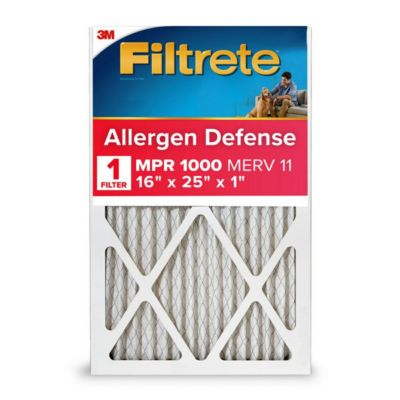
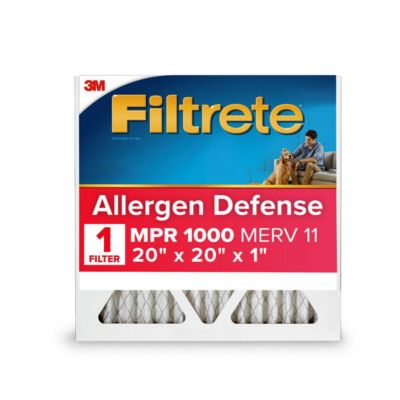
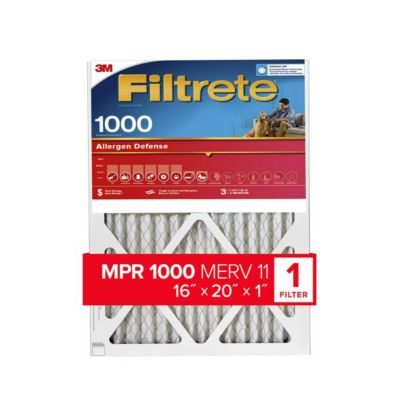
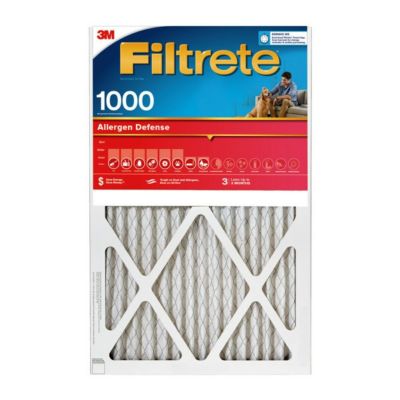
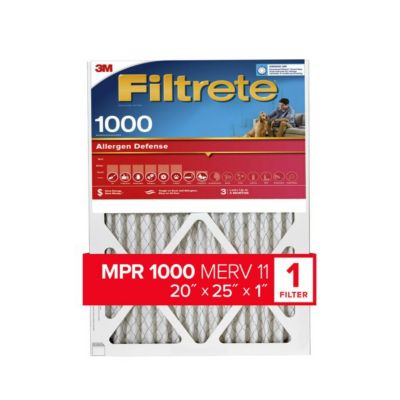
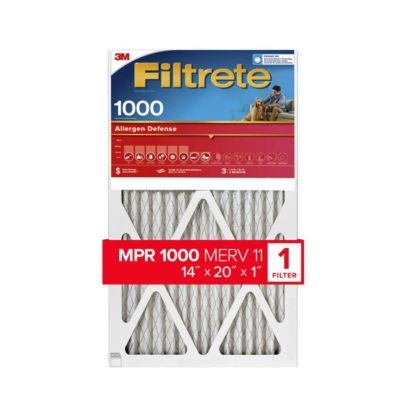
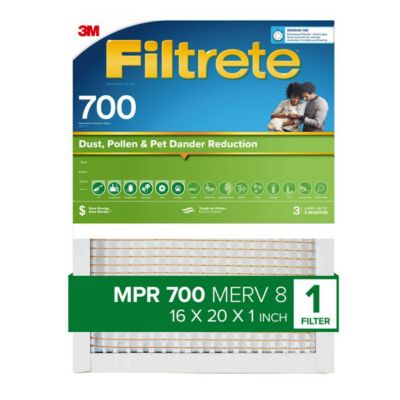
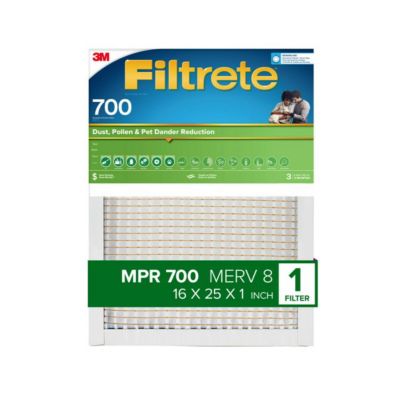
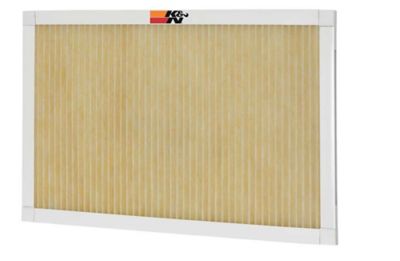
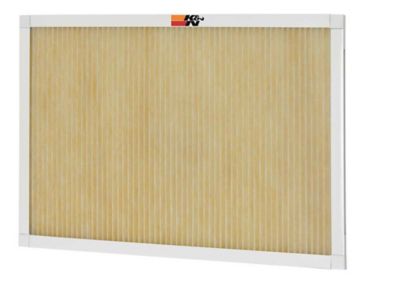
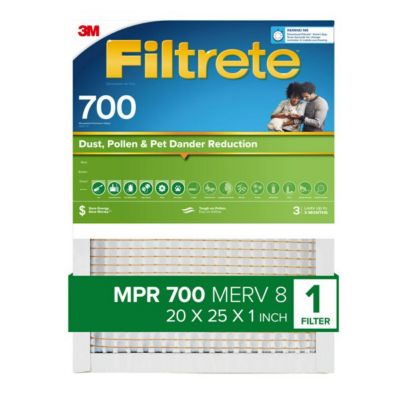
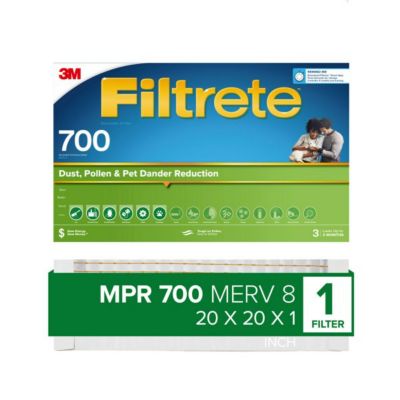
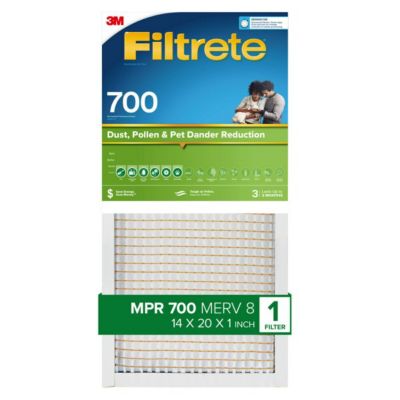
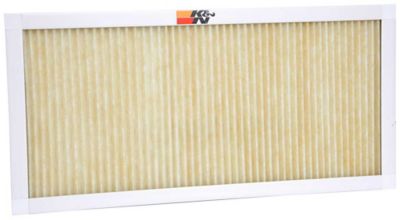
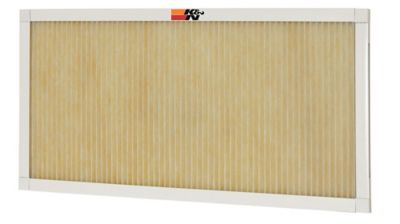
For many homes, a high-quality pleated filter with a MERV rating in the 11 to 13 range may be a more practical choice for the existing HVAC system. These filters can capture a broad range of household particles while fitting common furnace and air-handler cabinets, but the right rating depends on the equipment. A newer, well-sized system may handle a higher-MERV filter, while an older unit or a system with undersized ductwork may need a less restrictive option. Always compare the filter rating with the furnace or air conditioner owner’s manual, and ask an HVAC technician when the system’s capacity is unclear. Before ordering, measure the filter slot or check the size printed on the current filter; nominal sizes can differ slightly from the actual dimensions, and a filter that is too loose can let unfiltered air slip around the edges. Look for sturdy pleats, a firm frame, and an airflow arrow that can be installed in the correct direction. Replacement timing depends on the filter thickness, household size, pets, remodeling, and how much dust enters the home. A crowded house with dogs, cats, livestock clothing, or a gravel driveway may load a filter much faster than a quiet home with little indoor activity. Check the filter regularly, especially as the weather warms and again during the cooler months when windows stay closed and the HVAC system runs more often. A gray, visibly loaded filter or reduced airflow at the registers is a good reason to inspect it, though waiting until it looks dirty is not always ideal. Keep a few correctly sized replacements on hand so a routine change does not turn into a trip across town.
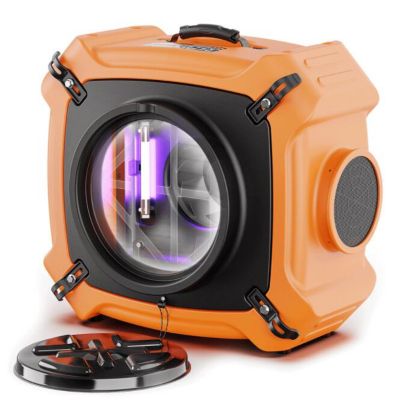
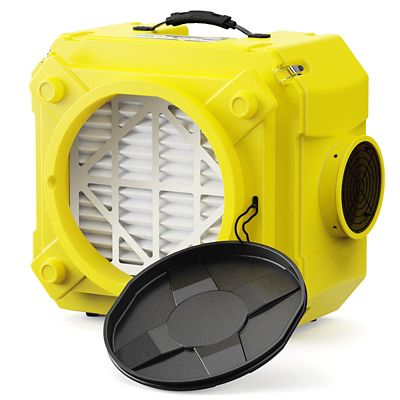
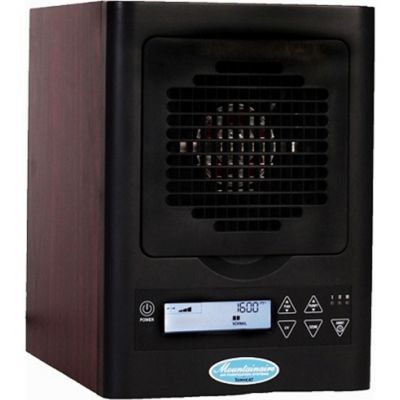
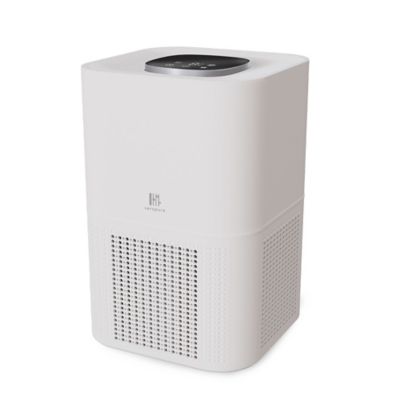
HEPA HVAC filters and related air-cleaning options can serve homeowners, renters with compatible equipment, workshops connected to living areas, and families looking for added particle control in bedrooms or other heavily used rooms. A portable true-HEPA air purifier can be a useful choice when a central HVAC system cannot safely accept dense HEPA media, or when the goal is to focus filtration where people sleep, work, or spend the most time. Browse
Hepa Room Filters for room-by-room options that do not depend on the home’s furnace filter slot. Portable units should be sized for the room, placed where air can move freely, and maintained with clean filters according to the manufacturer’s instructions. They can reduce airborne particles in a target space, but they do not replace source control, ventilation, or regular HVAC maintenance. For example, keeping dusty boots near the entry instead of in a bedroom, brushing pets outdoors when practical, using exhaust fans during cooking, and changing furnace filters on schedule can all support cleaner indoor air. HEPA media is designed for particles, not every indoor odor or gas; persistent smells may call for ventilation or a separate activated-carbon stage. A filter can also be a thoughtful housewarming gift for someone moving into an older home, welcoming a new pet, or preparing a guest room, but the recipient will need the correct size and a compatible system. When in doubt, write down the existing filter dimensions, MERV recommendation, HVAC model, and any concerns about airflow before shopping. Matching the filter to the equipment is the best way to get dependable filtration without putting unnecessary strain on the system that keeps the house comfortable.