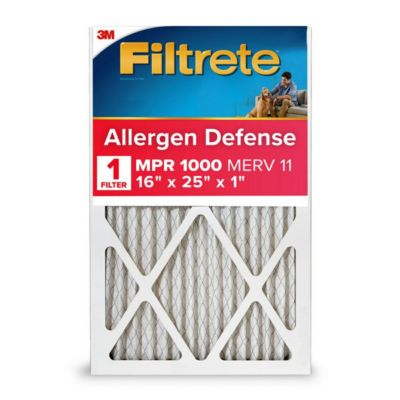
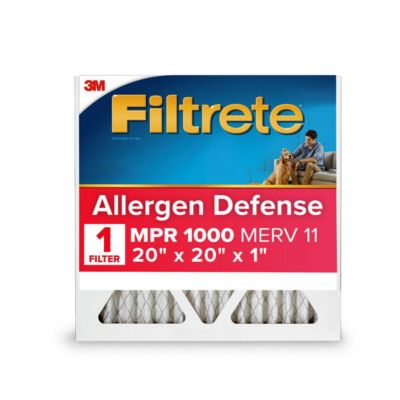
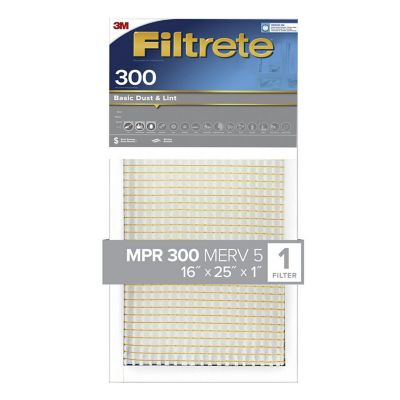
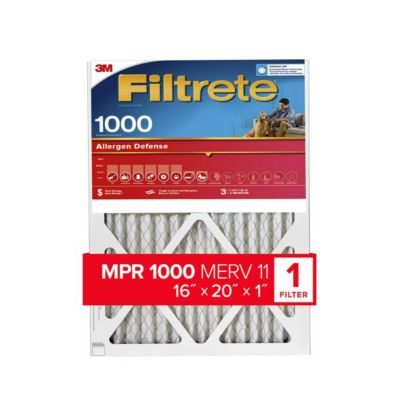
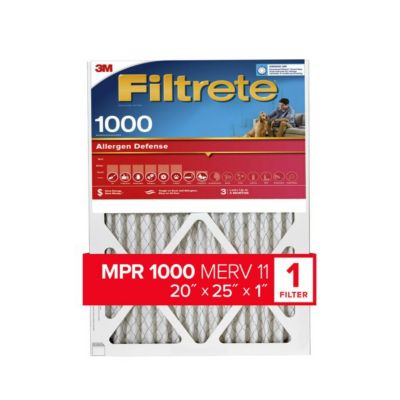
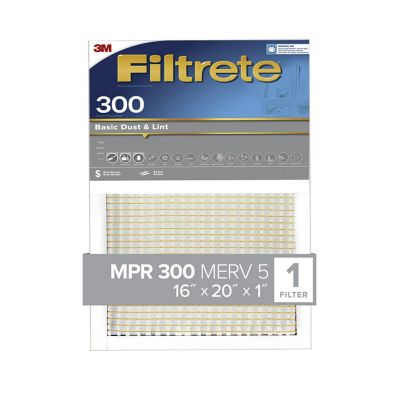
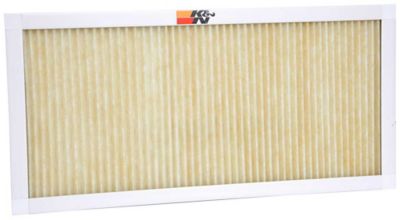
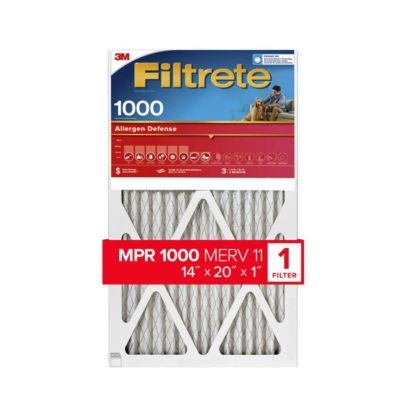
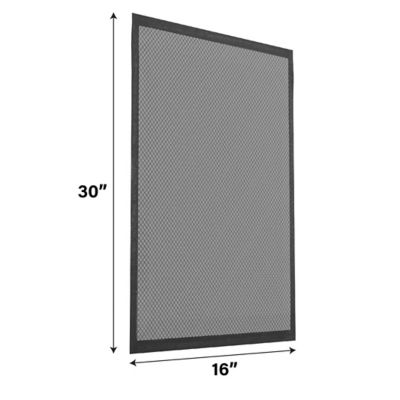
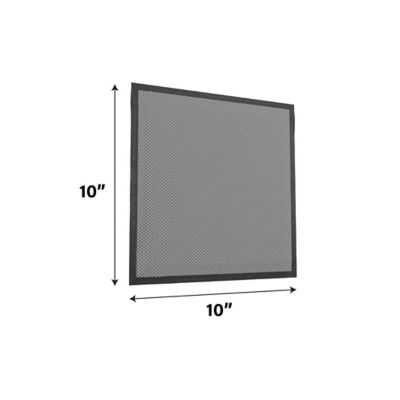
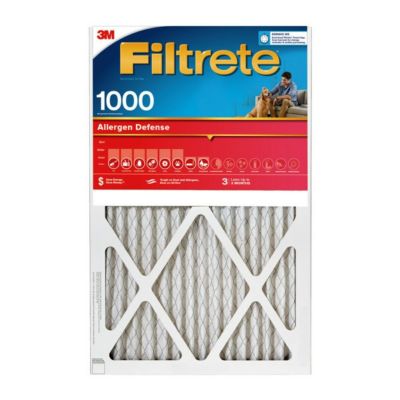
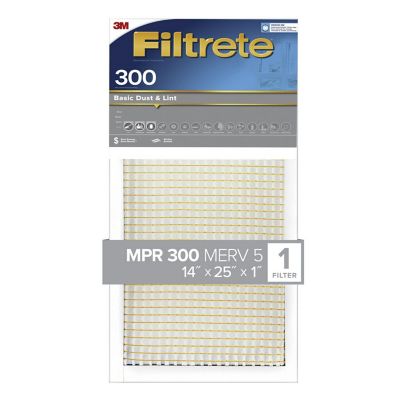
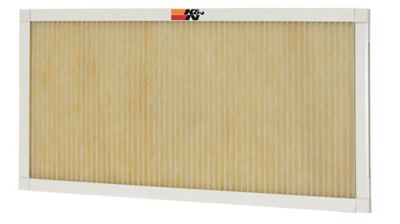
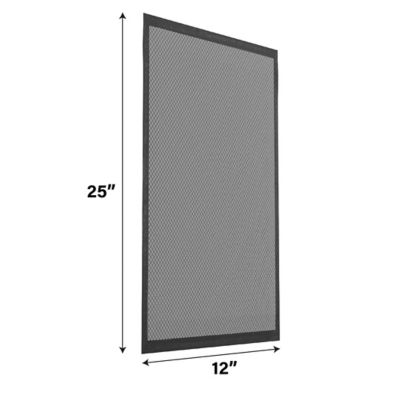
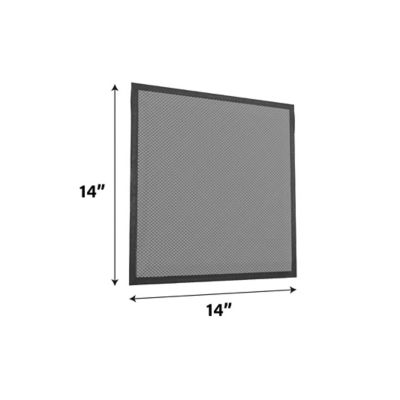
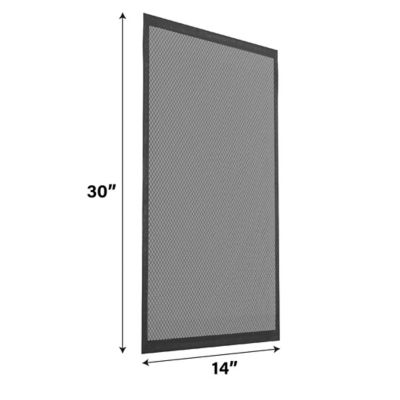
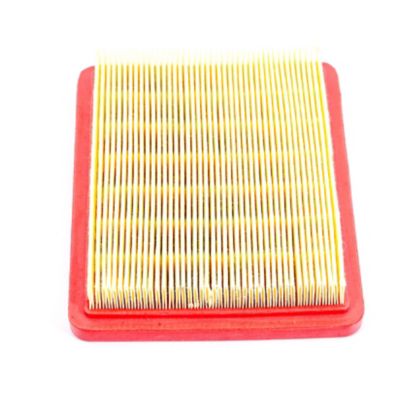
Furnace filters catch airborne particles as air moves through a forced-air heating and cooling system, helping protect internal equipment from dust buildup while reducing some of the particles that recirculate through the house. In a home where boots come through the mudroom and pets settle into the living room rug, everyday activity gives dust plenty of chances to get moving. A filter works on particles that reach the return airflow, rather than collecting everything that settles on floors, furniture, or shelves. Depending on the filter’s construction and efficiency rating, that can include dust, pollen, lint, and pet dander. Furnace air filters serve homeowners, renters responsible for filter changes, and property caretakers keeping up with routine maintenance. They belong in the filter location specified for the system, which may be at the furnace, inside an air handler, or behind a return-air grille. Many central heating and cooling systems share the same filter, so the furnace filter name does not necessarily mean the filter serves heating alone. Common constructions include flat fiberglass media and pleated synthetic media, with frames that may be made from paperboard or other supporting materials. Basic fiberglass filters generally capture larger airborne debris, while pleated filters provide additional media surface area and can capture smaller particles according to their rating. The folds create more filtering area within the face dimensions of the filter, although performance still depends on the media, depth, airflow, and equipment design. Some systems accept washable filters, while others call for disposable replacements or deeper media filters that fit a dedicated cabinet. These styles are not automatically interchangeable. For households keeping track of several filtration needs,
Home Filters provides a broader place to explore home filtration categories. Within the furnace filter category, the main considerations remain straightforward: the right dimensions, an efficiency level the equipment supports, and construction suited to the household’s normal dust and particle load.
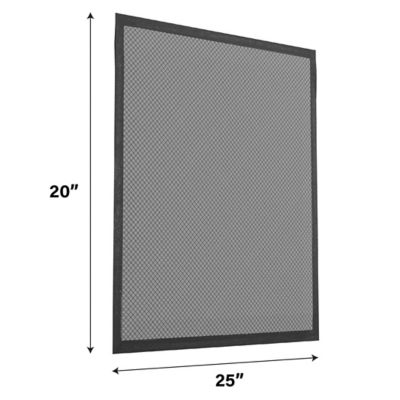
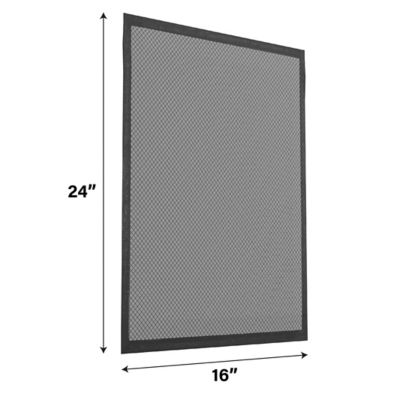
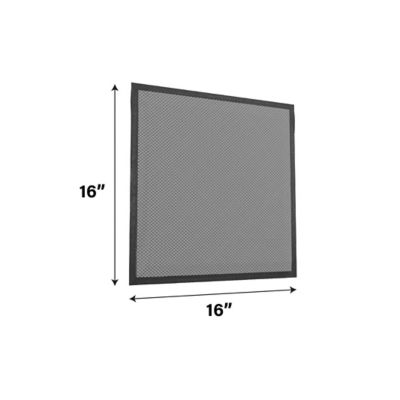
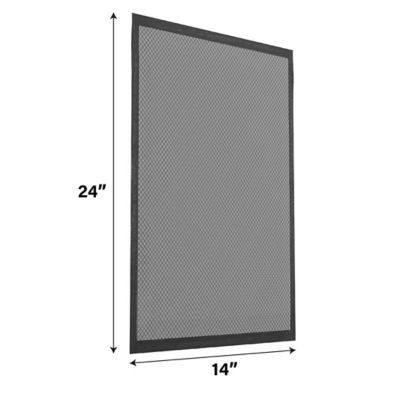
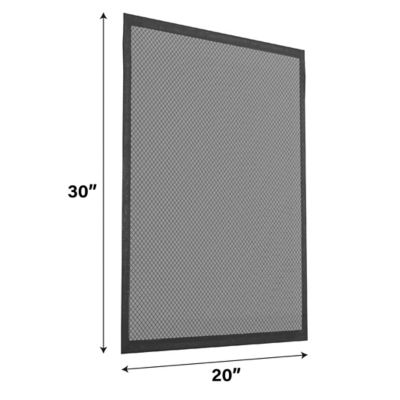
Fit starts with the filter’s length, width, and thickness, but the large numbers printed on a frame are often nominal dimensions rather than its exact measurements. A nominal size is a rounded label, and the actual dimensions can be slightly smaller to allow the filter to slide into its intended opening. Matching both sets of dimensions matters, especially when a filter seems close to the right size but leaves a gap or will not seat fully. The equipment manual, filter cabinet label, and dimensions of a properly fitting existing filter help establish what belongs in the slot. A filter should sit securely without bending, crushing its frame, or leaving open space where air can bypass the media. Thickness matters just as much as face size; a deeper filter requires a cabinet designed to hold it. Stacking thinner filters together is not a substitute for the specified depth and can interfere with airflow. Beyond fit, the minimum efficiency reporting value, or MERV rating, describes a filter’s ability to capture particles across tested size ranges. MERV 8 through 13 is a common range for residential filtration, but the appropriate rating depends on the heating and cooling system’s requirements. Higher MERV ratings generally indicate better capture of smaller particles, not automatic suitability for every furnace. A higher-efficiency filter may create more airflow resistance than a system can accommodate, particularly as debris accumulates, so the equipment manufacturer’s recommendations take priority over choosing the largest number on the label. Media design and filter surface area also influence resistance, which means MERV alone does not tell the whole story. For a house with shedding pets or occupants sensitive to airborne allergens, a compatible higher-efficiency filter may help reduce certain circulating particles. It is not a substitute for cleaning, source control, or medical advice. Standard particle filters also do not remove every odor or gas; filters with carbon-containing media may address some odors, but their effectiveness depends on the media and the substances involved.
Routine care helps a properly matched furnace filter do its job without becoming an unnecessary obstacle to airflow. Many disposable 1-inch filters have replacement recommendations ranging from about 30 to 90 days, but that is a general reference rather than a promise of service life. The filter manufacturer’s directions and the equipment manual should set the starting schedule. Homes with several pets, frequent open-door traffic, or dust-producing projects may need more frequent checks and replacements. A farmhouse near an unpaved lane can have a different particle load from a lightly occupied house, even when both take the same filter size. Deeper media filters may have longer recommended service intervals, but their replacement timing still depends on the specific filter and operating conditions. A regular visual check can reveal heavy buildup, damaged pleats, or a frame that no longer holds its shape, though appearance alone cannot establish how much airflow resistance a filter creates. Disposable media should be replaced rather than washed or vacuumed unless the manufacturer explicitly permits that treatment. Washable filters need cleaning according to their directions and must dry fully before going back into the system. For installation, the airflow arrow on the frame points in the direction air travels, generally toward the furnace or air handler and away from the return duct. At a return grille, that usually means the arrow points into the duct. Switching the system off before a filter change helps keep loose debris from being pulled through while the opening is uncovered. A sound frame, supported media, and a snug fit all help the filter remain seated through normal operation; torn material or a collapsed frame calls for replacement and may warrant checking for an underlying airflow problem. Keeping the size and rating written near the filter access panel makes repeat maintenance simpler for anyone handling the chore. The right furnace filter brings those everyday details together: a fit that seals as intended, particle capture appropriate for the household, and airflow that stays within the equipment’s requirements.