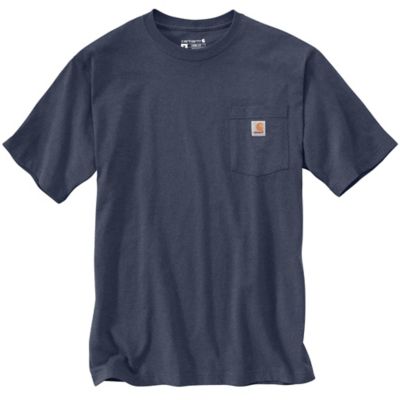
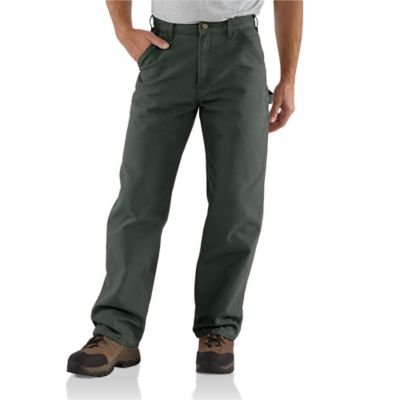
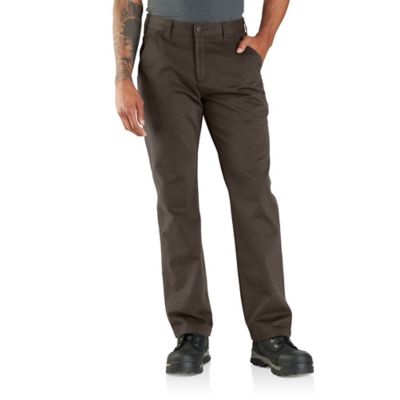
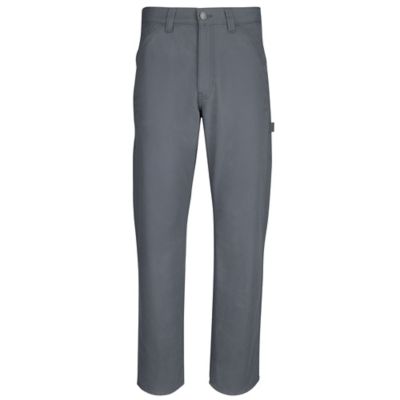
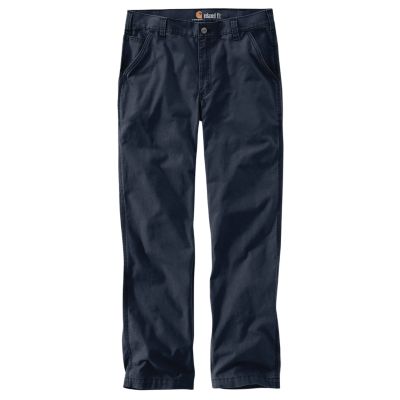
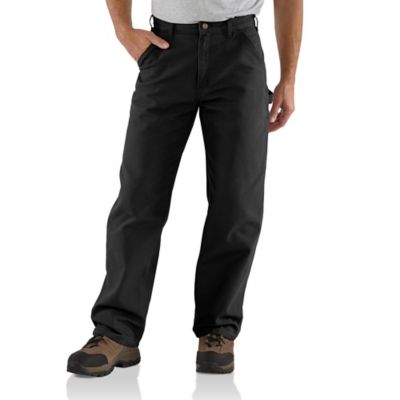
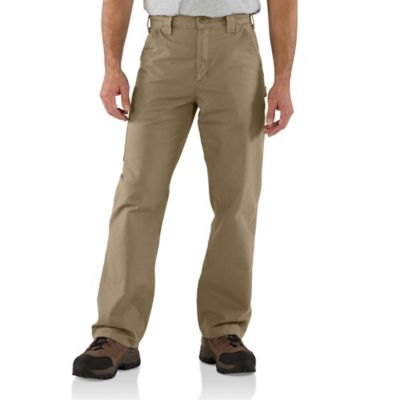
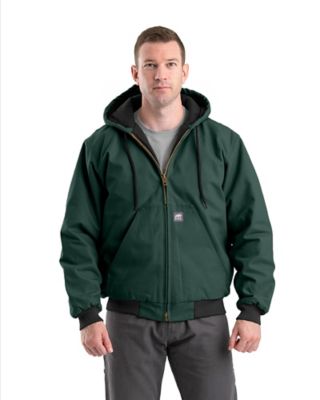
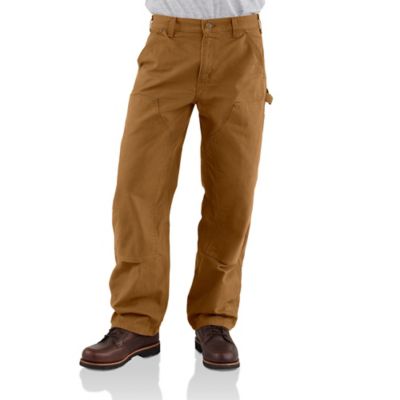
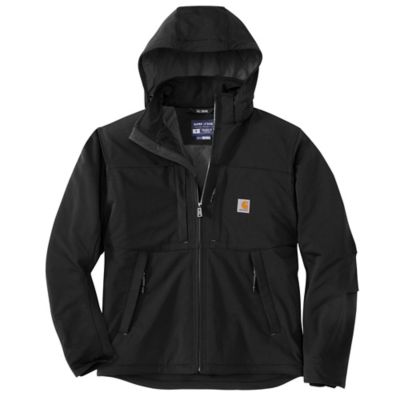
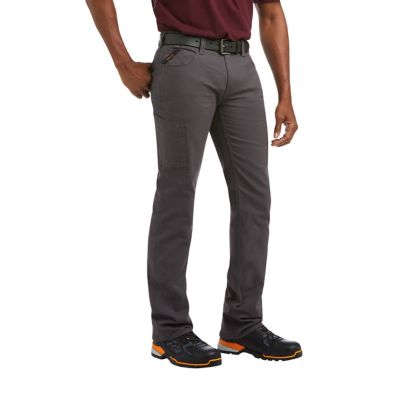
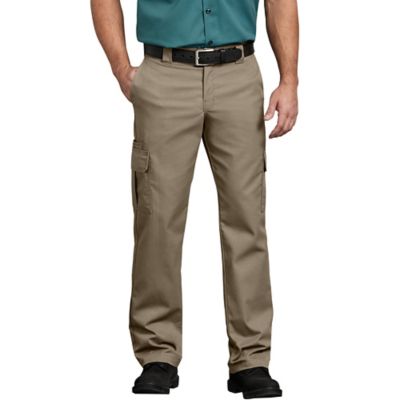
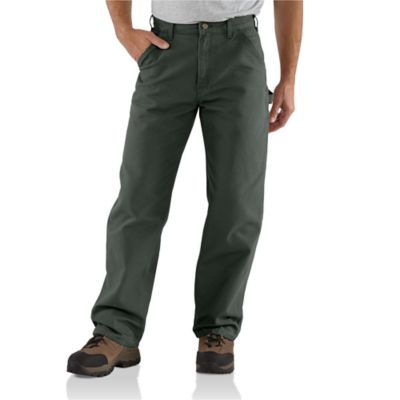
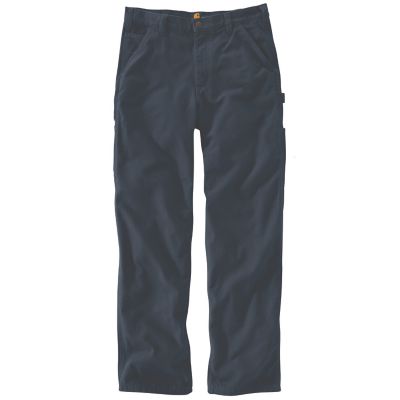
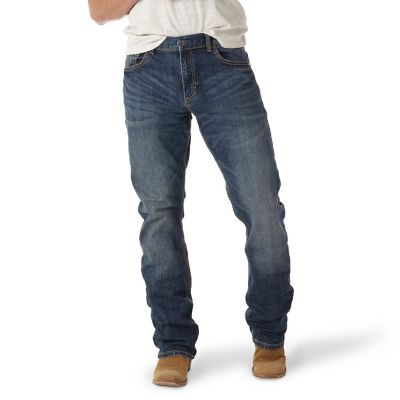
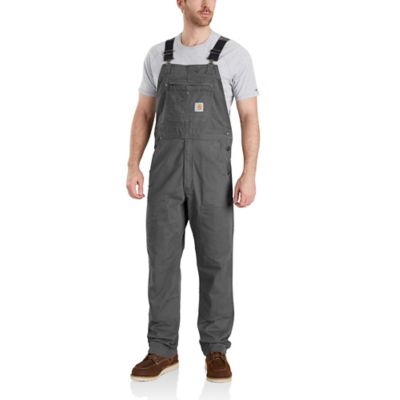
Men’s workwear earns its place through feed runs, fence repairs, shop projects, and the steady work that keeps a place running. The right clothes leave room to handle a shovel, climb into a pickup, or spend an afternoon at the workbench without a waistband digging in or a shirt pulling across the shoulders. Work pants, shirts, bib overalls, and coveralls each bring something different to that routine, from extra coverage around equipment to pockets that keep a pencil or small tool close. Fabric makes a big difference in how those clothes feel and hold up. Cotton duck has a tightly woven construction that suits work involving frequent contact with rough surfaces, while denim offers a familiar feel for chores that move between the barn, shop, and town. Twill can provide a smoother finish without looking out of place on a jobsite. Cotton-rich fabrics often appeal to men who prefer a softer feel against the skin, while blends can offer benefits such as shape retention, stretch, or faster drying after washing, depending on their construction. A little stretch can make crouching beside a trailer hitch easier, though fabric weight, weave, and reinforcement still matter when the work involves plenty of scraping and kneeling. Heavier material is not automatically the best match for every task; a full day of walking and reaching calls for a different balance than work spent brushing against lumber or handling fencing. Reinforced knees, sturdy pocket openings, and well-finished seams are useful details where clothing tends to take the most punishment. Those details matter to ranchers, tradesmen, mechanics, equipment operators, and anyone whose day rarely stays behind a desk. Men’s workwear also fits the fellow who tackles repairs after his regular shift and needs clothing that can make the switch without much fuss. The common thread is practical clothing built around real movement, repeated wear, and the kind of mess that comes with getting something done.
Fit matters just as much as fabric, especially when a workday includes bending, lifting, driving, and getting down close to the job. A relaxed cut can provide room through the seat and thighs, while a straighter shape may feel less loose around the legs. Neither should interfere with safe movement around equipment. Pants need enough room to kneel without binding, but excess length can drag underfoot, and loose fabric can pose a snagging concern around moving machinery. The rise and waistband shape affect comfort when sitting in a tractor seat or leaning over a project, while a gusseted crotch or shaped knees can give the fabric more room to move. Shirt fit deserves the same attention: reaching forward should not pull hard across the back, and sleeves should allow a full range of motion without getting in the way. Longer shirt tails can help keep coverage in place when bending, while an untucked cut offers a different feel for tasks where loose hems are appropriate. Bib overalls spread support across the shoulders and provide coverage through the front; coveralls extend that coverage to help keep dirt and grime off the clothes underneath. Both need enough space for the clothing worn beneath them without leaving excess fabric around tools or equipment. Pocket placement is another small detail that becomes a big deal over a long day. A phone pocket that stays accessible while seated, a secure chest pocket, or reinforced openings for frequently carried tools can make the workday go a little smoother. Closures should be easy to manage, and belt loops should suit the belt normally worn on the job. Some workplaces also require flame-resistant clothing, high-visibility garments, or other specified protection. Those requirements depend on the task and workplace, so garment labels and employer rules matter more than appearance alone. Everyday workwear should never be assumed to provide specialized protection simply because the fabric feels substantial. The best match starts with what the job demands and how the wearer actually moves through it.
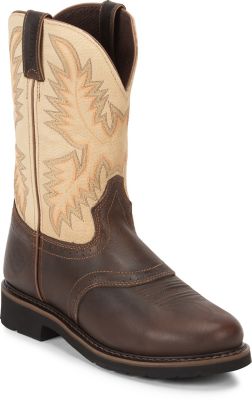
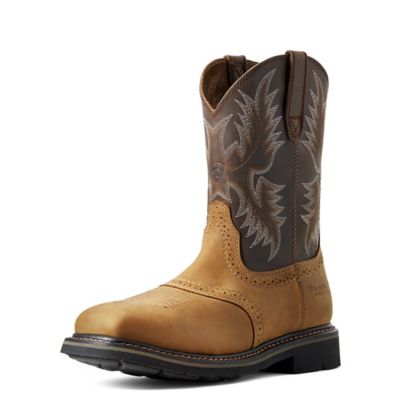
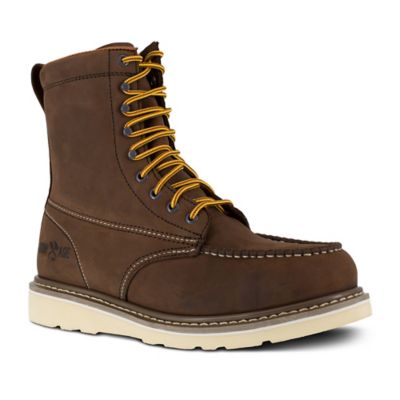
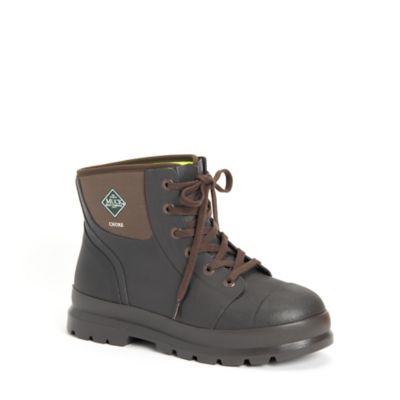
Care is part of keeping men’s workwear ready for the next round of chores. Fabric content, finishes, and protective ratings can all affect laundering requirements, so the care label deserves attention before a garment goes into the wash. Ground-in soil, grease, and residue call for different treatment, and a cleaning method that suits ordinary cotton may not suit a garment with a specialized finish. Following the labeled wash and drying directions helps preserve fit and function, particularly with stretch fabrics or clothing that carries a safety rating. Emptying pockets, fastening closures as directed, and checking for a loose seam or worn knee can also keep a small problem from becoming a bigger interruption. Shrinkage is worth considering when comparing sizes, especially if the preferred fit leaves little extra room through the waist, shoulders, or legs. A garment that feels right standing still should also work while seated, reaching overhead, and crouching. Footwear belongs in that fit picture, too. Pants should fall comfortably over the boots normally worn for work without bunching heavily or catching beneath the heel. Pairing men’s workwear with
Workwear Boots helps bring the outfit together, with attention to the footing, support, and job requirements involved. For gift giving, familiar clothing sizes are a starting point, but preferred cuts, pocket layouts, and daily tasks often tell more of the story. A man who spends hours repairing equipment may favor a different setup than someone walking fence lines or handling deliveries. Noticing whether he reaches for bib overalls, straight-leg pants, or button-front shirts helps narrow the choice without guessing at his routine. Practical work clothing makes sense for a birthday, Father’s Day, or a thank-you for someone who is always willing to lend a hand. Whether it is heading to a paid job or taking care of home ground, workwear should feel like part of the routine: comfortable enough to move in, straightforward to care for, and suited to the work ahead.