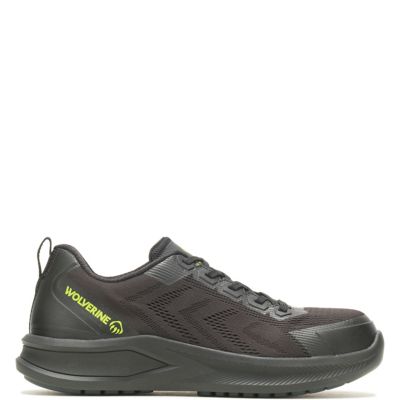
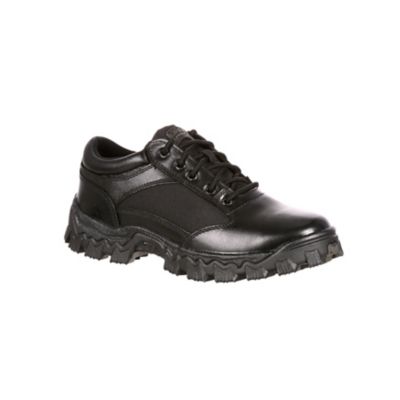
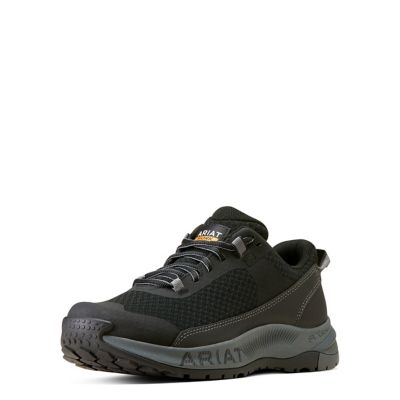
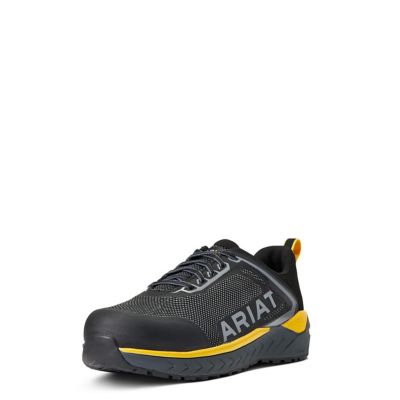
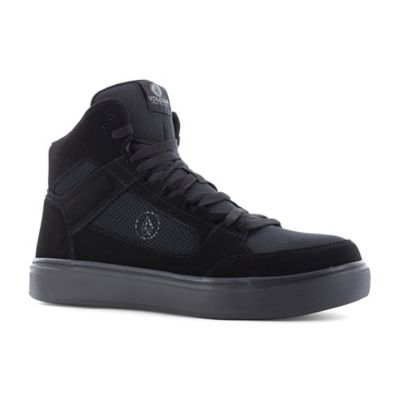
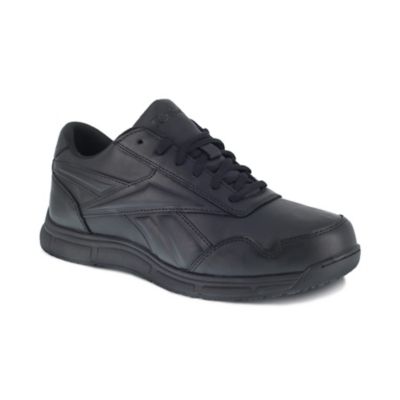
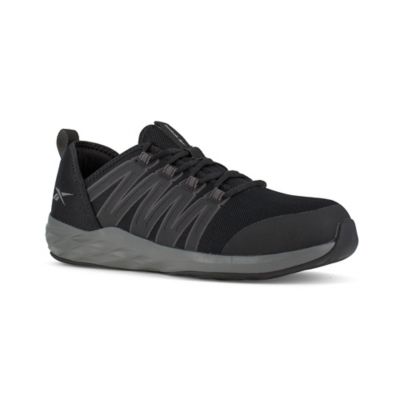
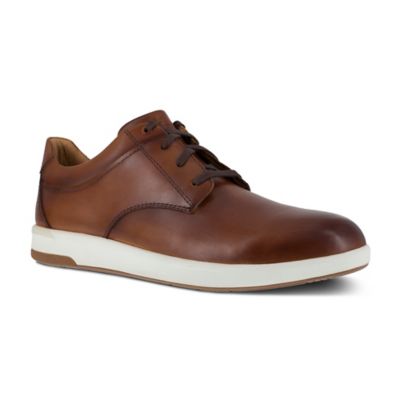
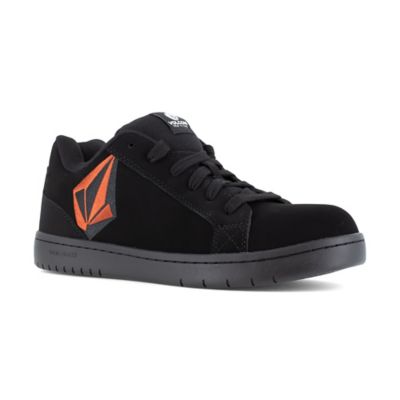
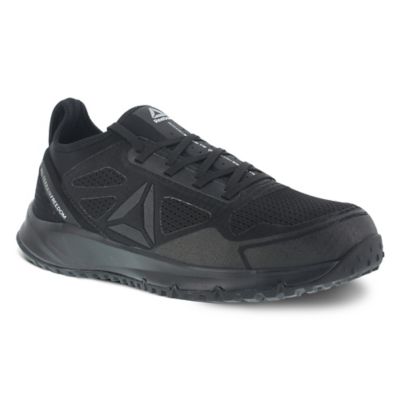
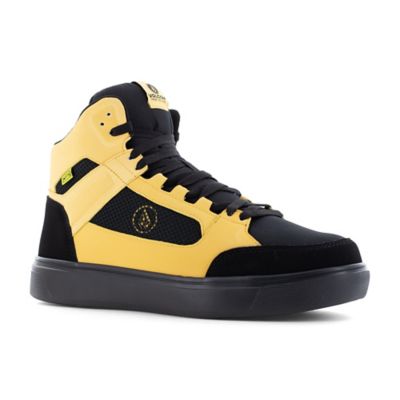
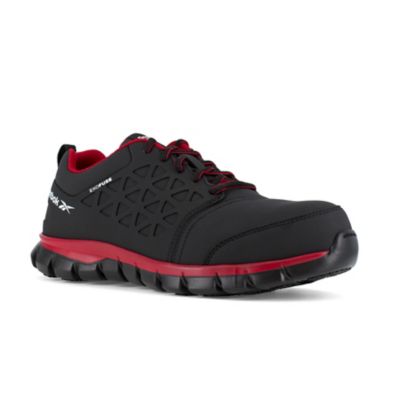
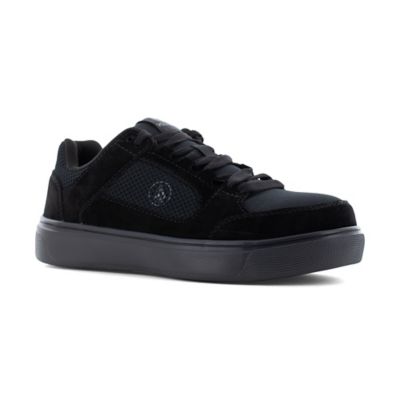
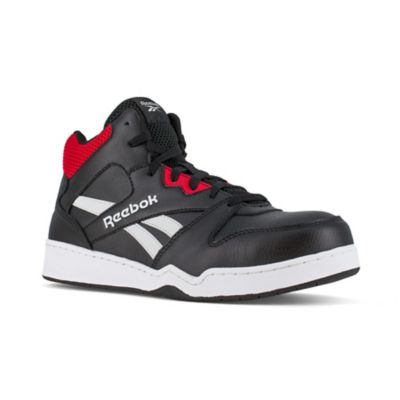
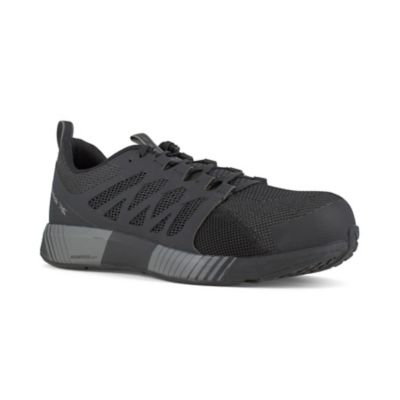
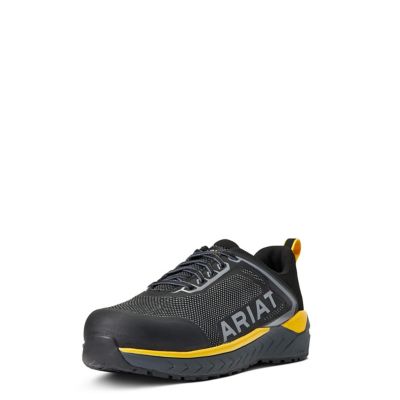
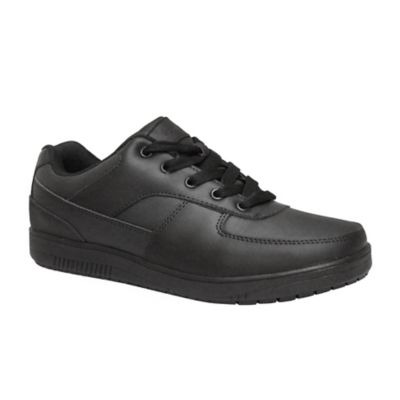
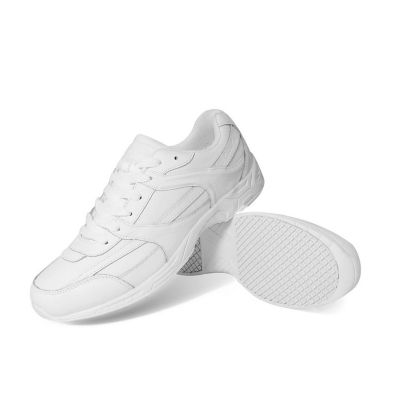
Men's work shoes have a job to do long before the last load comes off the truck or the shop lights go out. They need to feel right underfoot while you walk concrete aisles, stand at a workbench, move feed bags or head between the office and the equipment shed. Compared with taller work boots, low-cut work shoes leave more room around the ankle and often suit jobs that involve steady walking, frequent bending and plenty of time on hard floors. The right construction depends on what the work actually calls for. Leather uppers bring a substantial feel and can stand up well to everyday scuffs when cared for properly, while textile panels and mesh linings allow airflow during active work. Synthetic uppers offer another option, with care requirements that vary by material. Underneath, the outsole matters just as much as the upper. Tread shape, rubber compounds and contact with the floor all play a part in traction, whether the day involves a warehouse aisle, a service counter or a concrete shop floor. Slip-resistant footwear can help with footing, but no sole eliminates the risk of slipping on oil, water or loose debris. A defined heel may matter for certain tasks, while a flatter sole can feel more natural for steady walking; workplace requirements should settle that choice. Safety-toe work shoes belong in the conversation wherever falling or rolling objects create a hazard, and the toe protection needs to match the job's required rating. A reinforced-looking toe is not the same thing as a tested safety toe. Electrical-hazard protection and static-dissipative construction also serve different purposes, so those markings deserve a close look rather than an assumption. For farmhands, maintenance crews, mechanics and folks who spend a full shift on their feet, men's work footwear works best when its features line up with the ground, equipment and responsibilities in front of them. A low-cut shoe is not a substitute for taller footwear when a task calls for added coverage.
Comfort starts with fit, not with how soft a shoe feels for the first few steps. Men's work shoes should hold the heel securely without rubbing, leave room for the toes to move and feel steady through the middle of the foot. The ball of the foot should sit where the shoe naturally bends, rather than behind or ahead of that flex point. A safety-toe cap needs enough clearance above and around the toes because that protective structure will not stretch to make extra room. Length alone does not tell the whole story: width, instep height and heel shape can make two pairs in the same marked size feel quite different. Trying footwear with the socks you normally wear on the job gives a better sense of the working fit, especially if those socks have cushioning through the heel and forefoot. Feet can spread and swell over a long day, so a fit check later in the day often tells more than a quick try-on first thing in the morning. There should be no need to curl your toes, lace painfully tight or count on a long break-in period to fix a pinching spot. A few steps across the floor, a careful squat and a bend at the forefoot can reveal pressure that does not show up while standing still. Inside the shoe, cushioning and support have separate jobs. Cushioning softens contact underfoot, while the footbed and midsole help shape the overall feel and stability of each step. Extra softness is not always the answer for someone moving loads or standing at a bench; a stable platform may feel better over the full shift. Removable footbeds can make room for suitable replacement inserts, provided the change does not crowd the toes or lift the heel out of position. Lace-up closures offer room to adjust tension across the foot, while slip-on work shoes depend more heavily on a close match through the instep and heel. Neither style should require gripping with the toes to keep the shoe in place.
Construction and everyday care help determine how work shoes hold up after the first few weeks. A sturdy upper, secure stitching and a well-bonded sole all matter, but the wear pattern often tells the clearest story. Repeated kneeling can scrape the toe, stepping against rough edges can chew at the sides, and long stretches on concrete gradually wear down the tread. Toe overlays and reinforced high-wear areas can take some of that contact, though they do not replace required protective features. After a shift, brush away dry dirt and clear packed material from the tread so the sole can make proper contact with the floor. Wipe leather with a damp cloth when the care label allows it, and follow the maker's directions for cleaners and conditioners; too much product can change the finish or leave buildup around seams. Textile and synthetic materials may need a different cleaning approach, and machine washing is not suitable for every pair. If the inside becomes damp from perspiration or a workplace splash, remove the footbeds when permitted and let the shoes air-dry away from direct heat. Rotating between pairs can give the lining and footbed more time to dry between shifts. Regular checks for smooth tread, separating soles, torn uppers or damaged protective components help flag footwear that no longer belongs on the job. Appearance has a place, too, especially for someone who moves from the shop floor to a service desk or spends part of the day meeting clients. For workdays that call for a sharper finish,
men's work dress shoes bring a more polished look into the mix, with any required safety features still worth checking. Whether the day centers on repairs, receiving deliveries or keeping a small operation running, a sensible pair balances the task's protection needs with a fit that feels right from the first round of chores to closing time.