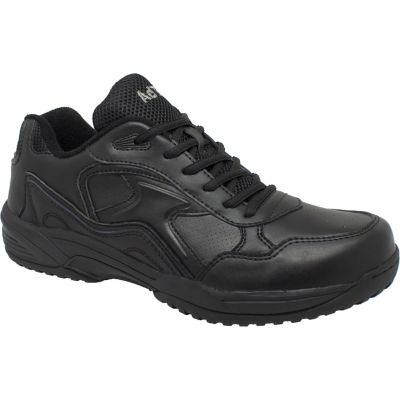
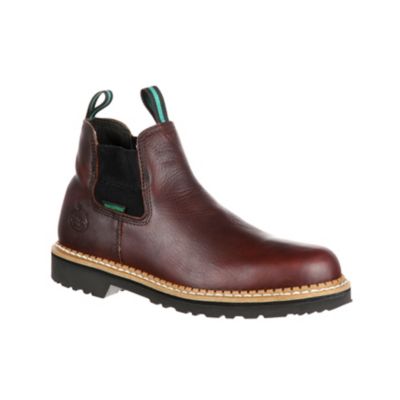
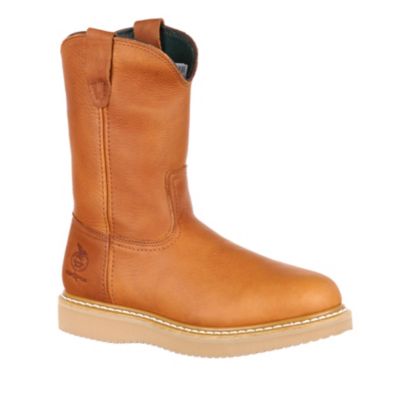
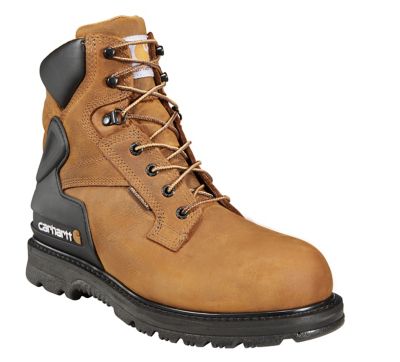
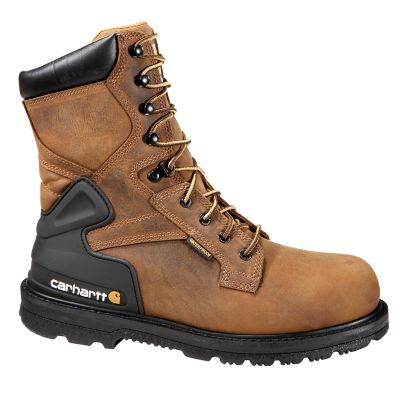
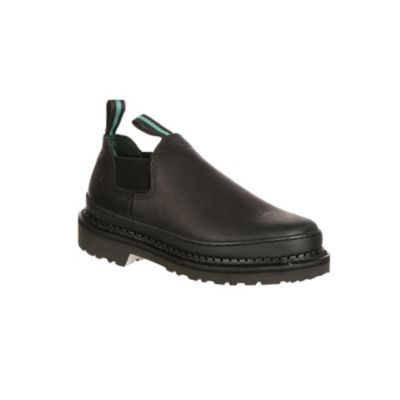
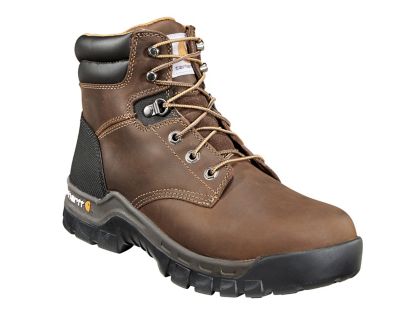
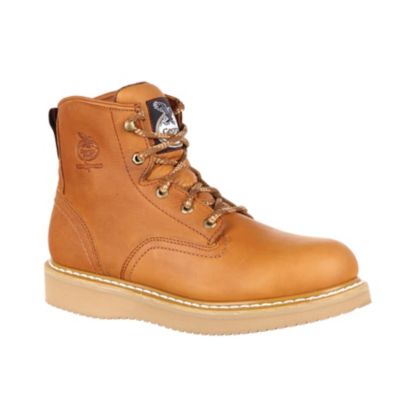
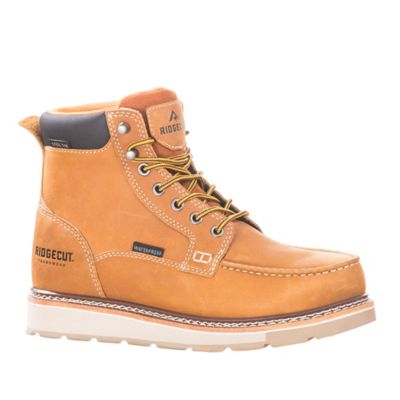
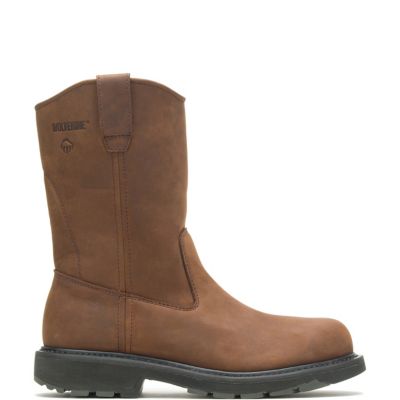
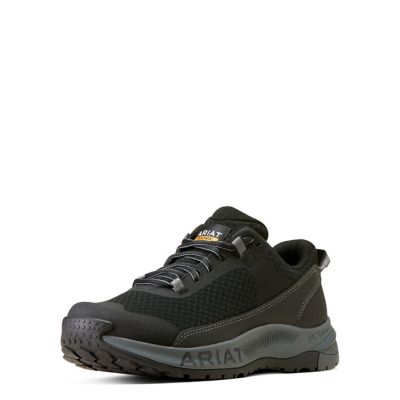
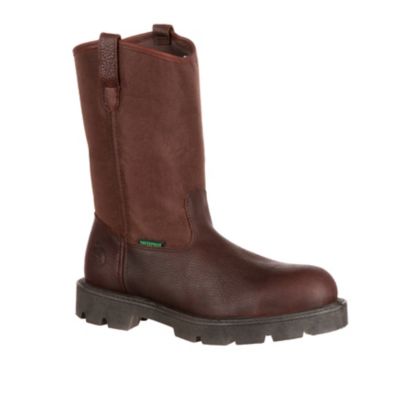
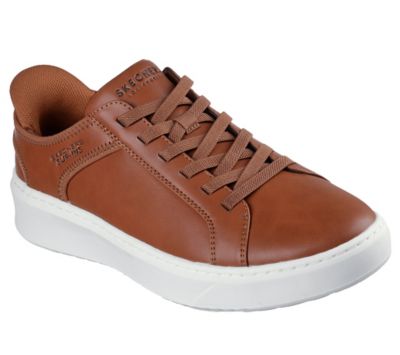
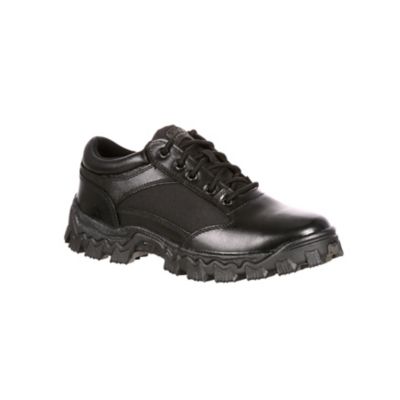
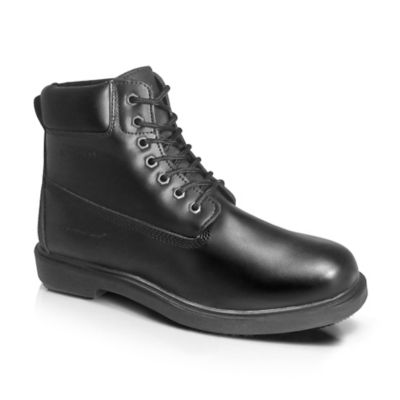
Comfortable work shoes for men can make a long shift feel a lot easier, whether the day is spent walking warehouse aisles, standing behind a counter, checking livestock, moving through a shop, or going from the jobsite to town. The right pair should match the work at hand while giving your feet steady support from the first step to the last. Styles may include work sneakers, slip-ons, plain-toe shoes, and safety shoes, with options ranging from simple everyday footwear to models built around protective features. Prices often run from about $50 to $170, depending on the materials, cushioning, safety rating, and construction. A pair with a cushioned insole can help soften the feel of concrete floors, while a roomy toe area gives your toes space to spread naturally as you walk. Flexible uppers may suit jobs that call for frequent movement, and padded collars can help reduce rubbing around the ankle. For anyone who spends early mornings outside or moves between indoor and outdoor areas, water-repellent materials can help handle light moisture and damp grass. During the cooler months, look for room to wear the socks you prefer without squeezing the toes. Men working in offices attached to shops, agricultural operations, clinics, warehouses, and service counters may all benefit from footwear that blends a neat appearance with work-ready comfort. These shoes can also make a practical gift for a husband, dad, son, brother, or coworker who spends most of the day on his feet. If he has been rotating through worn-out shoes, commuting in sneakers that lack support, or finishing each shift with tired feet, a thoughtfully chosen work shoe can fit right into his daily routine.
Start with the conditions the shoes will face. Slip-resistant outsoles are worth considering for kitchens, service areas, barns, wash bays, and other places where water, oil, mud, or spilled materials may reach the floor. They can help provide traction, but no outsole replaces careful footing on slick surfaces. If the job involves dropped tools, heavy materials, or equipment near the toes, look for footwear with a steel toe or composite toe that carries the protection rating required by the workplace. Composite toes may weigh less and do not conduct temperature in the same way as metal, while steel toes are a familiar choice for many industrial settings. Electrical hazard protection may matter for certain trades, but requirements vary, so check the rules for the job before ordering. Fit is just as important as the feature list. Measure both feet near the end of the day, when feet are often at their largest, and compare those measurements with the maker’s size chart. Try shoes on with the socks you normally wear, and leave a small amount of space in front of the longest toe. The heel should stay in place without pinching, and the midfoot should feel held without pressure across the top. Men with broad feet may prefer a wide toe box or a width option that allows natural movement. A removable footbed can be helpful when you prefer a different insole, while layered cushioning may suit people who walk or stand for several hours at a stretch. Slip-on styles can save time during busy mornings, and hands-free entry can be handy when your hands are full with feed, tools, packages, or a coffee cup. Lace-up shoes may offer a more adjustable fit, especially when feet swell during a long shift. Breathable mesh can help release heat, while leather and treated synthetic uppers may offer a more structured feel. Compare the outsole pattern, footbed, closure, toe shape, and workplace rating rather than choosing by appearance alone.
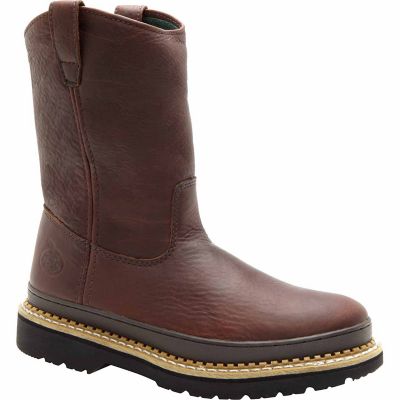
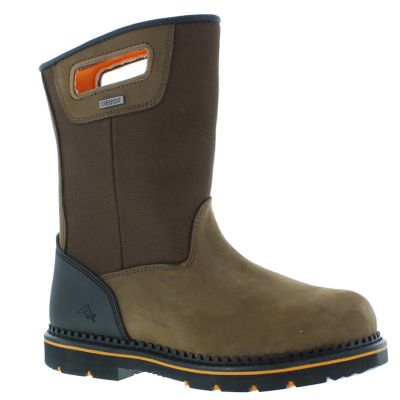
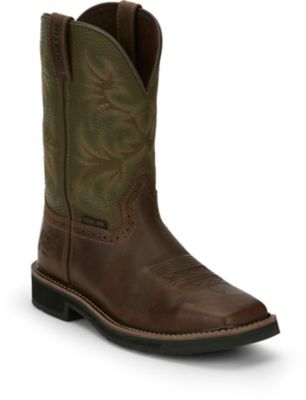
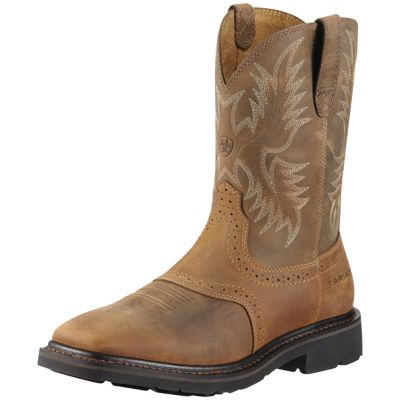
The best work shoes are the ones that fit the daily rhythm of the person wearing them. Someone tending animals may value traction, easy cleaning, and a toe area that leaves room for thicker socks. A warehouse worker may focus on cushioning, slip resistance, and a secure fit for miles of walking across hard floors. An office worker who visits a shop floor may want a plain-toe style that looks at home with work pants while still providing support during site visits. For light outdoor chores, lawn care, farm errands, and general maintenance, a comfortable work shoe can offer more support than a casual sneaker without feeling overly heavy. Keep in mind that new footwear may need a short break-in period, so wear it around the house or for shorter tasks before taking it into a full shift. Check for pressure points, heel movement, or rubbing after each wear, and stop using any pair that causes ongoing discomfort. Let damp shoes air out away from direct heat, brush off dirt before it settles, and follow the care directions for the upper and insole. Rotating between two pairs can give each pair time to dry and recover between shifts. Replace footwear when the tread is smooth, the sole separates, the cushioning no longer feels supportive, or the upper cannot keep its shape. For jobs that call for more coverage around the ankle or protection from rough outdoor conditions, browse
Mens Comfortable Work Boots for another practical option. Across cooler mornings, muddy paths, busy shops, and long days on concrete, the right footwear helps keep attention on the work instead of sore feet.