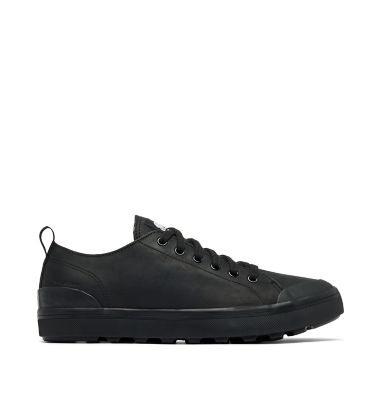
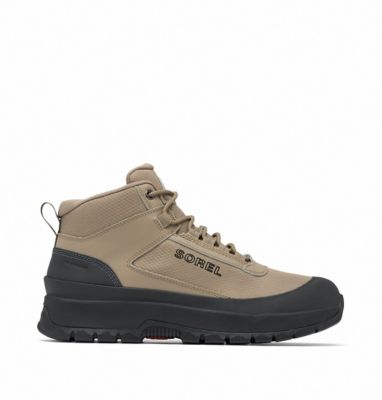
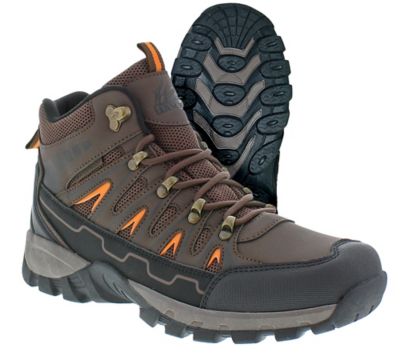
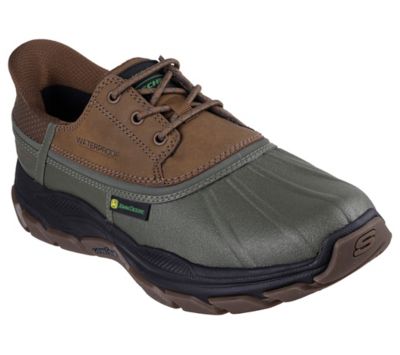
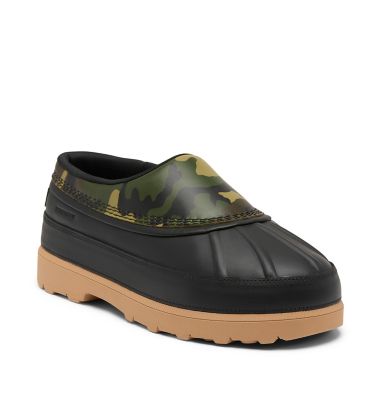
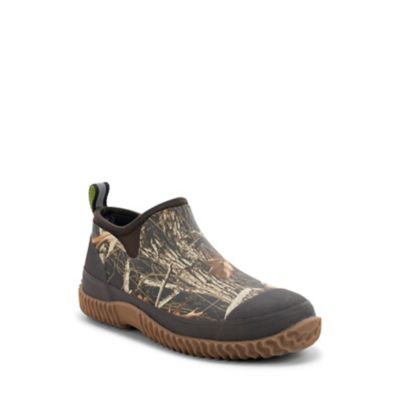
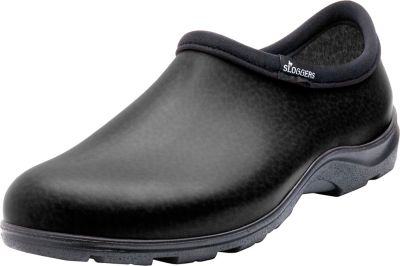
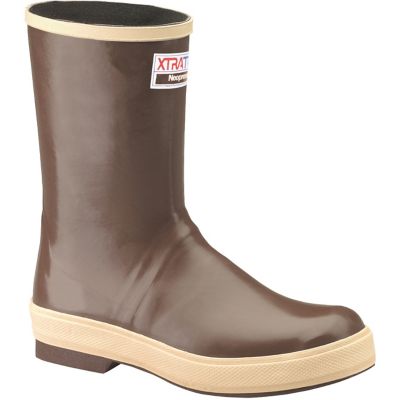
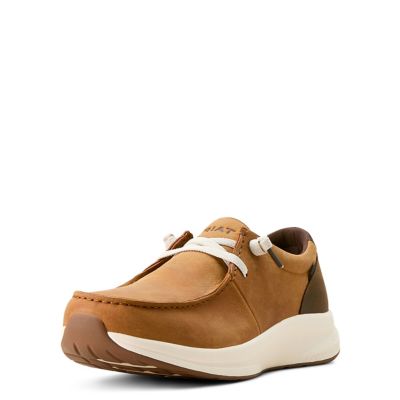
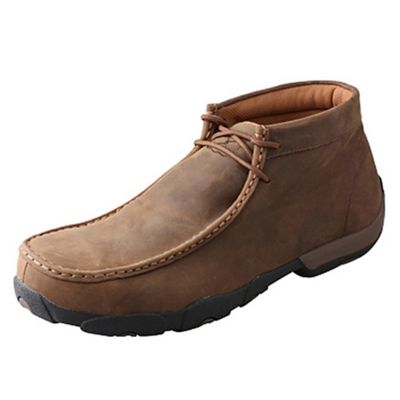
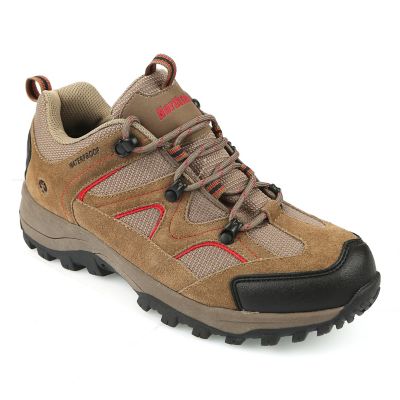
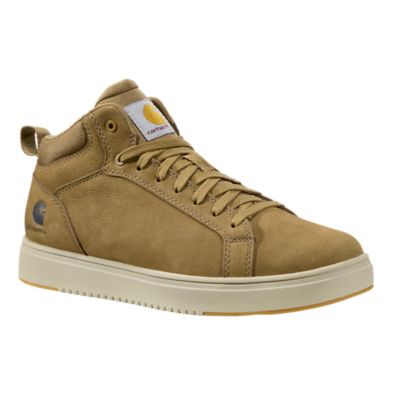
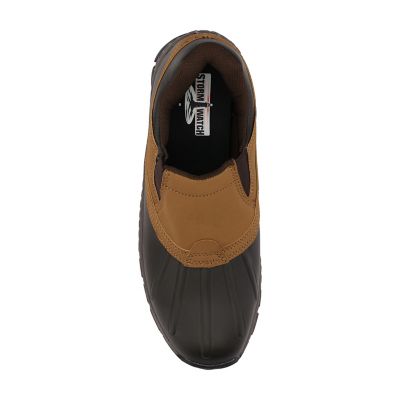
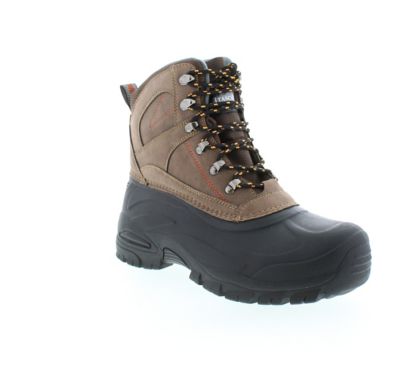
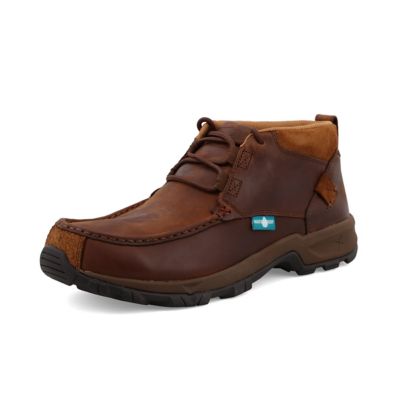
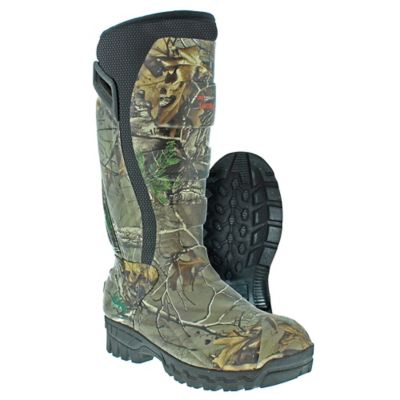
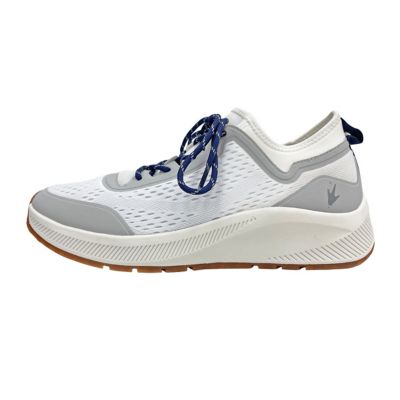
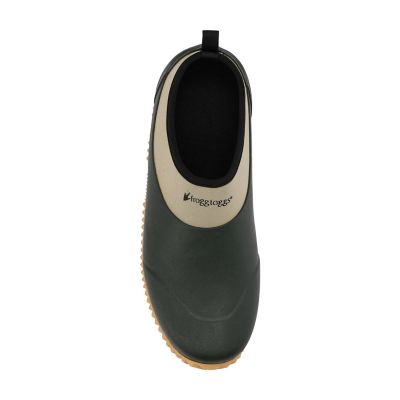
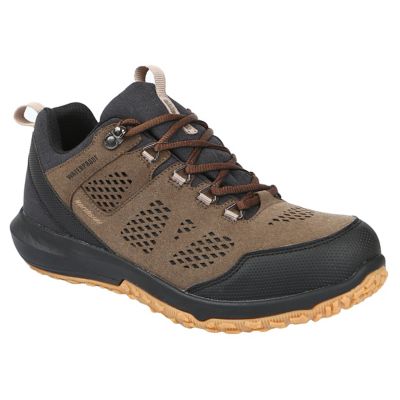
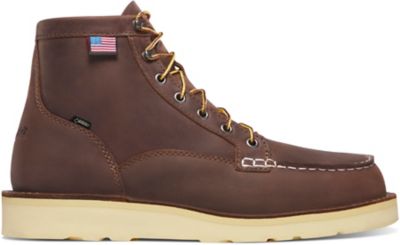
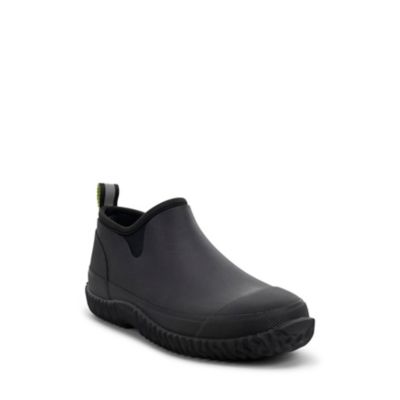
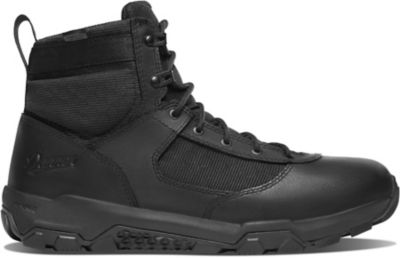
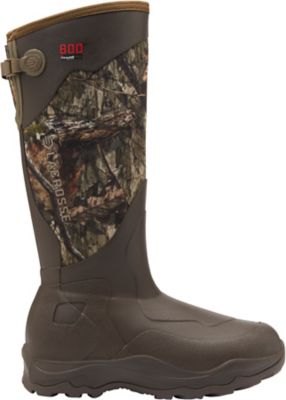
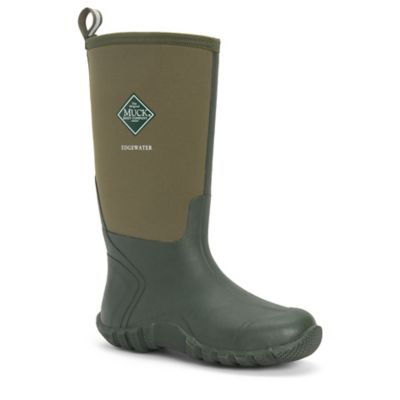
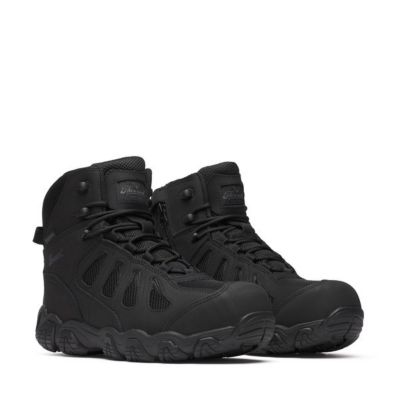
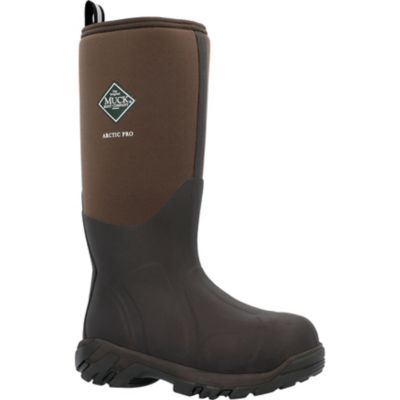
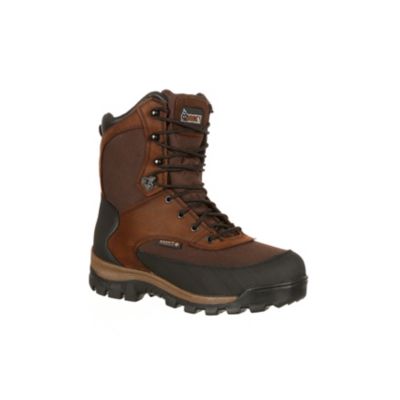
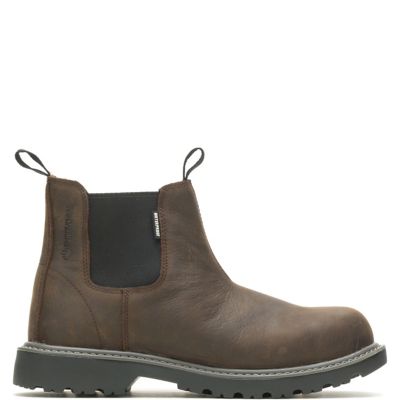
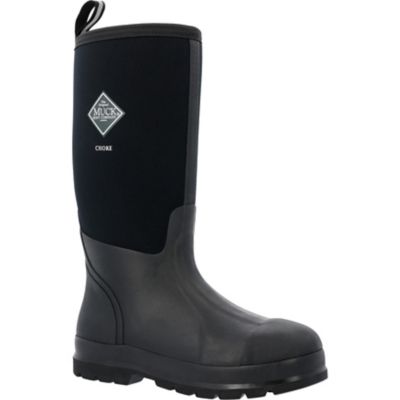
Men's waterproof winter sneakers pair the familiar feel of athletic shoes with water-blocking construction and features suited to cold, wet conditions. They make sense for everyday stretches between the house, truck, shop, and feed store, especially when a gravel drive turns slushy or melting snow leaves puddles across a parking lot. Depending on the design, winter-ready features may include an insulated lining, a waterproof membrane, sealed seams, and rubber tread built for outdoor footing. Waterproofing and insulation do different jobs: one helps keep outside moisture from reaching your socks, while the other slows heat loss. A waterproof sneaker is not necessarily insulated, so lining materials and insulation details matter just as much as the waterproof label when warmth is part of the job. Leather uppers can provide structure and stand up to scuffs, while synthetic fabrics and overlays can keep the shoe flexible without adding much weight. Neither material alone tells the whole story; seams, tongue construction, and the waterproof layer all contribute to protection. A gusseted tongue connects to the sides of the upper and helps limit openings where slush and grit can work their way inside. Low-cut styles leave the ankle freer to move, while mid-height designs provide more coverage around the collar. Neither can keep water out if it rises above the opening. Breathable construction may help moisture vapor escape, but feet can still feel damp when sweat builds up during a brisk walk or a stretch indoors. For that reason, warmth is about the whole setup, including socks, activity level, and time outside, rather than insulation alone. A short walk across the yard and an hour standing beside a cold set of bleachers put very different demands on the same pair of shoes. That distinction helps separate a comfortable everyday winter sneaker from footwear meant for long periods in deep snow or severe cold.
Fit shapes how men's waterproof winter sneakers feel from the first step to the last trip out to the truck. Winter socks take up space, and a shoe that feels roomy with thin socks may feel tight across the toes with a thicker pair. Enough toe room allows natural movement without letting the foot slide forward, while a secure heel helps limit rubbing during walks across uneven ground. Trying footwear with the socks normally worn outside gives a better sense of the fit than relying on shoe size alone. Width, instep height, and the shape of the toe box all matter, especially when comparing lace-up sneakers with pull-on designs. Laces allow adjustments over the top of the foot, while pull-on styles trade that adjustability for an easy on-and-off routine at the door. Underfoot cushioning can soften steps on concrete floors and paved paths, but extra softness does not automatically mean better support on rutted ground. A stable platform and a flexible forefoot can make everyday walking feel more natural without the stiffness of a heavier boot. Outsole design deserves equal attention. Rubber compounds, tread depth, spacing between lugs, and small tread cuts called sipes can influence grip, though performance varies with the surface and temperature. Open tread patterns give loose snow and mud somewhere to go; packed tread has less exposed surface to work with. No sneaker outsole guarantees traction on ice, and a thin frozen patch beneath fresh snow can be hard to spot. Shorter steps and appropriate traction aids, where permitted by the footwear maker, may be necessary on slick ground. These sneakers generally fit errands, commuting, dog walks, and light outdoor tasks better than prolonged work around deep mud, heavy equipment, or standing water. Jobs requiring safety toes, electrical hazard protection, or other workplace ratings call for footwear carrying the required markings, not assumptions based on a rugged-looking upper. The right match starts with the ground underfoot and the work ahead.
Construction and everyday care influence how well waterproof winter sneakers hold up through repeated wetting, drying, and walking. Reinforced toe areas can help shield the upper from scraping against steps or loose gravel, while heel overlays can add structure where shoes take repeated stress. Secure stitching, intact seams, and a firmly attached outsole matter more than an outdoorsy appearance alone. Road salt and dried mud deserve attention because buildup can stiffen materials, hide wear, and leave residue along seams. A soft brush removes loose dirt, and a damp cloth with a maker-approved cleaner can lift remaining grime without a hard scrubbing. Care directions vary between smooth leather, suede, fabric, and mixed-material uppers, so the label is the best starting point before applying a cleaner or water-repellent treatment. A surface treatment may help water bead on suitable materials, but it does not repair a torn waterproof membrane or a separating sole. After a wet outing, removing the insoles when the design allows and opening the shoes helps trapped moisture escape. Room-temperature drying away from heaters, fireplaces, and direct high heat protects adhesives and helps materials keep their shape. Socks made with wool or moisture-managing synthetic fibers can also help manage perspiration, especially when a day includes both outdoor walking and time in a heated cab or building. For routines where less weight underfoot is a priority, the related
Mens Lightweight Waterproof Shoes category is another place to compare construction, fit, and coverage. Winter sneaker styles can also make a practical gift for a dad, brother, partner, or friend who favors sneakers for everyday wear but needs protection from slush and wet ground. Knowing the person's usual width, preferred closure, and typical outdoor routine makes that choice more thoughtful than judging by appearance alone. Whether the day involves a drive into town, a walk down the lane, or several short trips between buildings, the best fit is footwear matched to those ordinary miles, with the protection, warmth, and freedom of movement the wearer actually needs.