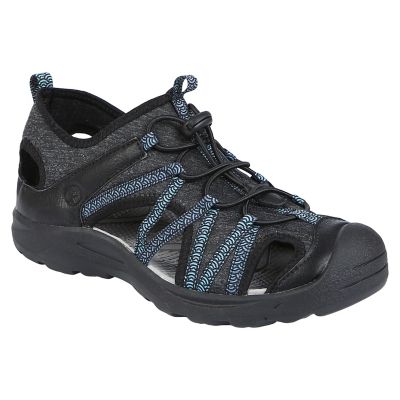
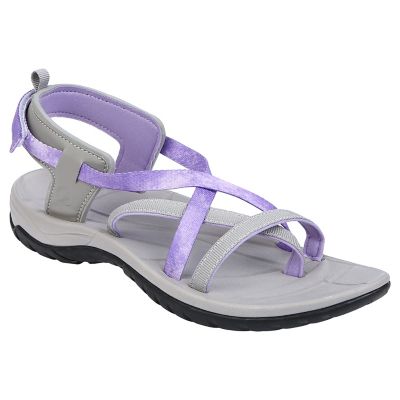
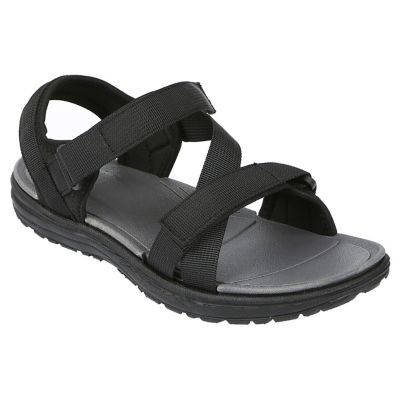
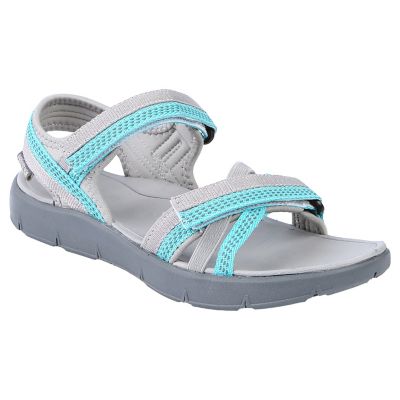
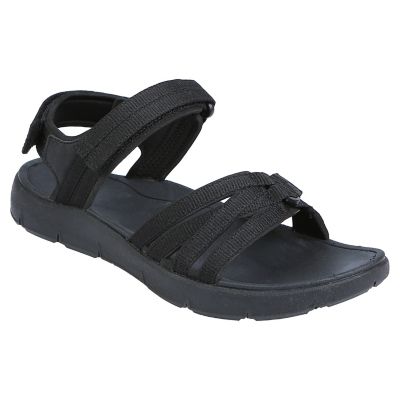
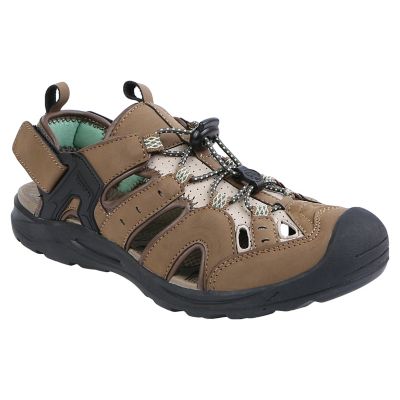
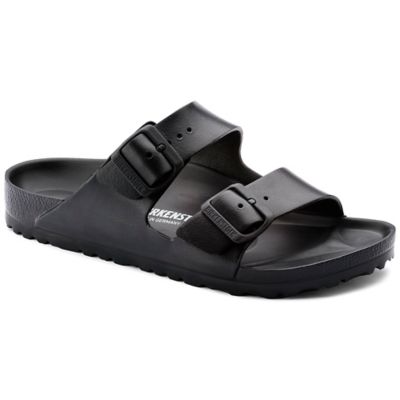
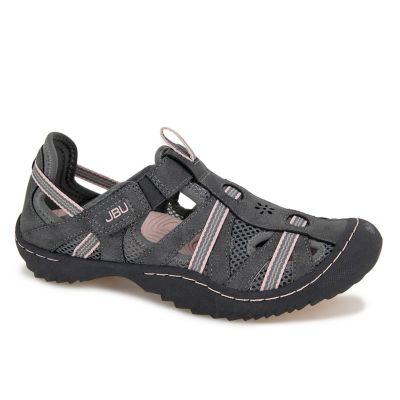
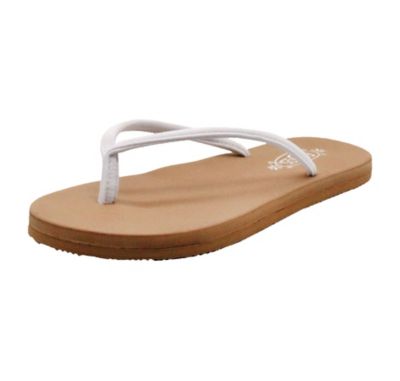
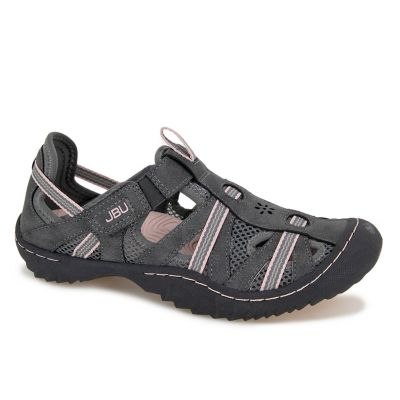
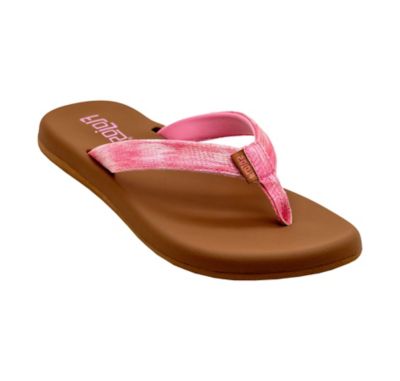
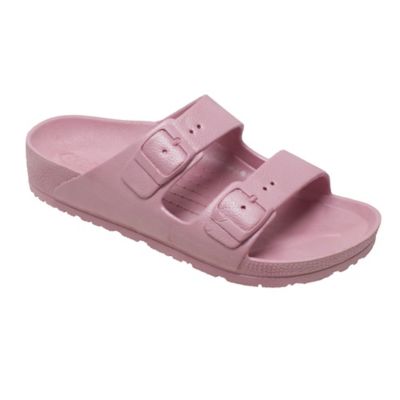
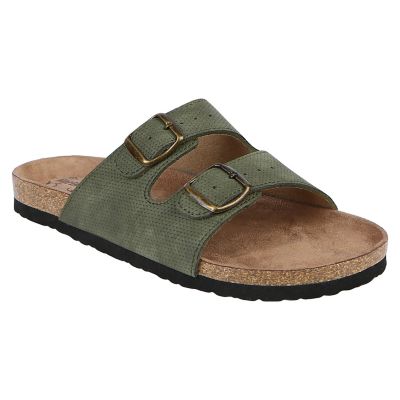
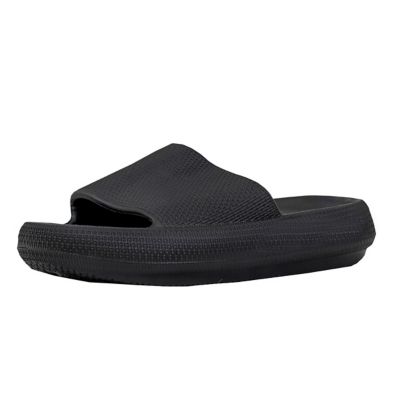
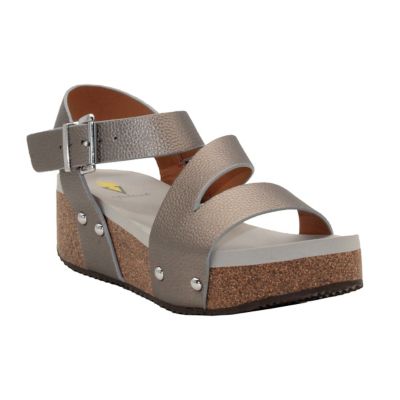
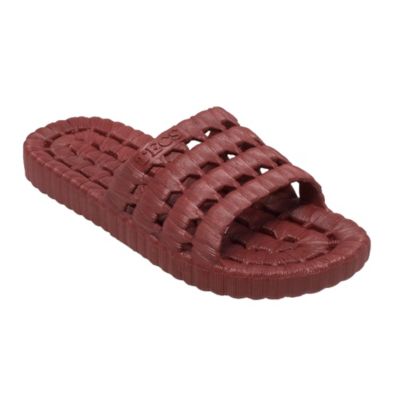
Women’s waterproof hiking sandals bring together water-friendly materials, a secure fit and trail-ready traction for outings that don’t stay on dry ground. They make sense for a walk along a shallow creek, a campground afternoon or a lakeside trail where muddy patches give way to gravel and packed dirt. The important distinction is that waterproof sandals generally tolerate getting wet; their open construction does not keep feet dry. Water can enter around the straps and toes, then drain away rather than collect inside a fully enclosed shoe. Fast-drying straps, footbeds that resist soaking up water and rubber outsoles are useful features for this mix of land and water. Polyester webbing is common because it handles repeated wetting and dries readily, while drying times for other fabrics and linings depend on their construction and thickness. Leather needs closer attention to the care instructions, since not every leather sandal is meant for soaking. Soft strap linings can help limit rubbing, although thicker padding may stay damp longer after a crossing. Open-toe designs leave more room for airflow and let grit rinse out easily, making them practical for maintained paths and relaxed time near the water. Closed-toe hiking sandals add a front bumper that helps shield toes from small stones, exposed roots and bumps against a canoe landing. That extra coverage is handy on rougher ground, but it does not provide the protection of a hiking boot or work shoe. Small pebbles can still enter through side openings. For women who spend a day moving between a campsite, a boat ramp and an easy trail, this balance of coverage and drainage can cut down on footwear changes. A sound match for those settings combines straps that hold the foot in place, cushioning suited to the distance and an outsole intended for the terrain, rather than relying on a waterproof label alone.
Fit matters just as much as the materials when a short stroll turns into a few miles along the shore. A women’s hiking sandal should hold the heel and midfoot securely without pinching across the toes or pressing hard against the top of the foot. Adjustable straps at more than one point help accommodate differences in foot shape, including a narrower heel or a higher instep. They also allow small fit changes when feet swell during a long afternoon outside. Toes should stay inside the edge of the footbed while walking downhill, and the heel should not hang over the back. In a closed-toe style, there needs to be enough space ahead of the toes to prevent repeated contact with the bumper on descents. A heel strap helps reduce sliding, especially when the sandal is wet, but tightening every strap as far as it goes can create pressure spots rather than better support. The footbed’s shape matters, too: molded arch support should meet the foot comfortably, and a shaped heel cup can help keep the heel centered. Soft cushioning feels pleasant underfoot, while a somewhat firmer platform may feel steadier over uneven stones. Neither softness nor a tall arch contour automatically makes a sandal suitable for every foot. On the bottom, rubber compound and tread shape work together to influence grip. Spaced lugs can shed loose dirt, and tread facing several directions can help with footing when climbing, descending or turning. Wet rock is a different challenge from dry gravel, however, and no outsole makes algae-covered stones or slick logs safe. Slow steps and a shallow, stable route matter more than any traction claim. Sandals are not a reason to attempt swift or deep water. For steep routes, heavy packs, loose rock or long stretches of sharp brush, more enclosed footwear may be a better fit for the day.
Care and intended use make a real difference in how well waterproof hiking sandals hold up over time. After a walk through sandy shallows or a muddy stretch beside the pasture, rinsing away grit helps keep it from grinding against straps, buckles and skin on the next outing. Dirt caught beneath an adjustable strap can also interfere with its closure, so those contact points deserve a little attention. Follow the footwear’s cleaning directions, using mild soap only where permitted, and do not assume every water-friendly sandal can go in a washing machine. Let sandals air-dry in a ventilated spot away from heaters and other strong heat sources that can affect foam, adhesives or strap materials. Before another trip, check for thinning tread, loose stitching, cracked soles and closures that no longer hold firmly. Sand that remains inside a toe bumper can turn a comfortable walk into a sore one, so a quick rinse and shake can be worthwhile before slipping them back on. Everyday comfort also depends on matching the sandal to the setting. A pair that feels right for a short paddle outing may not offer enough underfoot protection for several miles of angular gravel, and an open design leaves skin exposed to thorns, insects and sun. Around a rural property, hiking sandals belong on casual paths and waterside breaks, not in place of protective footwear for mowing, handling livestock or operating equipment. During the cooler months, they can still suit mild afternoons or trips to warmer places, but open footwear offers little protection from cold water and dropping temperatures. For outings that call for more coverage while keeping a lighter feel,
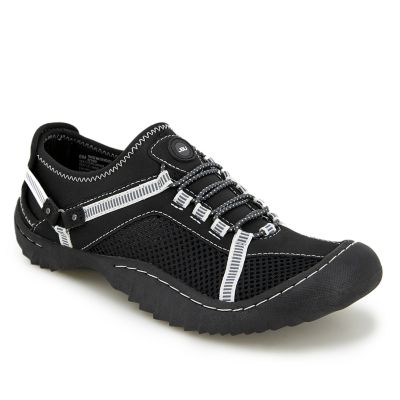
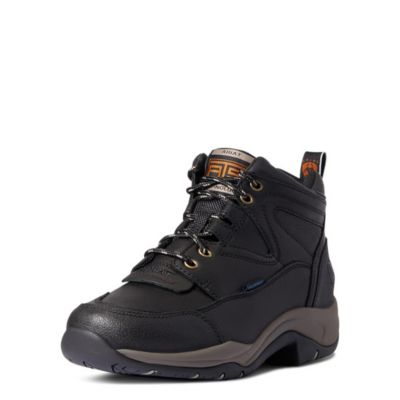
Women's Summer Hiking Shoes offer a related footwear category to consider. Waterproof hiking sandals can also make a thoughtful gift for a camper, paddler or woman who enjoys easy walks near the water, especially when her size and preferred fit are known. The most useful pair is one that suits her actual routine, whether that means rinsing off at the lake, strolling back to camp or following a familiar creekside path.