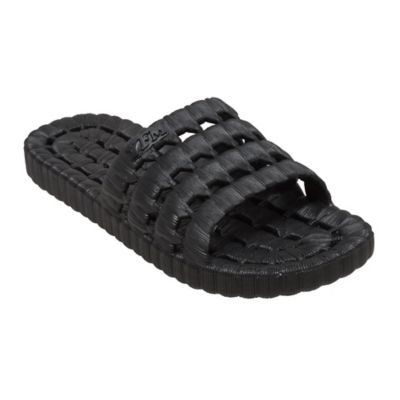
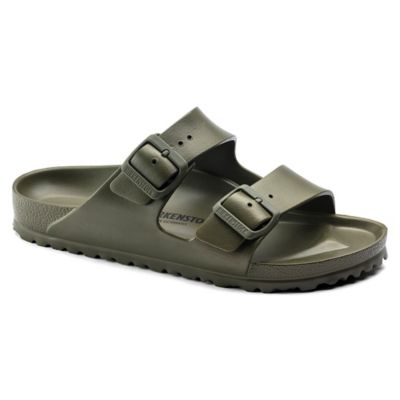
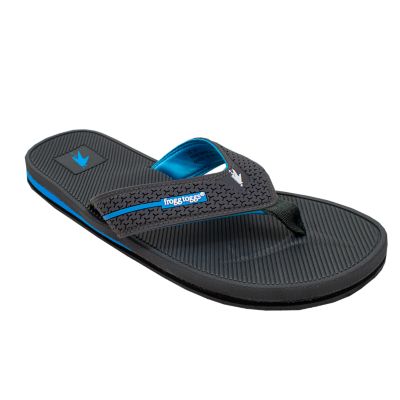
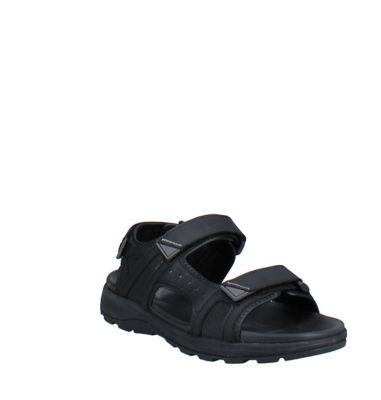
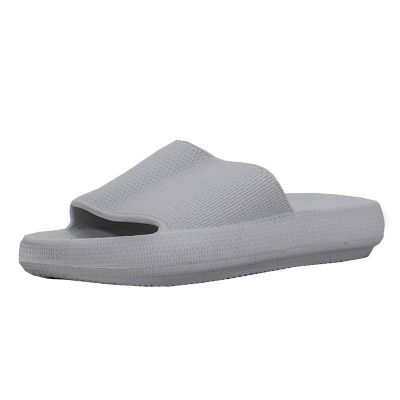
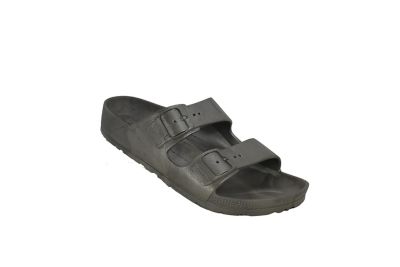
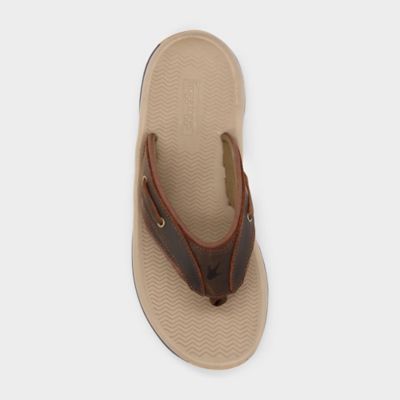
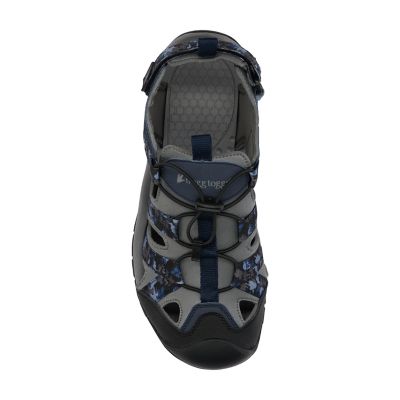
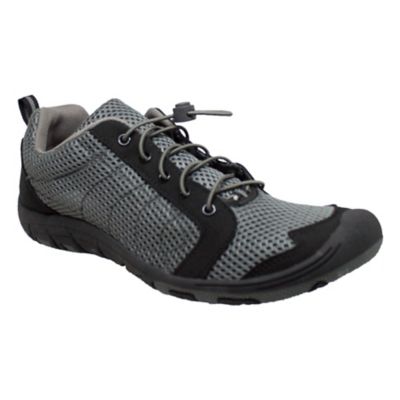
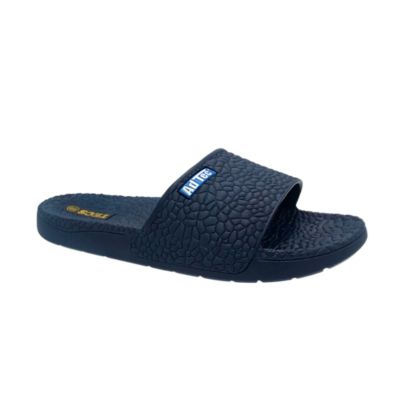
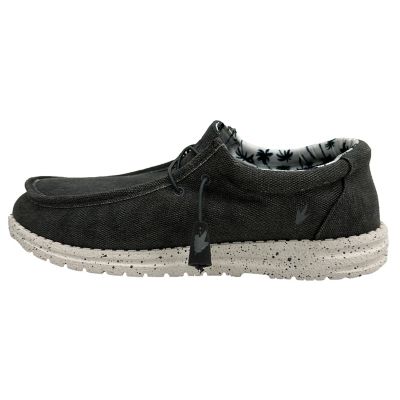
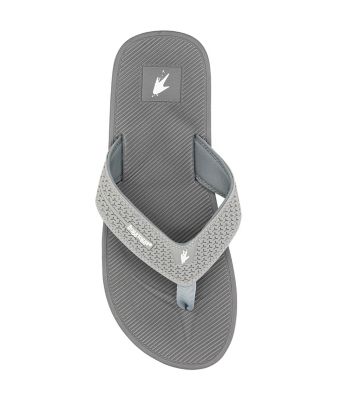
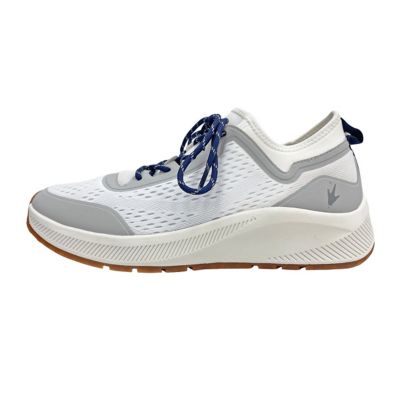
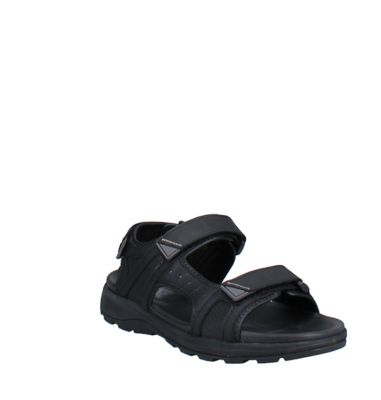
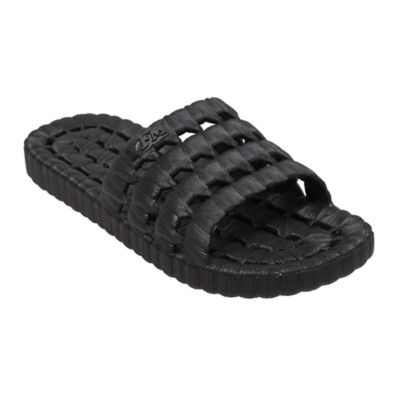
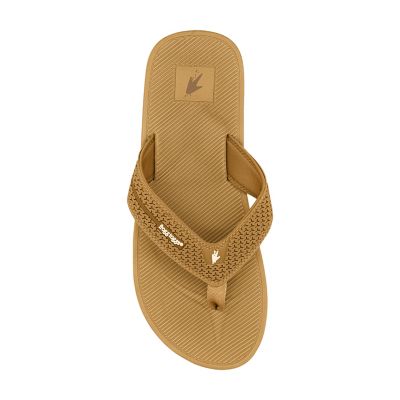
Men's breathable sandals pair open airflow with easygoing comfort for walks around the campground, trips into town, and time spent on the porch after a long day in boots. Their open construction leaves more of the foot uncovered, while straps, footbeds, and outsoles provide different levels of support and coverage. Breathability comes from the whole design, not just a mesh panel or a few openings. Widely spaced straps allow air to move around the foot, while mesh sections can provide coverage without enclosing it as fully as a solid upper. Open-toe designs leave the front of the foot exposed; enclosed-toe styles add coverage around the toes but may allow less airflow in that area. Slides make slipping a pair on at the back door simple, while sandals with heel straps help keep the foot connected to the sole during longer walks. Materials make a difference in how each style feels against bare skin. Woven textile straps can feel light and flexible, and synthetic uppers may suit outings where splashes or damp ground are part of the day. Leather brings a different feel, often softening with wear, though its care needs and tolerance for water vary by finish and construction. Quick-drying materials can be handy at a campsite shower or beside a lake, but an open design alone does not make every sandal suitable for getting wet. Linings, padding, and footbed materials all affect how much moisture a pair holds and how long it takes to dry. Smooth strap edges and thoughtfully placed seams also matter, especially across the toes and along the sides of the foot. For men who prefer less coverage than a sneaker, breathable sandals offer a practical balance of freedom and structure. The right balance depends on whether the day calls for a short stroll down a gravel lane, an afternoon at a family cookout, or plenty of walking between stops on a road trip.
Fit is what turns that open construction into comfortable everyday footwear. A well-fitting sandal leaves the heel and toes supported by the footbed rather than hanging over its edges, with enough room across the forefoot for toes to spread naturally. Too much extra space can let the foot slide around, while straps pulled overly tight may create pressure without solving a sizing mismatch. Adjustable closures help fine-tune the fit across the instep or around the heel, particularly when one foot is slightly larger than the other. Strap placement matters just as much as the number of adjustment points: a broad strap may distribute pressure across a larger area, while a narrower one can land directly on a sensitive spot. Men who sometimes wear socks with sandals need room for that extra layer without making the bare-foot fit loose. Underfoot, cushioning and support serve different purposes. Soft foam can take some of the firmness out of each step, while a contoured footbed may help the foot sit more securely within the sandal. A deeper heel cup, raised edges, or a shaped arch can change that feel considerably, and a pronounced contour will not suit every foot. Sole flexibility also affects comfort; a sandal should move comfortably through a step without feeling floppy beneath the foot. For walking beyond smooth pavement, outsole design deserves attention alongside airflow. Rubber compounds and tread patterns influence grip, while deeper channels can help the sole engage loose surfaces. No tread guarantees footing on slick rock, mud, or an algae-covered boat ramp. A secure heel strap can reduce shifting, but sandals still leave portions of the foot exposed. They belong on casual outings and suitable walking routes, not around livestock, mowing equipment, power tools, or jobs that call for protective footwear. That distinction is especially useful around a rural property, where stepping off the porch can quickly turn into a chore that needs boots.
Everyday care helps breathable sandals stay comfortable and hold their shape through repeated wear. Dust and grit can collect beneath straps, around closures, and along textured footbeds, where they may rub against skin or interfere with a snug fit. A soft brush or damp cloth can lift surface dirt from many materials, while deeper cleaning should follow the footwear's care directions. Some textile and synthetic constructions tolerate a gentle wash, but leather, adhesives, padding, and finishes may need a different approach. Machine washing is best reserved for pairs whose care instructions specifically allow it. After cleaning or getting wet, sandals generally benefit from drying in a ventilated spot away from direct heat, which can affect certain foams, glues, and leather surfaces. Opening the straps gives damp areas more exposure to air, and letting footwear dry fully between outings helps limit lingering odors. Leather care products should match the material and finish rather than treating every leather upper the same way. Long-term wear also depends on construction: reinforced strap attachment points, sound stitching, and a substantial outsole can matter as much as the upper material. Even well-built footwear needs a look over now and then for thinning tread, separating soles, or frayed straps, especially before a trip involving plenty of walking. Men interested in styles geared toward movement can also explore
Men's Athletic Sandals while weighing strap security, cushioning, and sole design. For travel, a pair that packs easily and feels comfortable on foot can earn its place beside walking shoes or work boots. Breathable sandals can also make a thoughtful gift for a dad, husband, brother, or friend who enjoys campground stays, lakeside afternoons, or an easy pair by the door. Knowing his usual size, preferred coverage, and feelings about toe-post straps makes that choice more personal. Whether the preference is a simple slip-on or a more secure strapped design, comfort comes down to materials that suit the outing, a fit that stays put, and care that matches the construction.