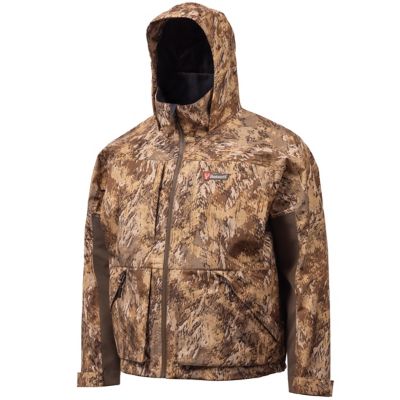
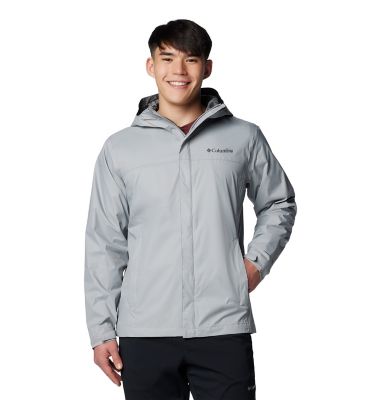
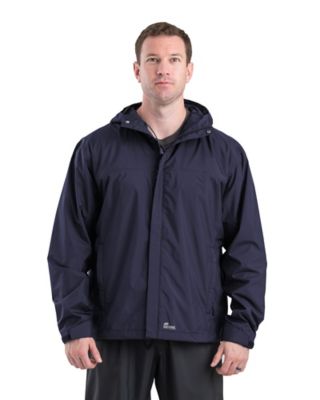
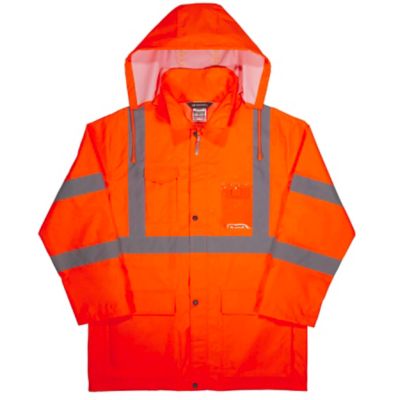
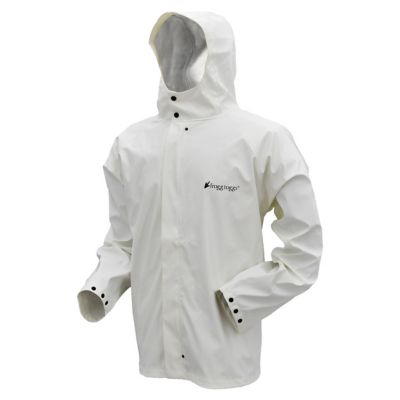
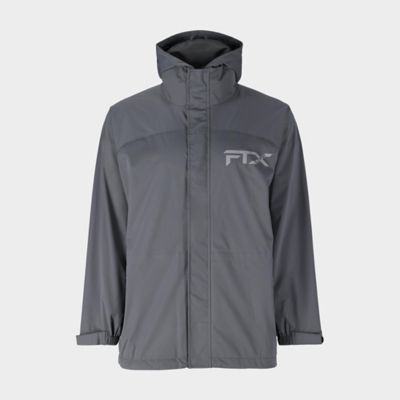
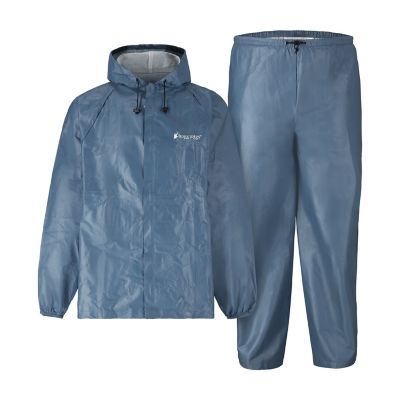
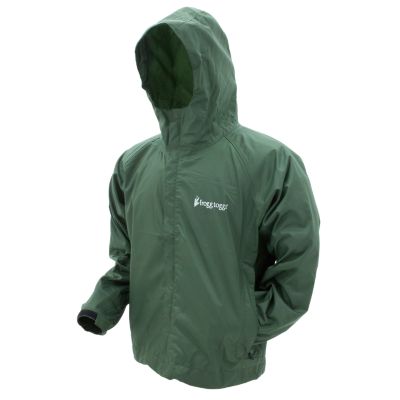
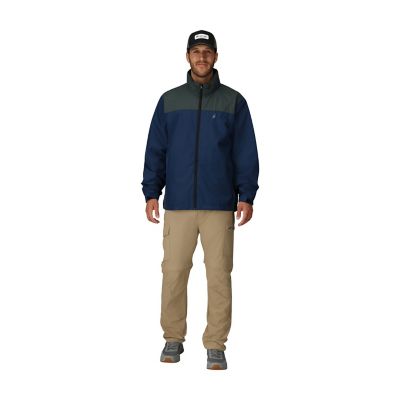
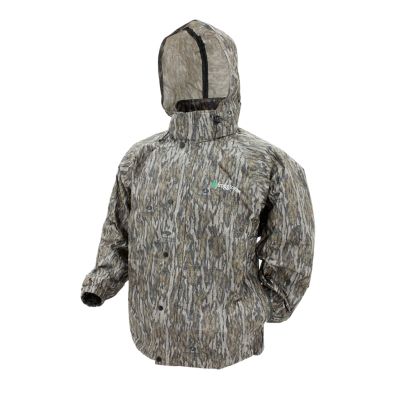
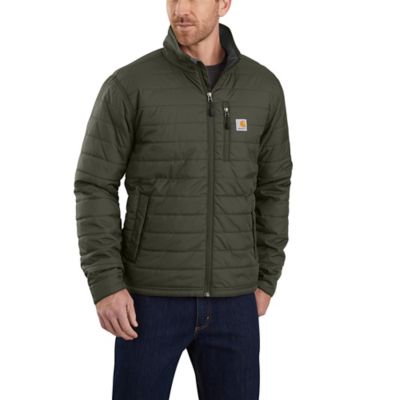
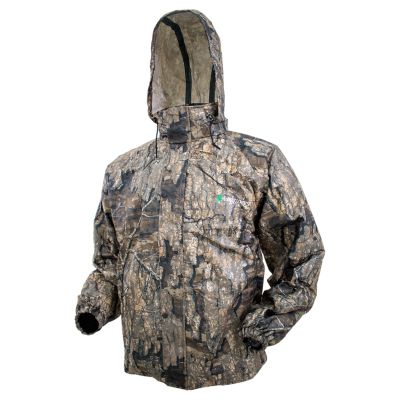
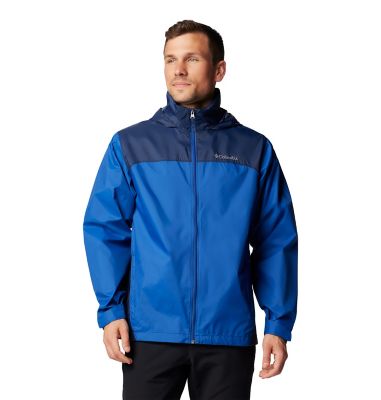
Men’s summer rain jackets offer lightweight coverage for rainy days when a heavy coat would leave too much heat trapped inside. For feeding livestock, walking the fence line, fishing from the bank, or heading into town, a light rain shell adds protection without the weight of insulated outerwear. Summer rainwear generally favors easy movement, packable construction, and ways to let excess heat escape. The right level of rain protection depends on how long a person expects to stay outside and how hard the rain is falling. Water-resistant jackets can handle brief showers and light splashes, while waterproof styles are built to resist water penetration under the conditions specified for their fabric and construction. Seam sealing matters, too: water can work through stitching even when the surrounding fabric keeps it out. Fully sealed seams offer more complete coverage than construction that seals only selected areas. A water-repellent finish helps droplets bead on the outer surface, but that finish alone does not make a jacket waterproof. Breathability is another consideration for warm, muggy days, especially when chores involve lifting feed bags, hauling garden supplies, or walking across a pasture. Waterproof-breathable fabrics allow moisture vapor to move outward, although humidity and exertion can still leave a person feeling damp inside. Underarm zippers, covered back vents, and other ventilation features can help release heat when conditions allow. An uninsulated shell leaves room to adjust clothing underneath rather than committing to a thick lining. That makes men’s summer rain jackets useful for everything from a quick dash between the house and barn to several hours spent outdoors with little shelter nearby. Coverage, airflow, and freedom to move all deserve a place alongside low weight when comparing rainwear for everyday work and recreation. A jacket suited to a short walk from the truck may not offer the same comfort or protection needed for a long afternoon out in steady rain.
Fabric and fit make a noticeable difference once a rain jacket becomes part of the day’s routine. Nylon and polyester shells are common, with performance shaped by the weave, fabric weight, coating, or membrane rather than the fiber name alone. Ripstop construction incorporates reinforcing threads that can help limit the spread of small tears, though no lightweight shell is a substitute for protection around sharp wire or thorny brush. Very light fabrics pack down easily; heavier shells may better suit repeated contact with rough surfaces, depending on their construction. Mesh linings can keep the outer fabric from resting directly against a damp shirt, while some unlined designs take up less space in a pack or truck bag. A comfortable fit allows a full reach toward a gate latch, enough shoulder room to carry supplies, and easy bending without the hem pulling far above the waistband. Room for a light shirt underneath is helpful in summer, but excessive looseness can catch the wind or interfere with work. Longer hems provide more coverage over the seat, especially when leaning forward, while shorter cuts may feel less restrictive around the hips. Sleeves should cover the wrists with arms extended rather than only when standing still. Adjustable cuffs help manage openings around the hands, and a drawcord hem can reduce drafts and windblown rain. Hood shape deserves attention as well. A hood that adjusts around the face and at the back can follow head movement more closely, while a small brim helps direct drips away from the eyes. Some hoods accommodate a ball cap underneath, but fit varies. Covered pockets provide a place for small belongings, though pocket construction determines how much rain protection they offer. Storm flaps and water-resistant zippers can help shield openings without making every pocket watertight. For chores near vehicles or equipment, a clear view to either side matters just as much as coverage, so a hood should not crowd the face or block peripheral vision.
Packability is handy when rain comes and goes over the course of a summer day. A men’s lightweight rain jacket that folds into its own pocket or a separate pouch takes up little room beside lunch, gloves, and a water bottle. That convenience suits fishing trips, campground stays, daily walks, and jobs that move between open ground and covered buildings. For longer walks where a pack rests across the shoulders,
Mens Hiking Rain Jackets brings the focus to rainwear for time on the trail. Shoulder construction, pocket placement, and ventilation are especially relevant when pack straps cover parts of the jacket. Whatever the setting, care helps preserve the shell’s performance over time. Mud, sweat, and everyday grime can affect how a fabric sheds water and moves moisture, so cleaning should follow the garment’s care label rather than a one-method-fits-all approach. Many technical shells call for mild detergent and no fabric softener, but washing temperatures and drying methods vary. Some water-repellent finishes benefit from controlled heat after washing; others require different treatment, making the label the best starting point. When water stops beading and the outer fabric darkens with rain, the surface finish may need attention even if the waterproof barrier underneath remains intact. Any replacement treatment should be compatible with the jacket’s materials and applied as directed. A shell also needs time to dry fully before being packed away, particularly after a humid day or a muddy chore. Hanging it in a ventilated spot helps prevent trapped moisture and stale smells. Occasional checks around cuffs, elbows, seams, and zippers can catch wear before the next outing. As a gift for someone who spends plenty of time outside, summer rainwear makes the most sense when the size, usual activities, and preferred amount of coverage are known. The jacket that earns a regular spot by the door is one that feels comfortable enough to grab before a shower and practical enough to keep on until the work is done.