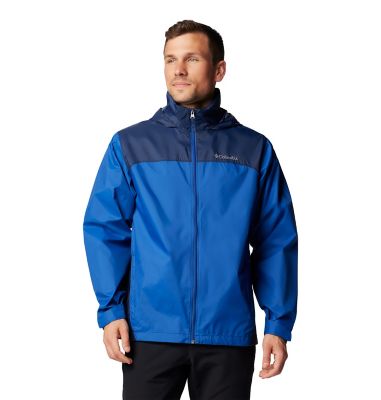
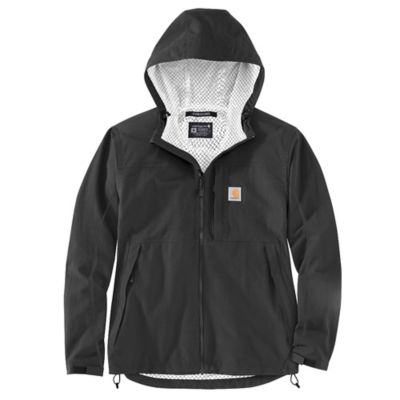
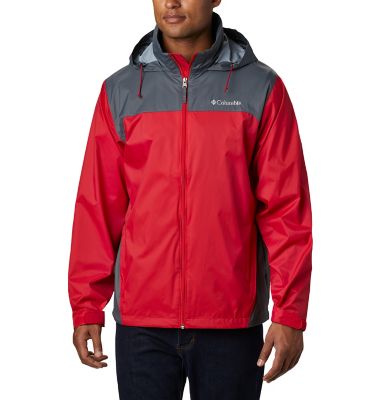
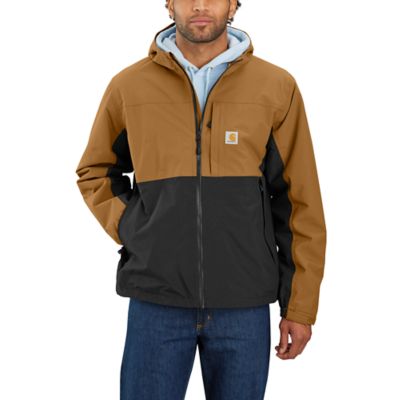
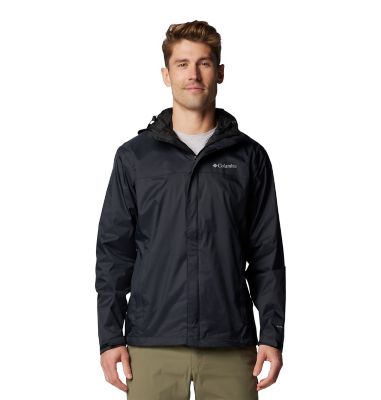
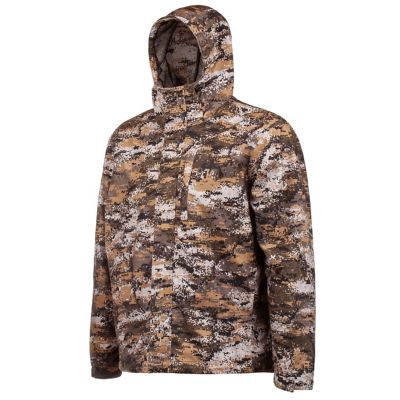
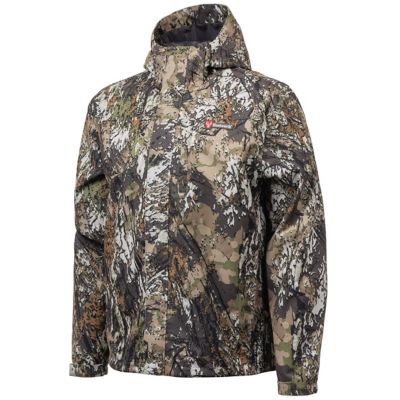
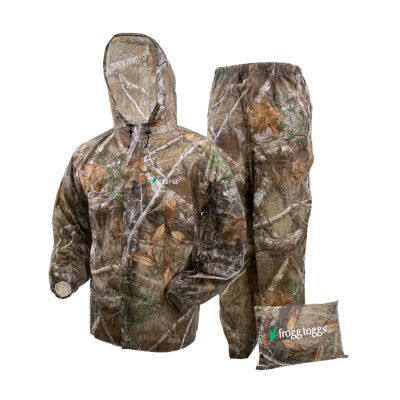
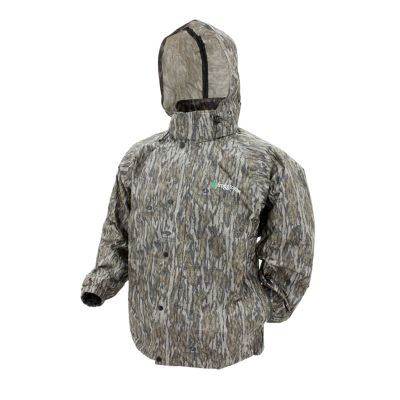
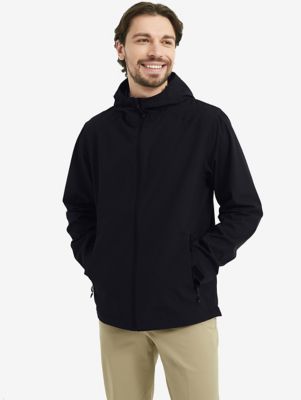
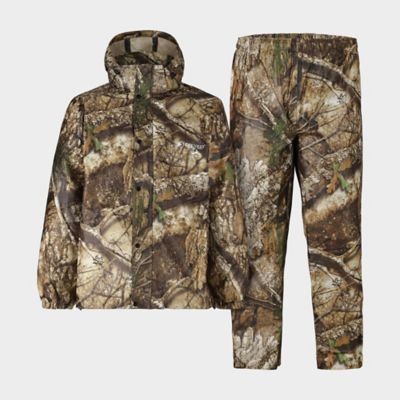
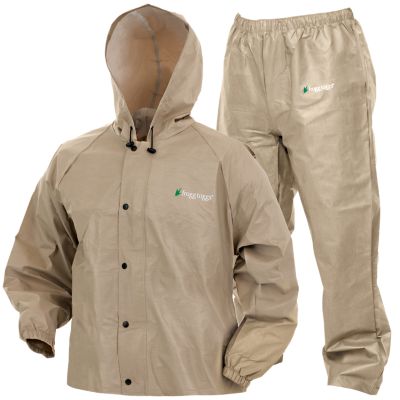
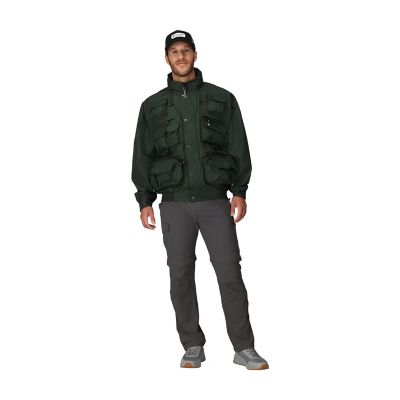
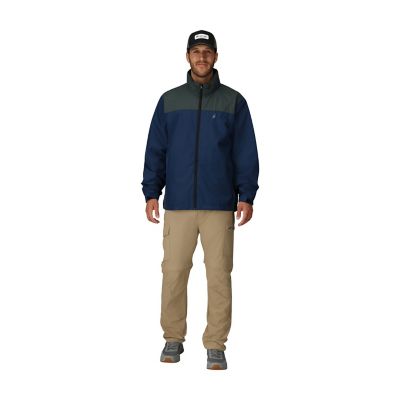
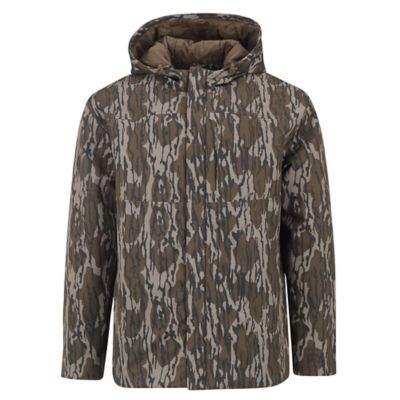
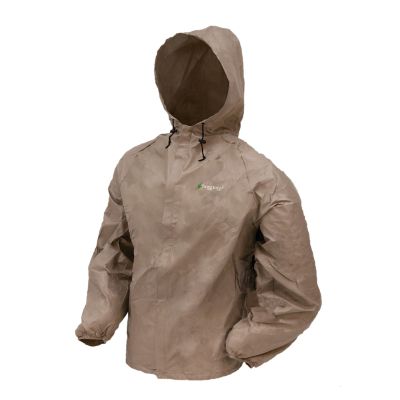
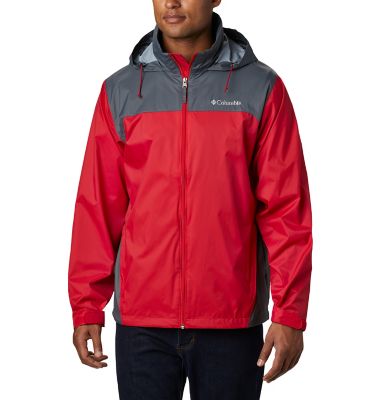
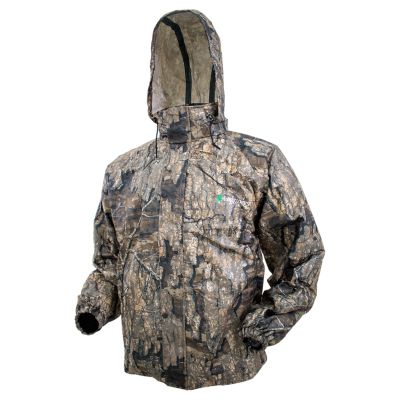
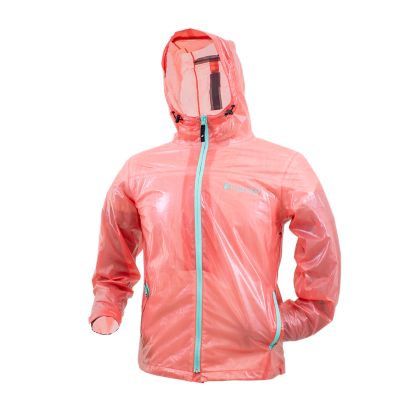
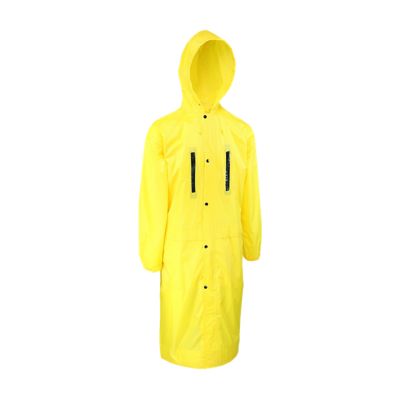
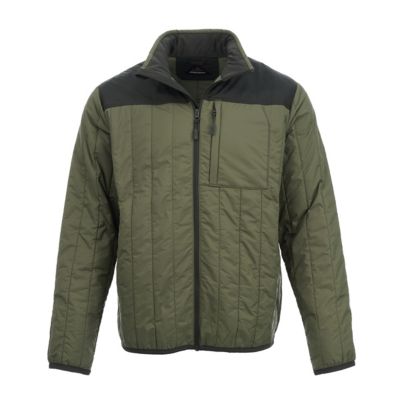
Packable rain jackets for men are lightweight outer layers designed to fold into a pocket, pouch, or small bundle for carrying between showers. Their appeal is straightforward: rain protection that can ride in a truck cab, tuck beside lunch in a daypack, or fit into a saddlebag without taking up the room of a heavier coat. Some designs pack into their own zippered pocket, while others have a separate stuff sack; either setup keeps loose sleeves and drawcords contained. A jacket’s packed size and weight are separate considerations, since a very light shell may not fold as neatly as one with a purpose-built storage pocket. Rain protection also varies. Water-resistant fabric can handle brief showers and light splashes, while waterproof construction is intended to keep rain from passing through the shell under specified conditions. A water-repellent surface treatment helps droplets bead and roll away, but that treatment alone does not make a jacket waterproof. Waterproof membranes or coatings, sealed seams, and protected closures work together to limit places where water can enter. Where listed, hydrostatic-head ratings describe the water pressure a fabric withstands in a test. Ratings of 10,000 mm and 20,000 mm can help compare fabrics, but they do not tell the whole story about a finished jacket. Hood coverage, seam construction, zipper protection, and the amount of time spent in rain all matter, too. Along a fence line or beside a parked trailer, a hood with a shaped brim can help direct dripping water away from the face. Adjustable cuffs reduce open gaps at the wrists, and a drawcord hem helps keep the shell from lifting in gusts. A storm flap or water-resistant front zipper adds protection at a common entry point. These details give a compact rain shell its everyday usefulness, whether it comes out for a walk across the pasture or stays close at hand for a long afternoon away from shelter.
Nylon and polyester are common shell fabrics in men’s packable rain jackets because they can provide coverage without much weight or packing space. Fabric thickness, weave, and reinforcement influence how a shell handles rubbing from backpack straps, contact with rough lumber, and repeated folding. A featherlight fabric makes sense for carrying just in case, while a more substantial shell may be a better match for frequent outdoor chores. Neither is a substitute for clothing intended for sharp brush, sparks, or other demanding work hazards. Construction also affects how the jacket feels. Two-layer rainwear generally pairs an outer fabric and waterproof barrier with a separate lining. A 2.5-layer design typically adds a thin protective print over the inside of the waterproof barrier, helping keep weight and packed size down. Three-layer construction bonds an outer fabric, waterproof barrier, and inner backing into one material. Layer count alone does not establish how well a jacket will perform; fabric, seam sealing, fit, and ventilation remain important. Breathable materials allow some moisture vapor to escape, but no rain shell can prevent every bit of dampness when the work gets strenuous. Underarm zippers, protected vents, and adjustable openings help release heat while carrying feed sacks or walking uphill. Pocket placement matters when hands are full or a pack’s waist belt crosses the jacket. Zippered pockets keep small belongings contained, though a pocket should not be treated as waterproof unless it is specifically described that way. Fit deserves just as much attention as fabric. Enough room through the shoulders allows a comfortable reach toward a gate latch, and sleeves should still cover the wrists when arms extend forward. A hem that covers the waistband while bending helps limit exposed gaps. Space for a flannel shirt or insulating layer can extend the shell’s usefulness, provided the jacket is not so loose that the hood shifts or extra fabric gets in the way.
Like other
lightweight rain jackets for men, packable shells suit days that involve moving between a vehicle, a jobsite, and open ground. Their compact storage makes them practical for fishing trips, campground stays, travel, and routine errands when carrying a full-size coat would be a nuisance. For someone who spends hours outdoors, a packable jacket can serve as a backup layer rather than the only rain protection on hand. Extended exposure, steady wind, and repeated contact with wet surfaces may call for more coverage than a short, light shell provides. Jacket length, hood adjustment, and room for layers help determine that role. A hood that turns with the head supports a clear view down a trail or across a driveway, while a collar that closes comfortably beneath the chin helps reduce drips at the neckline. For gift giving, packable rainwear can make sense for a dad who keeps gear behind the truck seat, a son heading to college, or a friend who rarely leaves for a fishing trip without a small bag. Familiar shirt size is only a starting point; chest measurements, sleeve length, and the clothing worn underneath give a better picture of fit. Care helps preserve the jacket’s performance over time. The garment label sets the washing and drying requirements, since coatings, membranes, and seam tape can have different needs. Dirt, body oils, and detergent residue can interfere with moisture management, and fabric softener may affect technical finishes. Cleaning with an appropriate product and refreshing the water-repellent treatment when directed can help restore surface beading. A wet jacket needs time to dry fully before it goes back into its pocket or pouch. Between outings, hanging it loosely rather than leaving it tightly compressed helps it air out and makes small tears or peeling seam tape easier to spot. With suitable care and a fit that allows easy movement, a compact rain jacket earns its place among the everyday gear kept close to the door.