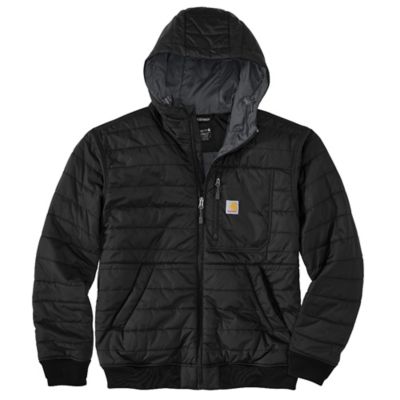
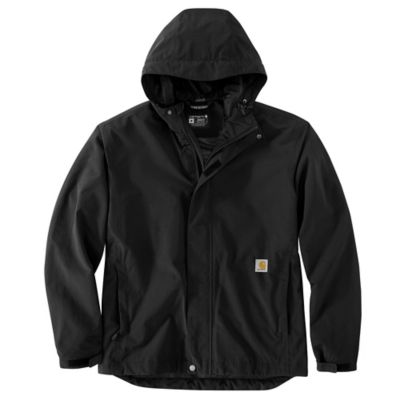
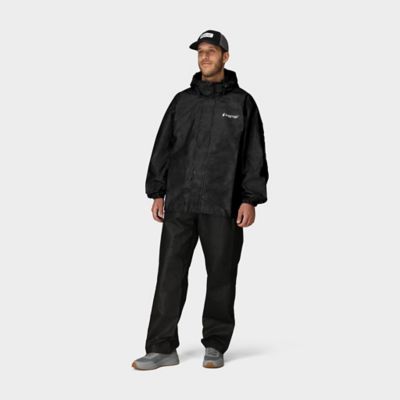
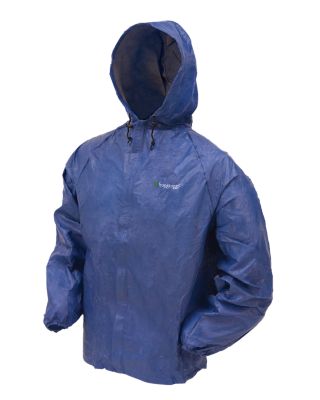
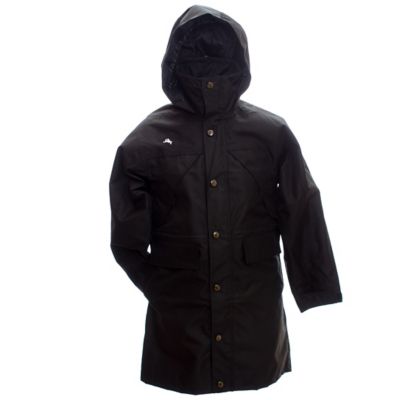
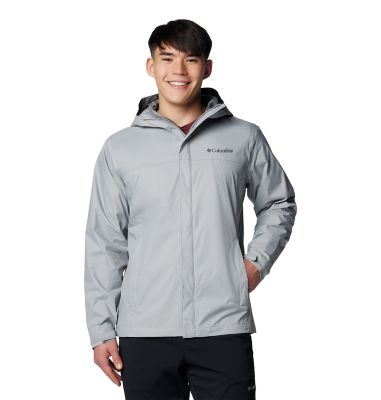
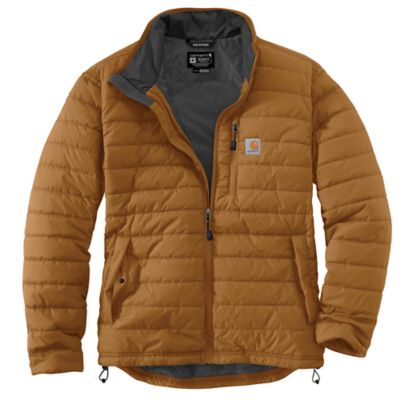
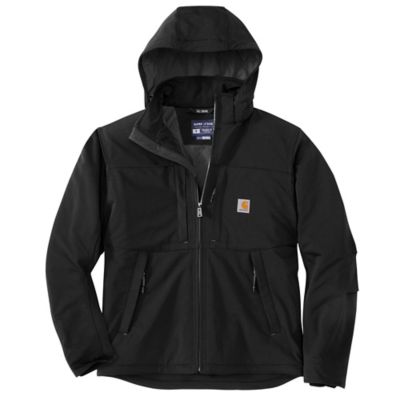
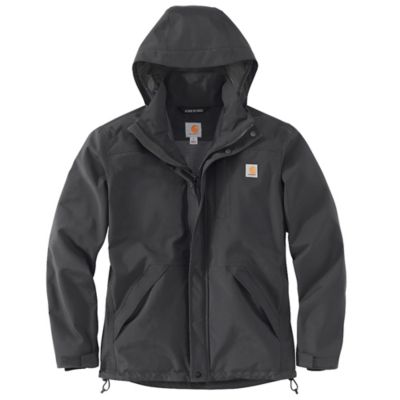
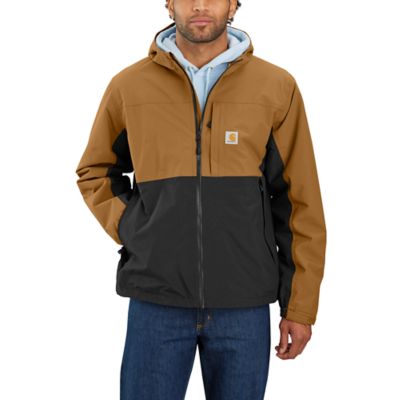
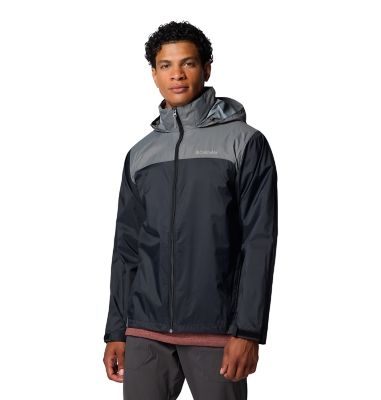
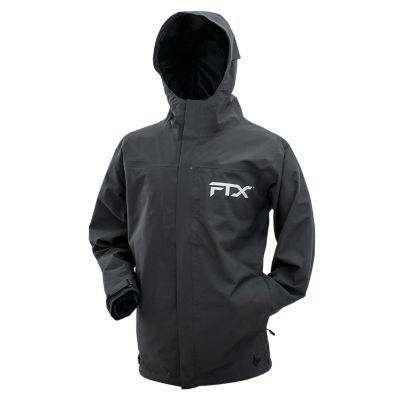
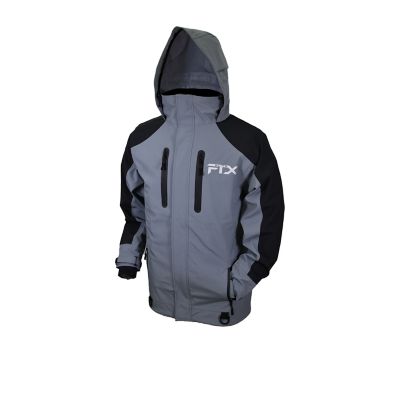
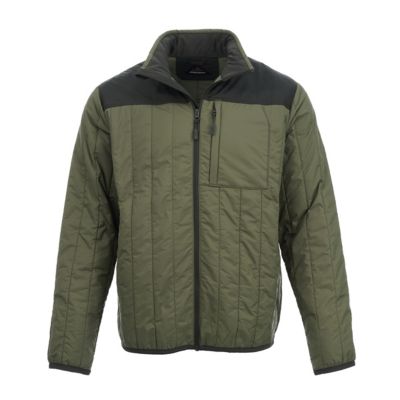
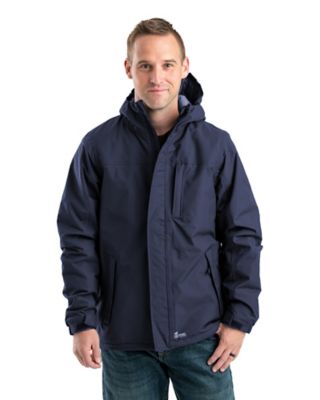
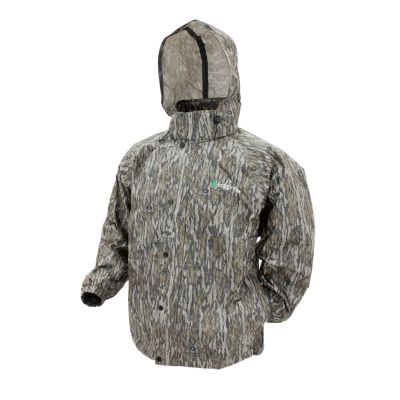
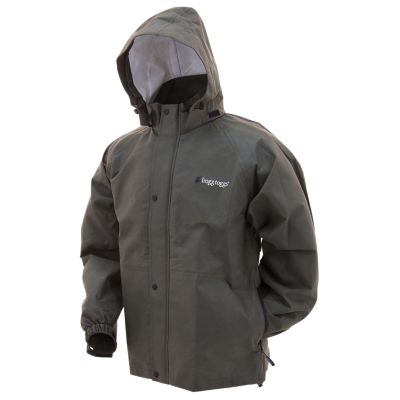
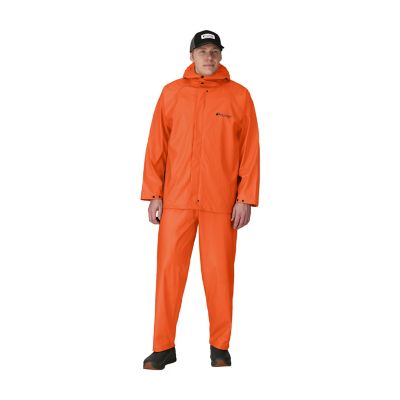
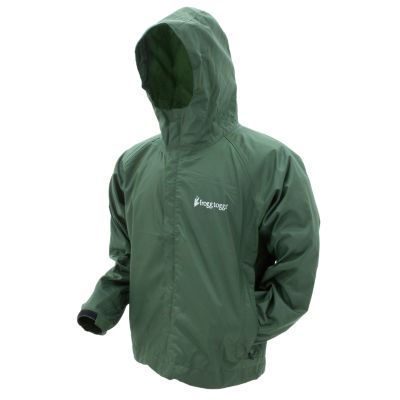
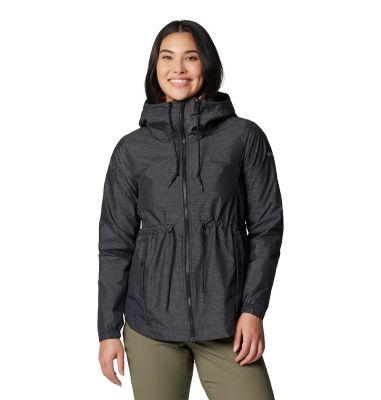
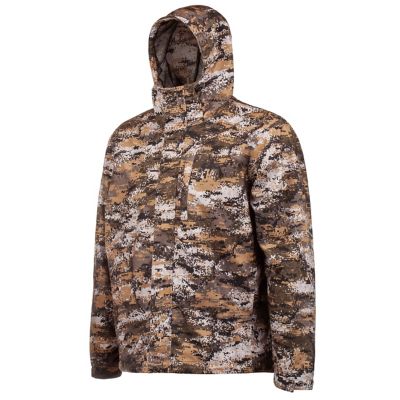
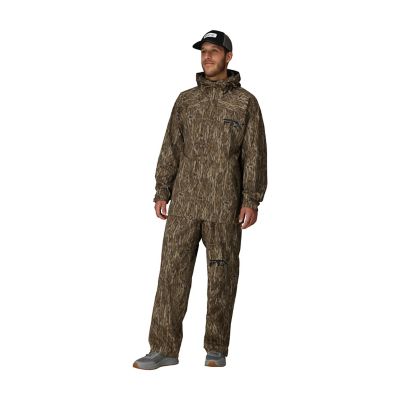
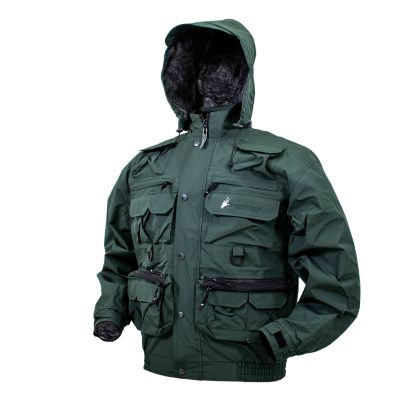
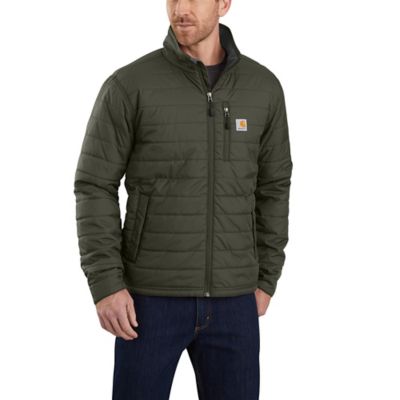
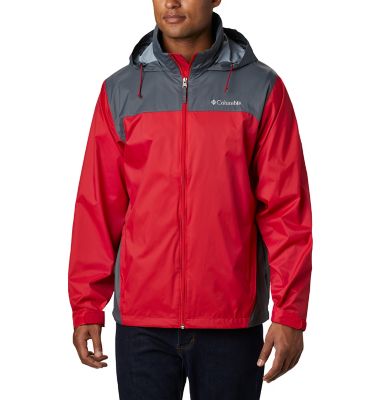
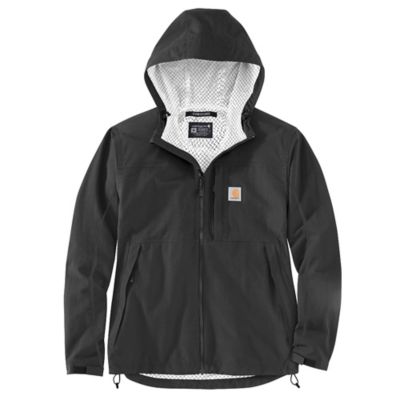
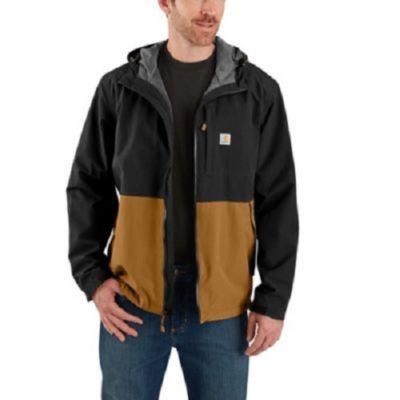
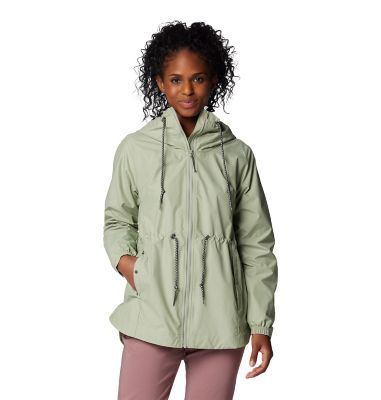
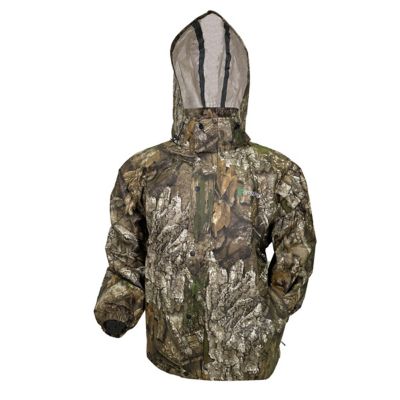
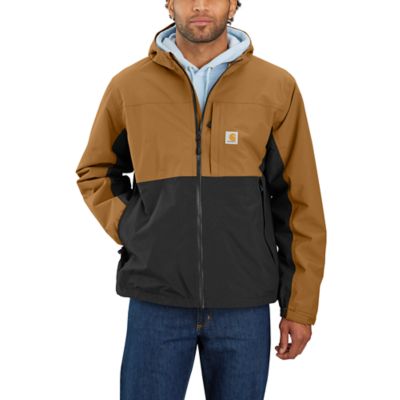
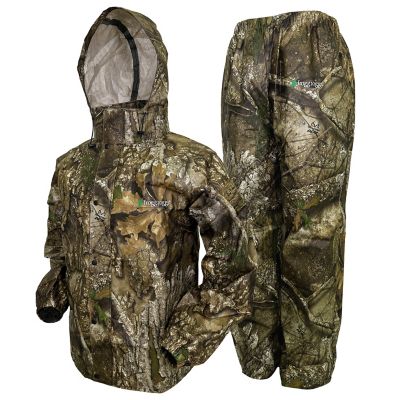
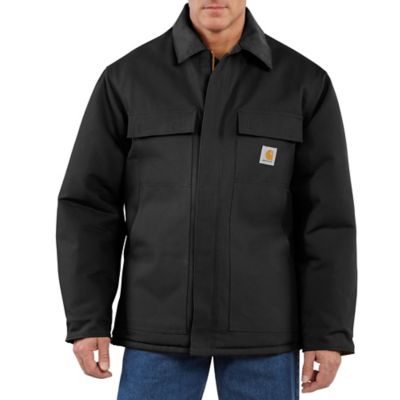
Men’s hiking rain jackets are built for the kind of weather that can change between the trailhead and the overlook. A clear morning can turn into a steady shower, a windy ridge can feel much colder than the valley below, and wet brush along a fence line or wooded path can soak through a sweatshirt in no time. A good rain jacket gives you a dependable outer layer for hiking, camping, fishing, travel, yard work, and everyday chores when the skies open up. Look for a shell made with waterproof, breathable fabric that helps keep rain out while allowing some heat and moisture to escape during a climb. Waterproof ratings can offer a useful way to compare protection, but construction matters just as much. Fully taped seams help seal the tiny openings created during sewing, keeping water from working through the stitching during a long downpour. Adjustable cuffs, a drawcord at the hem, and a hood that can be tightened around the face all help block wind-driven rain. A brimmed hood can keep water from running onto your glasses or down the back of your neck, while a high collar adds welcome coverage when the wind picks up. Consider the conditions you usually meet on the trail. A lightweight shell may be the right choice for warm, damp walks or for carrying in a daypack as a backup. For rougher use, frequent backpacking, or wet and windy country, a sturdier jacket may offer better long-term durability and a more substantial feel. Two-layer, 2.5-layer, and three-layer designs each balance weight, comfort, durability, and price differently. Two-layer jackets often feel comfortable over a shirt or light midlayer, while 2.5-layer shells can save space and weight in a pack. Three-layer jackets generally have a more durable construction and can feel less clammy during extended wear, making them a strong option for regular hikers and demanding conditions.
Fit is one of the most important details when choosing men’s hiking rain jackets, especially if the jacket will be worn over a flannel shirt, fleece, or insulated vest during the cooler months. The shell should leave enough room to move your arms freely and add a layer without hanging so loose that rain and cold air pour in around the openings. Try to picture reaching for trekking poles, climbing over a fallen log, lifting a feed bag, or working with your hands above shoulder height. Articulated sleeves, stretch panels, or a roomy cut can make those movements easier. Longer backs provide extra coverage when sitting on a wet rock or bending over a pack, while a two-way zipper can be handy around a harness or when seated. Pit zips, also called underarm vents, are useful on steep climbs or active hikes because they let warm air escape without requiring you to remove the jacket. Front pockets should remain reachable while wearing a backpack hip belt, and zippered pockets help keep keys, a phone, trail snacks, or a small map from slipping out. A packable design is convenient for travel, day hikes, and unpredictable weather; many shells can be folded into a pocket or stuffed into a small corner of a pack. For an especially compact layer, explore
Packable Rain Jackets for Men. Weight matters when every ounce rides on your shoulders, but the lightest jacket is not always the best match for heavy use. If you spend long hours in thick timber, on rocky trails, or around farm and ranch work, look for fabric and zippers that feel ready for regular wear. A smooth lining or comfortable interior can make a difference when the jacket is worn over short sleeves, while adjustable hems and cuffs help create a snug fit without making the shell feel stiff.
A men’s hiking rain jacket can make a practical gift for a dad who spends weekends outdoors, a friend who enjoys camping, a hunter who hikes into changing weather, or anyone who walks trails with a dog through damp grass and muddy woods. It is also a thoughtful choice for someone getting started with hiking, since a reliable shell serves many purposes beyond the trail. The same jacket can ride in a truck for unexpected showers, slip over work clothes during a wet morning, or provide a wind-blocking layer beside a chilly ball field. When selecting one as a gift, think about how the person spends time outside and the clothing he normally wears underneath. Someone who takes short walks may prefer a lighter, quieter shell that stows easily, while a backpacker or outdoor worker may appreciate stronger materials, generous pockets, ventilation zippers, and room for multiple layers. Neutral colors can work well for everyday wear, while brighter colors may improve visibility in low light or wooded surroundings. Proper care helps a rain jacket perform season after season. Follow the care instructions, avoid fabric softener unless the manufacturer specifically allows it, and let the jacket dry fully before storing it. Dirt, body oils, and trail grime can affect the outer finish that helps water bead and roll away, so occasional cleaning may restore some of that performance. If water stops beading on the surface but the fabric remains in good shape, a compatible water-repellent treatment may help refresh the finish. Store the jacket loosely rather than leaving it compressed in a pack for long periods. With the right balance of waterproof protection, breathability, fit, ventilation, and packability, men’s hiking rain jackets help make damp trails and unsettled weather easier to handle, whether the outing is a short walk through the woods or a full day beyond the tree line.