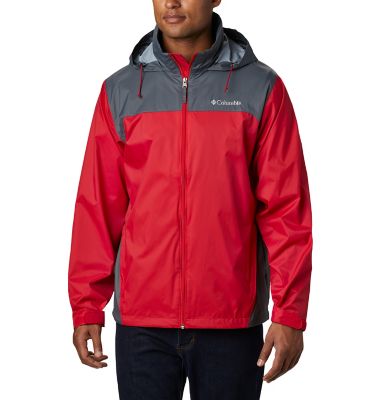
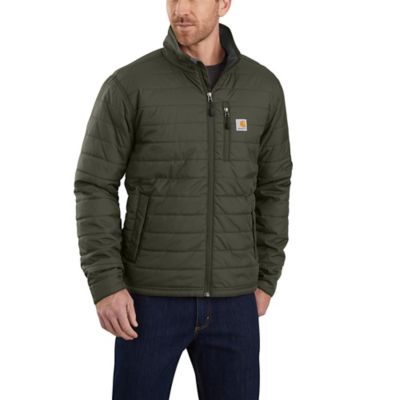
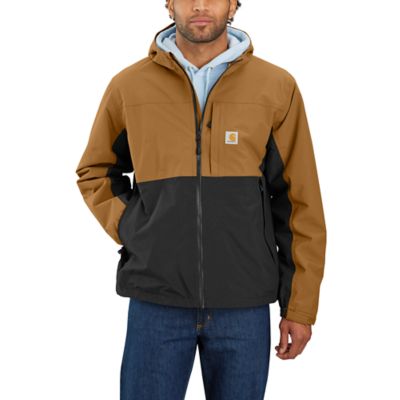
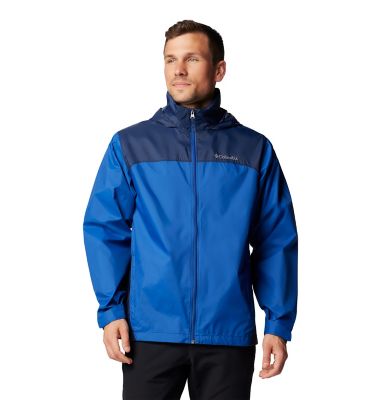
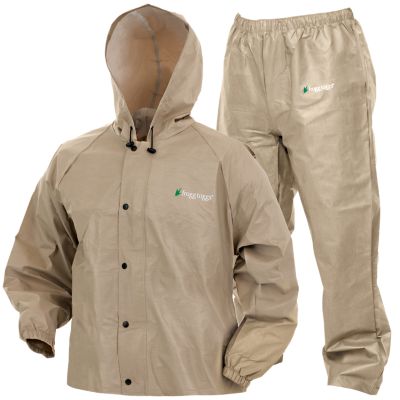
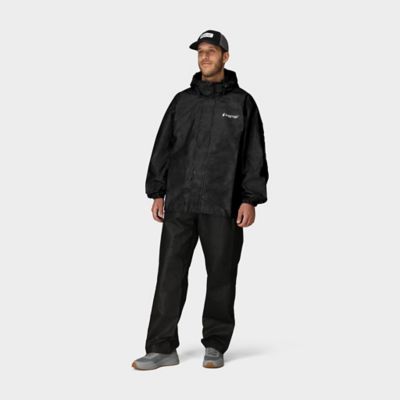
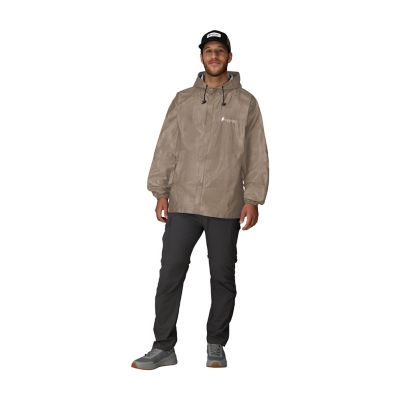
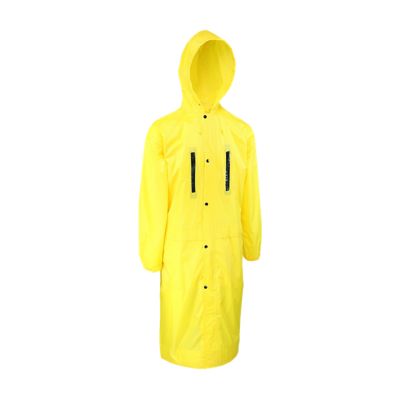
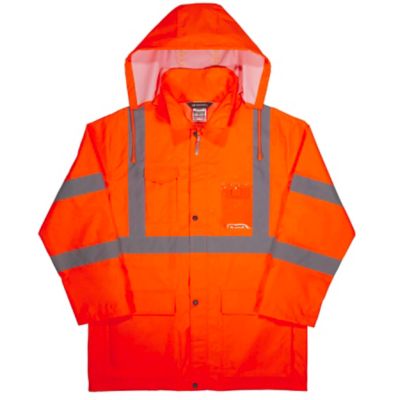
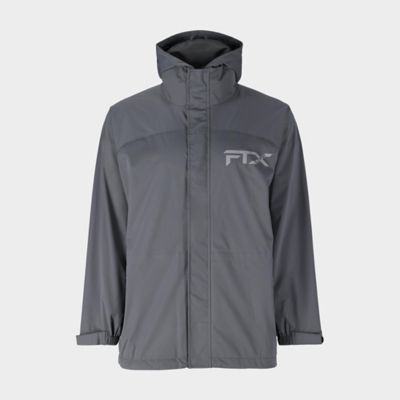
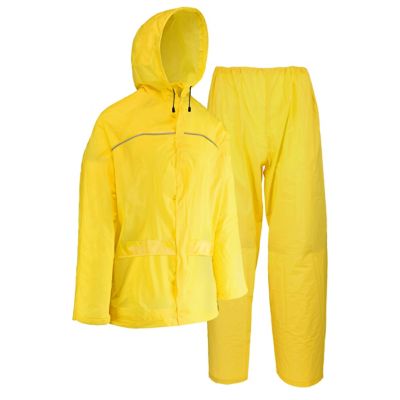
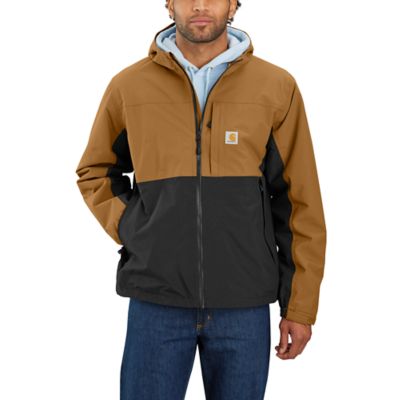
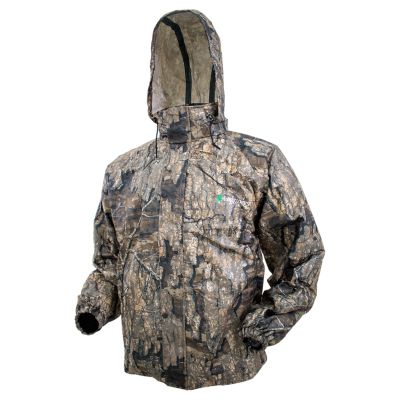
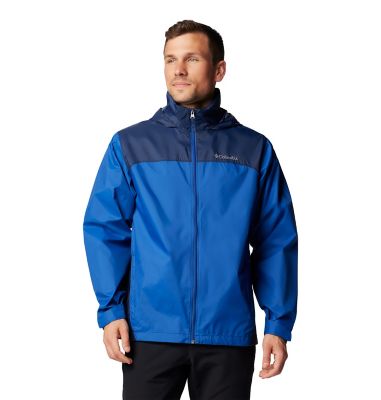
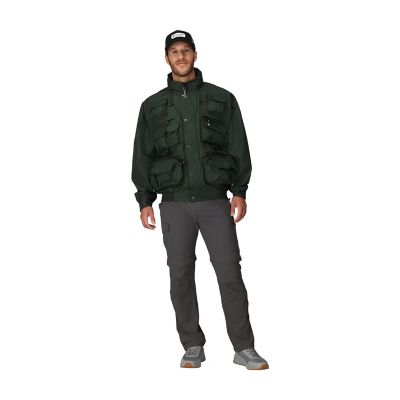
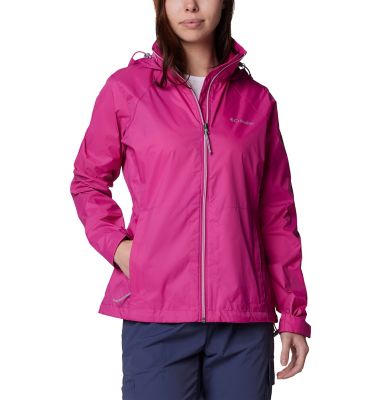
Lightweight rain jackets for men help keep rain off without adding the heft of a heavy coat. They make practical outer layers for checking fence lines, walking the dog, heading into town or getting from the truck to the barn when a shower rolls through. Many are easy to fold into a daypack or tuck behind a truck seat, so rain protection can stay close without taking up much room. The right level of coverage depends on how long the jacket will face wet conditions and how much moving around the day calls for. Water-resistant fabrics can shed brief showers, while waterproof shells are better suited to steady rain, especially when their construction includes sealed seams and protected zipper openings. Those details matter because water can work through stitching and gaps even when the main fabric blocks it. Nylon and polyester are common shell materials, offering a light feel in different fabric weights and constructions. Ripstop fabrics incorporate a reinforcing grid that helps limit the spread of small tears, though no lightweight shell is a match for every thorn patch or sharp fence edge. Some jackets rely on a waterproof coating, while others pair the face fabric with a waterproof, breathable membrane. A water-repellent finish on the outside helps droplets bead and roll away; that finish is not the same thing as the waterproof barrier underneath. Breathability also deserves attention when chores involve hauling feed, carrying tools or walking uphill. A breathable shell allows some water vapor to escape, but hard work and humid air can still leave the inside feeling damp. Underarm vents, adjustable openings and a suitable layer underneath can make a noticeable difference. For longer stretches outdoors, the most useful combination is rain protection, room to move and enough ventilation for the work ahead—not simply the lowest jacket weight.
Fit makes a lightweight rain shell easier to live and work in, especially when the same jacket needs to go over a T-shirt one day and a fleece another. Room through the shoulders, upper back and elbows helps with reaching for a gate latch, lifting a bag or climbing into a pickup. Too much extra fabric, though, can flap in the wind or bunch under pack straps. Measurements and the intended cut give a better starting point than assuming every jacket in the same size will fit alike. A shell with a little extra length at the back can improve coverage when bending, while a shorter hem may feel less restrictive when sitting or driving. Adjustable cuffs help keep sleeves from slipping over the hands and can snug down around gloves. A hem drawcord helps limit drafts and windblown rain at the waist. Hood shape matters just as much as body fit: an adjustable hood should stay in place when turning the head without blocking side vision. A shaped brim can help direct drips away from the face, and a soft chin guard can keep the zipper from rubbing beneath the mouth. Pockets add everyday convenience, but their placement and closures deserve a look. Higher hand pockets may stay easier to reach above a pack’s hip belt, while covered or water-resistant zippers offer more protection than open pocket entries. A phone or paper map still belongs in a separate waterproof pouch when staying dry is essential. Packable designs can be especially handy for walks around the property, fishing trips and days spent moving between indoor and outdoor jobs. A shell that folds into its own pocket reduces loose pieces to keep track of, while a separate stuff sack can make packing straightforward. Neither feature replaces a comfortable fit. For cold rain, a lightweight shell works as the outer layer over insulation rather than providing much warmth by itself; enough space for that extra layer helps keep the jacket useful across different conditions.
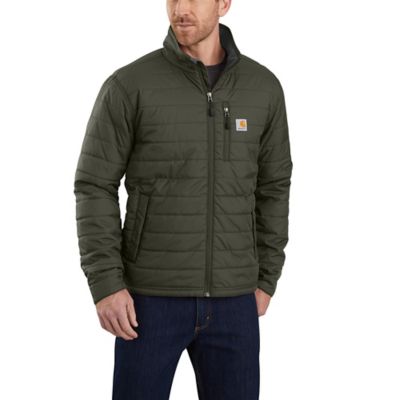
Care has a lot to do with how well a rain jacket keeps performing after muddy chores, dusty truck rides and repeated trips outdoors. Dirt, body oils and detergent residue can interfere with a water-repellent finish and moisture transfer, so putting off every wash is not necessarily doing the fabric a favor. The garment’s care label should set the washing method, water temperature and drying instructions. Many technical shells call for a gentle cleaner, thorough rinsing and no fabric softener, but care requirements vary with the materials and construction. Emptying pockets, fastening closures and brushing away loose dirt before washing can help prevent snags and mess. If the outer fabric starts soaking up water instead of beading it, cleaning and restoring the water-repellent finish may help, provided the treatment matches the garment’s instructions. That wet-looking outer surface does not automatically mean the waterproof barrier has failed, though it can make the shell feel clammy. A jacket should dry fully before storage rather than sit damp in a tightly packed pocket or bag. Hanging it in a dry spot between outings also makes it easier to notice worn cuffs, damaged zipper teeth or lifting seam tape before the next stretch of rain. For frequent brush contact or rough chores, a slightly heavier shell may offer a better balance of weight and wear resistance than an ultralight design. For occasional showers and travel, small packed size may matter more. Lightweight rainwear can also make a useful gift for someone who spends time tending animals, walking trails or working around an acreage. Knowing the recipient’s measurements, usual layers and preferred jacket length helps narrow the fit without guessing. Straightforward closures and reachable pockets often matter more in daily use than a long list of features. For outer layers beyond rain shells, explore
Lightweight Jacket For Men options with the same attention to comfort, coverage and freedom of movement.